How to Clean Glazed Porcelain Tile?
- Sinotiles
- 2026-06-02
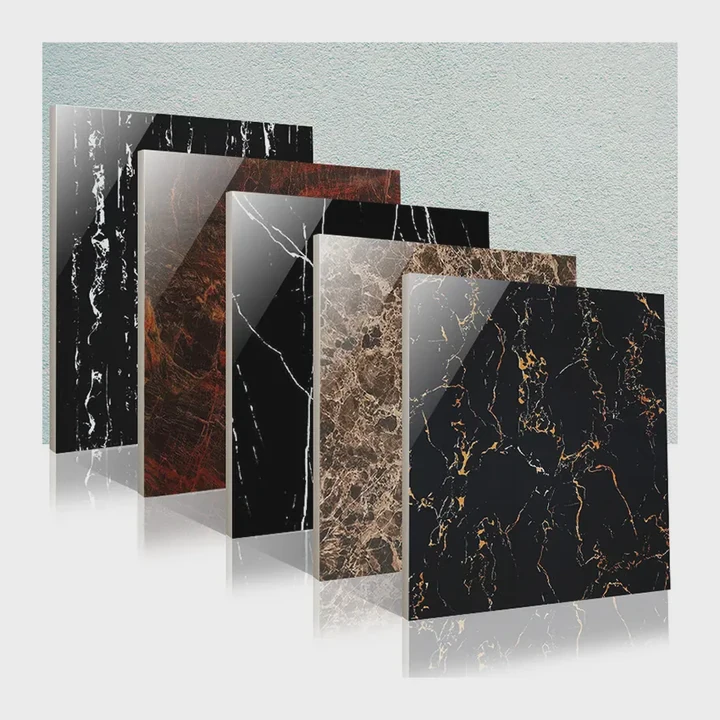
Glazed porcelain tile is known for its durability and low maintenance. Yet many homeowners still struggle with dull surfaces, stubborn stains, and improper cleaning methods that can shorten the tile’s appearance over time.
The best way to clean glazed porcelain tile is to remove loose dirt regularly, use a pH-neutral cleaner mixed with warm water, mop gently, and rinse thoroughly. Avoid harsh chemicals, abrasive tools, and cleaning products that may leave residue behind.
Many people assume porcelain tile is completely maintenance-free. While glazed porcelain is highly resistant to stains and moisture, proper cleaning still plays a key role in preserving its shine, appearance, and lifespan. Understanding the right products and techniques can help keep tile surfaces looking new for years.
What Cleaning Solutions Are Safe for Glazed Porcelain?
Using the wrong cleaner can leave residue, reduce shine, or create long-term maintenance issues. Choosing a safe cleaning solution is the first step toward protecting glazed porcelain tile.
The safest cleaning solutions for glazed porcelain tile are pH-neutral tile cleaners, mild dish soap mixed with warm water, and manufacturer-approved porcelain cleaning products. These options clean effectively without damaging the glazed surface.
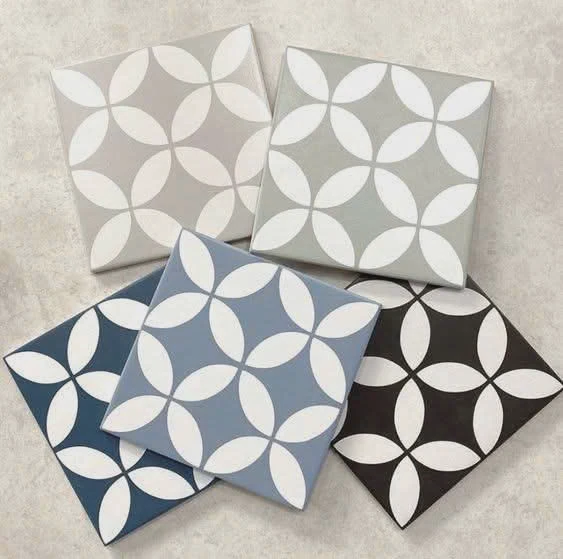
Glazed porcelain tile has a protective glass-like coating on its surface. This glaze provides stain resistance, color stability, and easier maintenance. While the glaze is durable, it still benefits from proper cleaning products.
Why pH-Neutral Cleaners Are Recommended
Most tile professionals recommend pH-neutral cleaners because they clean without reacting aggressively with the tile surface or grout.
Benefits include:
- Safe for daily use
- No harsh chemical reactions
- Reduced residue buildup
- Compatible with most grout types
- Preserves tile appearance
A pH-neutral cleaner removes common household dirt without weakening the protective glaze.
Mild Soap and Warm Water
For routine cleaning, a simple mixture of warm water and a small amount of mild dish soap often works very well.
This method is especially useful for:
- Residential floors
- Bathroom walls
- Kitchen backsplashes
- Light daily cleaning
The key is moderation. Too much soap can leave a film on the tile surface.
Commercial Porcelain Tile Cleaners
Many professional cleaning products are designed specifically for porcelain tile.
These cleaners often help remove:
- Grease
- Dirt
- Soap scum
- Water spots
- Light stains
Always follow the manufacturer’s dilution instructions.
Cleaning Solutions to Avoid
Certain products can create problems over time.
Avoid:
- Strong bleach mixtures
- Oil-based cleaners
- Wax products
- Abrasive powders
- Highly acidic cleaners
These products may leave residue or affect the appearance of grout joints.
Safe Cleaning Solution Comparison
| Cleaning Solution | Safe for Glazed Porcelain | Best Use |
|---|---|---|
| pH-neutral cleaner | Yes | Regular maintenance |
| Mild dish soap | Yes | Light cleaning |
| Porcelain tile cleaner | Yes | Deep cleaning |
| Bleach | Limited use | Spot disinfection |
| Acidic cleaners | Not recommended | Avoid routine use |
Importance of Rinsing
Even safe cleaning products should be rinsed properly.
Leaving cleaner residue behind can cause:
- Streaks
- Dull appearance
- Sticky surfaces
- Faster dirt accumulation
A clean water rinse helps preserve the original finish of the tile.
Long-Term Surface Protection
Many porcelain tile problems are not caused by dirt. They are caused by repeated use of unsuitable cleaning products.
A simple cleaning routine using gentle solutions often produces better long-term results than aggressive chemical treatments. The goal is to remove dirt while preserving the glazed surface that makes porcelain tile attractive and easy to maintain.
How Often Should Glazed Tiles Be Cleaned Properly?
Many people either clean porcelain tiles too often with harsh products or wait too long between cleanings. Finding the right balance helps maintain both appearance and durability.
Glazed porcelain tiles should be swept or vacuumed several times per week, cleaned with a damp mop weekly, and deep cleaned monthly or as needed depending on traffic levels and environmental conditions.
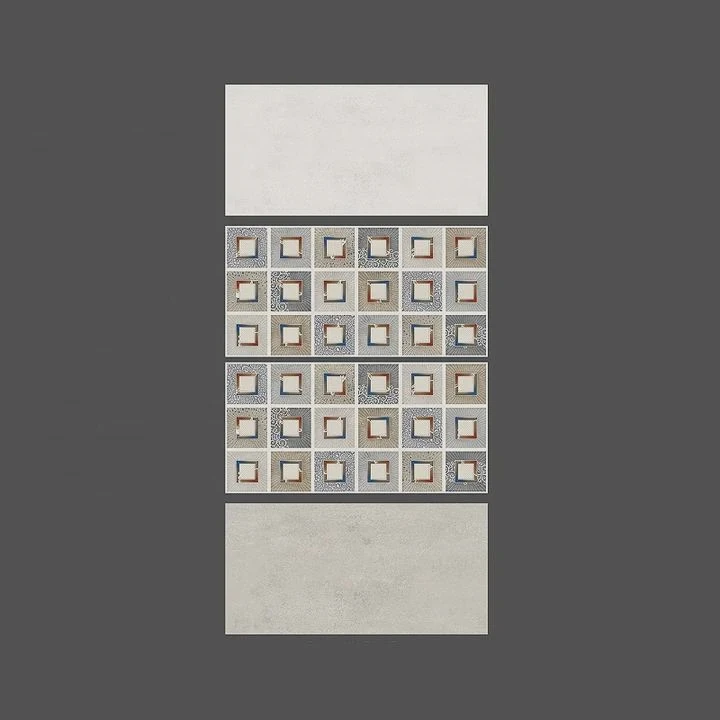
Cleaning frequency depends on where the tile is installed and how heavily the area is used.
Daily Dirt Removal
Dust, sand, and debris act like fine abrasives when walked across repeatedly.
Regular removal helps prevent surface dullness.
Common methods include:
- Soft broom sweeping
- Dry dust mopping
- Vacuuming with a hard-floor setting
These methods remove loose particles before they become a problem.
Weekly Cleaning Routine
Most residential porcelain tile floors benefit from weekly damp mopping.
The process usually includes:
- Sweeping first
- Preparing cleaning solution
- Damp mopping
- Rinsing if necessary
- Allowing the floor to dry
This routine keeps dirt from accumulating.
Monthly Deep Cleaning
Monthly cleaning focuses on areas that routine maintenance may miss.
Examples include:
- Grout joints
- Corners
- Edges
- High-traffic zones
- Entry areas
Deep cleaning helps maintain a consistent appearance throughout the installation.
Cleaning Frequency by Area
| Area | Recommended Frequency |
|---|---|
| Kitchen floor | Weekly |
| Bathroom floor | Weekly |
| Shower walls | Weekly |
| Living room floor | Every 1-2 weeks |
| Commercial space | Daily to weekly |
Factors That Affect Cleaning Frequency
Several conditions influence maintenance schedules.
These include:
- Foot traffic
- Pets
- Children
- Outdoor access
- Local climate
A busy commercial environment requires much more frequent cleaning than a lightly used guest bathroom.
Signs That Cleaning Is Needed
Instead of relying solely on a calendar, observe the tile surface.
Warning signs include:
- Visible dirt
- Reduced shine
- Sticky feeling
- Water spots
- Darkened grout
Addressing these signs early makes cleaning easier.
Avoid Overcleaning
Some homeowners believe frequent use of strong cleaners improves results.
In reality, excessive chemical exposure may:
- Leave residue
- Affect grout appearance
- Increase maintenance requirements
A consistent but gentle cleaning schedule often delivers the best outcome.
Proper cleaning frequency helps maintain the beauty of glazed porcelain while reducing unnecessary wear from aggressive maintenance practices.
Can Vinegar Damage Glazed Porcelain Tile Surfaces?
Vinegar remains one of the most debated tile cleaning products. Some homeowners use it regularly, while many tile professionals advise caution.
Vinegar generally does not damage properly glazed porcelain tile itself, but repeated use may weaken grout, affect certain sealers, and create long-term maintenance issues. For routine cleaning, pH-neutral cleaners are usually a safer choice.

Vinegar is a mild acid. It is popular because it is inexpensive, widely available, and effective at cutting through certain types of dirt and mineral deposits.
Why Vinegar Can Be Effective
Vinegar helps dissolve:
- Hard water stains
- Soap residue
- Light mineral buildup
This makes it attractive for bathroom cleaning.
The Tile Surface Versus the Grout
The key distinction is understanding what vinegar contacts.
The glazed porcelain surface itself is highly resistant to many chemicals.
The grout joints are often more vulnerable.
Repeated acid exposure may contribute to:
- Grout erosion
- Surface roughness
- Reduced grout lifespan
Risks in Shower Areas
Shower installations often contain:
- Cement grout
- Sealers
- Silicone joints
Acidic products may gradually affect some of these materials.
For this reason, many installers recommend limiting vinegar use.
When Vinegar May Be Acceptable
Occasional use for targeted cleaning may be reasonable.
Examples include:
- Removing water spots
- Cleaning soap scum
- Addressing mineral deposits
After use, the area should be rinsed thoroughly with clean water.
Vinegar Versus Other Cleaners
| Cleaner Type | Tile Safety | Grout Safety |
|---|---|---|
| pH-neutral cleaner | Excellent | Excellent |
| Mild soap | Excellent | Excellent |
| Vinegar | Generally safe | Use cautiously |
| Strong acid cleaner | Risky | Not recommended |
Common Misunderstandings
Many online sources promote vinegar as a universal tile cleaner.
However, porcelain installations consist of more than tile alone.
The cleaning product also interacts with:
- Grout
- Sealers
- Adhesives
- Expansion joints
These materials may respond differently than porcelain.
Best Practice
For everyday maintenance, pH-neutral products remain the preferred option.
If vinegar is used occasionally:
- Dilute properly.
- Avoid prolonged exposure.
- Rinse thoroughly.
- Monitor grout condition.
This approach reduces the likelihood of long-term issues.
In most situations, specialized porcelain tile cleaners provide safer and more predictable results than regular vinegar use.
Which Tools Help Clean Porcelain Tile Effectively?
Even the best cleaning solution may perform poorly when paired with the wrong tools. Selecting proper equipment makes cleaning faster, easier, and more effective.
The most effective tools for cleaning glazed porcelain tile include microfiber mops, soft-bristle brushes, vacuum cleaners with hard-floor settings, non-abrasive sponges, and microfiber cloths. These tools remove dirt without scratching the glazed surface.
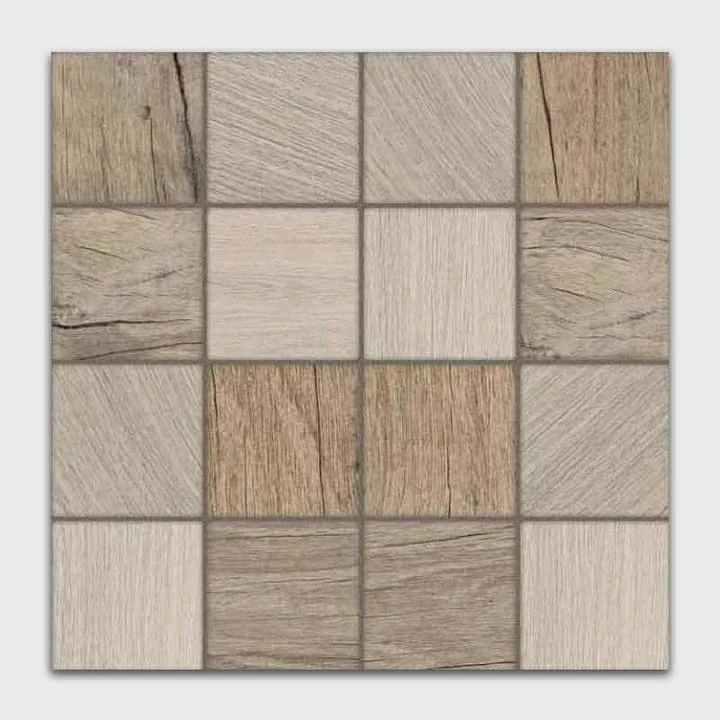
The glazed surface of porcelain tile is durable, but it still benefits from non-abrasive cleaning tools.
Microfiber Mops
Microfiber mops are among the most popular tile cleaning tools.
Advantages include:
- Excellent dirt capture
- Minimal scratching risk
- Reusable cleaning pads
- Effective moisture control
Microfiber fibers trap dust and debris more effectively than many traditional cotton mops.
Vacuum Cleaners
Vacuuming helps remove loose dirt before mopping.
Choose a vacuum designed for hard surfaces.
Important features include:
- Soft wheels
- Hard-floor mode
- Brush roll control
This helps prevent scratches.
Soft-Bristle Brushes
Grout joints often require additional attention.
Soft-bristle brushes are useful for:
- Grout cleaning
- Corner cleaning
- Spot treatment
- Shower maintenance
Avoid metal brushes or excessively stiff bristles.
Non-Abrasive Sponges
For wall tile and backsplash applications, non-abrasive sponges work well.
They help remove:
- Food splashes
- Soap residue
- Water spots
Without damaging the glaze.
Recommended Cleaning Tools
| Tool | Suitable for Porcelain Tile |
|---|---|
| Microfiber mop | Excellent |
| Soft broom | Excellent |
| Soft-bristle brush | Excellent |
| Non-abrasive sponge | Excellent |
| Steam mop | Use according to manufacturer guidance |
| Steel wool | Not recommended |
Microfiber Cloths for Finishing
Microfiber cloths are especially useful after cleaning.
They help:
- Remove streaks
- Dry surfaces
- Improve shine
- Polish glazed finishes
This step is particularly valuable on polished porcelain surfaces.
Tools to Avoid
Some tools may damage grout or affect appearance.
Avoid:
- Steel wool
- Wire brushes
- Abrasive pads
- Scrapers without protection
- Harsh polishing wheels
These products may leave scratches or wear marks.
Building an Effective Cleaning Kit
A simple porcelain tile maintenance kit often includes:
- Microfiber mop
- Soft broom
- Bucket
- pH-neutral cleaner
- Soft brush
- Microfiber towels
This basic setup handles most routine cleaning needs without requiring expensive equipment.
The right tools not only improve cleaning results but also help protect the glazed finish that gives porcelain tile its attractive appearance and long service life.
Conclusion
Cleaning glazed porcelain tile is simple when the right methods are used. pH-neutral cleaners, regular maintenance, occasional deep cleaning, and non-abrasive tools help preserve the tile’s appearance for years. While vinegar may be useful for limited situations, gentle cleaning products and proper equipment remain the safest and most effective long-term solution.