How to clean marble tile floors?
- Sinotiles
- 2026-04-13
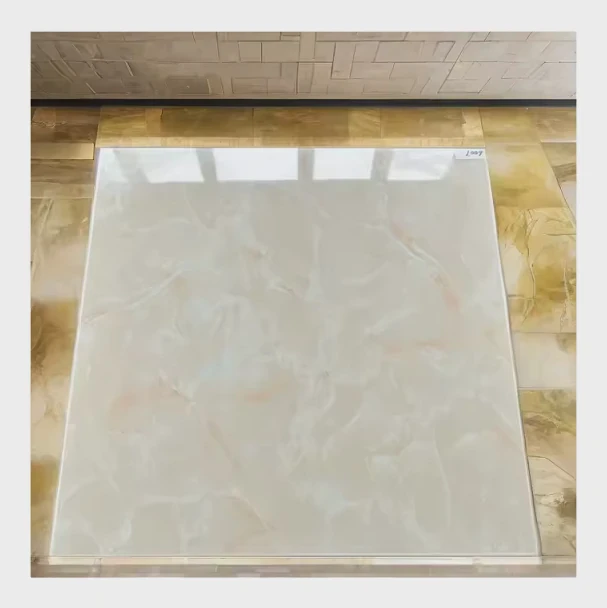
Marble floors look beautiful, but they stain and scratch easily. Many people damage them by using the wrong cleaners or methods without knowing.
The safest way to clean marble tile floors is to use pH-neutral cleaners, avoid acidic products, clean spills quickly, and follow a regular maintenance routine to prevent stains and etching.
Marble is not like ceramic or porcelain. It needs more care and attention. In the next sections, I will break down each key point so the process becomes clear and easy to follow.
What cleaners are safe for marble tile surfaces?
Marble looks strong, but it reacts fast to the wrong cleaner. Many people use vinegar or strong chemicals and ruin the surface without realizing it.
Safe cleaners for marble are pH-neutral solutions, mild soap with water, and specially made stone cleaners that do not contain acids or harsh chemicals.

Marble is a natural stone made mostly of calcium carbonate. This material reacts with acids very easily. Even weak acids like lemon juice or vinegar can cause dull spots on the surface. These spots are called etching, and they are hard to fix.
Why pH-neutral cleaners matter
A pH-neutral cleaner does not react with the stone. It cleans dirt without damaging the surface.
Here is a simple comparison:
| Cleaner Type | Safe for Marble | Risk Level | Example |
|---|---|---|---|
| pH-neutral cleaner | Yes | Low | Stone cleaner |
| Mild dish soap | Yes (limited) | Low | Diluted soap |
| Vinegar | No | High | Acid damage |
| Bleach | No | High | Surface damage |
Using the wrong cleaner can slowly destroy the shine of marble. At first, the floor may look fine. But over time, it becomes dull and uneven.
Best cleaning routine
A simple and safe routine works best:
- Use warm water with a few drops of mild soap
- Mop with a soft microfiber mop
- Dry the floor after cleaning to avoid water spots
Common mistakes to avoid
Many buyers and even contractors make these mistakes:
- Using acidic cleaners for “deep cleaning”
- Using abrasive pads that scratch the surface
- Leaving water on the floor for too long
My practical suggestion
In real projects, clients often ask for low-maintenance options. Marble is not low-maintenance. So the cleaner choice must be correct from day one.
If the goal is easier care, many buyers now choose marble-look porcelain tiles. These give the same visual effect but are much easier to clean.
How do you remove stains without damaging marble?
Stains on marble can be frustrating. Many people try strong chemicals or scrubbing, but that often makes the problem worse.
The safest way to remove stains from marble is to use a gentle poultice method, mild cleaning solutions, and avoid scrubbing or acidic products.

Marble is porous. This means liquids can go inside the stone. Once inside, stains become harder to remove. Different stains need different approaches.
Types of marble stains
Understanding the stain type is important:
| Stain Type | Source | Removal Method |
|---|---|---|
| Organic | Coffee, tea, food | Hydrogen peroxide |
| Oil-based | Grease, cosmetics | Baking soda paste |
| Rust | Metal objects | Special rust remover |
| Water spots | Hard water | Buffing |
What is a poultice?
A poultice is a paste that pulls stains out of the marble.
Basic steps:
- Mix baking soda with water
- Apply paste on the stain
- Cover with plastic wrap
- Leave for 24-48 hours
- Remove and rinse
This method works slowly but safely.
Why scrubbing is dangerous
Hard scrubbing can:
- Scratch the surface
- Spread the stain deeper
- Damage the polish layer
So gentle treatment is always better than force.
Dealing with deep stains
Some stains go deep into the stone. In such cases:
- Repeat the poultice process
- Use professional-grade stone cleaners
- Consider polishing if needed
Real project insight
In many hotel and commercial projects, stains are common because of high traffic. The key is fast response. If stains are cleaned early, they rarely become permanent.
This is why maintenance training is just as important as material selection.
Can sealing protect marble floors from etching?
Many buyers think sealing marble will stop all damage. That is not fully true, and this misunderstanding often leads to disappointment.
Sealing marble helps prevent stains by reducing absorption, but it does not protect against etching caused by acids.
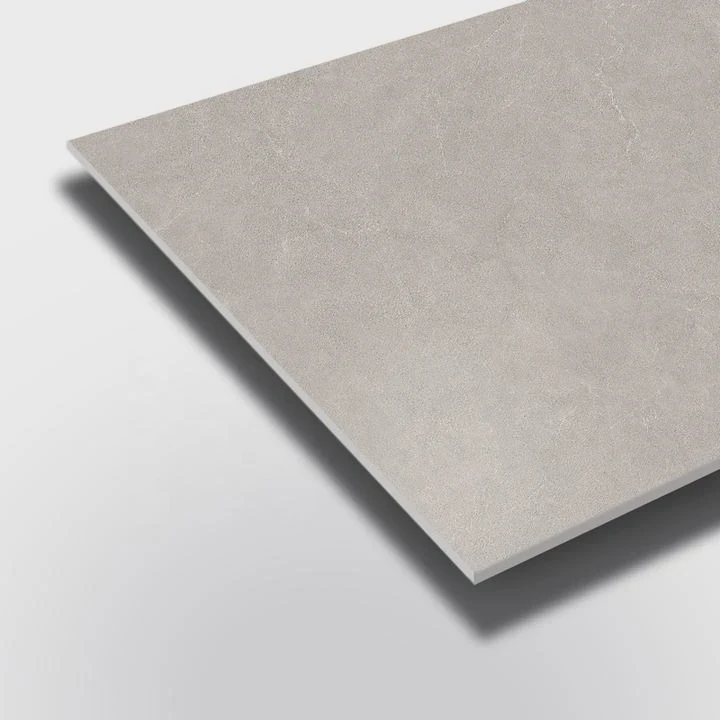
A sealer works by filling the pores of the marble. This slows down how fast liquids enter the stone. But it does not create a protective layer against chemical reactions.
What sealing actually does
Here is a clear breakdown:
| Protection Type | Sealer Effect |
|---|---|
| Water stains | Reduced risk |
| Oil stains | Reduced risk |
| Acid damage | No protection |
| Scratches | No protection |
This means sealing is useful, but it is not a complete solution.
Types of sealers
There are two common types:
- Penetrating sealers (most common)
- Surface sealers (less used for marble floors)
Penetrating sealers are better because they do not change the natural look.
How often to seal marble
Sealing is not permanent. It needs to be repeated.
Typical schedule:
- Residential floors: every 1-2 years
- Commercial floors: every 6-12 months
Simple test for sealing
You can test if sealing is needed:
- Drop water on the surface
- Wait 10-15 minutes
- Check if it absorbs
If the water darkens the marble, resealing is needed.
Common misunderstanding
Some clients believe sealing will make marble “maintenance-free.” This is not correct.
Marble still needs:
- Careful cleaning
- Immediate spill removal
- Proper maintenance routine
My recommendation
For projects where users cannot maintain marble properly, I often suggest alternatives like glazed porcelain tiles. These provide the same visual appeal but require much less care.
How often should marble tiles be maintained?
Many people clean marble only when it looks dirty. This approach causes long-term damage and higher repair costs.
Marble floors should be maintained daily with light cleaning, weekly with proper mopping, and periodically with sealing and polishing to keep their appearance and durability.
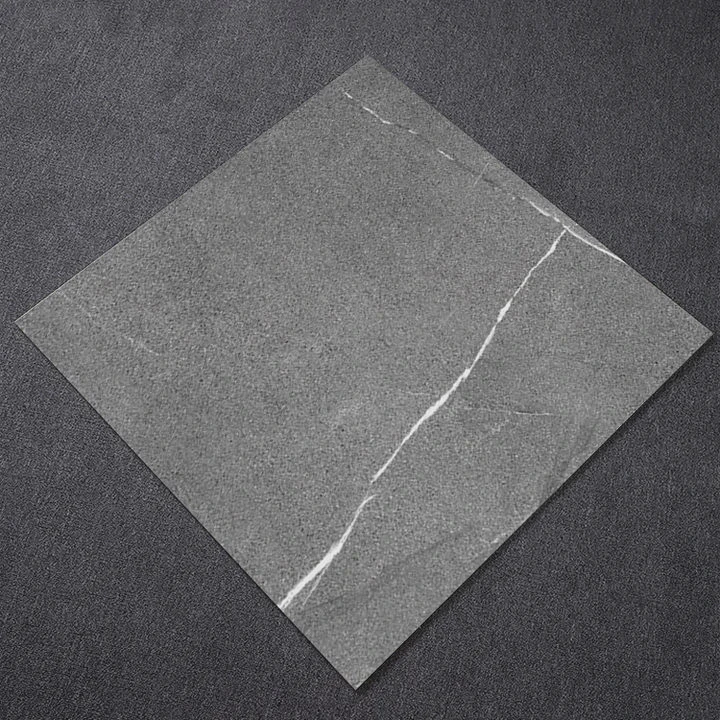
Maintenance is not just about cleaning. It is about protecting the surface over time.
Daily maintenance
Simple actions can prevent major problems:
- Sweep or dust to remove sand and dirt
- Clean spills immediately
- Use soft cloth or mop
Dust and sand act like sandpaper. They slowly scratch the surface.
Weekly maintenance
A deeper clean is needed:
- Use pH-neutral cleaner
- Mop gently
- Dry the floor after cleaning
Periodic maintenance
This includes:
- Sealing
- Polishing
- Professional cleaning if needed
Maintenance schedule overview
| Task Type | Frequency | Purpose |
|---|---|---|
| Dusting | Daily | Prevent scratches |
| Mopping | Weekly | Remove dirt |
| Sealing | 6-24 months | Prevent stains |
| Polishing | As needed | Restore shine |
High-traffic areas
In commercial spaces like hotels or malls:
- Maintenance must be more frequent
- Entry mats should be used
- Cleaning staff must be trained
Long-term impact
Poor maintenance leads to:
- Dull surface
- Permanent stains
- Higher restoration cost
Good maintenance keeps the marble looking new for many years.
Practical experience
In many export projects, clients focus on price and design but ignore maintenance planning. Later, they face issues and blame the material.
But the truth is simple: marble performs well only with proper care.
Conclusion
Marble floors need careful cleaning, the right products, and regular maintenance. Safe cleaners, gentle stain removal, proper sealing, and consistent care will keep marble beautiful and long-lasting.