How to clean mortar off tile?
- Sinotiles
- 2026-03-30
Mortar stains ruin tile beauty fast. Many people scrub hard and damage tiles. That creates more cost and stress. There is a better way.
Yes, you can remove mortar safely. Use the right tools, gentle steps, and proper cleaners. The method depends on how hard the mortar is and the tile type.
Cleaning mortar is not just about force. It is about control. When the process is clear, the result becomes simple and safe.
What removes dried mortar from tile surfaces?
Mortar dries hard and bonds tightly. Many people try water alone. That rarely works and wastes time.
Dried mortar can be removed using a mix of mechanical scraping, warm water soaking, and sometimes mild cleaners. The key is to soften first, then remove step by step.
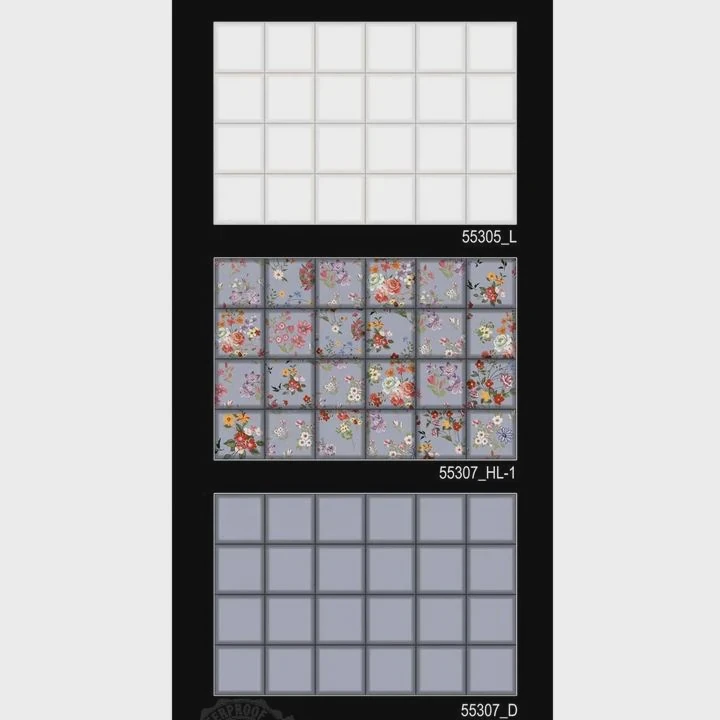
Removing dried mortar needs patience. The first step is always to understand how thick the mortar is. Thin residue is easy. Thick chunks need more effort.
Basic removal methods
There are three main approaches:
- Softening
- Scraping
- Cleaning residue
Warm water helps loosen the bond. It does not dissolve mortar fully, but it makes scraping easier.
Step-by-step process
- Wet the surface with warm water
- Wait 10–15 minutes
- Use a plastic scraper
- Wipe with a damp cloth
- Repeat if needed
This process reduces risk. It avoids sudden force that can damage tiles.
Comparison of removal methods
| Method | Best For | Risk Level | Efficiency |
|---|---|---|---|
| Warm water soak | Light residue | Low | Medium |
| Plastic scraping | Medium buildup | Low | High |
| Chemical cleaner | Stubborn residue | Medium | High |
| Metal scraping | Thick hardened mortar | High | High |
Key insight
Many people rush. That is the biggest mistake. Mortar removal is not about speed. It is about control.
When working on large projects, like 800×800 or 600×1200 tiles, the surface area is bigger. So consistency matters more than strength.
How do you avoid scratching tiles during cleaning?
Scratches can ruin the tile finish. Glossy tiles show damage easily. Matte tiles hide it slightly, but damage is still there.
To avoid scratches, always use soft tools, apply light pressure, and test on a small area first. Never start with metal tools on finished surfaces.
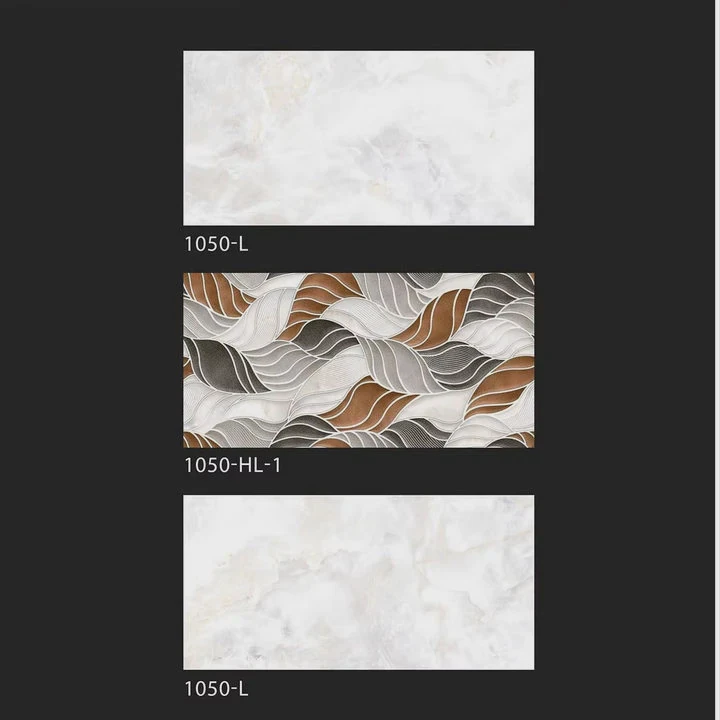
Tile surfaces vary. Polished tiles are more sensitive. Rustic tiles are more forgiving.
Common causes of scratches
- Using metal blades too early
- Applying too much pressure
- Using dirty cloths with grit
- Skipping the softening step
Safe tool choices
Start with the least aggressive option:
- Sponge
- Nylon pad
- Plastic scraper
- Rubber tools
Only move to stronger tools if needed.
Tool safety comparison
| Tool Type | Scratch Risk | Recommended Use |
|---|---|---|
| Sponge | Very Low | Final cleaning |
| Nylon pad | Low | Light residue |
| Plastic scraper | Low | Medium buildup |
| Metal blade | High | Only for extreme cases |
Practical tip
Always hold the scraper at a low angle. This reduces pressure on the tile surface.
Real-world scenario
On large polished tiles, even a small scratch reflects light differently. That creates visible defects across the whole floor. This is why careful cleaning is more important than fast cleaning.
Can acidic cleaners dissolve mortar residue?
Some people believe strong acid solves everything. That is risky thinking.
Yes, mild acidic cleaners can dissolve cement-based residue, but strong acids can damage tiles and grout. Always use controlled and diluted solutions.
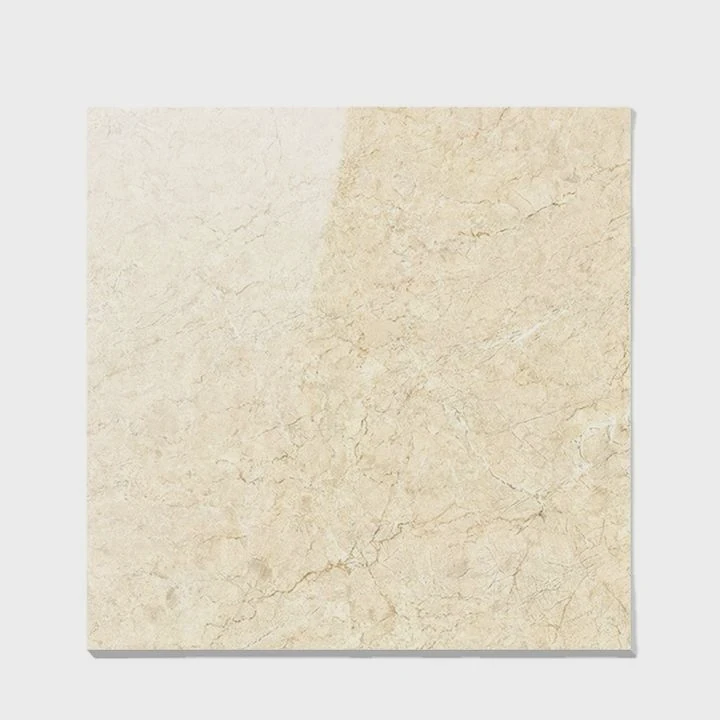
Mortar contains cement. Cement reacts with acid. This reaction helps break down residue.
Types of acidic cleaners
- Vinegar (mild)
- Commercial tile cleaners (controlled formula)
- Strong acids (not recommended for general use)
When to use acid
Acid is useful when:
- Thin haze remains
- Scraping is not enough
- Tiles are acid-resistant
When NOT to use acid
- On natural stone
- On sensitive glaze surfaces
- Without testing
Acid usage comparison
| Cleaner Type | Strength | Safety Level | Use Case |
|---|---|---|---|
| Vinegar | Low | High | Light residue |
| Tile cleaner | Medium | Medium | Moderate residue |
| Strong acid | High | Low | Industrial cleaning |
Application steps
- Dilute the cleaner
- Apply to a small area
- Wait a few minutes
- Scrub gently
- Rinse thoroughly
Critical insight
Acid does not replace scraping. It supports the process. Mechanical removal still does most of the work.
In large-scale projects, controlled chemical use helps maintain consistency across batches. This matters when tiles come in different finishes like polished or glazed.
Which tools are best for mortar removal?
Using the wrong tool creates more problems than solutions. Tool choice affects speed, safety, and final quality.
The best tools are plastic scrapers, grout removal tools, nylon pads, and soft cloths. For heavy buildup, specialized tools may be needed, but control is always key.
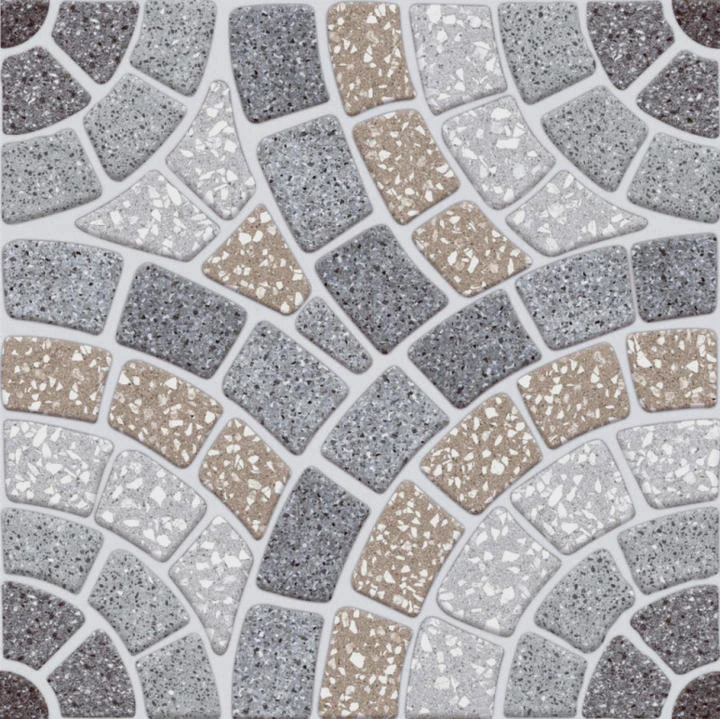
Different tools serve different stages of cleaning. There is no single tool for everything.
Essential tool list
- Plastic scraper
- Rubber float
- Nylon scrub pad
- Bucket and sponge
- Microfiber cloth
Advanced tools
For larger or tougher jobs:
- Oscillating tool (with caution)
- Grout removal tool
- Low-speed buffer
Tool selection guide
| Situation | Recommended Tool | Notes |
|---|---|---|
| Light haze | Sponge + cloth | No scraping needed |
| Medium residue | Plastic scraper | Safe and effective |
| Thick mortar chunks | Grout tool | Use carefully |
| Large surfaces | Nylon pad + buffer | Saves time |
Strategy matters more than tools
Many people buy expensive tools but still fail. The issue is not the tool. It is the method.
The best approach combines:
- Softening
- Gradual removal
- Surface protection
Workflow example
- Inspect the surface
- Soften mortar
- Use plastic scraper
- Clean residue
- Final polish
Practical experience
In large export projects, consistent tool use ensures stable results. When handling bulk tiles like 600×600 or 800×800, even small mistakes repeat across hundreds of pieces.
That is why professional teams focus on process, not just tools.
Conclusion
Cleaning mortar off tile is simple when the method is right. Use gentle steps, proper tools, and controlled cleaners. This keeps tiles safe and results consistent.