How to Clean Old Tile Floors?
- Sinotiles
- 2026-04-11

Old tile floors often look dull and dirty. Years of buildup hide their real beauty. Many people feel frustrated when regular cleaning no longer works.
Yes, old tile floors can be restored. Deep cleaning, proper products, and sealing can remove buildup, clean grout, and protect surfaces for long-term durability.
Many customers face this same issue before renovation. The good news is that most old tiles do not need replacement. With the right method, they can look almost new again.
What removes years of buildup from tile floors?
Old tile floors collect layers of grease, soap residue, and dirt. Regular mopping spreads it instead of removing it. This makes floors look permanently dirty.
Strong alkaline cleaners, steam cleaning, and mechanical scrubbing are the most effective ways to remove years of buildup from tile floors.
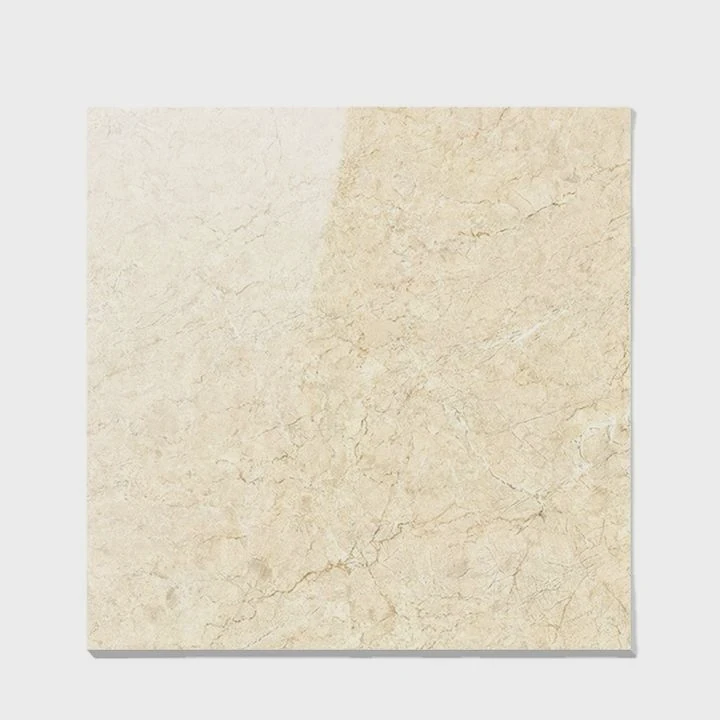
When dealing with heavy buildup, surface cleaning is not enough. A deeper process is required to break down compacted dirt layers.
Understanding buildup layers
Old tile floors usually have multiple layers of contamination:
- Grease from kitchens
- Soap scum from bathrooms
- Dirt trapped in micro-texture
- Old wax or polish residues
These layers bond over time. Simple cleaners cannot break them.
Effective cleaning methods
1. Alkaline cleaners
Alkaline cleaners work best on organic dirt like grease.
| Cleaner Type | Best For | Notes |
|---|---|---|
| Alkaline cleaner | Grease, oil | Strong but effective |
| Neutral cleaner | Light dirt | Daily maintenance |
| Acid cleaner | Mineral deposits | Use carefully |
These cleaners break down grease so it can be rinsed away.
2. Mechanical scrubbing
Manual mopping is weak for old floors. Instead:
- Use a rotary floor machine
- Use stiff brushes for textured tiles
- Focus on corners and edges
Mechanical force lifts dirt from pores.
3. Steam cleaning
Steam reaches deep into tile texture:
- Loosens hardened dirt
- Kills bacteria
- Reduces chemical use
This method is ideal for indoor spaces.
Common mistakes to avoid
- Using too much water, which spreads dirt
- Mixing wrong chemicals
- Skipping rinsing step
Each mistake reduces cleaning effectiveness.
Practical insight from projects
In many renovation projects, floors that looked “beyond saving” were restored in one day. The key was not replacing tiles, but removing buildup correctly.
How do you deep clean old grout lines?
Grout lines turn black over time. Dirt sinks deep into the porous surface. Normal cleaning cannot reach inside.
Deep cleaning grout requires targeted scrubbing, grout-safe cleaners, and sometimes steam or extraction methods to remove embedded dirt.
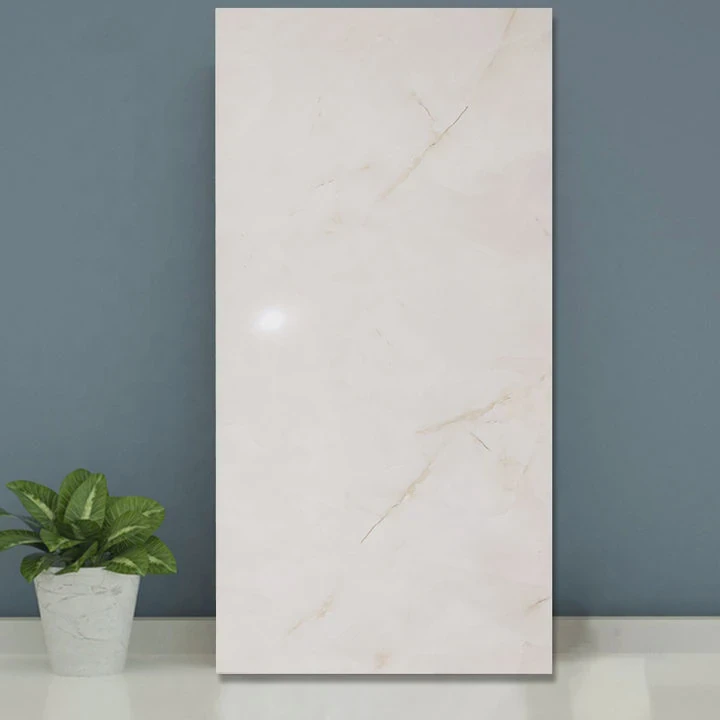
Grout is more sensitive than tile. It needs careful handling to avoid damage.
Why grout gets so dirty
Grout is porous. It absorbs:
- Water
- Oil
- Dust
- Mold
Over time, stains go deep below the surface.
Step-by-step grout cleaning
1. Apply grout cleaner
Use a cleaner designed for grout. Let it sit for 5–10 minutes.
2. Scrub properly
Use:
- Nylon brush (not metal)
- Circular motion
- Moderate pressure
Avoid aggressive tools that damage grout.
3. Use steam or extraction
Steam cleaning helps:
- Push dirt out of pores
- Sanitize grout
- Reduce chemical residue
Extraction removes dirty water completely.
When grout cannot be cleaned
Sometimes grout is too damaged. In this case:
- Recoloring is an option
- Regrouting may be needed
Grout cleaning comparison
| Method | Effectiveness | Risk Level |
|---|---|---|
| Manual scrubbing | Medium | Low |
| Steam cleaning | High | Low |
| Acid cleaning | High | Medium |
Real-world observation
In older homes, grout cleaning alone can change the whole room appearance. Many clients think tiles are replaced, but only grout was restored.
Which cleaners are safe for aged tiles?
Old tiles can be fragile. The wrong cleaner can damage glaze or surface finish. This is a common concern for many buyers.
Neutral pH cleaners and mild alkaline solutions are the safest options for aged tiles, while strong acids should be used carefully or avoided.
Choosing the right cleaner protects both appearance and durability.
Types of tile surfaces
Different tiles react differently:
- Glazed porcelain: resistant
- Polished tiles: sensitive to scratches
- Natural stone: very sensitive to acid
Understanding the surface is critical.
Cleaner safety guide
| Cleaner Type | Safe for Old Tiles | Notes |
|---|---|---|
| Neutral cleaner | Yes | Best for routine cleaning |
| Mild alkaline | Yes | Good for grease |
| Strong acid | Limited | Can damage surface |
| Bleach | Limited | May discolor grout |
Key safety rules
Avoid harsh acids
Acid can:
- Etch surfaces
- Remove shine
- Damage grout
Only use when necessary and diluted.
Test before use
Always test in a small hidden area.
Use proper dilution
Over-concentrated cleaner causes damage.
Choosing based on environment
- Kitchen: alkaline cleaner
- Bathroom: mild acid (for scale)
- Living space: neutral cleaner
Industry experience
Many floor damages come from incorrect chemical use, not wear. Using the right cleaner extends tile life significantly.
Can sealing help maintain restored tile surfaces?
After cleaning, many floors look new again. But without protection, dirt returns quickly. This is where sealing becomes important.
Yes, sealing protects tiles and grout by reducing absorption, preventing stains, and making future cleaning easier.
Sealing is often overlooked, but it plays a key role in long-term maintenance.
What sealing does
Sealers create a protective layer:
- Reduce water absorption
- Block stains
- Make cleaning easier
Grout benefits the most from sealing.
Types of sealers
1. Penetrating sealers
- Absorb into material
- Invisible finish
- Ideal for grout and matte tiles
2. Surface sealers
- Form a coating
- Add slight shine
- Require maintenance
Sealing comparison
| Sealer Type | Best For | Durability |
|---|---|---|
| Penetrating | Grout, porous tiles | High |
| Surface | Decorative finish | Medium |
When to apply sealer
- After deep cleaning
- After grout repair
- Before heavy use
Maintenance after sealing
- Use mild cleaners
- Avoid abrasive tools
- Reapply periodically
Practical project note
In commercial projects, sealing reduces maintenance cost significantly. It also keeps tiles looking new for longer periods.
Conclusion
Old tile floors can be restored with proper cleaning, safe products, and sealing. These steps remove buildup, renew grout, and protect surfaces, making floors durable and visually appealing again.