how to clean porcelain tile floors?
- Sinotiles
- 2026-03-23
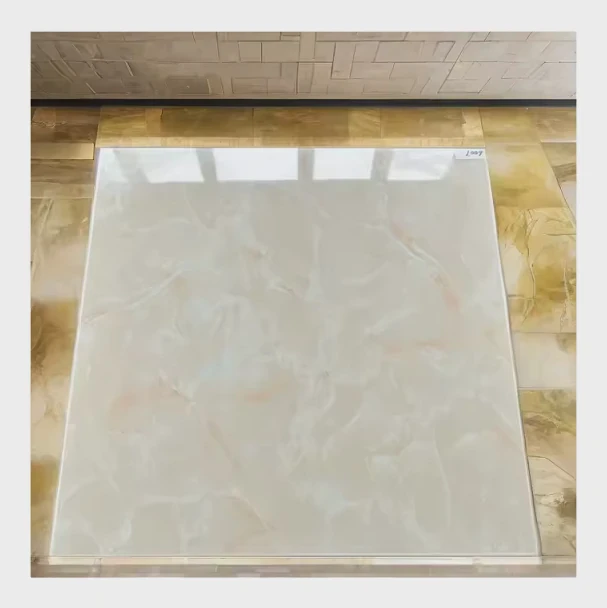
Many floors look dull or dirty after daily use. People worry about damage. The wrong method can ruin tile surfaces fast.
Porcelain tile floors are easy to clean with mild cleaners, proper tools, and simple routines. Regular care keeps them shiny, stain-free, and long-lasting without damage.
Clean floors improve both appearance and durability. Many buyers ask the same questions before choosing porcelain tiles. The answers below will help make better decisions.
What cleaners are safe for porcelain tile floors?
Many people use strong chemicals and damage their floors. This creates dull surfaces and long-term issues.
Safe cleaners for porcelain tiles include mild detergents, pH-neutral cleaners, and warm water. Avoid acidic or abrasive products that can harm the surface.
Porcelain tiles are strong, but the wrong cleaner still causes problems. Many users think all tiles are the same. That idea leads to mistakes. It is important to understand which products work and which do not.
Common Safe Cleaning Options
Most daily cleaning does not need special products. Simple solutions work well.
- Warm water and soft mop
- Mild dish soap diluted in water
- pH-neutral tile cleaner
- Gentle floor cleaning solutions
These options remove dust and light dirt without harming the glaze or surface finish.
Cleaners to Avoid
Some products look effective but can damage tiles over time.
| Cleaner Type | Why Avoid It |
|---|---|
| Bleach | Can discolor grout and surface |
| Ammonia | Leaves streaks and dull finish |
| Vinegar (acidic) | Damages protective layer |
| Abrasive powders | Scratch the tile surface |
Many customers once used vinegar thinking it was safe. After months, the tiles lost shine. This is a common issue in many markets.
How to Choose the Right Cleaner
A good cleaner should be simple and safe.
- Check if it is pH-neutral
- Avoid strong smells or harsh chemicals
- Test on a small area first
- Follow dilution instructions
For large commercial projects, choosing the right cleaner also reduces maintenance cost. Contractors often prefer simple cleaning systems because they save time and labor.
Porcelain tiles are low maintenance by design. But correct cleaning habits are still necessary. Using safe products ensures the surface remains smooth and bright for many years.
Why are porcelain tiles resistant to stains?
Many people worry about spills and stains. In kitchens or commercial areas, this becomes a serious concern.
Porcelain tiles resist stains because of their dense structure and very low water absorption rate, which prevents liquids from penetrating the surface.
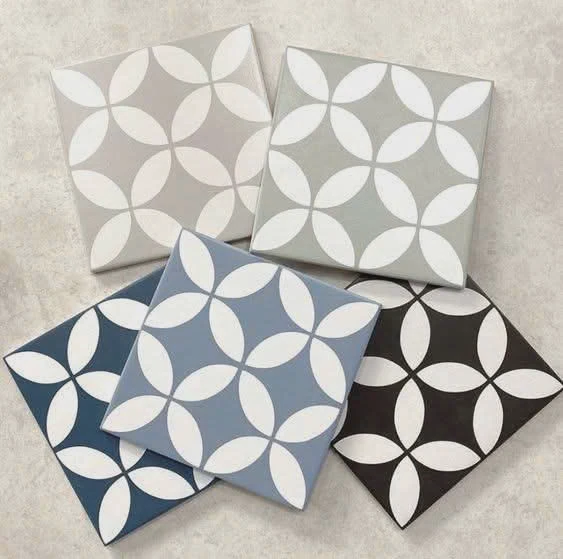
Porcelain tiles are made under high pressure and temperature. This process creates a very compact material. Compared to other materials, porcelain is much less porous.
Key Technical Properties
The main reason behind stain resistance is the tile structure.
| Property | Effect on Performance |
|---|---|
| Low porosity | Prevents liquid absorption |
| High density | Improves durability |
| Glazed surface | Adds protective layer |
| High firing temperature | Strengthens tile body |
These features make porcelain ideal for both residential and commercial spaces.
How Stains Are Prevented
Liquids like coffee, oil, or juice cannot easily enter the tile. Instead, they stay on the surface. This makes cleaning simple.
- Spills stay on top of the tile
- Dirt does not stick deeply
- Cleaning requires minimal effort
However, grout lines are different. They are more porous and can absorb stains if not protected.
Real-World Application
In many projects, especially hotels and shopping malls, porcelain tiles perform well under heavy use. Even after years, the surface still looks clean.
A client once shared that after installing porcelain tiles in a restaurant, cleaning time dropped by 30%. This shows how material choice affects long-term maintenance.
Limitations to Understand
Even though porcelain resists stains, it is not completely stain-proof.
- Long exposure to strong chemicals can damage surface
- Dirty grout can affect overall appearance
- Poor cleaning habits reduce performance
Understanding these limits helps users maintain tiles properly. Porcelain offers strong protection, but correct care still matters.
When should porcelain tile floors be sealed?
Some people think all tiles need sealing. Others skip it completely. Both ideas can cause confusion.
Most porcelain tiles do not need sealing due to their low porosity, but grout lines and some unglazed tiles should be sealed for protection.
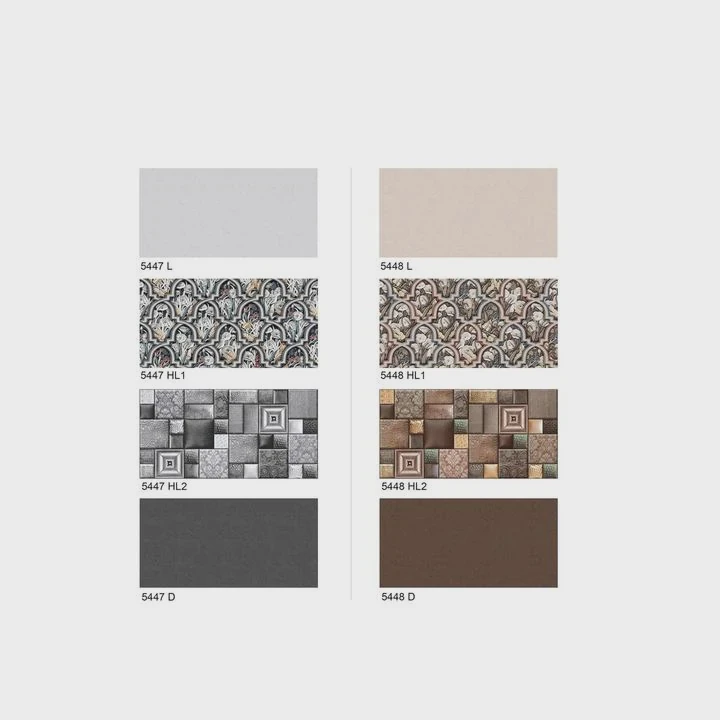
Sealing depends on the type of tile and installation conditions. Not all porcelain tiles are the same.
Glazed vs Unglazed Tiles
There are two main types of porcelain tiles.
Glazed porcelain tiles:
Already have a protective layer. No sealing needed.Unglazed porcelain tiles:
May need sealing to prevent stains and moisture penetration.
Why Grout Needs Sealing
Grout is the weakest part of the floor. It absorbs water and dirt easily.
- More porous than tile
- Prone to staining
- Harder to clean if untreated
Sealing grout helps extend its life and keeps the floor looking clean.
When to Apply Sealer
Timing is important.
- After installation and full drying
- Before heavy use begins
- Reapply every 1–2 years if needed
Benefits of Sealing
Sealing provides extra protection in certain cases.
| Area Type | Benefit of Sealing |
|---|---|
| Kitchen floors | Prevents oil stains |
| Bathrooms | Reduces moisture absorption |
| Commercial use | Improves durability |
Common Mistakes
Many users over-seal or use the wrong product.
- Applying sealer on glazed tiles (unnecessary)
- Using low-quality sealers
- Skipping grout sealing
A balanced approach works best. Understanding where sealing is needed helps reduce cost and avoid waste.
Which tools help maintain porcelain tile shine?
Some floors lose shine not because of the tile, but because of poor maintenance tools.
Soft mops, microfiber cloths, and non-abrasive cleaning tools help maintain porcelain tile shine without scratching the surface.
Using the right tools is just as important as choosing the right cleaner. Many problems come from rough or incorrect equipment.
Essential Cleaning Tools
These tools are safe and effective.
- Microfiber mop
- Soft sponge
- Soft-bristle brush
- Dry cloth for polishing
They remove dirt while protecting the tile surface.
Tools to Avoid
Some tools can damage tiles quickly.
| Tool Type | Problem Caused |
|---|---|
| Steel wool | Scratches surface |
| Hard brushes | Damages finish |
| Dirty mop | Spreads dirt instead of cleaning |
| Vacuum with rough wheels | Leaves marks |
Proper Cleaning Process
Using tools correctly improves results.
- Sweep or vacuum loose dirt
- Mop with mild cleaner
- Rinse with clean water
- Dry with soft cloth
This process keeps tiles clean and shiny without extra effort.
Maintenance Tips for Long-Term Shine
Consistency matters more than effort.
- Clean regularly, not occasionally
- Avoid dirt buildup
- Use clean water when mopping
- Replace worn tools
In large projects, maintenance teams follow simple routines. This reduces cost and keeps floors in good condition.
A well-maintained porcelain tile floor can last many years without losing its visual appeal. The right tools make this process easy and efficient.
Conclusion
Porcelain tile floors stay clean and durable with simple care. Using safe cleaners, proper tools, and correct sealing methods ensures long-lasting performance and a consistent, polished appearance.