How to Combine Tile and Wood Flooring?
- Sinotiles
- 2026-04-08
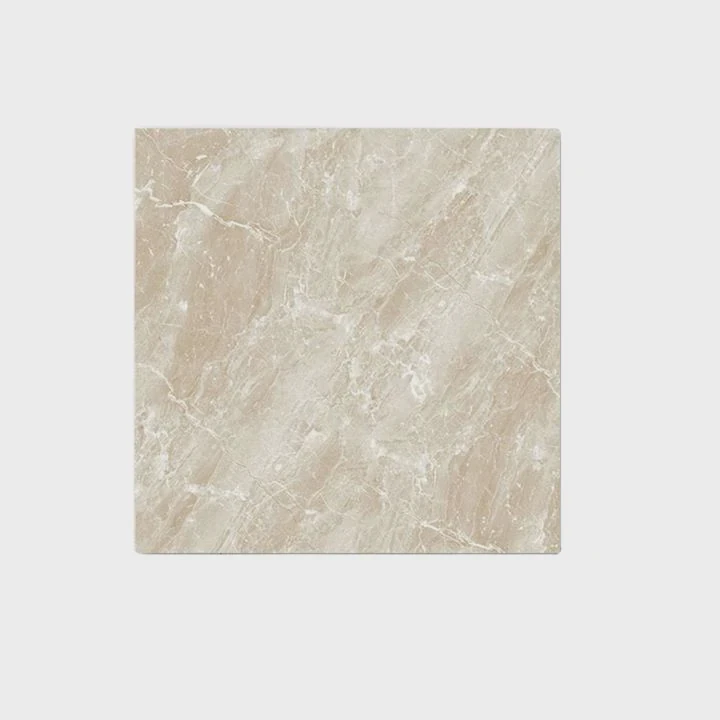
Mixing tile and wood flooring can look amazing. But many people worry about uneven edges, poor transitions, or mismatched styles that ruin the whole space.
Combining tile and wood flooring requires proper transition methods, height control, smart design choices, and the right trim pieces to create a smooth and visually balanced result.
A good combination is not just about placing two materials together. It is about making them feel connected. With the right approach, the result looks natural and high-end.
What transition methods join tile and wood floors?
Many installations fail at the transition point. Gaps, cracks, or awkward joints can make the whole floor look unfinished.
Tile and wood floors can be joined using transition strips, T-molding, reducer strips, flush transitions, or creative pattern transitions depending on design and height conditions.

The transition is where two materials meet. This area must be both functional and visually clean.
Common transition methods
1. T-molding transition
This is one of the most common solutions.
- Used when both floors are at the same height
- Covers the gap between tile and wood
- Allows slight movement for wood expansion
2. Reducer strip
Used when there is a height difference.
- Creates a smooth slope
- Prevents tripping hazards
- Often used between tile and engineered wood
3. Flush transition
This method creates a seamless look.
- Both materials meet at the same level
- No visible strip
- Requires precise planning and installation
4. Metal transition profiles
Modern and durable option.
- Aluminum or stainless steel
- Clean and minimal look
- Good for commercial spaces
5. Pattern transition
Instead of a straight line, tiles and wood interlock.
- Creates a design feature
- Requires skilled cutting
- Popular in modern interiors
Transition method comparison
| Method | Best For | Visual Effect |
|---|---|---|
| T-molding | Equal height floors | Clean and simple |
| Reducer strip | Different heights | Smooth slope |
| Flush transition | High-end design | Seamless |
| Metal profile | Modern spaces | Sharp and minimal |
| Pattern join | Feature areas | Decorative |
Key considerations
- Movement: Wood expands and contracts
- Durability: Transition must handle foot traffic
- Safety: Avoid sharp edges or gaps
A well-chosen transition method improves both function and appearance.
How do you manage height differences between floors?
Height difference is one of the biggest challenges when combining tile and wood. If not handled well, it creates safety and visual issues.
Height differences between tile and wood floors are managed by adjusting subfloor levels, using underlayment, selecting proper adhesive thickness, or installing reducer transitions.
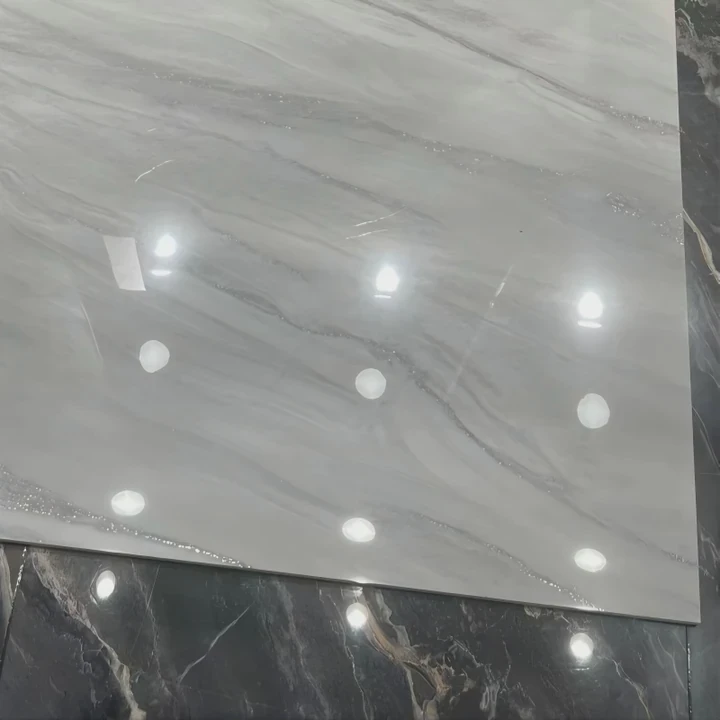
The goal is simple: create a smooth and safe connection between two surfaces.
Why height differences happen
Different materials have different thicknesses.
- Tile + adhesive layer
- Wood plank thickness
- Underlayment materials
These layers add up and create uneven levels.
Methods to solve height differences
1. Adjust the subfloor
This is the best long-term solution.
- Raise the lower side
- Use self-leveling compound
- Plan before installation
2. Use underlayment
Underlayment can increase height.
- Common under wood flooring
- Helps with sound and moisture
- Balances level with tile side
3. Control adhesive thickness
Tile adhesive thickness can be adjusted.
- Use proper trowel size
- Avoid excessive thickness
- Maintain consistency
4. Choose matching material thickness
Plan materials before purchase.
- Select tile and wood with similar thickness
- Reduces need for extra adjustments
Height management options
| Method | Advantage | Limitation |
|---|---|---|
| Subfloor adjustment | Best long-term result | More labor required |
| Underlayment | Easy to apply | Limited thickness control |
| Adhesive control | Fine adjustment | Needs experience |
| Reducer strip | Quick solution | Visible transition |
Practical tips
- Always measure total thickness before installation
- Include adhesive and underlayment in calculation
- Test a small section before full installation
Common mistakes
- Ignoring height difference until late stage
- Using thick adhesive to fix large gaps
- Skipping transition solutions
Proper planning avoids rework and ensures a professional finish.
Which designs blend tile with wood seamlessly?
A poor design can make tile and wood look disconnected. A good design makes them feel like one continuous surface.
Tile and wood can be blended seamlessly using coordinated colors, geometric transitions, mixed patterns, and zoning techniques that create visual harmony.
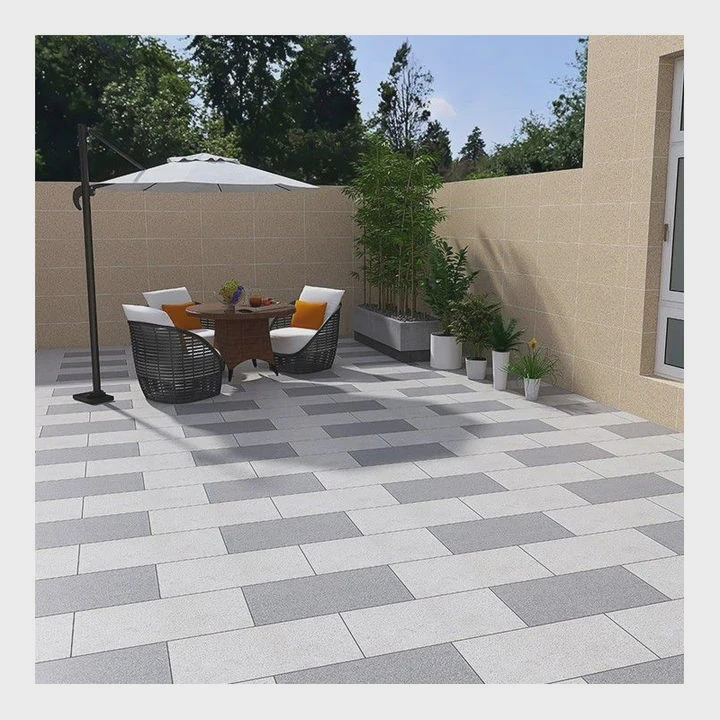
Design is where creativity meets function. The right approach transforms the floor into a feature.
Popular design approaches
1. Straight line division
Simple and clean.
- Tile in wet areas
- Wood in dry areas
- Clear boundary line
2. Hexagon tile transition
Very popular in modern design.
- Tile edges cut into hexagon shapes
- Wood connects organically
- Creates a flowing effect
3. Herringbone mix
Combines patterns creatively.
- Wood in herringbone layout
- Tile in matching tones
- Adds texture and movement
4. Wood-look tiles
This creates visual consistency.
- Tile mimics wood texture
- Used in wet areas
- Matches real wood flooring
Design comparison
| Design Style | Visual Impact | Difficulty Level |
|---|---|---|
| Straight line | Clean and simple | Easy |
| Hexagon transition | Creative and modern | Medium |
| Herringbone mix | Elegant and dynamic | High |
| Wood-look tile | Uniform appearance | Easy to medium |
Color coordination
Color plays a key role.
- Match tones (warm with warm, cool with cool)
- Avoid strong contrast unless intentional
- Use grout color to blend or highlight
Space zoning
Different materials define areas.
- Kitchen → tile
- Living room → wood
- Entryway → tile
This improves both function and design.
Common design mistakes
- Mixing clashing colors
- Using too many patterns
- Ignoring lighting conditions
A balanced design creates a natural flow between materials.
Can trim pieces improve floor transitions?
Transitions without proper finishing often look rough. Trim pieces solve this problem and improve durability.
Yes, trim pieces improve floor transitions by covering gaps, protecting edges, and creating a clean and professional finish between tile and wood.
Trim pieces are small details, but they make a big difference in the final result.
Types of trim pieces
1. Edge trim
- Protects tile edges
- Prevents chipping
- Often made of metal or PVC
2. Transition strips
- Covers joints between materials
- Available in wood, metal, or laminate
- Matches floor design
3. End caps
- Used where flooring ends
- Creates a clean stop point
- Common near doors
4. Thresholds
- Used in doorways
- Bridges two different floors
- Often made of stone or wood
Trim function comparison
| Trim Type | Function | Best Use Area |
|---|---|---|
| Edge trim | Protect tile edges | Tile borders |
| Transition strip | Cover material joint | Tile to wood connection |
| End cap | Finish exposed edge | Floor endings |
| Threshold | Bridge doorway gap | Between rooms |
Benefits of using trim
- Improves safety
- Enhances appearance
- Extends floor lifespan
- Reduces maintenance
Material choices
- Aluminum → modern look
- Stainless steel → durable
- Wood → natural match
- PVC → cost-effective
Installation tips
- Match trim color with flooring
- Install during tile placement
- Ensure tight fit
Common mistakes
- Skipping trim for cost saving
- Using mismatched colors
- Poor alignment
Trim pieces bring everything together. They are the finishing touch that completes the project.
Conclusion
Combining tile and wood flooring requires planning, precision, and design balance. With the right transitions, height control, and finishing details, both materials can work together to create a seamless and durable space.