How to Cut Ceramic Tile by Hand?
- Sinotiles
- 2026-04-07
Cutting ceramic tile by hand often feels difficult. Many people worry about cracks, uneven edges, and wasted material.
You can cut ceramic tile by hand using simple tools like a manual tile cutter or glass cutter, combined with proper scoring and snapping techniques.
This process looks simple, but small details make a big difference. Understanding the basics helps avoid costly mistakes.
What tools are needed for manual tile cutting?
Many beginners start without the right tools. This often leads to broken tiles and poor results.
The essential tools for manual tile cutting include a tile cutter, scoring tool, straight edge, and safety gear. Each tool plays a specific role in accuracy and safety.

Choosing the right tools depends on tile size, thickness, and project scale. Simple tools can handle most standard ceramic tiles.
Basic tools for hand cutting
| Tool Name | Function | Recommended Use |
|---|---|---|
| Manual Tile Cutter | Scores and snaps tiles | Straight cuts on floor tiles |
| Glass Cutter | Creates score lines | Small or thin tiles |
| Tile Nippers | Trims small or irregular edges | Curved or detailed cuts |
| Straight Edge | Guides scoring line | Ensures accuracy |
| Pencil/Marker | Marks cutting line | Layout preparation |
Optional but useful tools
Some tools improve efficiency and precision:
- Measuring tape for accurate layout
- Sanding stone for smoothing edges
- Clamps for stability
Safety equipment
Safety is often overlooked. However, sharp edges and flying fragments can cause injury.
- Safety glasses protect eyes
- Gloves prevent cuts
- Dust mask helps in enclosed spaces
Tool selection tips
Different projects require different setups:
- Large tiles need a strong manual cutter
- Thin wall tiles can use a glass cutter
- Complex shapes need tile nippers
Practical experience
In many projects, using a high-quality manual cutter reduces waste significantly. Cheap tools often cause uneven pressure, which leads to cracks.
A reliable tool setup improves both speed and final finish. It also reduces material loss in large orders.
How do you score ceramic tile accurately?
Poor scoring leads to rough edges and broken tiles. This is one of the most common problems.
To score ceramic tile accurately, use steady pressure, follow a straight guide, and score only once along the marked line.
Scoring is the most critical step. A clean score line determines how well the tile will snap.
Step-by-step scoring process
1. Mark the cutting line clearly
Use a pencil or marker. Ensure the line is visible and straight.
2. Align the straight edge
Place a ruler or guide along the marked line. This keeps the scoring tool steady.
3. Apply consistent pressure
Press firmly but not too hard. The goal is to create a visible score line, not to cut through the tile.
4. Score only once
Multiple passes weaken the tile and cause uneven breaks.
Key factors for accuracy
| Factor | Impact on Result |
|---|---|
| Pressure consistency | Clean break line |
| Tool sharpness | Smooth scoring |
| Line visibility | Better alignment |
| Surface stability | Prevents shifting |
Common mistakes
- Scoring too lightly leads to incomplete breaks
- Pressing too hard causes chipping
- Re-scoring damages the glaze
Tips for better scoring
- Practice on spare tiles
- Keep tools clean and sharp
- Work on a flat surface
Real-world insight
Experienced installers treat scoring like drawing a straight line with intent. It requires focus and control, not force.
A well-scored tile almost “guides” the break naturally. This reduces the need for corrections later.
Which techniques prevent tile cracking?
Cracking wastes material and increases costs. It is especially frustrating in large projects.
To prevent tile cracking, ensure proper scoring, apply even pressure when snapping, and support the tile correctly during cutting.
Cracking often happens due to uneven force or poor preparation. Small adjustments can prevent most issues.
Proper snapping technique
After scoring, snapping must be controlled.
Steps to snap correctly:
- Place the tile on the cutter
- Align the scoring line with the breaker
- Apply steady downward pressure
- Snap in one quick motion
Supporting the tile
Lack of support leads to stress points. These cause cracks away from the score line.
- Use a flat surface
- Keep both sides supported
- Avoid cutting on uneven ground
Handling different tile types
| Tile Type | Risk Level | Recommended Approach |
|---|---|---|
| Thin ceramic | Low | Light pressure |
| Thick ceramic | Medium | Strong cutter required |
| Large format | High | Extra support and precision |
Edge finishing techniques
After cutting, edges may be rough.
- Use a sanding stone
- Smooth edges gently
- Avoid over-sanding
Common causes of cracking
- Uneven pressure
- Poor scoring line
- Low-quality cutter
- Rushing the process
Practical experience
In large construction jobs, workers often test a few tiles before full cutting begins. This helps adjust pressure and technique.
This small step saves time and reduces waste. It also ensures consistency across hundreds of tiles.
Can handheld cutters replace power tools?
Many buyers ask if manual tools are enough. The answer depends on the project scope.
Handheld cutters can replace power tools for straight cuts on standard ceramic tiles, but they are limited for thick, large, or complex cuts.
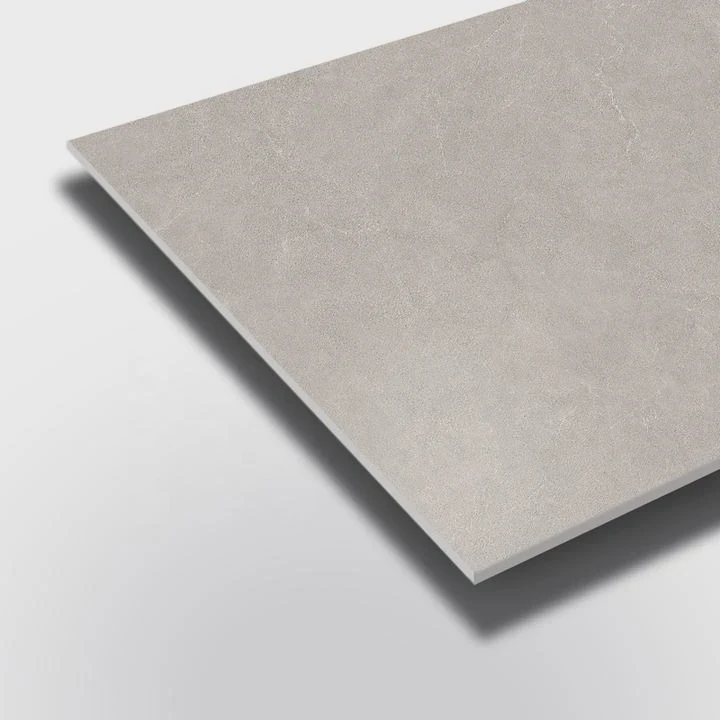
Manual tools are simple and cost-effective. However, they have limitations.
Advantages of handheld cutters
- No electricity required
- Easy to carry
- Low cost
- Quick setup
Limitations
- Not suitable for very thick tiles
- Cannot handle curved cuts easily
- Limited precision for complex designs
Comparison with power tools
| Feature | Hand Tools | Power Tools |
|---|---|---|
| Cost | Low | High |
| Portability | High | Medium |
| Cutting Precision | Medium | High |
| Cutting Complexity | Low | High |
When to choose manual tools
Manual cutting works best for:
- Small to medium projects
- Straight cuts
- Standard ceramic tiles
When power tools are needed
Power tools are better for:
- Large format tiles
- Stone or porcelain materials
- Curved or detailed cuts
Balanced approach
Many professionals use both methods. Manual cutters handle most straight cuts. Power tools handle special cases.
This combination improves efficiency and reduces costs.
Final insight
Hand tools are not outdated. They remain essential in many projects. The key is knowing when to use them and when to switch to power tools.
Conclusion
Cutting ceramic tile by hand is simple with the right tools and techniques. Accurate scoring, proper pressure, and good timing prevent damage. Manual tools work well for most tasks, but understanding their limits ensures better results and efficiency.