How to get rid of hard water stains on tile?
- Sinotiles
- 2026-04-07
Hard water stains make tiles look dull and dirty. Many people scrub again and again but see little change. This creates frustration and wastes time.
Hard water stains can be removed using acidic cleaners, proper tools, and consistent cleaning habits. The key is to dissolve mineral buildup safely without damaging the tile surface.
The process is not hard, but it must be done the right way. Once the method is clear, cleaning becomes faster and results become consistent.
What removes hard water stains effectively?
Hard water stains are stubborn. Regular cleaners often fail because they cannot break down mineral deposits. This leads to repeated cleaning with no real result.
Acid-based cleaners like vinegar, citric acid, or commercial descalers work best because they dissolve calcium and mineral buildup quickly and effectively.
Hard water stains are mostly calcium and magnesium. These minerals bond tightly to tile surfaces. That is why normal soap does not work.
Why acidic solutions work
Acids react with mineral deposits. This reaction breaks the bond between the stain and the tile.
Common effective options include:
- White vinegar
- Lemon juice
- Citric acid powder
- Commercial limescale removers
These solutions soften stains so they can be wiped away easily.
Natural vs commercial cleaners
Both options work, but they serve different needs:
| Cleaner Type | Pros | Cons |
|---|---|---|
| Vinegar | Cheap, natural, easy to find | Strong smell |
| Lemon juice | Mild, pleasant smell | Less powerful |
| Citric acid | Strong and effective | Needs mixing |
| Commercial cleaner | Fast results | Higher cost |
For light stains, natural options are enough. For heavy buildup, commercial cleaners save time.
Best method for application
Follow this simple method:
- Spray or apply the cleaner
- Let it sit for 5-10 minutes
- Scrub gently
- Rinse with clean water
- Dry with cloth
Letting the solution sit is important. It gives time for the acid to break down minerals.
When stains are very thick
Some stains build up over years. In this case:
- Repeat the process multiple times
- Use stronger solutions like citric acid paste
- Combine with gentle scrubbing tools
Patience is key here. One cleaning is often not enough.
Avoid common mistakes
Many people:
- Scrub too early
- Do not let cleaner sit
- Use only water
These mistakes reduce effectiveness.
How do you prevent mineral buildup on tiles?
Cleaning stains is one thing. Preventing them is another. Many people clean tiles but see stains come back quickly.
To prevent mineral buildup, you need regular drying, proper ventilation, and routine cleaning before minerals have time to harden.
Prevention saves time and effort. It reduces the need for deep cleaning.
Why buildup happens
Hard water contains minerals. When water dries, minerals stay behind.
This happens more in:
- Showers
- Bathroom walls
- Around faucets
Over time, layers build up and become visible stains.
Daily habits that help
Small habits make a big difference:
- Wipe tiles after shower
- Use a squeegee
- Keep bathroom ventilated
- Fix leaks quickly
These steps stop water from sitting too long.
Weekly maintenance routine
A simple routine keeps tiles clean:
| Task | Frequency | Benefit |
|---|---|---|
| Light wipe with vinegar | Once a week | Prevent buildup |
| Dry tiles | Daily | Stop mineral deposits |
| Clean grout lines | Weekly | Avoid deep stains |
Consistency is more important than effort.
Use protective coatings
Some products create a protective layer on tiles.
Benefits include:
- Water repels easily
- Less mineral sticking
- Easier cleaning
These coatings are useful in high-use bathrooms.
Improve water quality
If hard water is severe, consider:
- Installing a water softener
- Using filtered water in some areas
This reduces mineral content at the source.
Focus on high-risk areas
Pay extra attention to:
- Shower walls
- Glass tiles
- Corners and edges
These areas collect water more easily.
Are acidic cleaners safe for tile surfaces?
Many people worry about using acid on tiles. They fear damage or discoloration.
Acidic cleaners are safe for most ceramic and porcelain tiles, but they can damage natural stone surfaces like marble or limestone if used incorrectly.
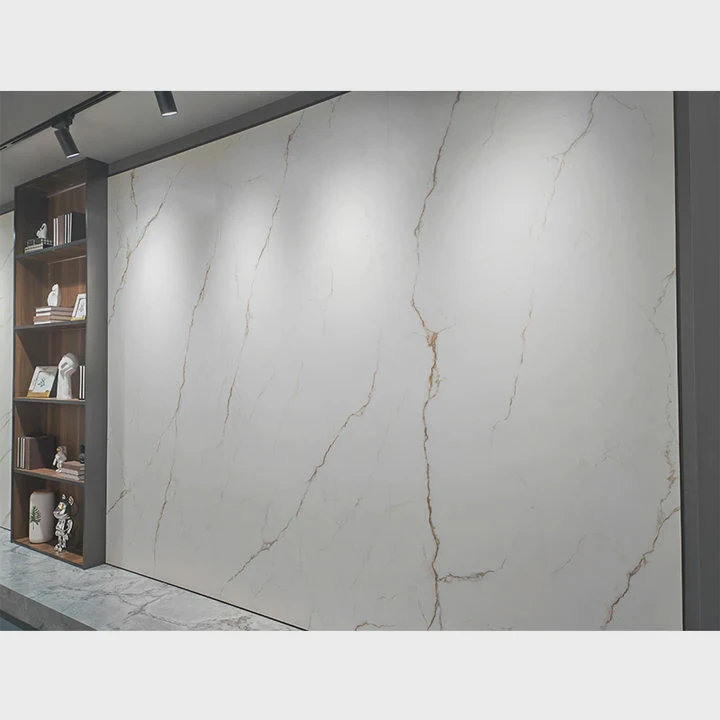
Understanding tile material is very important.
Safe tile types
Acidic cleaners are generally safe for:
- Ceramic tiles
- Porcelain tiles
- Glazed tiles
These surfaces are resistant to acid.
Tiles that need caution
Avoid strong acids on:
- Marble
- Travertine
- Limestone
These materials react with acid and can:
- Lose shine
- Develop rough texture
- Become permanently damaged
Always test first
Before full cleaning:
- Apply cleaner to a small hidden area
- Wait a few minutes
- Check for changes
This step prevents costly mistakes.
Dilution matters
Strong solutions can be risky.
Best practice:
- Dilute vinegar with water (1:1)
- Follow instructions for commercial cleaners
Controlled strength protects surfaces.
Limit exposure time
Do not leave acid on tiles too long.
Safe timing:
- 5 to 10 minutes maximum
Long exposure increases risk.
Rinse thoroughly
After cleaning:
- Rinse with clean water
- Dry the surface
This removes any remaining acid.
Common safety mistakes
Avoid these errors:
- Using acid on natural stone
- Leaving cleaner overnight
- Mixing different chemicals
These mistakes can damage tiles or create hazards.
Which tools help scrub tough stains faster?
Using the wrong tools makes cleaning slow and ineffective. Many people either scrub too hard or use tools that scratch tiles.
The best tools for scrubbing hard water stains include non-abrasive pads, soft brushes, electric scrubbers, and microfiber cloths for safe and efficient cleaning.
The right tool improves both speed and results.
Manual tools for control
Basic tools include:
- Soft-bristle brush
- Non-scratch scrub pad
- Microfiber cloth
These tools are safe for most tiles and give good control.
Power tools for faster work
For large areas or heavy stains:
- Electric spin scrubbers
- Drill brush attachments
These tools reduce effort and save time.
Tool comparison
| Tool | Best For | Caution |
|---|---|---|
| Soft brush | Light stains | Takes more time |
| Scrub pad | Medium stains | Use non-abrasive only |
| Electric scrubber | Large areas | Avoid too much pressure |
| Microfiber cloth | Finishing | Not for heavy stains |
Choosing the right tool depends on stain level.
Technique matters more than force
Many people press too hard. This can:
- Scratch tiles
- Damage grout
Better method:
- Use light pressure
- Let cleaner do the work
- Repeat if needed
Combine tools for best results
A good approach:
- Apply cleaner
- Use brush for corners
- Use pad for flat areas
- Finish with microfiber cloth
This method ensures even cleaning.
Replace worn tools
Old tools lose effectiveness.
Check for:
- Flattened bristles
- Rough surfaces
- Dirt buildup
Replace them when needed.
Avoid harmful tools
Do not use:
- Steel wool
- Metal brushes
- Sharp scrapers
These can damage tile surfaces permanently.
Conclusion
Hard water stains can be removed and prevented with the right cleaners, tools, and habits. Focus on consistent maintenance, safe cleaning methods, and proper materials to keep tiles clean, smooth, and long-lasting.