How to Cut Holes in Tile?
- Sinotiles
- 2026-04-21
Cutting holes in tile often feels risky. One wrong move can crack the surface and waste materials. Many buyers and installers face this issue during projects.
The best way to cut holes in tile is to use the right drill, proper bits, steady pressure, and cooling methods to avoid cracks and achieve clean results.
Once the basics are clear, the process becomes much easier. The key lies in choosing the right tools, techniques, and understanding how different tiles behave.
What tools are best for drilling holes in tile?
Many people start drilling tile with the wrong tools. This leads to broken tiles, uneven holes, and wasted time.
The best tools for drilling tile include a variable-speed drill, diamond hole saws, carbide-tipped bits, and proper support tools to ensure stability and precision.
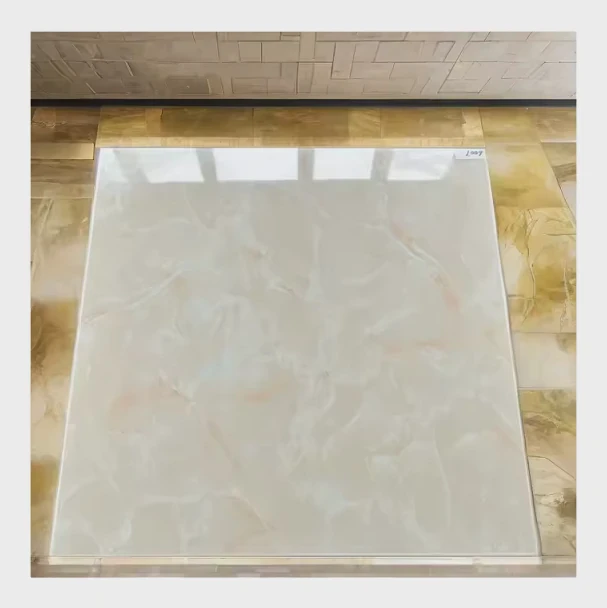
Choosing tools is the first step. It sets the base for the whole job. Not all tools work the same for tile. Some are too aggressive. Others are too weak.
Essential Tools Overview
Here is a simple breakdown:
| Tool Type | Purpose | Recommended Use Case |
|---|---|---|
| Variable-speed drill | Controls drilling speed | All tile drilling |
| Diamond hole saw | Cuts clean circular holes | Porcelain & hard tiles |
| Carbide drill bit | Basic hole drilling | Ceramic tiles |
| Angle grinder | Enlarging or shaping holes | Irregular cuts |
Why Speed Control Matters
A high-speed drill may seem faster. But it creates heat and stress. This leads to cracks. A variable-speed drill allows slow starts. It gives better control.
Importance of Stability
Tile surfaces are smooth. Drill bits can slip. This causes scratches or wrong hole placement.
To solve this:
- Use masking tape on the surface
- Mark the drilling point clearly
- Start drilling at a slight angle
Supporting Tools That Help
Some small tools make a big difference:
- Drill guides keep the bit steady
- Clamps hold tiles in place
- Backing boards reduce vibration
Real Project Insight
In one project, switching from a standard drill bit to a diamond hole saw reduced breakage by more than half. The improvement was immediate. Clean edges and faster work made the difference.
Key Takeaway
Using the right tool is not optional. It directly affects:
Tile integrity
Hole accuracy
Work efficiency
How do you prevent cracking during hole cutting?
Cracking is the most common problem when drilling tiles. It wastes material and increases cost.
To prevent cracking, use low speed, steady pressure, proper support, and cooling methods while avoiding sudden force or overheating.
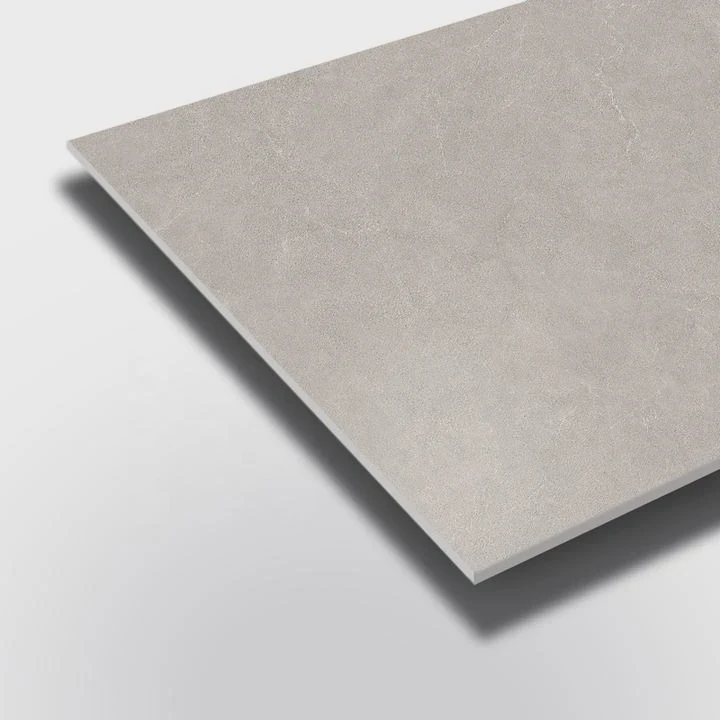
Cracking happens due to stress. Tile is strong but brittle. It cannot absorb sudden pressure.
Main Causes of Cracking
| Cause | Explanation |
|---|---|
| High speed | Generates heat and vibration |
| Excess pressure | Creates stress fractures |
| No support | Tile flexes and breaks |
| Dry drilling | Heat builds up quickly |
Correct Drilling Technique
A simple method helps reduce risk:
- Start slow
- Apply light pressure
- Keep the drill straight
- Let the bit do the work
The Role of Back Support
Always place a board under the tile. This supports the tile when the bit exits. Without support, the backside chips easily.
Temperature Control
Heat is a hidden problem. Many installers ignore it. But heat weakens the tile structure.
Ways to control heat:
- Use water cooling
- Drill in short intervals
- Avoid continuous pressure
Positioning Matters
Drilling too close to edges increases crack risk. Keep at least:
- 15–20 mm distance from edges
Practical Experience
In one batch installation, moving the hole position slightly away from the edge reduced breakage significantly. Small adjustments can make a big difference.
Key Takeaway
Cracking is not random. It is caused by:
- Wrong speed
- Poor technique
- Lack of cooling
Fix these, and results improve fast.
Which drill bits suit ceramic and porcelain tiles?
Not all tiles are the same. Ceramic is softer. Porcelain is much harder and denser.
Carbide-tipped bits work best for ceramic tiles, while diamond drill bits are ideal for porcelain due to their hardness and durability.
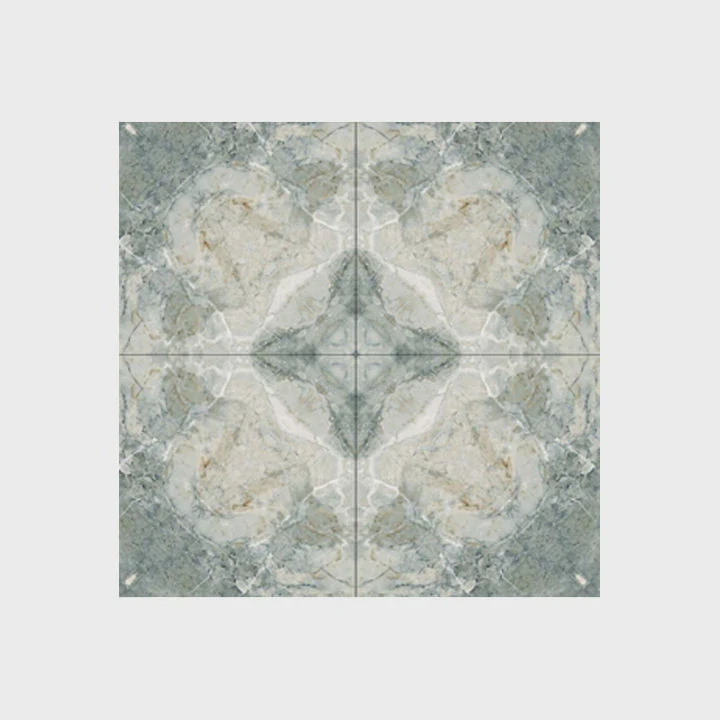
Understanding tile type helps in choosing the correct bit.
Comparison of Drill Bits
| Drill Bit Type | Best For | Durability | Cost Level |
|---|---|---|---|
| Carbide-tipped bit | Ceramic tiles | Medium | Low |
| Diamond hole saw | Porcelain tiles | High | Medium-High |
| Spear-point bit | Light drilling | Low | Low |
Ceramic Tile Drilling
Ceramic tiles are easier to drill. Carbide bits can handle them well.
Advantages:
- Lower cost
- Easy to find
- Good for basic jobs
But they wear out faster.
Porcelain Tile Drilling
Porcelain is dense and hard. It requires diamond tools.
Why diamond bits work:
- High hardness
- Better heat resistance
- Cleaner cuts
Bit Lifespan Matters
Using the wrong bit increases cost over time. A cheap bit may seem good, but it wears quickly.
Signs of a Worn Bit
- Slower drilling
- More heat
- Rough hole edges
Replace bits when these signs appear.
Matching Bit Size to Job
Always match the bit size to the pipe or fitting. Avoid forcing a larger hole later. This increases break risk.
Practical Insight
In export orders, many clients switch to diamond bits for porcelain projects. It improves efficiency and reduces tile waste.
Key Takeaway
Choosing the right bit depends on:
Tile material
Hole size
Project scale
Can water cooling improve cutting results?
Many people skip water cooling. They think it slows down the process. In reality, it improves results.
Water cooling reduces heat, extends tool life, prevents cracks, and creates smoother, cleaner holes in both ceramic and porcelain tiles.
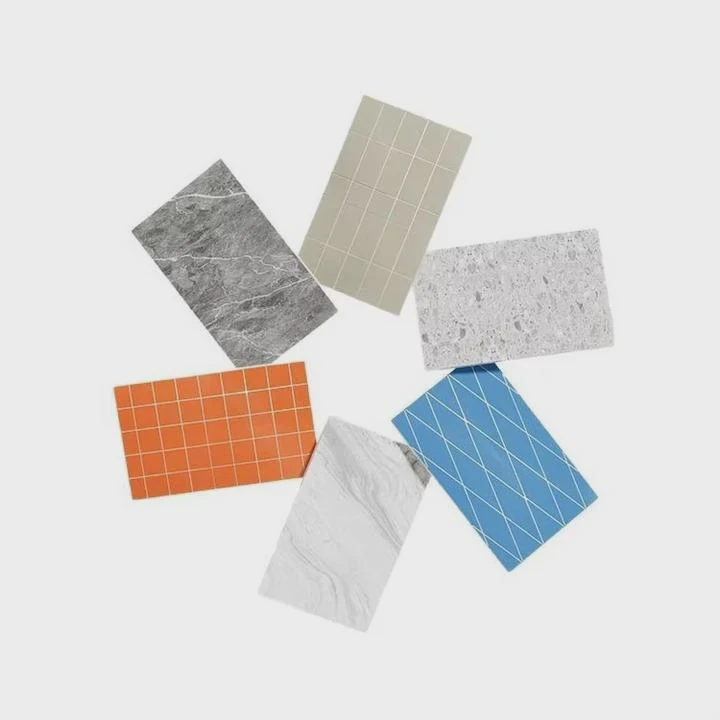
Heat is the main enemy during drilling. Water acts as a simple but powerful solution.
Benefits of Water Cooling
| Benefit | Impact |
|---|---|
| Reduces heat | Prevents cracks |
| Extends tool life | Saves cost |
| Improves precision | Cleaner hole edges |
| Reduces dust | Safer working environment |
How to Apply Water Cooling
There are simple methods:
- Use a spray bottle
- Drip water continuously
- Use a wet sponge
Even small amounts of water help.
Wet vs Dry Drilling
| Method | Pros | Cons |
|---|---|---|
| Dry drilling | Faster setup | High heat, more cracks |
| Wet drilling | Better quality results | Slightly slower |
When Water Cooling is Essential
Water is especially important for:
- Porcelain tiles
- Large hole cutting
- Long drilling sessions
Tool Performance Improvement
Diamond bits perform much better with water. Without it, they overheat and lose efficiency.
Safety Considerations
Water also reduces dust. Tile dust can be harmful. Using water improves safety on site.
Real Application Insight
In large commercial projects, switching to wet drilling reduced tool replacement frequency and improved consistency across batches.
Key Takeaway
Water cooling is not optional for professional results. It:
Protects tiles
Extends tool life
Improves finish quality
Conclusion
Cutting holes in tile becomes simple with the right tools, proper bits, careful technique, and water cooling. Each step reduces risk and improves results, making the process efficient and reliable.