How to Deep Clean Tile?
- Sinotiles
- 2026-05-14

Opening your home to sparkling tiles can feel impossible. Deep stains and dirt hide in corners, making surfaces look dull.
Deep cleaning tiles requires targeted solutions, proper tools, and consistent methods to lift grime from both the surface and grout.
Keeping tiles clean is not just about appearance. Proper cleaning extends their life and prevents bacteria buildup. Let’s explore effective ways to clean tiles deeply.
What solutions remove deep stains from tiles?
Stains on tiles can be stubborn. Ordinary cleaning sometimes fails to remove oil, rust, or mold stains. Many homeowners get frustrated after scrubbing for hours.
Specialized cleaning solutions, including acidic or enzymatic cleaners, can lift deep stains without damaging the tile surface.

Tiles are made from ceramic, porcelain, or natural stone, each needing different cleaners. Acid-based cleaners work well for mineral deposits, like rust or hard water stains. For organic stains, like coffee or food spills, enzymatic or oxygen-based cleaners break down the stain molecules.
How to choose the right cleaner
| Tile Type | Recommended Cleaner | Caution |
|---|---|---|
| Ceramic/Porcelain | Oxygen bleach solution | Avoid strong acids; can dull glaze |
| Natural stone | pH-neutral cleaner | Acid can etch stone surfaces |
| Glossy tiles | Mild detergent + warm water | Avoid abrasive scrubbing pads |
You should test any cleaner in a small, hidden area first. Let it sit for the recommended time, usually 5-10 minutes. This ensures no surface damage occurs.
Application tips
- Apply the cleaner evenly on the stain.
- Use a soft microfiber cloth or sponge for initial scrubbing.
- For stubborn spots, a small brush helps reach textured areas.
- Rinse thoroughly to remove any residue.
Natural solutions, like baking soda paste or vinegar mixtures, also help. Baking soda acts as a mild abrasive, while vinegar dissolves mineral deposits. However, avoid vinegar on marble or limestone as it can damage them.
Using the correct solution is the first step to restoring your tiles’ original shine. Without it, deep stains can remain embedded and look worse over time.
How can grout lines be cleaned thoroughly?
Grout is porous and traps dirt, making tiles appear dirty even when the surface looks clean. Ignoring grout leads to mold and discoloration.
A combination of chemical cleaners and mechanical scrubbing ensures grout lines regain their original color and remain hygienic.

Grout cleaning is challenging. Over time, it absorbs moisture, food particles, and soap residues. Using only a mop or cloth rarely reaches the depths of the grout.
Step-by-step grout cleaning
- Prepare a cleaning paste – Mix baking soda and water into a thick paste.
- Apply to grout lines – Use a spatula or old toothbrush to spread the paste.
- Let it sit – Wait 10-15 minutes for the paste to penetrate dirt.
- Scrub with a brush – Use a stiff brush to loosen grime.
- Rinse thoroughly – Remove paste and dirt residue with warm water.
| Cleaning Method | Effectiveness | Safety |
|---|---|---|
| Baking soda + water paste | Medium | Safe for most tiles |
| Commercial grout cleaner | High | Follow instructions |
| Steam cleaning | High | Avoid on weak grout |
Chemical cleaners containing hydrogen peroxide or oxygen bleach work well for stubborn stains and mold. Steam cleaners are effective for quick disinfection but may require follow-up scrubbing.
Maintaining grout also means sealing it after cleaning. Grout sealer prevents moisture penetration and reduces future staining. This step extends the life of grout and keeps tiles looking clean longer.
Why use brushes for deep tile cleaning?
Many people underestimate the power of brushes. A mop can remove surface dust, but deep dirt remains in textured tiles and grout.
Brushes provide focused scrubbing power to remove embedded dirt, restore shine, and ensure hygiene without damaging the tile surface.
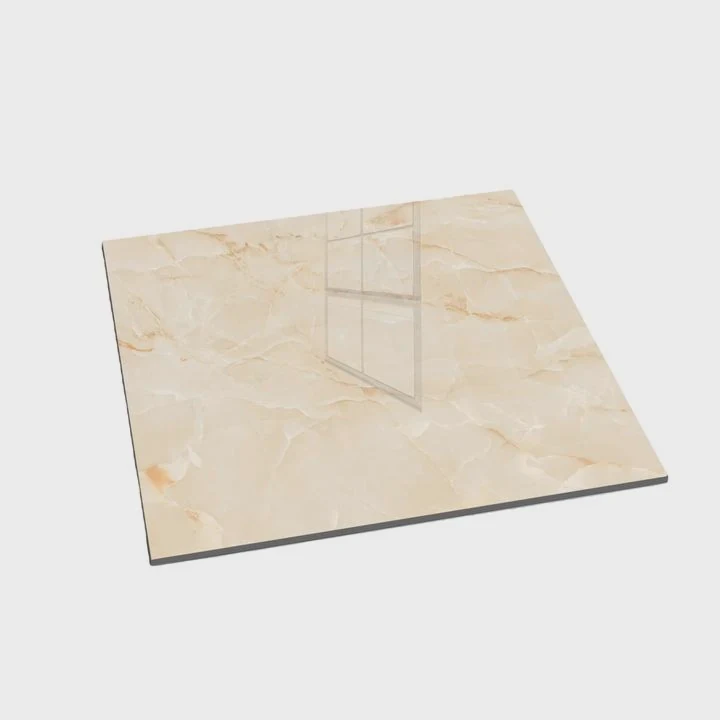
Tile surfaces vary in texture. Some have ridges or patterns that trap dirt. Brushes reach these areas better than cloths or mops. Using the wrong brush can scratch tiles, so soft-bristle brushes are ideal for delicate surfaces, while stiff brushes work for grout or rough tiles.
Types of brushes
| Brush Type | Best For | Notes |
|---|---|---|
| Soft-bristle | Glossy, polished tiles | Gentle on surface |
| Medium-stiff bristle | Ceramic, porcelain tiles | Balances scrubbing and safety |
| Stiff-bristle | Grout lines, textured tiles | Powerful but avoid fragile stone |
Brushing also improves cleaning solution penetration. For example, when a cleaning paste is applied, brushing helps it reach deep into pores. This ensures stains and bacteria are removed rather than just smeared across the surface.
Regular brushing prevents buildup. If you skip this step, dirt accumulates and becomes harder to remove later. For commercial spaces or high-traffic areas, investing in small handheld brushes or motorized scrubbers can save time and effort.
Which routine maintains long-term tile cleanliness?
Cleaning tiles once is not enough. Dirt, spills, and dust return quickly without a routine. Many homeowners fail because they treat cleaning as occasional, not continuous.
A consistent cleaning routine combining daily maintenance, weekly scrubbing, and periodic deep cleaning preserves tiles and grout in optimal condition.

Daily and weekly care
- Daily: Sweep or vacuum to remove dust and debris. Quick wipe with a damp mop prevents stains.
- Weekly: Use a mild cleaner on tiles and a soft brush on grout lines. Focus on high-traffic areas.
- Monthly: Inspect grout and tile surfaces for stains. Apply grout sealer if needed.
Long-term strategy
| Frequency | Task | Tools & Tips |
|---|---|---|
| Daily | Dust & light mop | Microfiber mop, bucket of warm water |
| Weekly | Clean tiles and grout lightly | Mild detergent, soft brush |
| Monthly | Deep clean grout & seal if needed | Baking soda paste, grout sealer |
| Quarterly | Inspect for damage & stains | Spot treatment, replace broken tiles |
Consistency reduces the need for harsh chemicals. Regular cleaning prevents stains from setting and minimizes grout discoloration. This also saves money on professional cleaning services over time.
For commercial or heavy-use spaces, adjusting frequency is important. High traffic areas may need daily grout brushing or bi-weekly deep cleaning. Residential homes often maintain cleanliness with weekly maintenance.
Using this routine ensures tiles remain bright, hygienic, and visually appealing. It also helps avoid costly replacements and maintains property value.
Conclusion
Deep cleaning tiles requires the right solutions, proper brushing, thorough grout care, and consistent maintenance. Following these steps keeps tiles and grout looking fresh and extends their life.