How to fix broken tile?
- Sinotiles
- 2026-03-24
A cracked tile looks small, but it quickly ruins the whole space. It spreads, collects dirt, and weakens the floor or wall. Many people ignore it until it becomes worse.
Yes, broken tiles can be fixed. Small cracks can be repaired with fillers, while badly damaged tiles should be replaced. The right method depends on the damage level, tile type, and installation condition.
When facing tile damage, the key is not just fixing it, but fixing it correctly. A poor repair leads to repeat issues. A proper approach saves time, cost, and keeps the surface strong and clean.
Can cracked tiles be repaired or replaced?
A small crack can turn into a bigger problem if it is not handled early. Many buyers and contractors ask the same question: repair or replace? The answer depends on the type of damage.
Cracked tiles can be repaired if the damage is minor and surface-level. However, deep cracks, loose tiles, or structural issues require full replacement to ensure durability and safety.

Understanding the type of crack
Not all cracks are the same. Each type needs a different solution.
1. Hairline cracks
These are very thin cracks on the surface. They often come from stress or slight impact.
- Easy to repair with epoxy or filler
- No need to remove the tile
- Common in glazed tiles
2. Deep cracks
These cracks go through the tile body.
- Cannot be fixed permanently
- Water can enter and cause damage
- Replacement is required
3. Loose or hollow tiles
Sometimes the tile is not cracked but sounds hollow when tapped.
- Adhesive failure underneath
- High risk of future breakage
- Replacement is the best choice
Repair vs Replacement Comparison
| Condition | Repair Possible | Replacement Needed | Notes |
|---|---|---|---|
| Hairline crack | Yes | No | Use filler or resin |
| Deep crack | No | Yes | Structural damage |
| Chipped edges | Yes | Optional | Cosmetic repair |
| Loose tile | No | Yes | Adhesion problem |
Real-world consideration
In many projects, especially in large commercial spaces, replacing every damaged tile is not always cost-effective. In those cases, quick repair methods can help maintain appearance. However, for long-term use, especially in high-traffic areas, replacement is always the safer choice.
From experience, many clients try to repair first to save cost. But later, they come back for replacement. So the better strategy is to evaluate carefully before deciding.
What tools are needed to fix tiles?
Many repair failures happen because of wrong tools. Using the right tools makes the process faster, safer, and more precise.
To fix tiles properly, essential tools include a hammer, chisel, grout saw, adhesive trowel, tile cutter, and safety gear. The exact tools depend on whether you repair or replace the tile.

Basic tools for tile repair
Hand tools
These are simple but very important:
- Hammer
- Chisel
- Putty knife
- Grout saw
They help remove grout and break damaged tiles.
Power tools (optional but useful)
- Angle grinder
- Electric drill
- Oscillating tool
These tools improve speed and precision, especially for large projects.
Materials needed
Besides tools, materials are also critical:
- Tile adhesive
- Grout
- Epoxy filler
- Spacers
- Replacement tiles
Tool and function overview
| Tool Name | Function | Required Level |
|---|---|---|
| Hammer | Break tile | Basic |
| Chisel | Remove tile pieces | Basic |
| Grout saw | Remove grout lines | Basic |
| Notched trowel | Apply adhesive evenly | Essential |
| Tile cutter | Cut replacement tile | Essential |
| Rubber float | Apply grout | Essential |
Safety equipment
Safety is often ignored, but it matters a lot.
- Gloves protect hands
- Goggles protect eyes from debris
- Dust mask prevents inhaling particles
Practical insight
In small repairs, simple hand tools are enough. But in larger renovation or commercial projects, power tools save time and labor cost. Many contractors invest in better tools to improve efficiency and reduce mistakes.
How to remove damaged tile safely?
Removing a tile is not just about breaking it. If done wrong, it damages nearby tiles and increases repair cost.
To remove damaged tiles safely, first remove the grout, then break the tile from the center, and carefully remove pieces without disturbing surrounding tiles.
Step-by-step removal process
Step 1: Remove grout
Use a grout saw or grinder to clean the grout around the tile.
- This isolates the tile
- Prevents damage to adjacent tiles
Step 2: Break the tile center
Use a hammer and chisel to gently break the middle area.
- Start from the center, not the edges
- This reduces pressure on surrounding tiles
Step 3: Remove tile pieces
Carefully lift pieces using a chisel.
- Work slowly
- Avoid forcing pieces out
Step 4: Clean the base
Remove old adhesive and dust.
- Surface must be flat
- Clean base ensures strong bonding
Common mistakes to avoid
| Mistake | Result |
|---|---|
| Skipping grout removal | Damage nearby tiles |
| Hitting too hard | Crack spreads to other tiles |
| Not cleaning adhesive | Poor bonding of new tile |
| Using wrong tools | Uneven surface |
Surface preparation matters
Many people think removing the tile is the hardest part. In reality, preparing the surface is more important. A poorly cleaned base leads to weak adhesion, which causes tiles to loosen again.
Field experience
In many export projects, especially for contractors, improper removal leads to more tile waste. This increases cost and delays. A careful removal process reduces material loss and keeps installation clean.
How to match replacement tiles correctly?
Finding a matching tile is often harder than fixing it. Even a small difference in color or size becomes very obvious after installation.
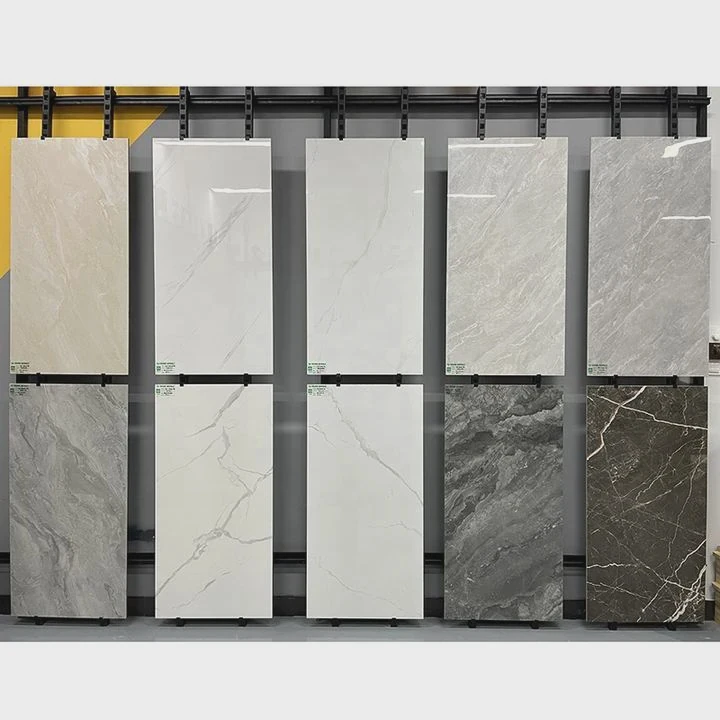
To match replacement tiles correctly, you need to consider size, color tone, finish, and batch variation. The best way is to keep spare tiles from the original installation.

Key factors in tile matching
1. Size
Tiles come in many sizes, even slight differences matter.
- 600×600mm
- 800×800mm
- 600×1200mm
Even a few millimeters difference will break alignment.
2. Color tone
Tiles from different batches may have slight color variation.
- Check under natural light
- Compare with surrounding tiles
3. Surface finish
- Glossy
- Matte
- Textured
Mismatch in finish is easy to notice.
4. Pattern and design
For marble-look or patterned tiles:
- Pattern direction matters
- Random design may still need alignment
Matching checklist
| Factor | What to Check | Risk if Ignored |
|---|---|---|
| Size | Exact dimensions | Uneven layout |
| Color | Batch consistency | Visible patch |
| Finish | Gloss/matte match | Light reflection mismatch |
| Pattern | Design alignment | Broken visual flow |
Best practices
- Always keep extra tiles after installation
- Record tile model and batch number
- Work with reliable suppliers for consistency
Industry insight
In large-scale projects, matching tiles is a major concern. That is why many professional buyers order extra stock, usually 3%–5% more than needed. This small extra cost prevents big problems later.
In supply experience, many clients return asking for the same design after years. But production batches change. So exact matching becomes difficult. Planning ahead always saves time and cost.
Conclusion
Fixing broken tiles requires the right method, tools, and planning. Small damage can be repaired, but serious issues need replacement. Careful removal and proper matching ensure a clean and long-lasting result.