How to Install Tile on Countertop?
- Sinotiles
- 2026-06-02
Many homeowners start a countertop tile project with excitement. Many also face uneven surfaces, cracked tiles, or poor bonding because they skip key steps before installation.
Installing tile on a countertop requires proper surface preparation, the right adhesive, careful tile placement, and correct sealing. When each step is done correctly, a tile countertop can remain durable, attractive, and easy to maintain for many years.
A tile countertop can be a cost-effective and stylish choice for kitchens, bathrooms, and commercial spaces. The process looks simple at first. Still, every stage matters. Surface preparation affects durability. Adhesive selection affects bonding strength. Heat resistance affects long-term performance. Sealing affects maintenance and stain protection. Understanding these points before starting the project can help avoid expensive mistakes later.
What Preparation Is Needed for Countertop Tiling?
Many tile failures begin before the first tile is installed. Poor preparation often leads to loose tiles, uneven surfaces, and cracked grout lines.
The most important preparation for countertop tiling is creating a clean, stable, level, and moisture-resistant surface. Proper measurements, substrate inspection, and layout planning help ensure a successful installation.
Before starting any tile installation, I always focus on the foundation. A beautiful tile cannot compensate for a weak countertop base. The substrate supports the entire tile system. If it moves, flexes, or absorbs moisture, problems will appear later.
Inspect the Existing Surface
The first step is checking the countertop structure. The surface should be:
- Flat
- Strong
- Clean
- Dry
- Free from grease or dust
Old laminate surfaces often need additional preparation. In some cases, cement backer board is installed over the existing countertop to create a better bonding surface.
Measure and Plan the Layout
Accurate measurements reduce waste and improve appearance.
| Preparation Task | Purpose |
|---|---|
| Measure countertop area | Calculate tile quantity |
| Check levelness | Prevent uneven tile installation |
| Plan tile layout | Minimize small tile cuts |
| Mark center lines | Improve alignment |
| Identify edge details | Create a finished look |
A dry layout helps reveal potential issues before adhesive is applied. This step also allows adjustments to tile positioning.
Choose the Right Substrate
Different countertop bases perform differently.
Common substrate options include:
- Cement backer board
- Exterior-grade plywood with proper reinforcement
- Existing stable tile surfaces
- Concrete countertops
A rigid base is critical because countertop surfaces experience daily use and weight.
Surface Cleaning
Any contamination can weaken adhesive performance.
The surface should be cleaned with:
- Degreasing cleaners
- Vacuum removal of dust
- Damp cloth wiping
After cleaning, the substrate should dry completely.
Check Corners and Edges
Many beginners focus only on the flat surface. Edge details are equally important.
Common edge solutions include:
- Bullnose tiles
- Metal edge trims
- Stone edge profiles
- Mitered tile edges
Moisture Protection
Kitchens and bathrooms often experience water exposure. Moisture barriers help protect the substrate and improve long-term durability.
In one renovation project, a countertop looked perfectly prepared from the top. After removing the old finish, hidden water damage appeared near the sink area. Repairing the damaged section before tiling added extra work, but it prevented future failure. That experience reinforced a simple lesson: preparation is not the most visible step, but it is often the most important one.
A properly prepared countertop creates the conditions needed for strong bonding, accurate alignment, and long-lasting performance.
Which Adhesives Work for Countertop Tiles?
Many countertop problems occur because the wrong adhesive is selected. Even high-quality tiles can fail if the bonding material is unsuitable.
Modified thin-set mortar is the most common adhesive for countertop tiles because it provides strong bonding, durability, and moisture resistance. The best adhesive depends on tile type, substrate material, and installation conditions.
Choosing adhesive is not simply a matter of buying the strongest product available. Different tiles and substrates require different bonding characteristics.
Common Countertop Tile Adhesives
The most frequently used options include:
| Adhesive Type | Best Use | Advantages |
|---|---|---|
| Modified thin-set mortar | Ceramic and porcelain tiles | Strong bond and durability |
| Epoxy adhesive | Heavy-duty applications | Chemical and stain resistance |
| Unmodified thin-set | Certain specialty installations | Consistent curing |
| Mastic adhesive | Light-duty wall applications | Easy application |
For most countertop projects, modified thin-set mortar remains the preferred choice.
Why Thin-Set Mortar Works Well
Thin-set mortar contains cement, sand, and performance-enhancing additives.
Benefits include:
- Excellent bonding strength
- Moisture resistance
- Heat resistance
- Long-term stability
- Compatibility with porcelain and ceramic tiles
Countertops experience daily stress from appliances, cookware, and food preparation. Thin-set mortar handles these conditions well.
Adhesive Selection by Tile Type
Different tiles may require different products.
Porcelain Tiles
Porcelain tiles have very low water absorption. Modified thin-set is usually recommended because it bonds effectively to dense surfaces.
Ceramic Tiles
Ceramic tiles generally bond well with standard modified thin-set products.
Large Format Tiles
Large tiles often require medium-bed mortar or large-format tile adhesive to reduce lippage and improve support.
Mixing and Application
Proper mixing is as important as product selection.
Important guidelines include:
- Follow manufacturer instructions
- Use clean water
- Mix thoroughly
- Allow slaking time if required
- Remix before application
Trowel Selection Matters
The adhesive layer affects tile support.
Common trowel sizes:
- Small mosaic tiles: smaller notch trowels
- Standard countertop tiles: medium notch trowels
- Large format tiles: larger notch trowels
Full coverage under the tile is critical. Air pockets can reduce durability and create weak spots.
Avoid Common Adhesive Mistakes
Several installation issues appear repeatedly:
- Using expired adhesive
- Mixing too much material at once
- Applying adhesive over dusty surfaces
- Failing to achieve full coverage
- Ignoring curing times
One contractor shared a project where decorative tiles began loosening after only a few months. The tiles themselves were excellent. The issue came from using an adhesive intended for light wall applications rather than countertop use. Replacing the adhesive solved the problem.
The adhesive functions as the invisible connection between the tile and the countertop. Because it cannot be seen after installation, many people underestimate its importance. In reality, it plays a major role in the overall performance of the finished countertop.
Can Tile Countertops Handle Heat Exposure?
Many homeowners worry about placing hot cookware on tile countertops. Heat resistance is often one of the main reasons people consider tile surfaces.
Tile countertops generally handle heat very well because ceramic and porcelain tiles are manufactured at extremely high temperatures. However, grout lines, adhesives, and sudden temperature changes should still be considered.
Heat resistance is one of the strengths of tile surfaces. Porcelain and ceramic products are fired in kilns at temperatures far higher than those encountered in normal kitchen use.
Why Tiles Resist Heat
The manufacturing process creates a dense and durable material.
Key characteristics include:
- High-temperature firing
- Low water absorption
- Strong surface hardness
- Dimensional stability
These properties help tiles maintain performance under everyday kitchen conditions.
Understanding the Entire System
Heat resistance does not depend only on the tile itself.
The countertop system includes:
- Tile
- Adhesive
- Grout
- Substrate
- Sealers
Each component contributes to overall performance.
Typical Kitchen Heat Sources
Common heat exposure includes:
- Hot pots
- Baking trays
- Slow cookers
- Coffee machines
- Air fryers
Most porcelain and ceramic tiles tolerate these conditions without damage.
Potential Risks
While tile performs well under heat, some risks remain.
Thermal Shock
Rapid temperature changes may create stress.
Examples include:
- Placing extremely hot cookware on cold surfaces
- Pouring cold liquids onto heated tiles
Although uncommon, repeated thermal shock may contribute to cracking over time.
Grout Performance
Grout joints may be more vulnerable than the tile itself.
Poor-quality grout can:
- Crack
- Discolor
- Absorb stains
Using high-quality grout improves durability.
Adhesive Quality
Inferior adhesives may weaken when exposed to repeated heat cycles. This is another reason proper adhesive selection matters.
Comparing Countertop Materials
| Material | Heat Resistance |
|---|---|
| Porcelain tile | Excellent |
| Ceramic tile | Very good |
| Laminate | Limited |
| Solid surface | Moderate |
| Natural stone | Good to excellent |
Porcelain tile often ranks among the strongest options for heat resistance.
Practical Recommendations
Even though tiles tolerate heat well, good habits still help:
- Use trivets for extremely hot cookware
- Avoid dropping hot cast-iron cookware
- Maintain grout and sealers
- Inspect joints periodically
In commercial kitchens and hospitality projects, tile surfaces are often selected because they combine durability with heat resistance. Residential kitchens benefit from these same characteristics.
The key point is that countertop tiles are designed to handle everyday kitchen temperatures. When installed correctly and maintained properly, they provide reliable performance even in busy cooking environments.
How to Seal Countertop Tiles Properly?
Many tile installations look perfect on the day they are finished. Months later, stains, moisture marks, and dirty grout lines begin to appear because sealing was ignored.
Proper tile sealing involves cleaning the surface, selecting the correct sealer, applying it evenly, allowing adequate curing time, and maintaining the protection periodically. Sealing helps protect grout and certain tile surfaces from moisture and stains.
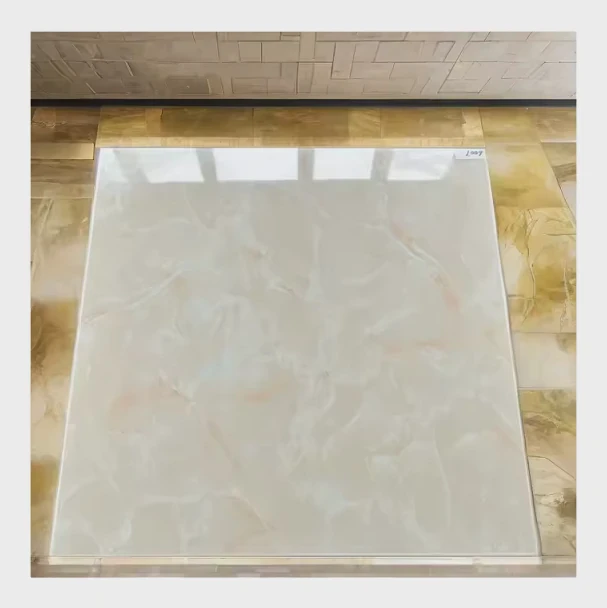
Sealing is often misunderstood. Not every tile requires sealing. Many porcelain tiles are already highly resistant to moisture and staining. Grout joints, however, often benefit significantly from sealing.
Determine What Needs Sealing
Before purchasing a product, identify the materials involved.
Generally:
- Porcelain tile may not require sealing
- Ceramic tile may require limited sealing
- Natural stone usually requires sealing
- Cement-based grout often requires sealing
Manufacturer recommendations should always be checked.
Types of Sealers
The two most common categories are:
Penetrating Sealers
These penetrate below the surface.
Benefits include:
- Natural appearance
- Moisture resistance
- Stain protection
Surface Sealers
These create a protective film.
Benefits include:
- Enhanced appearance
- Additional surface protection
However, some surface sealers may wear faster in high-traffic areas.
Proper Sealing Process
Following a systematic approach improves results.
Step 1: Clean Thoroughly
Remove:
- Dust
- Grease
- Construction residue
- Grout haze
The surface must be completely dry before sealing.
Step 2: Apply Evenly
Use:
- Foam applicators
- Soft cloths
- Brushes
- Sealer applicators
Work in manageable sections.
Step 3: Remove Excess Product
Excess sealer left on the surface may create haze or streaks.
Wipe away surplus material before drying.
Step 4: Allow Curing
Many sealers require curing time.
Avoid:
- Water exposure
- Heavy cleaning
- Food preparation
Until curing is complete.
Maintenance Schedule
Sealing is not always permanent.
Factors affecting longevity include:
- Usage intensity
- Cleaning methods
- Moisture exposure
- Product quality
Busy kitchen countertops may require periodic resealing.
Signs That Resealing Is Needed
Simple water testing can help.
If water quickly absorbs into grout rather than beading on the surface, resealing may be necessary.
Common Sealing Mistakes
Many problems result from:
- Applying sealer to dirty surfaces
- Using the wrong product
- Ignoring curing times
- Applying excessive amounts
- Skipping maintenance
A countertop installation may involve high-quality tiles and excellent craftsmanship. Yet unprotected grout can still become stained by coffee, wine, oil, or food residue. Proper sealing acts as an additional layer of defense. It helps preserve the appearance of the countertop while reducing cleaning effort over the long term.
Conclusion
Installing tile on a countertop requires careful preparation, suitable adhesives, attention to heat performance, and proper sealing. When each step is completed correctly, a tile countertop can deliver durability, easy maintenance, and lasting visual appeal for both residential and commercial spaces.