How to Install Floor Tile?
- Sinotiles
- 2026-06-06
Many tile installation projects fail before the first tile is even placed. Poor preparation, uneven surfaces, and rushed work often lead to cracked tiles and costly repairs.
To install floor tile successfully, prepare a stable subfloor, apply adhesive correctly, maintain consistent spacing, and follow proper finishing steps. Careful installation improves durability, appearance, and long-term performance.
Floor tiling is more than placing tiles on the ground. Every stage affects the final result. Understanding the complete process helps avoid common mistakes and creates a professional-looking floor that can last for many years.
What Preparation Is Needed Before Tiling?
Many installation problems begin with poor preparation. Even the highest-quality tiles cannot compensate for an unstable or uneven floor.
Before tiling, the floor must be clean, level, dry, and structurally sound. Accurate measurements, layout planning, and proper tools are also essential for a successful installation.
Preparation is often the most overlooked stage of a tile project. Yet it has the greatest impact on the finished floor.
Inspect the Existing Floor
The first step is evaluating the condition of the subfloor.
Different subfloor materials require different preparation methods:
| Subfloor Type | Preparation Required |
|---|---|
| Concrete | Repair cracks and level surface |
| Plywood | Ensure rigidity and proper thickness |
| Cement board | Secure panels and tape joints |
| Existing tile | Verify stability and surface condition |
A weak or moving subfloor can eventually cause grout cracking and tile failure.
Clean the Surface Thoroughly
Dust, grease, paint, and debris reduce adhesive bonding strength.
Before installation:
- Sweep thoroughly
- Vacuum all dust
- Remove oil or grease
- Scrape away loose material
- Allow the floor to dry completely
A clean surface allows the adhesive to bond directly with the substrate.
Check Floor Levelness
An uneven floor creates installation difficulties and visual defects.
Use a long straightedge or level to identify:
- High spots
- Low spots
- Depressions
- Surface irregularities
Most professionals recommend correcting major uneven areas before tiling begins.
Measure the Space
Accurate measurements help determine:
- Tile quantity
- Adhesive requirements
- Grout needs
- Waste allowance
A common recommendation is adding 10% to 15% extra tiles for cuts and future repairs.
Plan the Layout
Layout planning prevents awkward tile cuts near walls.
Many installers begin from the room center and work outward.
A dry layout helps visualize:
- Tile positioning
- Border sizes
- Focal points
- Cut locations
Gather Essential Tools
Proper tools improve both efficiency and accuracy.
Common tools include:
| Tool | Purpose |
|---|---|
| Tape measure | Room measurements |
| Tile cutter | Tile cutting |
| Notched trowel | Adhesive application |
| Spirit level | Surface checking |
| Tile spacers | Joint consistency |
| Rubber mallet | Tile adjustment |
| Grout float | Grout application |
Consider Environmental Conditions
Temperature and humidity influence installation performance.
Very hot conditions may accelerate adhesive drying. Extremely cold conditions may slow curing.
Manufacturers usually provide recommended installation temperatures.
Understand Tile Characteristics
Different tile types have different installation needs.
For example:
Porcelain Tiles
- Low water absorption
- High density
- Excellent durability
Ceramic Tiles
- Easier cutting
- Suitable for many residential applications
Large Format Tiles
- Require flatter substrates
- Need careful leveling techniques
Proper preparation creates a solid foundation for every step that follows. Time invested before installation often prevents expensive corrections later.
How Should Adhesive Be Applied Correctly?
A tile floor is only as strong as the bond beneath it. Incorrect adhesive application can lead to loose tiles, hollow spots, and premature failure.
Adhesive should be spread evenly with the correct notched trowel, applied in manageable sections, and combed consistently to achieve full tile support and proper bonding.
Many installation issues occur because adhesive is applied unevenly or allowed to dry before tiles are placed.
Choose the Right Adhesive
Different projects require different adhesives.
Factors include:
- Tile size
- Tile material
- Indoor or outdoor use
- Moisture exposure
Common adhesive types include:
| Adhesive Type | Typical Use |
|---|---|
| Thin-set mortar | Most floor tile installations |
| Modified thin-set | Enhanced bonding performance |
| Rapid-set mortar | Faster project completion |
| Large-format mortar | Large tile installations |
Selecting the correct product is the first step toward a durable floor.
Mix Properly
Incorrect mixing affects adhesive performance.
Always follow manufacturer recommendations regarding:
- Water ratio
- Mixing duration
- Resting time
- Working time
The mixture should have a smooth consistency without lumps.
Apply Small Sections
Adhesive should only cover areas that can be tiled before skinning occurs.
Large adhesive areas may begin drying before tiles are installed.
Many professionals work in sections of several square feet at a time.
Use the Correct Trowel
The trowel notch size affects adhesive coverage.
Larger tiles typically require larger notches.
Examples include:
| Tile Size | Typical Notch Size |
|---|---|
| Small tile | Smaller notch |
| Medium tile | Medium notch |
| Large-format tile | Larger notch |
Proper notch selection ensures sufficient adhesive beneath each tile.
Hold the Trowel Consistently
The trowel should remain at a consistent angle while spreading adhesive.
This creates uniform ridges that collapse properly when tiles are pressed into place.
Inconsistent angles create uneven coverage.
Comb Adhesive in One Direction
Many installers comb mortar ridges in a single direction.
This method improves air release beneath the tile.
Benefits include:
- Better adhesion
- Reduced voids
- Improved support
- Greater durability
Back Buttering Large Tiles
Large-format tiles often benefit from back buttering.
This involves applying a thin layer of adhesive directly to the tile back before placement.
Advantages include:
- Increased coverage
- Better bond strength
- Reduced hollow areas
Check Coverage Frequently
Periodic tile removal during installation helps verify adhesive coverage.
Professionals often inspect:
- Ridge collapse
- Adhesive transfer
- Coverage percentage
Insufficient coverage can weaken the installation.
Avoid Common Adhesive Mistakes
Frequent errors include:
- Mixing too much material
- Using expired adhesive
- Applying excessive water
- Allowing adhesive to skin over
Careful adhesive application creates the structural bond that supports the entire tile floor. A few extra minutes spent applying adhesive properly can add years to the floor’s lifespan.
Why Is Spacing Important During Installation?
Many people think tile spacers are only for appearance. In reality, spacing affects both visual quality and long-term floor performance.
Proper tile spacing creates uniform grout joints, allows slight movement, improves visual balance, and helps prevent future cracking or installation defects.
Without consistent spacing, even expensive tiles can appear unprofessional.
Creating Uniform Grout Lines
Consistent grout joints produce a clean and organized appearance.
Uneven joints often become highly noticeable after grouting.
Tile spacers help maintain:
- Straight lines
- Uniform gaps
- Symmetrical patterns
- Professional results
Accommodating Tile Size Variations
Even high-quality tiles may have minor size tolerances.
Spacing allows installers to adjust for these small differences.
Without grout joints, slight variations become much more obvious.
Supporting Structural Movement
Buildings naturally move over time.
Movement can result from:
- Temperature changes
- Humidity changes
- Structural settling
- Expansion and contraction
Grout joints help absorb minor movement and reduce stress on tiles.
Typical Spacer Sizes
Different design styles use different joint widths.
| Tile Type | Common Joint Width |
|---|---|
| Rectified porcelain | Narrow joints |
| Standard ceramic | Medium joints |
| Rustic tiles | Wider joints |
| Large-format tiles | Narrow to medium joints |
The selected width should match both tile characteristics and design goals.
Improving Installation Accuracy
Spacers assist installers in maintaining alignment across large areas.
Benefits include:
- Better straightness
- Easier layout control
- Reduced visual defects
- Improved pattern consistency
Visual Impact of Joint Width
Joint width influences the overall appearance of the floor.
Narrow Joints
- Modern appearance
- Minimal grout visibility
- Cleaner visual effect
Wider Joints
- Traditional appearance
- Greater pattern definition
- Enhanced texture
The spacing choice should support the desired design style.
Managing Large Areas
In larger rooms, tiny alignment errors can accumulate.
Tile spacers help prevent gradual shifting that may become noticeable several rows later.
Expansion Considerations
Perimeter expansion gaps should also be included.
These gaps are usually hidden beneath:
- Baseboards
- Trim pieces
- Wall finishes
Expansion spaces help accommodate building movement and reduce stress within the tiled surface.
Proper spacing may seem like a small detail, but it contributes significantly to both appearance and durability. Consistent joints create a floor that looks balanced and performs reliably for many years.
Which Steps Ensure Long-Lasting Tile Floors?
A beautiful floor means little if it fails after a few years. Long-term performance depends on more than tile quality alone.
Long-lasting tile floors require proper substrate preparation, strong adhesive bonding, correct spacing, quality grouting, adequate curing, and ongoing maintenance.
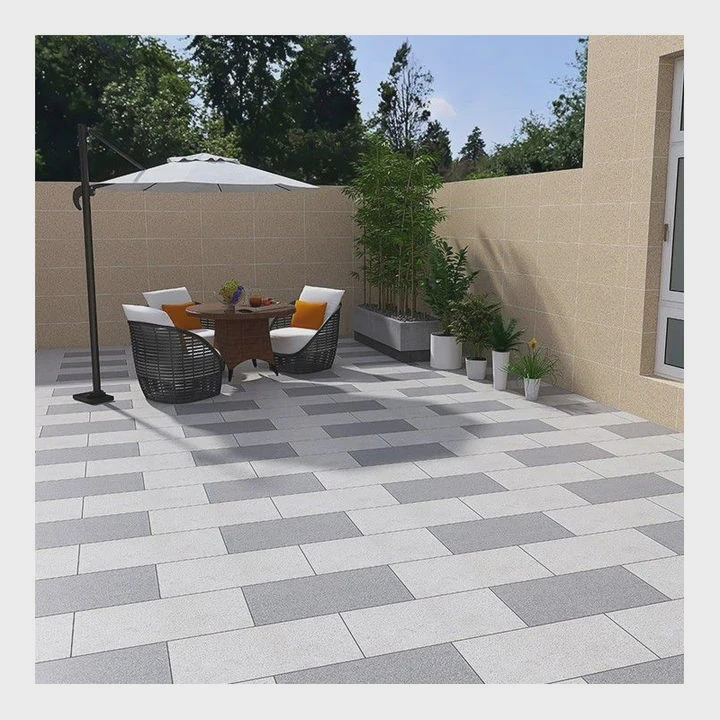
Durability begins during installation and continues throughout the life of the floor.
Allow Proper Curing
Many installers rush the curing process.
Freshly installed tiles need time for:
- Adhesive hardening
- Moisture release
- Bond development
Walking on tiles too early can weaken the installation.
Always follow manufacturer curing recommendations.
Apply Grout Correctly
Grout protects joints and supports floor performance.
Key practices include:
- Filling joints completely
- Removing excess grout
- Cleaning surfaces promptly
- Allowing adequate curing time
Poor grouting can lead to moisture penetration and staining.
Seal When Necessary
Certain grout types benefit from sealing.
Sealers may provide:
- Stain resistance
- Easier cleaning
- Moisture protection
- Improved longevity
Not all products require sealing, so manufacturer guidance should be followed.
Inspect Before Completion
A final inspection helps identify issues before the project is finished.
Check for:
| Inspection Item | Purpose |
|---|---|
| Tile lippage | Surface smoothness |
| Hollow sounds | Adhesive coverage |
| Joint consistency | Appearance quality |
| Grout completeness | Durability |
Addressing problems early is much easier than repairing a finished floor later.
Protect Newly Installed Floors
Construction traffic can damage fresh installations.
Protective measures may include:
- Floor coverings
- Restricted access
- Controlled work schedules
Protection is especially important on commercial projects.
Maintain the Floor Properly
Long-term care significantly affects tile lifespan.
Recommended practices include:
- Regular sweeping
- Damp mopping
- Prompt spill cleanup
- Avoiding harsh chemicals
Routine maintenance preserves appearance and performance.
Select Quality Materials
Material quality influences durability from the beginning.
Factors worth evaluating include:
- Water absorption
- Wear resistance
- Surface hardness
- Manufacturing consistency
Porcelain Tiles for Durability
Porcelain tiles are often chosen for demanding floor applications because they provide:
- High strength
- Low water absorption
- Excellent wear resistance
- Long service life
Many commercial and residential projects rely on porcelain flooring for these reasons.
Focus on the Entire System
A durable floor is not created by one component alone.
Success depends on:
- Sound subfloor
- Proper preparation
- Quality adhesive
- Correct installation
- Consistent spacing
- Proper grouting
- Adequate curing
- Regular maintenance
When all these elements work together, tile floors can remain attractive and functional for decades. The installation process requires patience and attention to detail, but the result is a durable surface that delivers long-term value.
Conclusion
Successful floor tile installation begins with proper preparation and continues through adhesive application, spacing, grouting, and curing. Every step contributes to durability and appearance. By following proven installation practices, a tile floor can provide reliable performance and lasting beauty for many years.