Which Direction to Lay Rectangular Tile in Bathroom?
- Sinotiles
- 2026-06-06
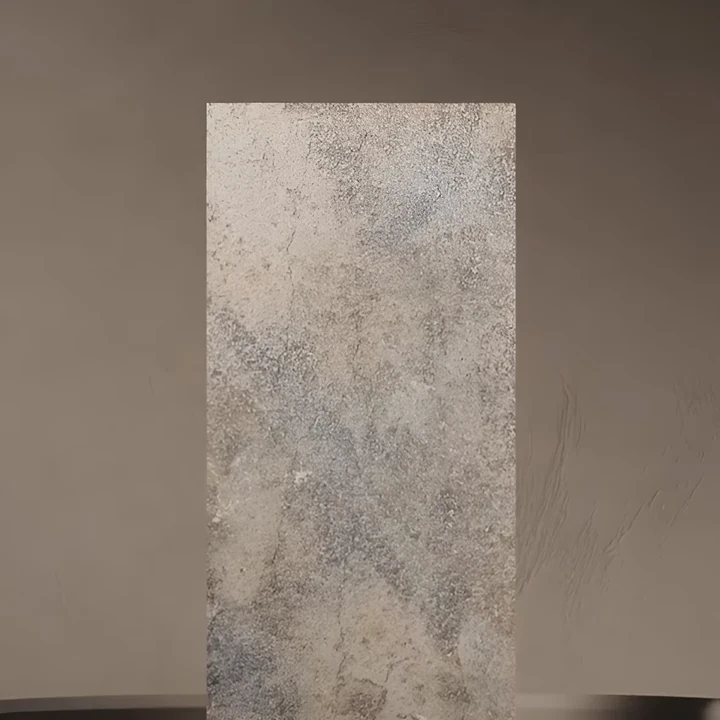
A small bathroom can feel cramped when tile direction works against the room shape. Many homeowners focus on tile color and size but overlook layout.
The best direction to lay rectangular tile in a bathroom depends on the room shape, wall placement, and design goal. Horizontal layouts can make a room look wider, while vertical layouts can make it appear taller and longer.
Tile direction affects how people see space. A simple change in orientation can make a narrow bathroom feel balanced or make a low ceiling appear higher. Understanding the visual effect of tile placement helps create a more attractive and functional bathroom design.
What Layout Enhances Bathroom Space Visually?
A bathroom can feel larger or smaller depending on tile layout. Many people spend money on bigger renovations when a simple layout adjustment could improve the visual space.
A tile layout enhances bathroom space visually when it guides the eye toward the longest or most open area of the room. Proper tile orientation can create the illusion of width, length, or height.
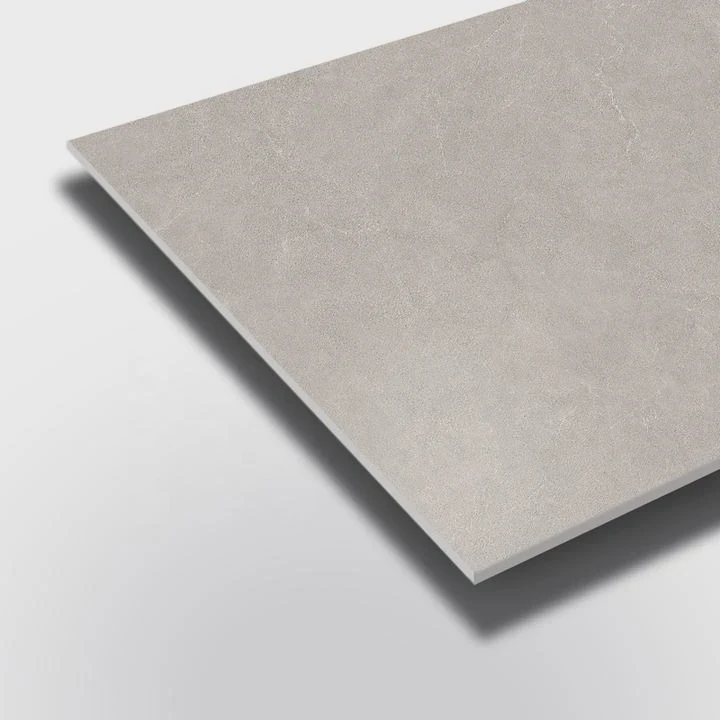
The human eye naturally follows lines. Rectangular tiles create strong visual lines that influence how a room is perceived. This effect becomes very important in bathrooms because bathrooms are often among the smallest rooms in a home.
Understanding Visual Flow
When rectangular tiles run along the longest wall, they often make the room feel more spacious. The eye follows the grout lines and tile edges, creating a sense of movement.
For example:
| Bathroom Shape | Recommended Direction | Visual Effect |
|---|---|---|
| Narrow bathroom | Horizontal along length | Longer appearance |
| Small square bathroom | Follow focal wall | Balanced look |
| Low ceiling bathroom | Vertical layout | Higher appearance |
| Long hallway-style bathroom | Lengthwise layout | Continuous flow |
A common mistake is choosing tile direction based only on installation convenience. While this may save some planning time, it can reduce the visual impact of the finished room.
The Role of Tile Size
Tile size works together with tile direction.
Large-format rectangular tiles often create fewer grout lines. This makes the bathroom feel cleaner and more open. Smaller rectangular tiles create more visual texture but may make a compact bathroom feel busier.
Layout Patterns Matter Too
Direction is only one part of the design.
Popular layouts include:
Straight Lay
Tiles align in clean rows. This creates a modern and organized appearance.
Running Bond
Each row shifts halfway across the tile below. This pattern adds movement and softens rigid lines.
Herringbone
Tiles are placed at angles. This design creates energy and visual interest.
Each pattern changes how tile direction is perceived. A vertical herringbone may emphasize height, while a horizontal running bond may highlight room width.
Considering Focal Points
Every bathroom has a focal point. It may be:
- A vanity
- A freestanding tub
- A shower wall
- A window
Tile direction should support that focal point rather than compete with it.
When layout decisions reinforce the room’s strongest feature, the bathroom feels intentional and professionally designed. Even a modest bathroom can appear larger and more elegant through thoughtful tile orientation and layout planning.
How Does Tile Direction Affect Room Perception?
Many people enter a room and instantly feel it is large, narrow, tall, or cramped. Tile direction plays a major role in creating those impressions.
Tile direction affects room perception by controlling how the eye travels through the space. Horizontal lines emphasize width, while vertical lines emphasize height and depth.
Designers often use optical illusions to improve interior spaces. Tile orientation is one of the simplest and most effective tools available.
Horizontal Tile Direction
Horizontal placement means the long side of the tile runs parallel to the floor.
This layout creates several effects:
- Makes walls appear wider
- Creates a relaxed visual feeling
- Works well in narrow bathrooms
- Helps balance tall rooms
For wall applications, horizontal rectangular tiles often make the room feel broader.
Vertical Tile Direction
Vertical placement means the long side of the tile runs upward.
This approach can:
- Make ceilings look higher
- Create stronger visual movement
- Add modern design appeal
- Improve the perception of room height
Bathrooms with low ceilings often benefit from vertical layouts because the eye naturally follows upward lines.
Comparing Visual Effects
| Tile Direction | Creates Width | Creates Height | Modern Appearance |
|---|---|---|---|
| Horizontal | High | Low | Moderate |
| Vertical | Low | High | High |
| Diagonal | Moderate | Moderate | High |
| Herringbone | Moderate | Moderate | Very High |
Floor Tile Perception
Wall tiles are not the only factor.
Floor tile direction can influence how large a bathroom feels.
When floor tiles run from the entrance toward the back wall, the room often appears longer. When tiles run side-to-side, the room may feel wider.
The effect becomes stronger when large-format rectangular tiles are used.
Lighting and Perception
Light interacts with tile direction.
Natural light entering from a window can highlight grout lines and tile edges. This strengthens directional effects.
For example:
- Horizontal tiles under side lighting emphasize width.
- Vertical tiles under top lighting emphasize height.
Real Design Experience
Many renovation projects focus on expensive fixtures while overlooking tile direction. Yet the orientation of rectangular tiles often changes the perceived size of a room more than a new vanity or mirror.
The reason is simple. People notice room proportions before they notice decorative details. Tile direction shapes those proportions. A thoughtful layout can transform how the entire bathroom feels without increasing construction costs.
Why Choose Horizontal or Vertical Placement?
Choosing between horizontal and vertical tile placement often feels confusing because both options can look attractive. The best choice depends on the design goal.
Horizontal placement is ideal for creating width and balance, while vertical placement is better for emphasizing height, modern style, and visual drama.

There is no universal rule that applies to every bathroom. Instead, the decision should match the room’s dimensions and desired appearance.
Benefits of Horizontal Placement
Horizontal layouts remain one of the most popular choices.
Advantages include:
- Timeless appearance
- Easy visual flow
- Wider room perception
- Familiar design style
Many subway tile installations use horizontal placement because it feels comfortable and balanced.
Benefits of Vertical Placement
Vertical layouts have become increasingly popular in modern bathrooms.
Advantages include:
- Contemporary appearance
- Strong visual impact
- Greater perceived height
- Distinctive design character
Vertical tile orientation often appears in luxury hotel bathrooms and upscale residential projects.
Style Comparison
Traditional Design
Traditional bathrooms frequently use horizontal layouts.
The design feels stable and classic. This style works well with:
- White subway tiles
- Vintage fixtures
- Neutral color palettes
Contemporary Design
Modern bathrooms often embrace vertical arrangements.
The result feels fresh and architectural. This approach pairs well with:
- Large-format tiles
- Minimalist fixtures
- Frameless showers
Practical Considerations
Appearance matters, but installation should also be practical.
Questions to consider include:
- Where are the plumbing fixtures?
- Where is the primary light source?
- How high is the ceiling?
- How large is the bathroom?
Answers to these questions help determine the most effective orientation.
Mixing Directions
Many successful bathrooms combine both directions.
For example:
| Area | Tile Direction |
|---|---|
| Main bathroom walls | Horizontal |
| Shower feature wall | Vertical |
| Floor | Lengthwise |
| Vanity backsplash | Vertical |
This approach creates visual contrast without overwhelming the room.
Design Consistency
Even when mixing layouts, consistency remains important.
Tile size, color, and grout selection should work together. Random direction changes can make a bathroom feel disorganized.
A clear design strategy produces better results than following trends alone. Horizontal and vertical layouts both have strengths. The best choice comes from understanding the room’s needs and the atmosphere the design intends to create.
Which Factors Influence Tile Orientation Choice?
Many homeowners ask for a simple rule regarding tile direction. In reality, several factors influence the right decision.
Tile orientation should be based on room dimensions, ceiling height, natural light, focal points, tile size, and the overall design style of the bathroom.
Professional designers rarely select tile orientation based on personal preference alone. They evaluate the entire room before making a recommendation.
Room Dimensions
The shape of the bathroom is often the most important factor.
A long narrow bathroom benefits from different layouts than a nearly square bathroom.
Consider these examples:
| Room Condition | Suggested Orientation |
|---|---|
| Narrow width | Horizontal |
| Low ceiling | Vertical |
| Long room | Lengthwise |
| Compact square room | Focal-point based |
Ceiling Height
Ceiling height changes how a layout feels.
In bathrooms with ceilings below average height, vertical tiles can help create a more open appearance.
In bathrooms with high ceilings, horizontal layouts often provide visual balance.
Natural Light
Windows influence the visual effect of tile direction.
Natural light creates shadows and highlights along tile edges.
When planning tile orientation, observe:
- Window location
- Window size
- Time of day lighting
- Artificial lighting placement
These factors affect how the finished layout will appear.
Tile Dimensions
Not all rectangular tiles produce the same effect.
Common tile sizes include:
- 300×600 mm
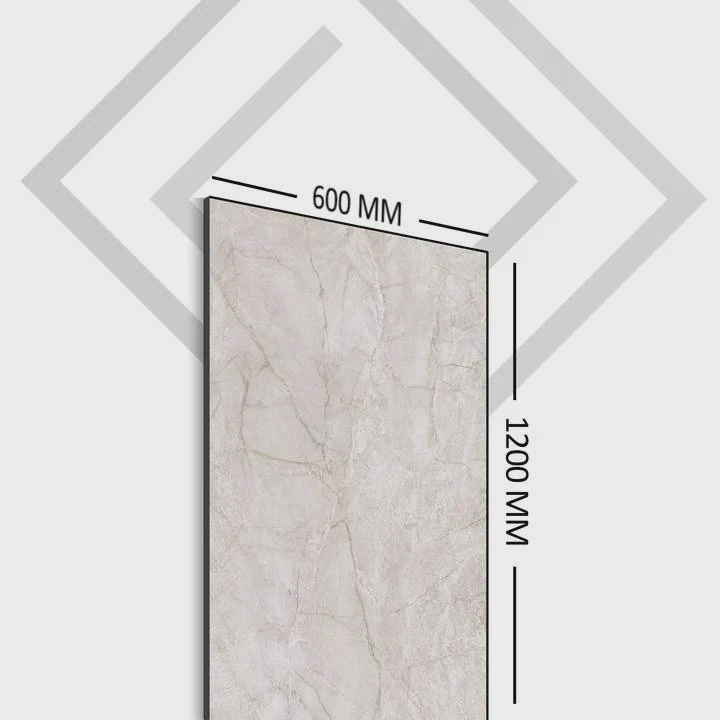
- 600×1200 mm
- 750×1500 mm
- 900×1800 mm
Larger tiles create stronger directional lines and fewer grout joints. Smaller tiles create more texture and pattern.
Grout Color
Grout is often overlooked.
High-contrast grout emphasizes tile direction. Matching grout softens directional effects.
For example:
- White tile + dark grout = stronger visual lines
- White tile + white grout = softer appearance
Shower Design
The shower area often becomes the bathroom’s visual centerpiece.
Many designers use a different orientation on the shower feature wall to create interest.
This can help:
- Define the shower zone
- Add depth
- Highlight premium materials
Maintenance Considerations
Maintenance should not be ignored.
Certain layouts may require more cutting around fixtures and corners. Complex patterns can increase installation time and labor costs.
A simple straight layout may provide:
- Faster installation
- Lower waste
- Easier future repairs
Personal Design Goals
Every bathroom project has a different goal.
Some homeowners want:
- Maximum visual space
- Modern appearance
- Luxury atmosphere
- Timeless style
The tile direction should support that goal.
Looking at the Entire Space
The most successful bathroom designs consider the room as a whole rather than focusing on a single wall.
Before selecting tile orientation, evaluate:
- Floor plan
- Wall dimensions
- Fixture placement
- Lighting
- Tile size
- Design style
When these elements work together, rectangular tile orientation becomes a powerful design tool. The right direction can make a bathroom feel larger, brighter, taller, and more refined without changing the actual room dimensions.
Conclusion
The best direction for rectangular bathroom tiles depends on the room’s shape and design goals. Horizontal layouts often create width, while vertical layouts create height. By considering room dimensions, lighting, focal points, and tile size, it becomes easier to choose an orientation that improves both appearance and functionality.