What Is the Best Tile for a Shower?
- Sinotiles
- 2026-03-31
Water damage, slippery floors, and mold are common problems in showers. Many people choose tiles based only on looks. This leads to costly repairs and unsafe surfaces.
The best tile for a shower is one that is water-resistant, slip-resistant, durable, and easy to maintain. Porcelain, ceramic, and natural stone are top choices depending on budget and design needs.
Choosing the right tile is not only about style. It also affects safety, maintenance, and long-term performance. The following sections break down the key factors that matter most.
Which materials perform best in wet environments?
Water exposure is constant in showers. Some materials absorb water and crack over time. Others resist moisture and last for years.
Porcelain and ceramic tiles perform best in wet environments because they have low water absorption rates, high durability, and strong resistance to stains and mold. Natural stone can also work but needs sealing.
When selecting tile material, water resistance should be the first concern. Each material behaves differently under constant moisture.
Common Shower Tile Materials
| Material | Water Absorption | Durability | Maintenance Level | Cost Level |
|---|---|---|---|---|
| Porcelain | Very Low | Very High | Low | Medium |
| Ceramic | Low | High | Low | Low |
| Natural Stone | Medium | Medium | High | High |
| Glass Tile | Very Low | Medium | Medium | Medium |
Porcelain Tiles
Porcelain tiles are fired at very high temperatures. This makes them dense and almost waterproof. In many projects, these tiles are used for both walls and floors. They also resist stains and scratches.
From experience in supplying large projects, porcelain tiles reduce maintenance complaints. Clients often prefer them for hotels and apartments.
Ceramic Tiles
Ceramic tiles are slightly more porous than porcelain. However, they still perform well in shower walls. They are easy to cut and install. This makes them a cost-effective choice.
They are not always ideal for heavy-use shower floors, especially in commercial spaces.
Natural Stone
Natural stone like marble or travertine offers a premium look. However, it absorbs water more easily. It needs sealing before installation and regular resealing after.
Many buyers choose stone for design reasons. But without proper care, it can stain or develop mold.
Glass Tiles
Glass tiles do not absorb water. They are often used for decorative walls. However, they can be slippery and are not ideal for floors.
Key Takeaway
Material choice affects durability, safety, and cost. In most cases, porcelain tiles offer the best balance between performance and price.
How does slip resistance impact tile choice?
Slippery surfaces are one of the biggest risks in a shower. A beautiful tile can become dangerous when wet.
Slip resistance is critical because it reduces the risk of falls. Tiles with textured surfaces or higher friction ratings provide better safety in wet conditions.
Slip resistance is measured using ratings such as COF (Coefficient of Friction). This value shows how much grip a tile surface provides.
Slip Resistance Ratings
| COF Rating | Slip Resistance Level | Recommended Use |
|---|---|---|
| < 0.4 | Low | Dry areas only |
| 0.4 – 0.6 | Moderate | Light wet areas |
| > 0.6 | High | Shower floors and wet zones |
Why Smooth Tiles Are Risky
Polished tiles look clean and modern. But they become very slippery when wet. Many homeowners choose them without understanding the risk.
In several projects, replacing polished tiles became necessary after safety concerns.
Textured and Matte Tiles
Matte finishes provide better grip. Textured surfaces increase friction even more. These are ideal for shower floors.
However, more texture means more cleaning effort. Dirt can collect in grooves.
Mosaic Tiles Advantage
Small mosaic tiles create more grout lines. These grout lines add grip. This makes mosaic tiles one of the safest choices for shower floors.
Balance Between Safety and Maintenance
Slip resistance should not be ignored. At the same time, overly rough tiles can be hard to clean. The goal is to find a balance.
Practical Recommendation
- Use textured porcelain tiles for floors
- Use smoother tiles for walls
- Avoid polished tiles in wet zones
What tile sizes work best for shower floors?
Tile size affects drainage, installation, and safety. Many people prefer large tiles for modern design. But size matters more than appearance in a shower floor.
Small tiles or mosaics work best for shower floors because they follow the slope easily and provide better slip resistance through more grout lines.
Why Floor Slope Matters
Shower floors are not flat. They are sloped to direct water toward the drain. Large tiles cannot easily fit this slope without cutting.
This can cause uneven surfaces and poor drainage.
Small Tiles Advantages
Small tiles, such as 2x2 inches or mosaics, adapt easily to slopes. They reduce installation issues.
They also increase grip due to more grout lines.
Large Tiles Challenges
Large tiles like 600x600mm or bigger are popular for walls. But on floors, they create problems:
- Difficult to install on slope
- Higher chance of water pooling
- Reduced slip resistance
Recommended Tile Sizes
| Tile Size | Suitability for Shower Floor | Notes |
|---|---|---|
| Mosaic (1”-2”) | Excellent | Best for grip and drainage |
| 100x100mm | Good | Balanced option |
| 300x300mm | Moderate | Needs careful installation |
| 600x600mm | Poor | Not recommended for floors |
Design Strategy
A common approach is:
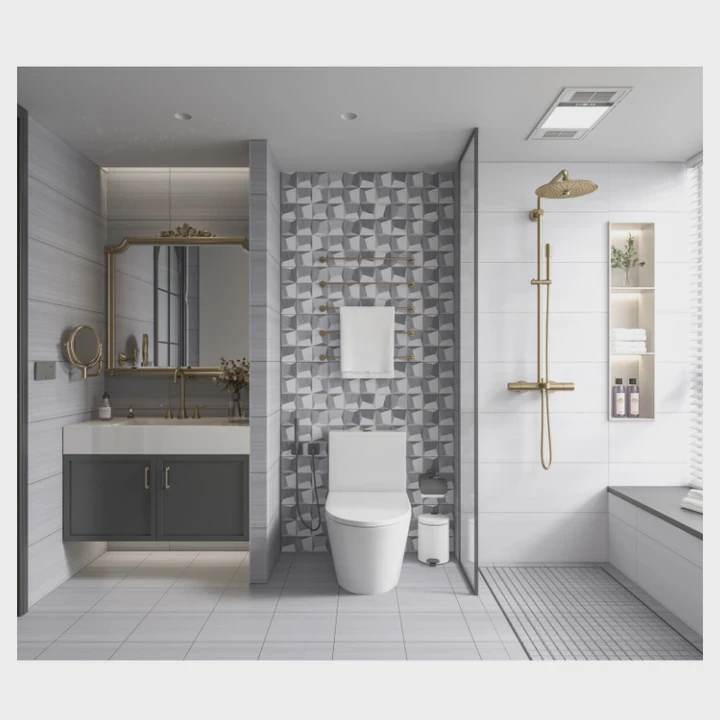
- Large tiles on walls
- Small tiles on floors
This keeps a clean look while ensuring safety.
Real Project Insight
In one project, large tiles were initially selected for the shower floor. Installation issues led to uneven drainage. The tiles had to be replaced with mosaics.
This increased cost and delayed completion.
Key Takeaway
Tile size is not just about style. It directly affects performance. Smaller tiles are always the safer and more practical choice for shower floors.
Can grout type affect shower tile durability?
Grout is often overlooked. But it plays a major role in tile performance. Poor grout can lead to mold, cracks, and water damage.
Yes, grout type strongly affects durability. Epoxy grout offers the best water resistance and stain protection, while cement grout is more affordable but requires sealing.
Types of Grout
There are two main types used in showers:
- Cement-based grout
- Epoxy grout
Cement Grout
Cement grout is widely used. It is easy to apply and low cost. However, it is porous. Water can penetrate it.
This leads to mold growth and discoloration over time.
Sealing is required to improve performance.
Epoxy Grout
Epoxy grout is non-porous. It resists water, stains, and chemicals. It is more durable than cement grout.
However, it is harder to apply and more expensive.
Grout Comparison Table
| Feature | Cement Grout | Epoxy Grout |
|---|---|---|
| Water Resistance | Low | Very High |
| Stain Resistance | Low | High |
| Maintenance | High | Low |
| Cost | Low | High |
| Ease of Use | Easy | Difficult |
Why Grout Matters
Even if tiles are waterproof, grout lines are weak points. Water can enter through grout and damage the substrate.
In many cases, grout failure leads to tile failure.
Mold and Hygiene
Showers are humid spaces. Cement grout can trap moisture. This creates a perfect environment for mold.
Epoxy grout prevents this problem.
Practical Advice
- Use epoxy grout for high-end or commercial projects
- Use sealed cement grout for budget projects
- Maintain grout regularly
Long-Term Thinking
Choosing the right grout reduces maintenance costs. It also improves hygiene and durability.
Conclusion
The best shower tile combines water resistance, slip safety, proper size, and durable grout. Porcelain tiles with textured surfaces, small floor sizes, and epoxy grout provide the most reliable and long-lasting solution.