How to Install Shower Tile Wall?
- Sinotiles
- 2026-05-11
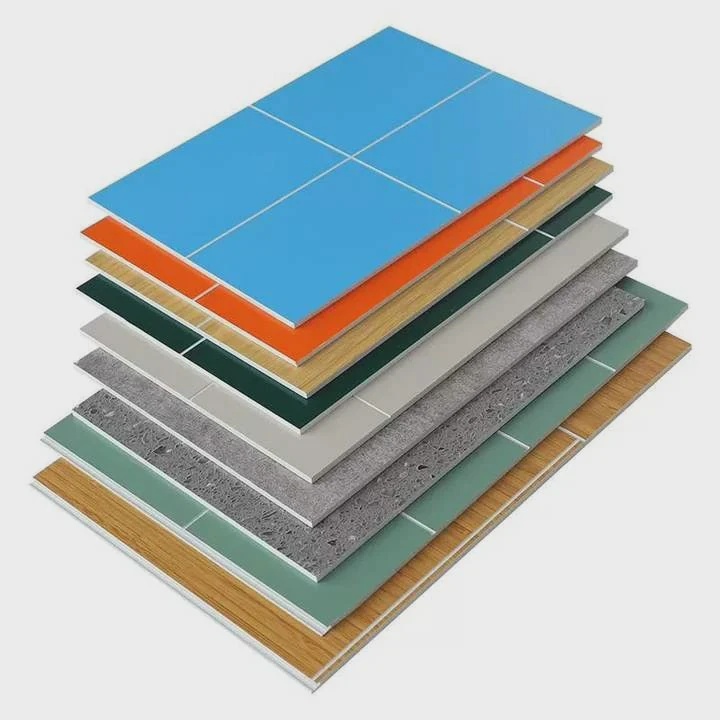
A poorly installed shower tile wall can lead to leaks, mold, and expensive repairs. Many people rush the process and skip key steps that affect long-term durability.
To install a shower tile wall correctly, proper surface preparation, waterproofing, adhesive selection, and grout timing are all important. Each step helps create a durable and water-resistant shower wall that lasts for many years.
Many shower wall problems do not appear right away. Water damage often starts behind the tiles long before stains or cracks become visible. That is why every step in the installation process matters. Good preparation helps avoid future repair costs and keeps the shower looking clean and professional.
What preparation is needed before wall tiling?
A weak or uneven wall surface can cause loose tiles, cracked grout, and water leaks. Many installation failures start because the wall was not prepared correctly before tiling.
Before wall tiling, the surface must be clean, flat, dry, and strong enough to support tiles. Cement boards, proper measurements, and layout planning are also necessary for a stable installation.
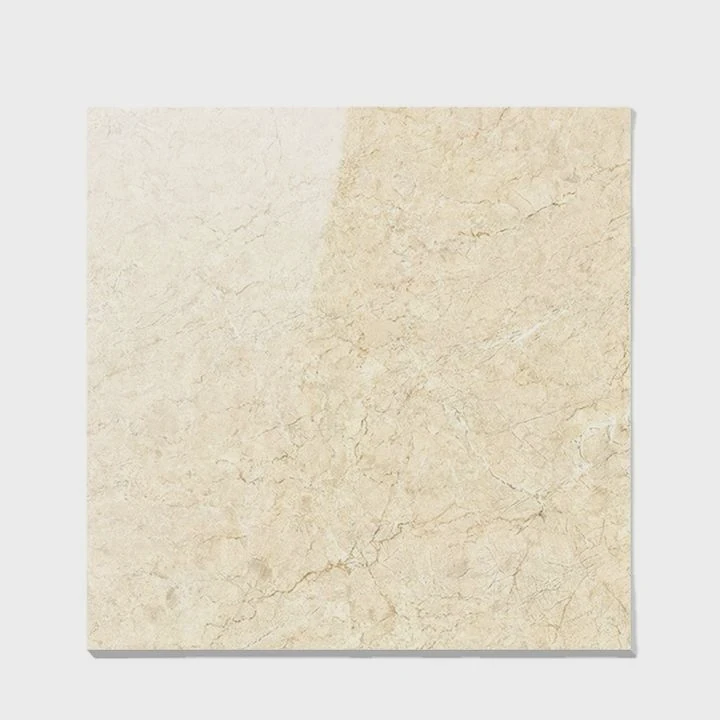
Wall preparation often takes more time than the actual tiling work. Still, this step decides how strong and long-lasting the installation will be.
Check the Wall Structure
The first step is checking the wall condition. Drywall is usually not suitable inside shower areas because moisture can damage it over time. Most installers use cement backer boards because they resist water and provide better tile support.
Here are the common wall base materials:
| Wall Material | Suitable for Shower Walls | Water Resistance |
|---|---|---|
| Regular Drywall | No | Low |
| Green Board | Limited Use | Medium |
| Cement Backer Board | Yes | High |
| Foam Tile Board | Yes | High |
A stable wall prevents movement behind the tiles. Even small wall shifts can crack grout lines later.
Make Sure the Surface Is Flat
Uneven walls create tile alignment problems. Large format tiles especially need flat surfaces. A long straightedge or level can help identify low and high spots.
Most professional installers allow no more than 1⁄8 inch variation across a large wall section.
If the surface has uneven areas, these methods may help:
- Sand high spots
- Fill low spots with patching compound
- Replace damaged boards
- Tighten loose screws
Plan the Tile Layout
Good layout planning improves both appearance and efficiency.
Many beginners start tiling directly from the floor. This can create uneven tile cuts near the ceiling if the floor is not perfectly level. A better method is marking reference lines first.
Important Layout Steps
Measure the Full Wall
Measure height and width carefully. Include corners, niches, and plumbing locations.
Dry Lay the Tiles
Place several tiles on the floor with spacers to calculate actual spacing.
Avoid Small Tile Cuts
Very thin tile cuts near edges often look unprofessional. Balanced tile layouts usually create cleaner results.
Prepare Necessary Tools
A smooth workflow depends on proper tools.
| Tool | Purpose |
|---|---|
| Tile Cutter | Cutting tiles |
| Notched Trowel | Spreading adhesive |
| Level | Keeping tiles straight |
| Tile Spacers | Maintaining gaps |
| Mixing Bucket | Preparing mortar |
| Sponge | Cleaning grout haze |
Clean the Surface Thoroughly
Dust, grease, or loose debris weakens adhesive bonding. Every wall should be wiped clean before waterproofing or tiling begins.
In many commercial projects, cleaning is treated as a small step. Still, poor surface cleanliness often becomes the hidden reason behind tile failures.
Think About Expansion and Movement
Buildings naturally expand and contract due to temperature and moisture changes. Movement joints help reduce stress on tiles.
Corners and transitions should not always be fully rigid. Flexible sealants are often used instead of grout in these areas.
Proper preparation creates the foundation for the entire shower wall system. Without it, even expensive tiles may fail much earlier than expected.
How do you waterproof shower walls properly?
Water damage behind shower walls often stays hidden for years. Many tile installations fail because waterproofing was incomplete or poorly applied.
Proper shower wall waterproofing requires a waterproof membrane, sealed joints, protected corners, and complete moisture coverage behind the tile surface. Waterproofing should always be continuous and gap-free.
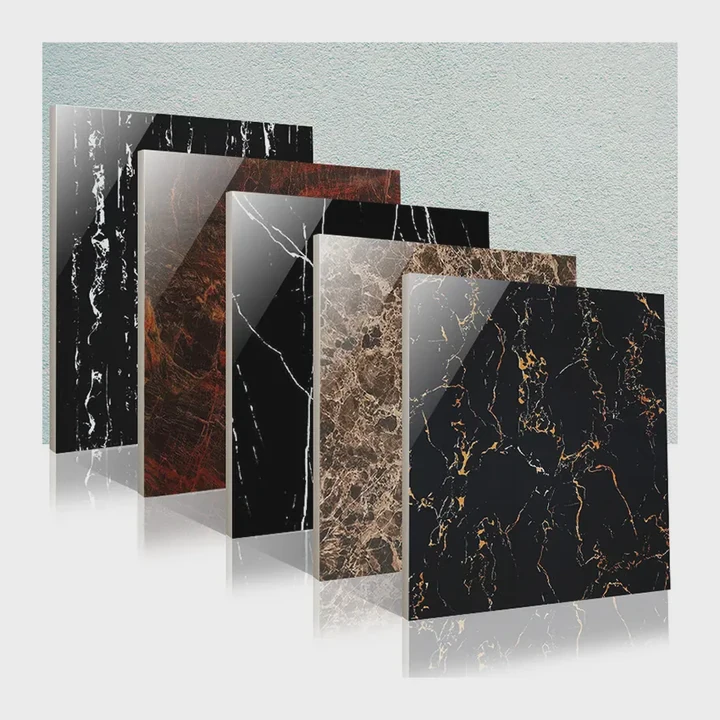
Tiles themselves are not fully waterproof. Water can pass through grout joints and small gaps over time. That is why the waterproof layer behind the tiles is critical.
Why Waterproofing Matters
Many people think tiles stop water completely. In reality, grout and tile joints allow moisture movement. Without protection behind the wall, water can reach wood framing and insulation.
This may cause:
- Mold growth
- Wall swelling
- Tile detachment
- Structural damage
- Bad odors
Good waterproofing protects the entire shower structure.
Common Waterproofing Systems
There are two main waterproofing methods used today.
| Waterproofing Type | Description | Common Use |
|---|---|---|
| Liquid Membrane | Rolled or brushed onto walls | Residential showers |
| Sheet Membrane | Waterproof sheets attached to walls | Premium installations |
Both systems can work well when installed correctly.
Liquid Waterproof Membranes
Liquid membranes are popular because they are easy to apply.
The installer usually applies multiple coats using rollers or brushes. Each coat must dry before the next one is added.
Key Areas That Need Extra Attention
Corners
Wall corners experience movement and stress. Reinforcing fabric is often added here.
Pipe Penetrations
Shower valves and plumbing openings must be sealed carefully.
Niches and Shelves
Built-in shower niches collect water easily. These areas need complete waterproof coverage.
Sheet Membrane Systems
Sheet membranes provide very reliable waterproofing when seams are sealed correctly.
Many professional installers prefer sheet systems because the waterproof layer thickness stays consistent.
Still, installation requires precision.
Waterproofing Application Tips
| Step | Purpose |
|---|---|
| Seal joints first | Prevent leaks at seams |
| Apply even coverage | Avoid weak spots |
| Overlap seams properly | Stop water penetration |
| Follow drying times | Ensure full curing |
Flood Testing
Some installers test waterproofing before tiling begins.
A flood test checks if water escapes through weak points. This step is more common in commercial or luxury projects.
Common Waterproofing Mistakes
Skipping Waterproofing Entirely
Some older methods relied only on cement boards. This is no longer considered best practice.
Applying Thin Coats
Thin waterproof layers may crack or fail.
Ignoring Drying Times
Rushing the process weakens membrane performance.
Missing Small Openings
Tiny unsealed gaps near plumbing can still allow major water damage over time.
Waterproofing and Long-Term Maintenance
Good waterproofing also reduces maintenance problems later.
Properly protected walls often experience:
- Less mold growth
- Cleaner grout joints
- Fewer tile repairs
- Better durability
Many large hotel and apartment projects focus heavily on waterproofing because future repairs inside occupied buildings are extremely expensive.
A strong waterproof layer may never be visible after installation. Still, it is one of the most important parts of any shower wall system.
Which adhesives are best for wet environments?
Tiles may loosen or fall if the wrong adhesive is used in wet areas. Standard adhesives often cannot handle constant moisture exposure inside showers.
Polymer-modified thin-set mortar is usually the best adhesive for shower tile walls because it offers strong bonding, moisture resistance, and durability in wet environments.
Adhesive choice directly affects how long the tiles stay attached to the wall. Moisture, temperature changes, and tile weight all influence adhesive performance.
Understanding Tile Adhesives
Not all tile adhesives work the same way. Some are designed only for dry indoor walls.
Showers require stronger moisture-resistant materials.
Main Types of Tile Adhesives
| Adhesive Type | Suitable for Showers | Notes |
|---|---|---|
| Organic Mastic | Limited | Not ideal for constant water |
| Unmodified Thin-set | Sometimes | Depends on membrane type |
| Polymer-Modified Thin-set | Yes | Most common choice |
| Epoxy Adhesive | Yes | High-performance option |
Why Polymer-Modified Thin-set Works Well
Polymer additives improve flexibility and bonding strength.
This type of mortar handles:
- Moisture exposure
- Temperature movement
- Heavy tile loads
- Minor wall movement
Large format porcelain tiles especially benefit from stronger adhesives.
Matching Adhesive to Tile Type
Different tiles absorb moisture differently.
Porcelain Tiles
Porcelain has very low water absorption. Strong modified thin-set usually works best.
Ceramic Tiles
Ceramic tiles are easier to bond but still need moisture-resistant adhesives.
Large Slab Tiles
Large slabs require high-bond mortars designed for heavy materials.
Adhesive Selection by Environment
| Environment | Recommended Adhesive |
|---|---|
| Residential Shower | Modified Thin-set |
| Steam Room | Epoxy or Premium Thin-set |
| Commercial Spa | High-performance Mortar |
| Large Format Tile Shower | Large Tile Mortar |
Proper Mixing Matters
Even high-quality adhesive can fail if mixed incorrectly.
Too much water weakens bonding strength. Poor mixing creates uneven consistency.
Professional installers often follow these steps:
- Add measured water first
- Slowly mix powder
- Let mortar slake
- Remix before use
Trowel Size Affects Adhesion
Different tile sizes require different notch sizes.
Larger tiles need more adhesive coverage to avoid hollow spots behind the tile.
Coverage Is Important
Industry standards usually recommend:
- 95% mortar coverage in wet areas
- Full corner support
- No large empty gaps
Poor coverage allows water pockets and weak bonding.
Environmental Conditions Matter
Very hot or dry environments can cause mortar to dry too quickly. This reduces bonding performance.
Installers often work in smaller sections to prevent surface skinning.
Common Adhesive Mistakes
Using Premixed Adhesives in Wet Areas
Some premixed mastics are not designed for continuous moisture exposure.
Applying Too Much Mortar
Excess mortar can push tiles unevenly.
Ignoring Open Time
Mortar loses bonding ability after sitting exposed too long.
Long-Term Performance
Strong adhesives help shower walls resist:
- Tile slipping
- Cracking
- Moisture damage
- Heavy daily use
In many export projects, adhesive quality becomes especially important because different climates create different installation challenges.
A durable shower wall depends not only on beautiful tiles, but also on the hidden bonding system behind them.
When should grout be applied after tiling?
Applying grout too early can weaken the tile installation. Many problems happen because the adhesive underneath the tiles has not fully cured yet.
Grout should usually be applied 24 to 48 hours after tiling, depending on the adhesive type, tile size, temperature, and humidity conditions. Proper curing time helps ensure a strong and stable installation.
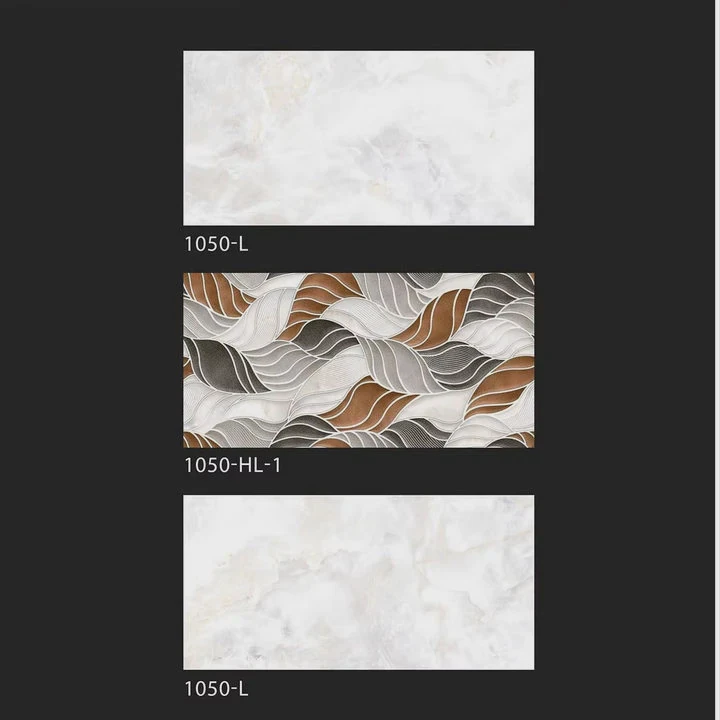
Grouting may look like a simple finishing step, but timing matters more than many people expect.
Why Waiting Matters
Thin-set mortar needs time to harden fully.
If grout is applied too soon:
- Tiles may shift
- Adhesive may weaken
- Moisture may become trapped
- Grout cracks may appear later
Large format tiles often require longer curing times because less air reaches the mortar underneath.
Standard Waiting Times
| Tile Installation Condition | Recommended Wait Time |
|---|---|
| Standard Ceramic Tile | 24 Hours |
| Large Format Tile | 48 Hours |
| Cool or Humid Conditions | Longer Wait |
| Rapid-Set Mortar | Shorter Wait |
Always follow the adhesive manufacturer’s instructions.
Environmental Conditions Affect Drying
Temperature and humidity strongly affect curing speed.
High Humidity
Moisture slows evaporation and curing.
Low Temperatures
Cold conditions reduce mortar hardening speed.
Poor Ventilation
Air circulation helps moisture escape from the adhesive.
Signs the Adhesive Has Cured
Experienced installers often check:
- Tile stability
- Mortar hardness
- Color consistency
- Surface dryness
Moving tiles usually indicate incomplete curing.
Choosing the Right Grout
Different shower projects may use different grout types.
| Grout Type | Features |
|---|---|
| Cement Grout | Common and affordable |
| Epoxy Grout | Strong stain resistance |
| Premixed Grout | Easy application |
| Sanded Grout | Wider joints |
| Unsanded Grout | Narrow joints |
Grouting Process Basics
Step 1: Clean Tile Joints
Remove excess mortar from joints before grouting.
Step 2: Apply Grout Evenly
Use a rubber float to press grout into joints.
Step 3: Clean Excess Grout
A damp sponge removes surface residue.
Step 4: Polish Remaining Haze
After drying slightly, microfiber cloths help remove haze.
Common Grouting Mistakes
Grouting Too Early
This remains one of the most common installation errors.
Using Too Much Water During Cleanup
Excess water weakens grout strength and color consistency.
Leaving Gaps Unfilled
Incomplete joints allow water penetration later.
Grouting Expansion Joints
Corners and movement joints usually need flexible sealants instead.
Sealing the Grout
Some grout types benefit from sealing after curing.
Sealants help:
- Reduce staining
- Improve water resistance
- Simplify cleaning
Long-Term Grout Maintenance
Good grout installation improves the overall appearance of the shower wall for many years.
Regular cleaning and proper ventilation help reduce:
- Mold growth
- Soap buildup
- Grout discoloration
In many high-use commercial projects, grout performance often determines how professional the installation continues to look after years of daily use.
Careful timing during grouting protects all the earlier installation work and helps complete a durable shower wall system.
Conclusion
Installing shower tile walls correctly requires patience and careful planning. Strong preparation, proper waterproofing, suitable adhesives, and correct grout timing all work together to create a durable and professional shower installation that lasts for many years.