How to Install Tile on Sheetrock?
- Sinotiles
- 2026-07-03
Many people want to install tile on sheetrock to save time and reduce renovation costs. Yet poor preparation can lead to loose tiles, moisture damage, and expensive repairs.
To install tile on sheetrock successfully, the surface must be clean, stable, and properly prepared. Waterproofing may be required in wet areas, and selecting the right adhesive is essential for long-term performance.
Tile installation on drywall is common in kitchens, bathrooms, laundry rooms, and decorative wall applications. The key is understanding when sheetrock is suitable and what steps are necessary before installation begins.
What Preparation Is Needed for Sheetrock Tiling?
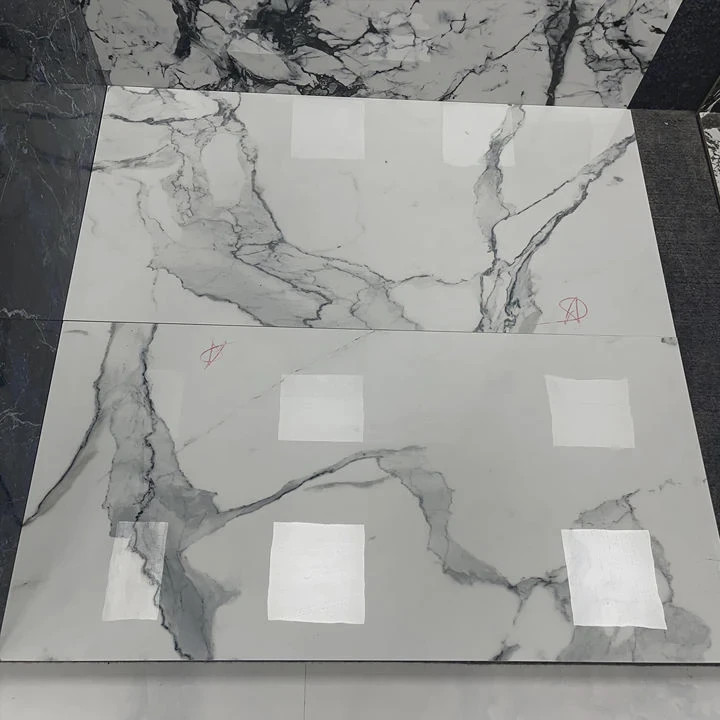
Many tile failures happen before the first tile is even installed. An uneven, dirty, or damaged surface can cause serious issues later.
Proper sheetrock preparation includes inspecting the drywall, repairing damage, cleaning the surface, ensuring structural stability, and creating a suitable bonding surface for tile adhesive.
Before opening a bag of mortar or planning a tile layout, the condition of the sheetrock should be carefully evaluated. Not every drywall surface is ready for tile installation.
Inspect the Condition of the Sheetrock
The first step is checking whether the drywall is strong enough to support the tile.
Inspect the wall for:
- Cracks
- Water damage
- Mold
- Loose fasteners
- Soft spots
- Surface deterioration
Any damaged sections should be repaired or replaced before tiling begins.
The table below shows common drywall issues and recommended solutions.
| Drywall Condition | Recommended Action |
|---|---|
| Minor dents | Fill with joint compound |
| Small cracks | Repair and sand smooth |
| Water stains | Investigate moisture source |
| Mold growth | Remove affected drywall |
| Loose sheetrock | Refasten to framing |
| Severe damage | Replace drywall panel |
Ignoring these issues can lead to tile failure after installation.
Verify Wall Flatness
Tile performs best on a flat surface.
Large-format tiles especially require minimal wall variation.
A straightedge can help identify:
- High spots
- Low spots
- Uneven seams
- Bowed wall sections
Minor imperfections can often be corrected using skim coating or sanding.
Clean the Surface Thoroughly
Dust and debris reduce adhesive performance.
The wall should be free of:
- Dust
- Grease
- Soap residue
- Construction debris
- Loose paint
A clean surface allows the adhesive to achieve stronger bonding.
Plan Tile Layout Before Installation
Layout planning helps avoid awkward cuts and uneven visual results.
Many installers begin by finding the center of the wall and working outward.
Important considerations include:
- Focal points
- Outlet locations
- Corner transitions
- Trim placement
- Pattern alignment
Careful planning improves both appearance and installation efficiency.
Consider Tile Weight
Not all sheetrock applications are the same.
Light ceramic wall tile generally places less stress on drywall than large porcelain panels or natural stone.
Before installation, verify:
- Tile dimensions
- Tile thickness
- Tile weight per square foot
- Wall framing condition
Heavy tile installations may require additional structural support.
Why Preparation Determines Success
Many installation problems blamed on adhesive or tile quality actually begin with poor surface preparation.
A properly prepared sheetrock surface provides:
- Better adhesion
- Improved durability
- Reduced cracking risk
- Easier installation
- Longer service life
Investing extra time during preparation often prevents costly repairs in the future.
How Do You Waterproof Sheetrock Before Tiling?
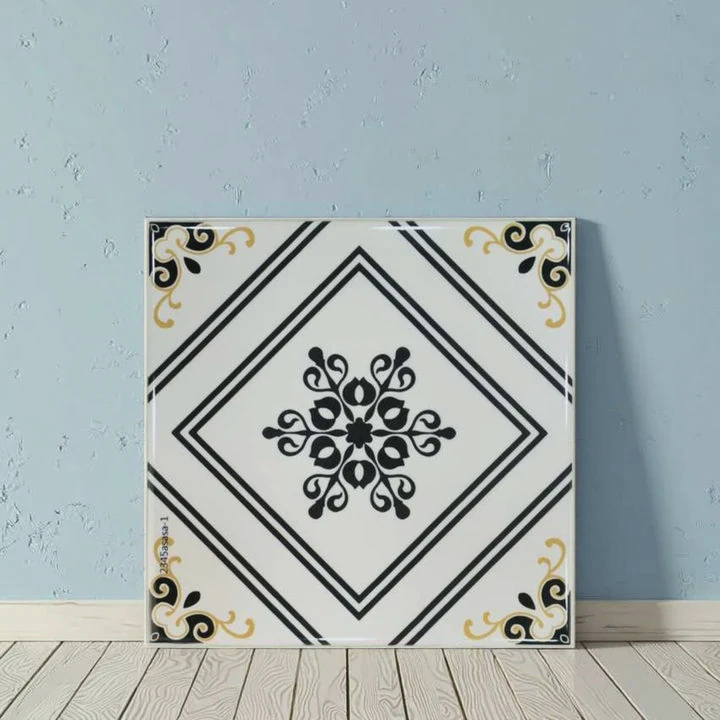
Moisture is one of the biggest threats to drywall. In wet areas, waterproofing becomes an essential step before tile installation.
Sheetrock can be waterproofed by applying a waterproof membrane, liquid waterproofing product, or specialized waterproof board system before tile installation.
Many people assume tile itself is waterproof. In reality, grout joints and small gaps can allow moisture to penetrate behind the tile surface.
Understanding Wet and Dry Areas
Not every tiled wall requires the same level of protection.
Areas can generally be divided into two categories.
| Area Type | Waterproofing Requirement |
|---|---|
| Kitchen backsplash | Usually optional |
| Decorative feature wall | Usually optional |
| Bathroom wall outside shower | Recommended |
| Shower walls | Required |
| Steam rooms | Required |
| Commercial wet areas | Required |
The amount of water exposure determines the waterproofing strategy.
Liquid Waterproofing Membranes
Liquid waterproofing products are widely used because they are easy to apply.
The process typically involves:
- Cleaning the drywall surface.
- Applying the first coat.
- Allowing proper drying time.
- Applying a second coat.
- Inspecting for complete coverage.
The finished membrane creates a protective barrier between moisture and drywall.
Sheet Membrane Systems
Sheet membranes provide another waterproofing solution.
Benefits include:
- Consistent thickness
- Immediate waterproofing
- Strong moisture protection
- Crack isolation properties
These membranes are commonly used in high-moisture environments such as showers and steam rooms.
Pay Attention to Vulnerable Areas
Water usually enters through weak points rather than large wall surfaces.
Special attention should be given to:
- Corners
- Pipe penetrations
- Valve openings
- Niches
- Seams
- Floor transitions
Proper sealing in these areas greatly improves moisture protection.
Why Moisture Protection Matters
When drywall absorbs water, several problems can occur:
- Mold growth
- Surface deterioration
- Tile loosening
- Structural damage
- Grout cracking
Waterproofing helps prevent these issues before they start.
Common Waterproofing Mistakes
Some installers rush through this stage.
Common mistakes include:
- Applying waterproofing too thin
- Missing corners
- Ignoring fastener penetrations
- Skipping manufacturer instructions
- Installing tile before full curing
A complete waterproofing system works only when every component is properly installed.
Which Adhesives Work on Drywall Surfaces?
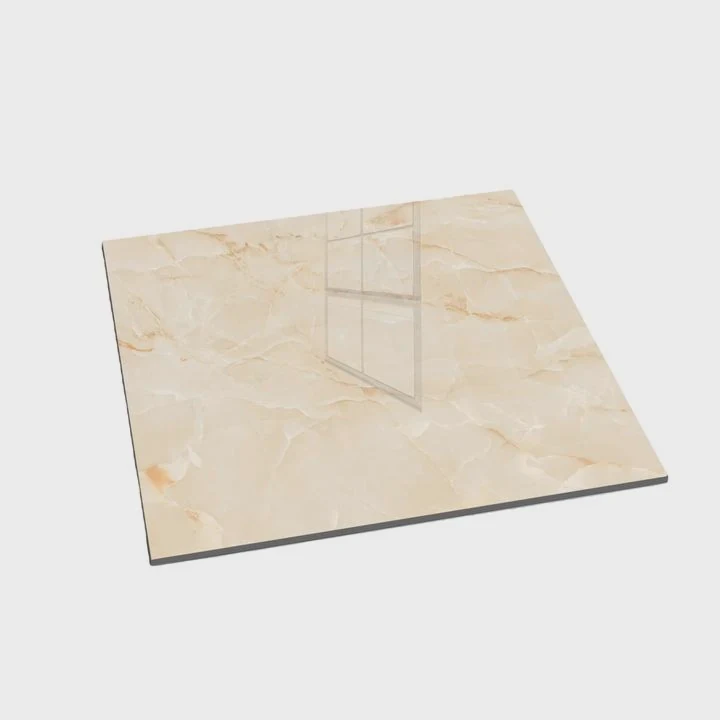
Selecting the wrong adhesive can cause bond failure even when the drywall preparation is excellent.
Modified thin-set mortar is generally the preferred adhesive for tile on drywall because it provides strong bonding, durability, and compatibility with most ceramic and porcelain tiles.
Different tile types and installation environments require different adhesive solutions.
Common Adhesive Options
Several adhesive products are available for drywall installations.
| Adhesive Type | Best Use |
|---|---|
| Modified thin-set mortar | Most wall tile applications |
| Unmodified thin-set | Specific membrane systems |
| Premixed mastic | Dry interior wall areas |
| Epoxy adhesive | Specialized commercial projects |
| Rapid-set mortar | Fast-track installations |
Each option offers different performance characteristics.
Modified Thin-Set Mortar
This is the most commonly recommended choice.
Advantages include:
- Strong bond strength
- Moisture resistance
- Long-term durability
- Suitable for porcelain tile
- Suitable for ceramic tile
Many professional installers prefer modified thin-set for residential and commercial projects.
Premixed Mastic
Mastic is often used for lightweight wall tiles in dry areas.
Benefits include:
- Easy application
- No mixing required
- Strong initial grab
- Convenient for small projects
However, mastic is generally not recommended for continuously wet environments.
Matching Adhesive to Tile Type
Different tiles create different installation demands.
Ceramic Tile
Ceramic wall tile typically works well with:
- Modified thin-set
- Mastic in dry locations
Porcelain Tile
Porcelain tile usually requires:
- High-performance modified thin-set
- Stronger bonding capability
Large Format Tile
Large tiles often require:
- Medium-bed mortar
- Non-sag wall mortar
- Enhanced bonding products
Environmental Considerations
Temperature and humidity can influence adhesive performance.
Installers should consider:
- Room temperature
- Drying conditions
- Cure time
- Ventilation
Following manufacturer instructions helps ensure proper bonding.
Why Quality Adhesive Matters
The adhesive forms the connection between tile and wall.
A high-quality adhesive provides:
- Better bond strength
- Reduced movement
- Improved moisture resistance
- Longer installation life
Choosing the correct product often has a greater impact than many homeowners realize.
Can Tile Be Installed Directly on Painted Sheetrock?
Many homeowners want to tile over existing painted drywall to avoid removing old wall finishes. While this can be possible, several factors must be evaluated first.
Tile can often be installed over painted sheetrock if the paint is firmly bonded, clean, and properly prepared. Glossy, damaged, or peeling paint usually requires additional preparation or removal.
Paint creates a barrier between the drywall and tile adhesive. The quality of that barrier determines whether the installation will succeed.
Evaluate the Existing Paint
Not all painted surfaces are suitable for tile installation.
Inspect for:
- Peeling paint
- Flaking paint
- Water damage
- Surface contamination
- Cracks
- Loose drywall paper
Any unstable paint should be removed before installation.
Test Paint Adhesion
A simple adhesion test can reveal potential problems.
Common methods include:
- Tape testing
- Scratch testing
- Visual inspection
If paint separates easily from the wall, tile should not be installed over it.
Dealing with Glossy Paint
Glossy finishes can reduce adhesive grip.
Preparation may involve:
- Sanding the surface
- Applying a bonding primer
- Cleaning away sanding dust
Creating a rougher surface improves mortar adhesion.
When Paint Should Be Removed
Complete paint removal may be necessary if:
- Multiple paint layers exist
- Moisture damage is present
- Adhesion is poor
- Surface contamination cannot be cleaned
In these situations, removal often provides a more reliable foundation.
Surface Preparation Steps
When tiling over paint, installers typically follow these steps:
- Clean the wall thoroughly.
- Repair damaged areas.
- Sand glossy finishes.
- Remove loose paint.
- Apply primer if required.
- Install tile using approved adhesive.
Skipping these steps increases installation risk.
Advantages and Risks
Installing tile over painted drywall can save time and labor.
Potential advantages include:
- Faster installation
- Lower demolition costs
- Less dust
- Reduced project time
Potential risks include:
- Paint failure
- Reduced bond strength
- Hidden wall damage
- Future tile detachment
The condition of the painted surface ultimately determines whether direct installation is appropriate.
Professional Recommendation
For long-term performance, many professionals prefer working with a properly prepared drywall surface rather than relying entirely on existing paint. The additional preparation may require more effort, but it often results in a stronger and more reliable tile installation.
Conclusion
Installing tile on sheetrock can be a successful and durable solution when the wall is properly prepared, waterproofed where necessary, and paired with the correct adhesive. Careful surface evaluation and proper installation techniques help ensure long-lasting results in both residential and commercial applications.
- Pre: How to Tile Herringbone?
- Next: How to Tile a Wall?