How to Keep Rugs from Sliding on Tile Floors?
- Sinotiles
- 2026-04-09
Rugs sliding on tile floors can be frustrating and unsafe. Many people deal with constant shifting, wrinkles, and even accidents at home.
The best way to keep rugs from sliding on tile floors is to use non-slip materials, proper rug pads, secure placement methods, and safe adhesives that protect both the rug and tile surface.
Loose rugs are not just annoying. They create safety risks and damage floor aesthetics. A stable rug improves comfort and keeps the space looking clean and organized.
Understanding simple solutions can prevent daily problems and reduce long-term wear on both rugs and tiles.
What materials prevent rugs from slipping on tile?
Many rugs slide because the backing does not grip smooth tile surfaces. Choosing the right material makes a big difference.
Materials like rubber, latex, PVC, and felt-rubber blends are effective in preventing rugs from slipping on tile floors.
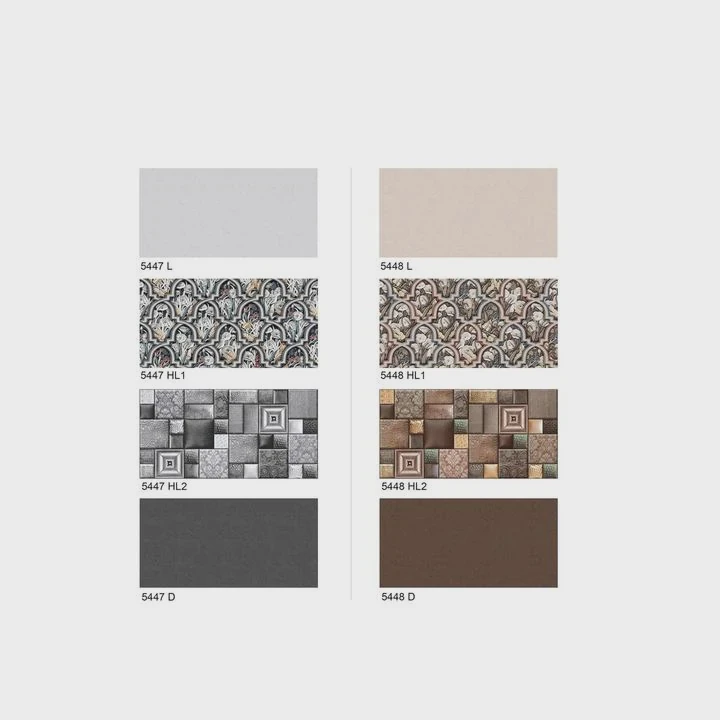
Tile floors are smooth and hard. This makes friction very low. Without proper backing, rugs move easily even with light foot traffic.
Common Anti-Slip Materials
| Material Type | Grip Level | Durability | Best Use |
|---|---|---|---|
| Rubber | High | High | High-traffic areas |
| Latex | Medium | Medium | Light-use areas |
| PVC | Medium | High | General household use |
| Felt + Rubber | High | High | Large rugs and living rooms |
Why Material Matters
Rubber creates strong friction against tile. This keeps rugs stable even when people walk over them frequently.
Latex backing is softer. It works well for smaller rugs but may wear out faster.
Felt alone does not provide grip. However, when combined with rubber, it adds cushioning and stability.
Choosing the Right Material
- For entryways → use rubber backing
- For bedrooms → felt + rubber combination
- For kitchens → PVC or rubber for easy cleaning
Common Mistakes
- Using rugs with no backing
- Choosing decorative rugs without grip
- Ignoring tile surface smoothness
Practical Insight
In many homes, switching to a rug with proper backing solves most slipping issues without extra tools.
Material choice is the first and simplest step toward a stable rug setup.
How do rug pads improve grip on tile floors?
Rug pads are often overlooked, but they are one of the most effective solutions for sliding rugs.
Rug pads improve grip by increasing friction, adding weight, and creating a stable layer between the rug and tile floor.
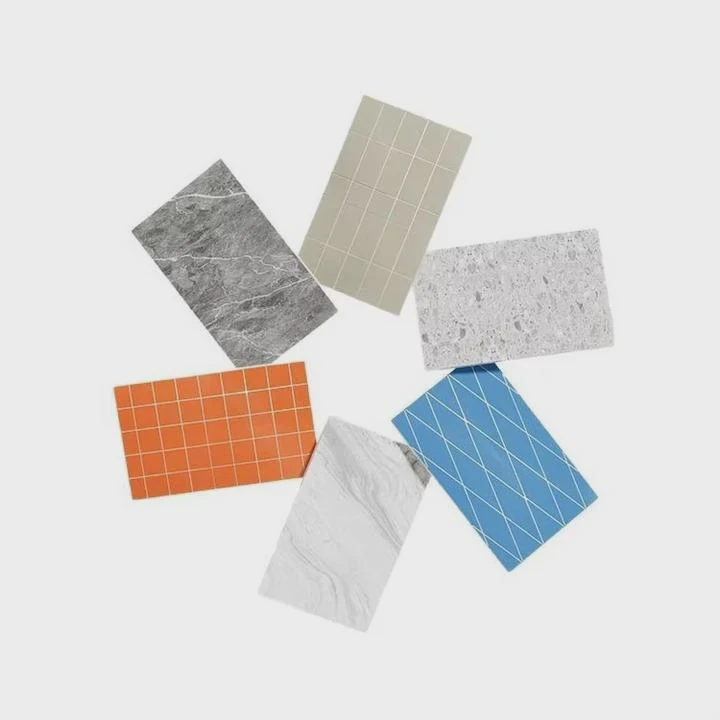
A rug pad acts as a buffer. It prevents direct contact between the rug and tile, which reduces movement.
Key Benefits of Rug Pads
Increased Friction
The pad grips both the tile and the rug, reducing sliding.
Added Cushioning
Pads make rugs feel softer underfoot.
Floor Protection
Pads prevent scratches and reduce wear on tile surfaces.
Types of Rug Pads
| Pad Type | Features | Best Use |
|---|---|---|
| Rubber pad | Strong grip | High-traffic areas |
| Felt pad | Soft cushioning | Low-traffic areas |
| Felt + rubber pad | Grip + comfort | Living rooms, bedrooms |
| PVC pad | Affordable, basic grip | Temporary solutions |
How to Use Rug Pads Correctly
- Choose a pad slightly smaller than the rug
- Place it evenly under the rug
- Ensure no edges are exposed
Why Pads Are Better Than Direct Solutions
Unlike adhesives, rug pads do not stick permanently. They allow easy adjustment and cleaning.
Real-World Advantage
In commercial or busy homes, rug pads reduce movement significantly. They also extend the life of both the rug and the tile.
Cost vs Value
Rug pads are a small investment but provide long-term benefits. They improve safety and reduce maintenance effort.
Using a proper rug pad is one of the easiest upgrades for any tiled space.
Which methods work best for high traffic areas?
High traffic areas cause rugs to shift more often. Standard solutions may not be enough.
The best methods for high traffic areas include heavy-duty rug pads, double-sided rug tape, furniture anchoring, and choosing heavier rugs.
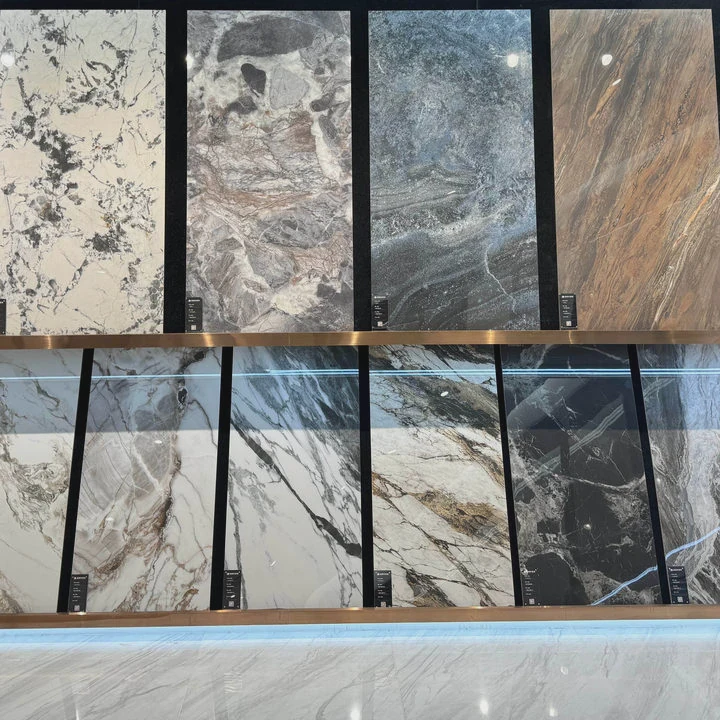
Entryways, hallways, and living rooms experience constant movement. Rugs in these areas need stronger support.
Effective Methods for Stability
1. Heavy-Duty Rug Pads
These provide strong grip and durability. They are designed for frequent use.
2. Double-Sided Rug Tape
This tape sticks the rug to the floor. It provides extra hold but should be used carefully.
3. Furniture Anchoring
Placing furniture on rug edges helps keep it in place.
4. Heavier Rugs
Thicker and heavier rugs naturally resist movement.
Method Comparison
| Method | Stability Level | Ease of Use | Reusability |
|---|---|---|---|
| Heavy-duty pad | High | Easy | Yes |
| Rug tape | Very high | Medium | Limited |
| Furniture anchoring | Medium | Easy | Yes |
| Heavy rug | Medium | Easy | Yes |
Combining Methods
The best results often come from combining solutions. For example:
- Use a heavy-duty pad + furniture anchoring
- Use rug tape only in corners
Common Mistakes
- Using light pads in busy areas
- Applying too much tape
- Ignoring rug size and weight
Practical Insight
In many projects, adding a high-quality rug pad alone solves most issues. Extra methods are only needed for extreme traffic.
Choosing the right method ensures both safety and durability in busy spaces.
Can adhesives damage tile surfaces over time?
Many people worry about using adhesives on tile floors. This concern is valid.
Yes, some adhesives can damage tile surfaces over time by leaving residue, causing discoloration, or affecting grout lines if used improperly.
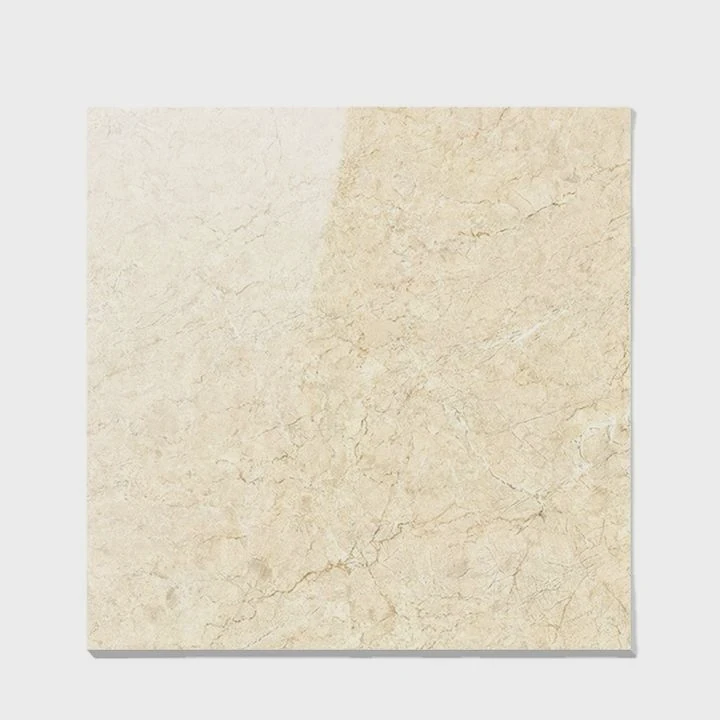
Tile surfaces are durable, but not all adhesives are safe. Some tapes and glues leave sticky residue that is hard to remove.
Potential Risks
- Residue buildup on tiles
- Discoloration over time
- Damage to grout lines
- Difficulty in cleaning
Safe vs Risky Adhesives
| Adhesive Type | Risk Level | Notes |
|---|---|---|
| Rug tape (low-quality) | High | Leaves strong residue |
| Removable tape | Low | Designed for safe removal |
| Glue adhesives | High | Not recommended for tiles |
| Non-slip pads | Very low | Safe and reusable |
How to Use Adhesives Safely
- Choose removable or tile-safe tape
- Apply only in small areas
- Avoid direct contact with grout lines
Better Alternatives
Non-slip pads and rubber backing are safer options. They provide grip without risking surface damage.
Long-Term Considerations
Repeated use of strong adhesives can make cleaning difficult. It may also affect the appearance of tiles.
Practical Recommendation
Use adhesives only when necessary. Always test a small area before full application.
Protecting tile surfaces should always be a priority. A stable rug should not come at the cost of floor damage.
Conclusion
Keeping rugs from sliding on tile floors requires the right materials, effective rug pads, strong methods for busy areas, and careful use of adhesives. A balanced approach ensures safety, protects floors, and maintains a clean and stable space.