How to Lay 12x24 Tile on Floor?
- Sinotiles
- 2026-05-11
Installing 12x24 floor tiles looks simple at first. Many people start without a clear plan. Then uneven joints, hollow spots, and lippage appear. The whole floor can look unprofessional.
To lay 12x24 floor tiles correctly, the surface must be flat, the layout should be planned first, and the right mortar and trowel must be used. Large-format tiles also need proper spacing, back buttering, and enough curing time before grouting.
Large-format tiles are popular in modern homes and commercial projects because they create a clean and spacious look. Yet these tiles are less forgiving than small tiles. Small mistakes become very visible once installation starts. Good preparation and correct methods help avoid wasted material, callbacks, and expensive repairs later.
What Layout Planning Is Needed for Large Tiles?
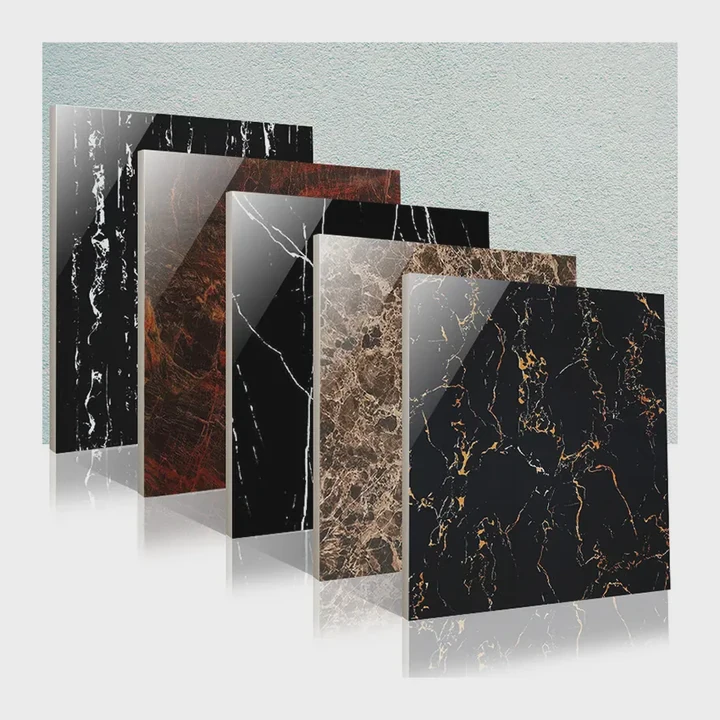
Large tiles can quickly expose poor planning. Uneven cuts near walls or narrow tile strips can ruin the visual effect. Many installers only realize this after half the floor is finished.
Good layout planning for 12x24 tiles includes checking room dimensions, finding the center line, dry laying tiles, balancing cuts on both sides, and choosing the correct tile direction before installation begins.
Large-format tiles need more attention during the planning stage because their size affects the whole room visually. A poor starting point can create awkward cuts along walls, doors, or cabinets. In many projects, layout mistakes become obvious only after the mortar starts setting. At that point, fixing the issue becomes expensive and time-consuming.
Check Floor Flatness First
Before laying tiles, the floor should be checked carefully. Large tiles do not bend easily. Even small dips or high spots can create lippage.
Most professional installers use a long straightedge to inspect the floor. Industry standards usually require no more than 1⁄8 inch variation within 10 feet for large-format tile installation.
Choose Tile Direction
Tile direction changes the appearance of a room.
Here are common layout directions:
| Layout Direction | Visual Effect | Common Use |
|---|---|---|
| Lengthwise | Makes room look longer | Hallways |
| Widthwise | Makes room look wider | Narrow rooms |
| Diagonal | Creates luxury appearance | Living rooms |
| Brick pattern | Adds movement | Residential floors |
In many modern projects, a 1⁄3 offset pattern works better than a 50% brick pattern. Large tiles often have slight warpage from production. A 50% offset may increase lippage because the highest point of one tile meets the lowest point of another.
Find the Starting Point
The center of the room is often the best starting point. Installers snap chalk lines to create reference lines. This helps keep rows straight throughout the installation.
Dry laying several rows before mixing mortar is very useful. This step helps visualize cuts around walls and corners.
Avoid Small Tile Cuts
Very narrow cuts near walls look unbalanced. They also break more easily during installation.
A better approach is to shift the layout slightly so both sides of the room have balanced tile sizes. Even experienced installers spend extra time adjusting the layout before setting the first tile.
Plan Expansion Joints
Large tile floors expand and contract with temperature changes. Expansion joints help reduce stress and cracking.
Important areas for movement joints include:
- Doorways
- Long room spans
- Perimeter walls
- Areas exposed to sunlight
Skipping movement joints can lead to cracked grout or tented tiles later.
Consider Room Lighting
Lighting changes how the tile floor looks after installation. Window light or overhead lighting can make lippage more visible.
For this reason, many installers check tile alignment from several viewing angles before continuing large areas.
Typical Planning Mistakes
Below are common mistakes during layout planning:
| Mistake | Result |
|---|---|
| Starting against one wall | Uneven cuts |
| Ignoring floor flatness | Lippage |
| No dry layout | Poor visual balance |
| Using 50% offset blindly | Tile height issues |
| No movement joints | Cracking |
Good layout planning takes time. Yet this stage often determines whether the final floor looks premium or amateur.
How Do You Ensure Proper Mortar Coverage?
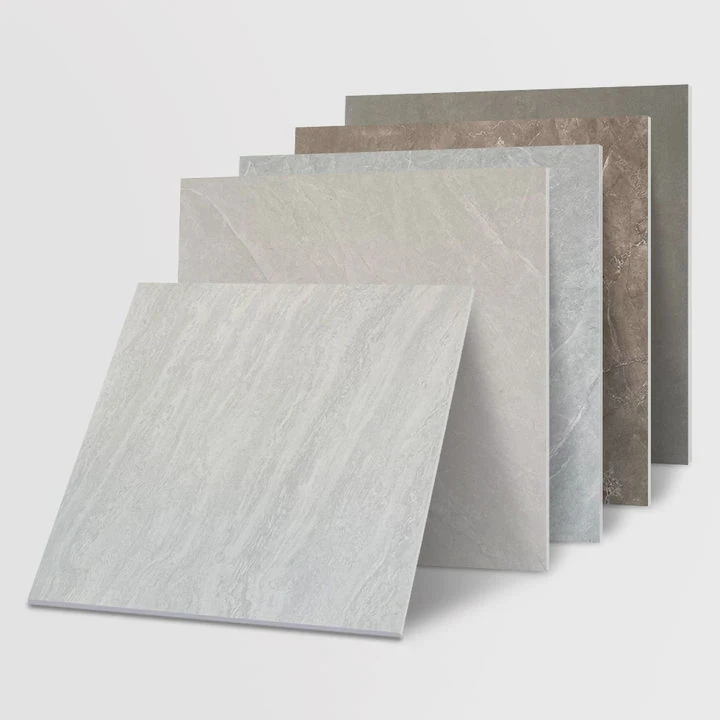
Many tile failures happen because mortar coverage is incomplete. Hollow spots under large tiles can later cause cracks, loose tiles, or water problems.
Proper mortar coverage for 12x24 floor tiles requires using the right mortar consistency, directional troweling, back buttering, and full contact between tile and substrate with minimal air gaps.
Large-format tiles need much stronger support than smaller tiles. Their larger surface area means weak bonding points become more dangerous over time. In commercial spaces or high-traffic homes, poor coverage often leads to costly repairs.
Use the Correct Mortar Type
Not every mortar works well with large-format tiles.
Most professionals use large and heavy tile mortar, sometimes called LHT mortar. This mortar helps reduce tile sinking and improves support under bigger tiles.
The mortar should not be too dry or too wet. Proper consistency allows the ridges to hold their shape after troweling.
Directional Troweling Matters
One common mistake is swirling mortar randomly. This traps air beneath the tile.
Directional troweling creates straight parallel ridges. When the tile is pressed and moved slightly perpendicular to the ridges, the air escapes more easily.
This improves mortar transfer and bonding strength.
Back Buttering Improves Bond Strength
Back buttering means applying a thin layer of mortar directly on the back of the tile before installation.
This step is strongly recommended for 12x24 porcelain tiles because it fills small cavities and increases coverage.
Coverage Standards
Industry standards often recommend:
| Area Type | Minimum Coverage |
|---|---|
| Dry interior floor | 80% |
| Wet areas | 95% |
| Exterior installation | 95% |
For large-format porcelain tile, many installers aim close to full coverage whenever possible.
Lift Tiles Occasionally
Professional installers frequently remove a freshly set tile to inspect mortar transfer.
This simple check reveals:
- Air pockets
- Weak coverage
- Incorrect mortar consistency
- Poor trowel technique
Adjustments can then be made before continuing the installation.
Mortar Skinning Problems
Mortar begins drying once spread on the floor. If tiles are installed too slowly, the surface may skin over.
When this happens, bonding strength drops significantly.
Installers usually spread smaller working areas to avoid this issue.
Environmental Conditions Matter
Heat, sunlight, wind, and low humidity can accelerate mortar drying. Large commercial jobs often require careful timing because environmental changes affect installation quality.
Common Mortar Coverage Problems
| Problem | Cause |
|---|---|
| Hollow sound | Air gaps |
| Loose tile | Poor bonding |
| Cracked tile | Unsupported areas |
| Tile movement | Weak mortar transfer |
Good mortar coverage is not only about adhesive strength. It also supports the tile evenly across the floor. That support becomes critical for large-format porcelain installations.
Which Trowel Size Suits 12x24 Tiles?
Using the wrong trowel size creates bonding problems very quickly. Some installers try to save mortar with smaller notches, but this often leads to poor support under large tiles.
A 1⁄2-inch square notch trowel is the most common choice for 12x24 floor tiles because it provides enough mortar depth to achieve proper coverage and support.
Trowel selection directly affects mortar coverage. Large-format tiles require deeper mortar ridges because the tile must fully collapse those ridges during installation.
Why Trowel Size Matters
The trowel controls how much mortar remains beneath the tile.
If the notch is too small:
- Coverage becomes incomplete
- Air pockets increase
- Tile support weakens
If the notch is too large:
- Excess mortar squeezes into grout joints
- Installation becomes messy
- Tile leveling becomes harder
Common Trowel Sizes for Large Tiles
| Trowel Size | Typical Use |
|---|---|
| 1⁄4” x 3⁄8” | Small wall tile |
| 1⁄4” x 1⁄2” | Medium floor tile |
| 1⁄2” x 1⁄2” | 12x24 floor tile |
| 3⁄4” notch | Very large stone slabs |
For most residential 12x24 porcelain floors, a 1⁄2-inch square notch works well.
Floor Flatness Affects Trowel Choice
Some floors have low spots or uneven areas. In those situations, installers may use a larger notch to compensate.
Still, using thicker mortar is not a substitute for proper floor preparation.
Tile Back Pattern Matters
Some porcelain tiles have deep patterns or ribs on the back. These patterns require more mortar to achieve full contact.
Dense porcelain tiles usually need stronger mortar transfer compared to ceramic tile.
Proper Trowel Angle
Trowel angle also affects mortar thickness.
Most installers hold the trowel around 45 degrees while combing mortar. A flatter angle leaves less mortar behind.
Consistency is important because uneven ridge height can affect tile leveling.
Tile Leveling Systems
Many installers use tile leveling clips with 12x24 tiles. These systems help reduce lippage between neighboring tiles.
Still, leveling systems cannot fix poor mortar coverage underneath.
Signs the Trowel Size Is Wrong
| Symptom | Possible Cause |
|---|---|
| Hollow tile sound | Not enough mortar |
| Excess squeeze-out | Too much mortar |
| Uneven tile height | Inconsistent ridges |
| Weak bonding | Small notch size |
The correct trowel size improves both tile support and installation efficiency. It also helps reduce long-term flooring failures.
When Should Grout Be Applied After Installation?
Many installers rush to grout too early because they want the project finished fast. Yet early grouting can disturb tile alignment and weaken the installation.
Grout should usually be applied 24 hours after installing 12x24 floor tiles, though curing time may vary depending on mortar type, humidity, temperature, and tile size.
Curing time is critical because the mortar underneath large tiles needs enough time to harden properly. Large porcelain tiles slow down moisture evaporation because they absorb very little water.
Why Waiting Matters
Fresh mortar is still soft beneath the tile during the first several hours after installation.
Walking on the floor too early may cause:
- Tile shifting
- Uneven joints
- Weak bonding
- Lippage
Grouting too soon can lock these problems permanently into the floor.
Standard Waiting Times
Here are common curing recommendations:
| Installation Condition | Recommended Wait Time |
|---|---|
| Standard mortar | 24 hours |
| Cool or humid environment | 48 hours |
| Rapid-set mortar | 4–6 hours |
| Exterior installation | Longer curing recommended |
Manufacturers may provide different recommendations depending on the mortar product used.
Temperature and Humidity Affect Curing
Cold temperatures slow mortar curing significantly. High humidity also extends drying time.
Large-format porcelain tile further slows moisture release because it is dense and non-porous.
This is why some installers prefer waiting longer before grouting large commercial floors.
Check Before Grouting
Before applying grout, installers often verify:
- Tiles feel solid
- No tile movement exists
- Mortar joints are clean
- Tile spacing remains consistent
Cleaning excess mortar from joints before curing fully also makes grouting easier later.
Choosing the Right Grout
Different grout types suit different projects.
Common grout options include:
| Grout Type | Main Benefit |
|---|---|
| Cement grout | Cost effective |
| Epoxy grout | Strong stain resistance |
| Urethane grout | Flexible and durable |
Large-format porcelain floors in commercial areas often use higher-performance grout because traffic levels are heavier.
Protect the Floor During Curing
After grouting, the floor still requires protection. Heavy furniture or construction traffic can damage fresh grout joints.
Many installers recommend limiting traffic for at least 72 hours after grouting.
Common Grouting Mistakes
| Mistake | Result |
|---|---|
| Grouting too early | Tile movement |
| Dirty joints | Weak grout bonding |
| Excess water during cleanup | Color inconsistency |
| Heavy traffic too soon | Cracked grout |
Patience during curing often determines how durable the final floor becomes. Proper timing helps both the tile bond and grout joints perform well for many years.
Conclusion
Installing 12x24 floor tile successfully depends on careful planning, proper mortar coverage, correct trowel selection, and enough curing time before grouting. Each step supports the next one. When the process is done correctly, large-format tiles create a clean, durable, and professional-looking floor.