How to Lay Vinyl Tile Flooring?
- Sinotiles
- 2026-04-14

Uneven floors, lifting corners, and visible seams often ruin vinyl tile projects. These issues usually come from poor preparation and rushed installation steps.
To lay vinyl tile flooring correctly, you must prepare the subfloor, ensure proper adhesion, choose the right base surface, and allow tiles to acclimate before installation.
Many installers underestimate the importance of early steps. However, each stage directly affects durability, appearance, and long-term performance. This guide explains each step in a clear and practical way.
What preparation is required for vinyl tile installation?
Skipping preparation often leads to visible defects and weak bonding. Vinyl tiles reflect every flaw beneath them.
Proper preparation includes cleaning, leveling, drying the subfloor, and planning the layout before installing vinyl tiles.
Preparation sets the foundation for a successful vinyl tile floor. Even high-quality tiles will fail if the base is not properly prepared.
Cleaning the surface
The first step is always cleaning.
Dust, oil, and debris reduce adhesive strength. Even small particles can create bumps under vinyl tiles.
- Sweep and vacuum thoroughly
- Remove grease with a suitable cleaner
- Ensure the surface is completely dry
Leveling the subfloor
Vinyl tiles are thin and flexible. This means they cannot hide imperfections.
If the floor is uneven:
- Apply a self-leveling compound
- Fill cracks and holes
- Sand down high spots
A flat surface ensures a smooth and professional finish.
Checking moisture levels
Moisture is a hidden problem that many overlook.
Excess moisture can:
- Cause adhesive failure
- Lead to mold growth
- Damage the tiles over time
For concrete subfloors, moisture testing is recommended before installation.
Planning the layout
Before applying adhesive or placing tiles, plan the layout.
- Find the center of the room
- Dry-lay tiles to check alignment
- Avoid narrow cuts near walls
Essential tools
| Tool | Function |
|---|---|
| Utility knife | Cutting vinyl tiles |
| Straight edge | Guiding clean cuts |
| Roller | Pressing tiles firmly |
| Measuring tape | Accurate layout |
| Chalk line | Creating guidelines |
Proper preparation reduces installation errors and ensures better long-term performance.
How do you ensure tiles adhere properly?
Poor adhesion is one of the most common problems in vinyl tile flooring. Tiles may shift, lift, or form gaps.
To ensure proper adhesion, use the correct adhesive, apply it evenly, follow open time guidelines, and press tiles firmly into place.
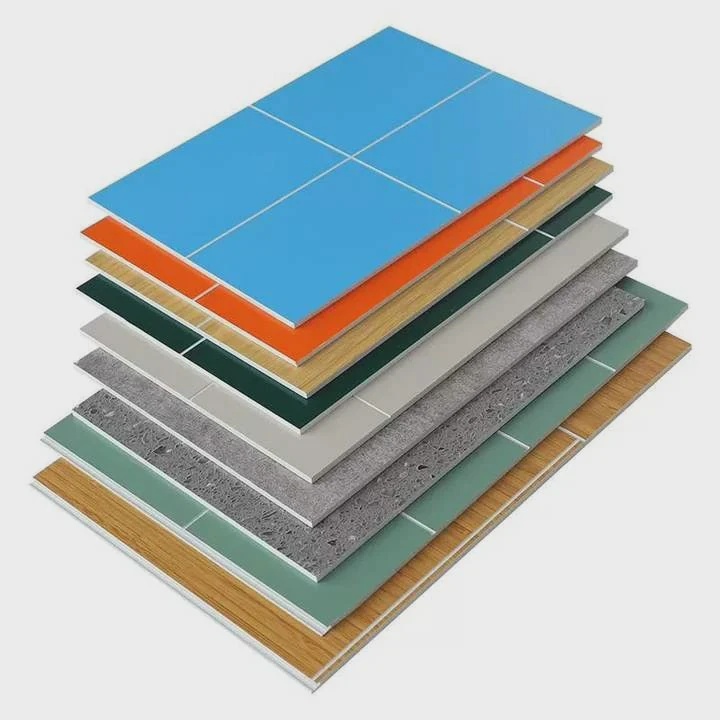
Adhesion determines how well the tiles stay in place over time. Even small mistakes during this step can cause failure.
Choosing the right adhesive
Different vinyl tiles require different adhesives.
- Peel-and-stick tiles have pre-applied adhesive
- Glue-down tiles need separate adhesive
- Some premium tiles use pressure-sensitive adhesive
Always follow manufacturer recommendations.
Applying adhesive correctly
Adhesive must be applied evenly.
- Use a notched trowel
- Spread in small sections
- Avoid thick or uneven layers
Too much adhesive can seep between tiles. Too little can reduce bonding strength.
Understanding open time
Open time refers to the waiting period after applying adhesive.
- Do not install tiles immediately
- Wait until adhesive becomes tacky
- Follow product instructions carefully
Installing too early or too late affects bonding.
Applying pressure
After placing tiles:
- Use a floor roller
- Apply consistent pressure
- Ensure full contact with the subfloor
This step removes air pockets and improves adhesion.
Common adhesion problems
| Issue | Cause |
|---|---|
| Tiles lifting | Weak adhesive or dust |
| Gaps between tiles | Poor alignment |
| Air bubbles | Uneven pressure |
| Adhesive bleed | Excess adhesive |
Environmental factors
Temperature and humidity also affect adhesion.
- Avoid very cold or humid conditions
- Maintain stable room temperature
Proper adhesion ensures the floor remains stable and durable.
Which subfloors work best for vinyl tiles?
The type of subfloor plays a major role in vinyl tile performance. Not all surfaces are equally suitable.
The best subfloors for vinyl tiles are smooth, dry, and stable surfaces such as concrete, plywood, and properly prepared existing floors.
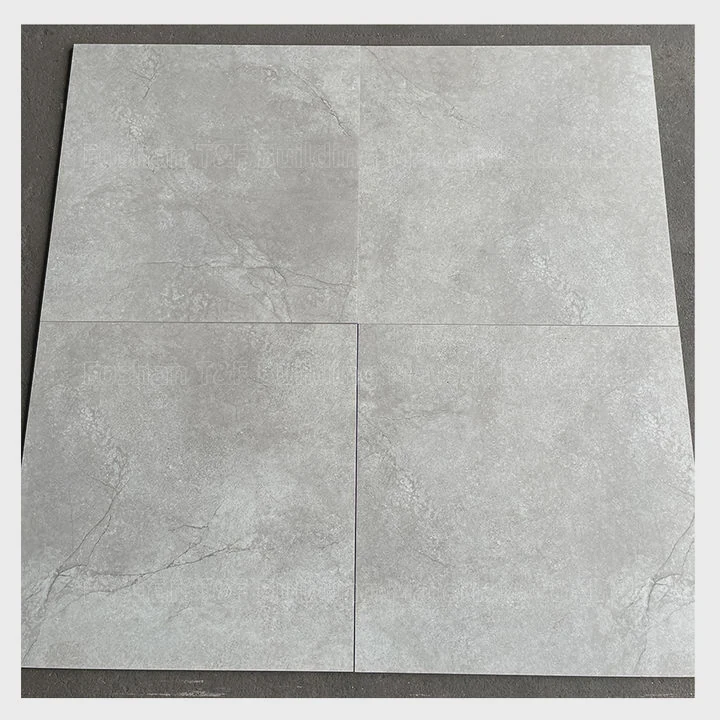
Choosing the right subfloor ensures long-term durability and prevents common issues like cracking or lifting.
Common subfloor types
Concrete subfloor
Concrete is one of the most common bases.
Advantages:
- Strong and durable
- Suitable for most environments
Requirements:
- Must be fully cured
- Must be dry and level
Plywood subfloor
Plywood is widely used in residential settings.
Advantages:
- Smooth and easy to work with
- Compatible with most adhesives
Requirements:
- Must be securely fastened
- Must not flex or move
Existing flooring
Vinyl tiles can sometimes be installed over existing floors.
Suitable surfaces:
- Old vinyl
- Ceramic tiles (if smooth)
But the surface must be:
- Clean
- Flat
- Well-bonded
Subfloor comparison
| Subfloor Type | Suitability | Key Requirement |
|---|---|---|
| Concrete | Excellent | Dry and level |
| Plywood | Excellent | Stable and smooth |
| Existing tile | Good | Even surface |
| Uneven floor | Poor | Needs preparation |
Subfloor preparation tips
- Repair cracks before installation
- Use underlayment if needed
- Avoid soft or unstable surfaces
Common subfloor mistakes
- Installing over damp concrete
- Ignoring uneven areas
- Using weak or damaged plywood
The right subfloor provides stability and supports long-term performance.
Can acclimation improve vinyl tile performance?
Many installers skip acclimation, but this step is critical for preventing future problems.
Yes, acclimation improves vinyl tile performance by allowing the material to adjust to room temperature and humidity, reducing expansion and contraction after installation.
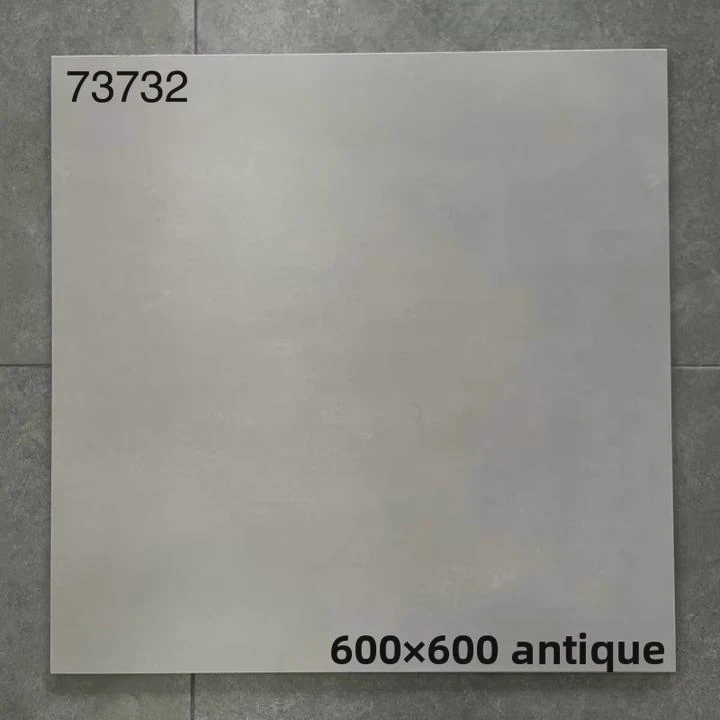
Vinyl tiles expand and contract with temperature changes. Acclimation helps stabilize the material before installation.
What is acclimation?
Acclimation means placing the tiles in the installation area before use.
- Usually for 24-48 hours
- Keep tiles in original packaging or laid flat
This allows the tiles to adapt to the environment.
Why acclimation matters
Without acclimation:
- Tiles may expand after installation
- Gaps or buckling may occur
- Adhesive bonding may weaken
Ideal conditions
For best results:
- Room temperature: 18-27°C
- Stable humidity levels
- HVAC system running normally
Acclimation steps
- Deliver tiles to the room
- Store them flat
- Avoid stacking too high
- Keep away from moisture
When acclimation is critical
- Large installation areas
- Areas with temperature fluctuation
- Commercial projects
Common acclimation mistakes
| Mistake | Result |
|---|---|
| Skipping acclimation | Expansion issues |
| Short acclimation time | Poor stability |
| Storing in wrong area | Uneven adjustment |
Additional tip
Even after installation, maintain stable conditions for at least 48 hours.
Acclimation may seem simple, but it prevents many long-term problems.
Conclusion
Vinyl tile flooring requires careful preparation, correct adhesion, suitable subfloors, and proper acclimation. Each step plays a key role in achieving a durable and visually clean result that performs well over time.