How to Install Herringbone Tile?
- Sinotiles
- 2026-04-14
Many people love the herringbone pattern, but they feel overwhelmed by the complexity. A small mistake can ruin the whole layout and waste expensive tiles.
To install herringbone tile, you must plan the layout carefully, align each tile precisely at 45°, choose suitable tiles, and apply grout only after proper curing.
This pattern looks simple at first glance. But once installation begins, every detail starts to matter. That is why preparation and method are critical.
What layout planning is needed for herringbone patterns?
Many installations fail before they even begin. Poor planning often leads to uneven edges, wasted tiles, and a pattern that looks off.
Herringbone layout planning requires centerline marking, dry layout testing, tile orientation setup, and accurate measurement to ensure symmetry and minimal waste.
A good layout plan is the foundation of a successful installation.
Start with a Clear Reference Line
The first step is to establish a centerline. This line controls the entire pattern.
- Use chalk lines to mark the center of the room
- Align the first tile at a 45-degree angle
- Build the pattern outward from this point
If the first tile is wrong, every tile after it will also be wrong.
Dry Layout Is Not Optional
A dry layout means placing tiles without adhesive.
This step helps to:
- Visualize the final pattern
- Adjust tile positioning
- Reduce cutting errors
Skipping this step often leads to wasted material.
Understand Tile Orientation
Herringbone is not just about angles. Direction matters.
There are two main orientations:
| Type | Description |
|---|---|
| 45° Herringbone | Classic diagonal layout |
| 90° Herringbone | Straight pattern aligned with walls |
The 45° pattern looks more dynamic but is harder to install.
Plan for Tile Cuts
Edges will require cutting. This is unavoidable.
Planning helps to:
- Keep cuts consistent
- Avoid small, awkward pieces
- Improve overall visual balance
Why Planning Saves Cost
Poor planning increases waste. In some cases, waste can reach 15-20%.
A well-planned layout can reduce waste and improve efficiency.
How do you ensure alignment in herringbone tile?
Alignment is the biggest challenge in herringbone installation. Even a small deviation becomes obvious across the entire floor.
To ensure alignment, installers must use precise spacing tools, consistent angles, and continuous checks with levels and reference lines throughout the process.
This step requires patience and attention to detail.
Use Tile Spacers Consistently
Tile spacers help maintain equal gaps.
- Keep grout lines uniform
- Prevent tiles from shifting
- Improve overall appearance
Without spacers, alignment quickly becomes inconsistent.
Check Angles Frequently
Every tile must maintain a consistent angle.
- Use a square or angle guide
- Verify alignment every few rows
- Adjust immediately if errors appear
Small errors grow quickly in this pattern.
Work in Sections
Do not try to install the entire floor at once.
Instead:
- Divide the area into manageable sections
- Complete one section before moving on
- Use reference lines to reconnect sections
This reduces the chance of large-scale misalignment.
Use Leveling Systems
Tile leveling systems are useful tools.
They help to:
- Keep tiles flat
- Prevent lippage (uneven edges)
- Improve finish quality
Common Alignment Mistakes
| Mistake | Result |
|---|---|
| Skipping spacers | Uneven grout lines |
| Not checking angles | Pattern distortion |
| Rushing installation | Visible misalignment |
Real Installation Insight
From real project experience, alignment issues often appear after several rows. Installers who stop and check frequently achieve much better results.
Which tiles work best for this pattern?
Choosing the wrong tile can make installation much harder and affect the final look.
Rectangular tiles with consistent size, such as porcelain or ceramic tiles, work best for herringbone patterns due to their uniformity and durability.
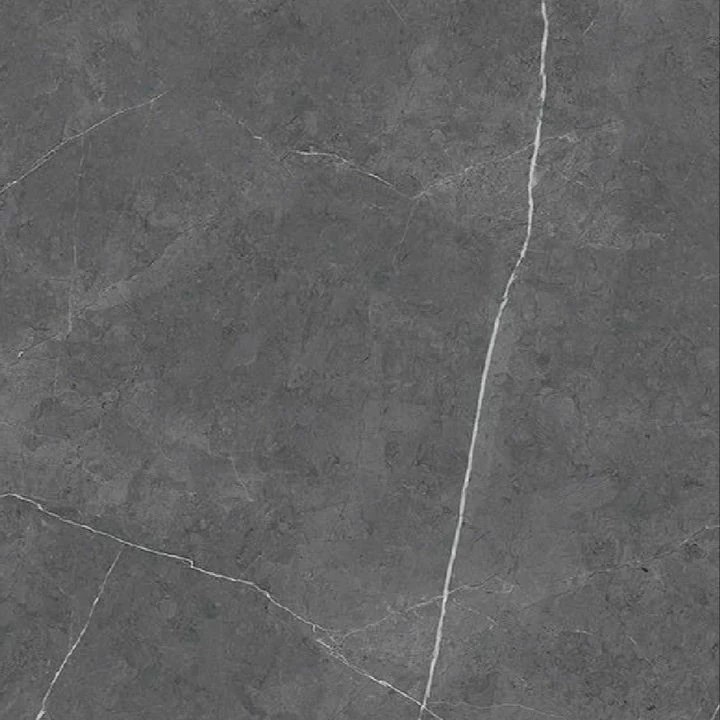
Not all tiles are suitable for this design.
Ideal Tile Shape and Size
Herringbone requires rectangular tiles.
Common size ratios include:
| Size Ratio | Example |
|---|---|
| 1:2 ratio | 100x200 mm |
| 1:3 ratio | 100x300 mm |
These proportions create a clean and balanced pattern.
Material Matters
Different materials behave differently:
- Porcelain tiles: strong and low water absorption
- Ceramic tiles: easier to cut and install
- Natural stone: beautiful but harder to maintain
Porcelain is often the preferred choice for durability.
Importance of Tile Precision
Tile consistency is critical.
Poor-quality tiles may have:
- Size variations
- Uneven edges
- Warping
These issues make alignment much harder.
Surface Finish Considerations
Surface type also affects installation:
- Matte tiles hide imperfections better
- Glossy tiles highlight alignment issues
- Textured tiles require more careful grouting
Choosing Tiles for Different Spaces
| Space | Recommended Tile |
|---|---|
| Kitchen | Porcelain, slip-resistant |
| Bathroom | Waterproof, textured |
| Living area | Large-format porcelain |
Design Impact
Tile color and pattern also matter.
- Light colors make spaces look larger
- Dark grout highlights the pattern
- Wood-look tiles create a warm style
Choosing the right tile improves both installation and final appearance.
When should grout be applied after installation?
Many people rush this step. Applying grout too early can damage the installation and weaken adhesion.
Grout should be applied after the adhesive has fully cured, typically 24 to 48 hours after tile installation, depending on materials and conditions.
Timing is critical for long-term durability.
Why Waiting Is Important
Tile adhesive needs time to set.
If grout is applied too early:
- Tiles may shift
- Adhesion may weaken
- Cracks may appear later
Standard Waiting Time
The typical waiting period is:
| Condition | Time |
|---|---|
| Normal conditions | 24 hours |
| Humid or cold | 48 hours |
| Large tiles | Up to 72 hours |
Always follow adhesive manufacturer guidelines.
Proper Grouting Process
Steps include:
- Clean tile surface
- Mix grout to correct consistency
- Apply grout with a rubber float
- Remove excess grout
- Clean tiles with a damp sponge
Each step affects the final look.
Common Grouting Mistakes
| Mistake | Result |
|---|---|
| Grouting too early | Tile movement |
| Using too much water | Weak grout |
| Poor cleaning | Hazy tile surface |
Final Curing and Sealing
After grouting:
- Allow grout to cure fully
- Apply sealant if needed
- Avoid heavy use for several days
Long-Term Performance
Proper grouting improves:
- Water resistance
- Structural stability
- Visual finish
Rushing this step often leads to costly repairs later.
Conclusion
Herringbone tile installation requires careful planning, precise alignment, proper tile selection, and correct timing. Each step plays a key role in achieving a clean, durable, and visually striking result.