How to Paint Tile Floor?
- Sinotiles
- 2026-05-12
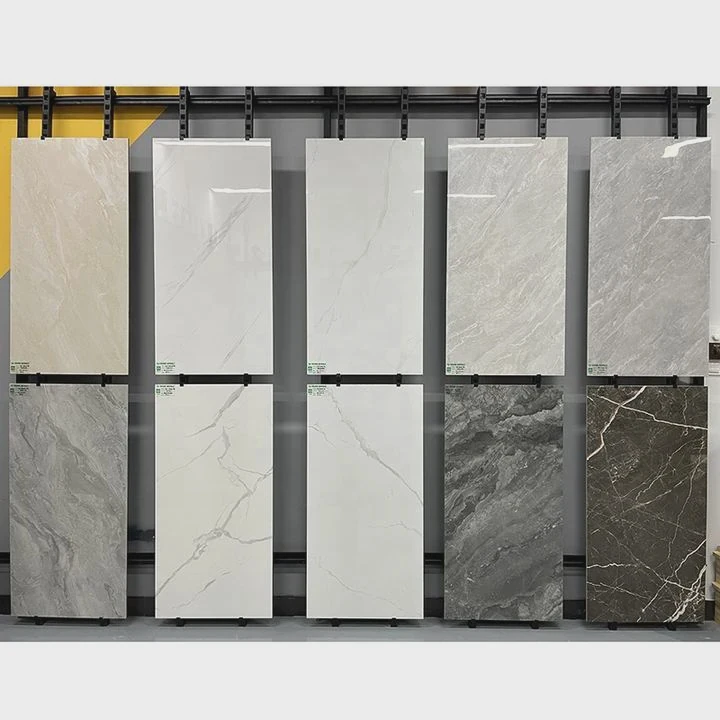
Painting tile floors can transform an old, dull space into something vibrant. Many homeowners struggle with tiles that look outdated but are too expensive to replace.
The process of painting tile floors involves proper preparation, selecting the right paint, ensuring durability, and applying sealant. Following a clear step-by-step approach can yield professional-looking results.
Before starting, it’s important to understand what goes into a successful tile painting project. Every step matters, and skipping one can lead to peeling or uneven finishes.
What preparation is required before painting tile?
Cleaning and prepping tile may seem boring, but it prevents paint from peeling or chipping later. Dirt, grease, and old grout can stop paint from sticking properly.
Preparation involves thoroughly cleaning the surface, sanding tiles lightly, and priming. These steps ensure paint adheres evenly and lasts longer.
Step 1: Deep Cleaning
Before touching paint, scrub tiles with a strong cleaner or degreaser. Any dust, dirt, or oils can prevent adhesion. Focus on grout lines as well. Cleaning takes time, but it saves frustration later.
Step 2: Sanding Tiles
After cleaning, lightly sand the surface with fine-grit sandpaper. Sanding roughens the smooth tile surface so primer and paint stick better. Avoid heavy sanding that scratches tiles deeply. Sand evenly for consistent results.
Step 3: Filling Gaps
Inspect tiles for cracks or missing grout. Use a suitable filler or grout repair product. Smooth and level it with the surrounding tile surface. If gaps remain, paint may appear uneven or peel at edges.
Step 4: Priming
Once clean and sanded, apply a primer made for slick surfaces. Primer bonds the paint to the tile and prevents peeling. Use a brush or roller to cover all tiles evenly. Allow full drying according to the manufacturer’s instructions.
| Preparation Step | Tools Needed | Tips |
|---|---|---|
| Deep Cleaning | Cleaner, scrub brush | Pay attention to grout lines |
| Sanding Tiles | Fine-grit sandpaper | Avoid heavy scratches |
| Filling Gaps | Grout filler | Smooth surface completely |
| Priming | Primer, roller/brush | Let dry fully before painting |
Proper preparation increases the chance of a smooth finish. Skipping these steps may result in uneven paint and peeling within weeks.
Which paints adhere best to tile floors?
Not all paints stick to tile. Some peel quickly. Choosing the right type is crucial for durability and appearance.
Epoxy-based and latex paints designed for floors adhere best to tiles, providing a strong, long-lasting finish.
Epoxy Paints
Epoxy paints form a hard coating that resists scratching and water. They are ideal for kitchens, bathrooms, and high-traffic areas. Use a two-part epoxy for the best bond. Mix components carefully and apply thin, even coats.
Latex Floor Paints
High-quality latex floor paints also work well on tiles. They are easier to apply and clean up. They may require extra coats and a primer to stick properly. Latex is less durable than epoxy but can still last several years indoors.
Tips for Best Adhesion
- Always use a primer compatible with the chosen paint.
- Apply paint in thin layers to prevent drips.
- Allow sufficient drying between coats.
| Paint Type | Advantages | Best Use |
|---|---|---|
| Epoxy | Extremely durable, water-resistant | High-traffic floors |
| Latex | Easy to apply, fast-drying | Low-traffic rooms |
Choosing the correct paint ensures the project lasts longer and looks professional. Cheaper paints or ignoring primer often lead to peeling and wasted effort.
How do you ensure long lasting painted finish?
A painted tile floor looks great initially but can peel if not protected. Longevity requires proper technique and patience.
Ensuring a long-lasting finish depends on multiple layers, proper drying time, and avoiding shortcuts during application.
Layering Correctly
Applying multiple thin coats rather than one thick coat prevents drips and ensures even coverage. Allow each layer to dry fully before adding the next. Typically, 2–3 coats are sufficient for complete coverage.
Drying Time
Follow the paint manufacturer’s recommended drying times strictly. Walking or placing objects on the floor too soon can damage the paint. Even if the surface feels dry, it may need more time to cure completely.
Maintenance Tips
- Avoid harsh cleaning chemicals for at least a week.
- Use soft brooms or mops.
- Place rugs or mats in high-traffic zones to protect newly painted areas.
Testing for Adhesion
Before painting the entire floor, test a small area. This allows you to check adhesion and finish quality. Adjust primer or sanding if peeling occurs.
Avoiding Common Mistakes
Many people rush or skip steps, thinking it saves time. However, skipping primer, applying thick coats, or painting over dirty tiles is the main cause of early failure.
Small Touch-ups
Keep extra paint for minor touch-ups. Even well-painted floors can develop chips in corners or around doorways. A little maintenance preserves the appearance and avoids repainting the whole floor.
When should sealant be applied after painting?
Sealing is the final step that protects painted tiles from scratches, water, and wear. Timing is important for effectiveness.
Sealant should be applied after the paint has fully cured, usually 48–72 hours, to lock in color and durability.
Choosing the Right Sealant
Use a clear polyurethane or acrylic sealer suitable for floor surfaces. Some sealers are water-based and dry faster, while others are oil-based and more durable. Consider traffic and room use when selecting.
Application Tips
- Apply sealant in thin, even coats using a brush or roller.
- Allow each coat to dry completely before applying another.
- Avoid over-application, which can leave sticky or uneven surfaces.
Drying and Curing
After sealing, allow 24–48 hours before light walking. Full curing may take up to 7 days. During this time, avoid heavy furniture or placing rugs. Curing ensures the paint and sealer form a hard, protective layer.
Maintenance After Sealing
- Clean with mild soap and water.
- Avoid abrasive cleaners or brushes.
- Inspect floors periodically and reapply sealant every 1–2 years for high-traffic areas.
Example Schedule
| Step | Time Required | Notes |
|---|---|---|
| Painting | 2–3 thin coats | Dry fully between coats |
| Sealant Application | 48–72 hours after paint | Ensure paint is cured |
| Light Use | 24–48 hours after sealant | Avoid heavy traffic |
| Full Cure | Up to 7 days | Maximum durability achieved |
Proper sealing ensures the painted floor remains vibrant and resistant to daily wear. It is the final step that completes the transformation of old tiles.
Conclusion
Painting tile floors is achievable with preparation, the right paint, and proper sealing. Following careful steps ensures a durable, beautiful finish that can refresh any space.