How to Remove Tile?
- Sinotiles
- 2026-03-11
Old tiles can make a space look tired. Many people feel unsure about removing them. The job looks simple, but mistakes can damage floors or walls.
Tile removal usually involves breaking the tile surface, loosening adhesive, and carefully lifting pieces using tools like a hammer, chisel, or pry bar. Proper tools and slow work help protect the base surface underneath.
Many homeowners and contractors face tile removal during renovation projects. Understanding the right tools, the difficulty factors, and when replacement makes more sense can save both time and money.
What tools help remove tile safely?
Old tiles often stick very tightly. Many people start with the wrong tools. This can break the subfloor or damage nearby walls.
The safest tile removal tools include a hammer, chisel, pry bar, floor scraper, and sometimes a rotary hammer. These tools help loosen tiles while reducing damage to the base surface.
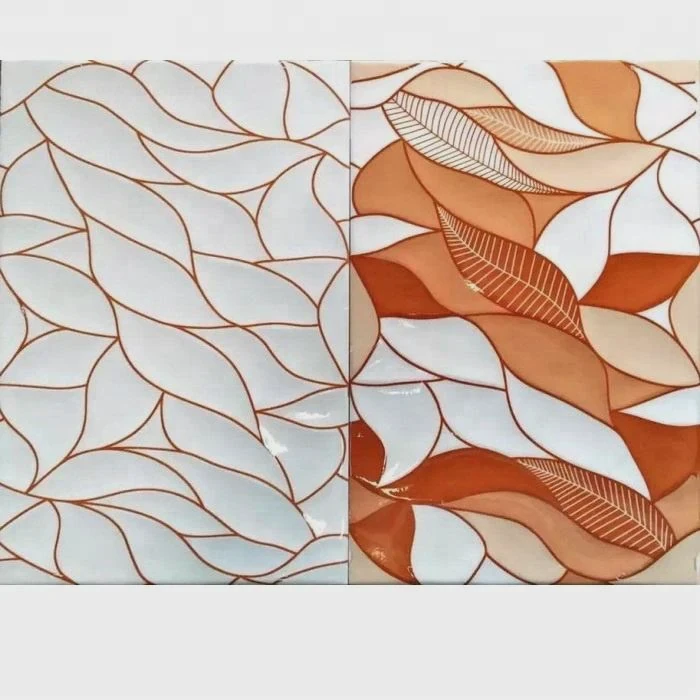
Removing tile safely starts with choosing the correct tools. Each tool has a specific role. When used correctly, these tools help remove tiles efficiently while protecting the structure underneath.
Basic Hand Tools for Tile Removal
Simple hand tools often work well for small areas. They also give more control during the process.
| Tool | Purpose | Best For |
|---|---|---|
| Hammer | Break tile surface | Starting tile cracks |
| Chisel | Lift tiles from adhesive | Wall tiles or small areas |
| Pry Bar | Pull tiles upward | Floor tiles |
| Floor Scraper | Remove leftover mortar | Cleaning the surface |
| Utility Knife | Cut grout lines | Preparing the tile edges |
A hammer and chisel often start the job. The hammer creates cracks in the tile surface. Then the chisel slides under the tile to lift it. Slow tapping helps avoid damage to the base layer.
A pry bar is helpful for floor tiles. It creates leverage under larger tiles. The tool lifts tiles more easily than a small chisel.
Power Tools for Faster Tile Removal
Large projects often require power tools. These tools reduce physical effort and speed up the work.
Common power tools include:
- Rotary hammer with chisel bit
- Electric floor scraper
- Angle grinder for grout removal
A rotary hammer is one of the most effective tools. It breaks tile and adhesive quickly. Contractors often use it for large floor areas.
However, power tools require care. Strong vibration can damage cement boards or concrete surfaces. Operators must adjust the tool angle and pressure.
Safety Equipment Is Essential
Tile removal produces sharp fragments and dust. Safety equipment protects the worker and the surrounding space.
Important safety gear includes:
- Safety glasses
- Heavy gloves
- Knee pads
- Dust mask or respirator
- Ear protection when using power tools
Dust from mortar or grout can contain silica. Breathing this dust for long periods can cause health problems. A mask helps reduce that risk.
Careful tool selection and proper safety gear make tile removal more controlled. The process becomes safer and more efficient.
Why is tile removal sometimes difficult?
Many people expect tile removal to be simple. They think tiles will pop off easily. In reality, tiles can bond extremely strongly to the surface.
Tile removal becomes difficult when strong adhesives, old mortar beds, or fragile subfloors are involved. The stronger the bond between tile and surface, the harder the removal process becomes.

Tile systems are designed to last many years. Strong bonding materials hold the tiles in place. These same materials make removal difficult.
Adhesive Strength
Different adhesives create different levels of bonding strength.
| Adhesive Type | Bond Strength | Removal Difficulty |
|---|---|---|
| Mastic Adhesive | Medium | Moderate |
| Thin-set Mortar | Strong | Difficult |
| Mortar Bed Installation | Very strong | Very difficult |
Thin-set mortar is common in modern installations. It creates a strong bond between tile and substrate. Removing tiles from thin-set usually requires breaking them into pieces.
Older mortar bed installations are even stronger. In some buildings, tiles sit on a thick cement layer. Removing these tiles may require breaking the entire mortar bed.
Tile Size and Thickness
Tile size also affects removal difficulty.
Large tiles often break into fewer pieces. This makes them harder to lift. Smaller tiles may crack more easily.
Porcelain tiles are also very dense. Their strength makes them durable during use, but difficult during removal.
Subfloor Type
The base surface plays a major role in removal difficulty.
Common surfaces include:
- Concrete slabs
- Cement boards
- Plywood subfloors
- Drywall walls
Concrete surfaces usually handle tile removal better. They resist damage from tools.
Wood subfloors are more sensitive. Aggressive removal can damage plywood layers. This creates extra repair work after tile removal.
Age of Installation
Older installations sometimes become harder to remove. Over time, adhesives cure fully and become extremely rigid.
However, some very old installations used weaker adhesives. These tiles sometimes lift more easily.
Tile removal difficulty depends on several combined factors. Adhesive type, tile material, and surface structure all influence the effort required.
When should you replace tiles instead of repairing?
Many people try to repair damaged tiles first. Repair can work in some situations. However, replacement is often the better long-term solution.
Tile replacement becomes necessary when large areas are damaged, adhesive fails, or the tile style is outdated. Replacing tiles ensures durability, consistent appearance, and better long-term performance.
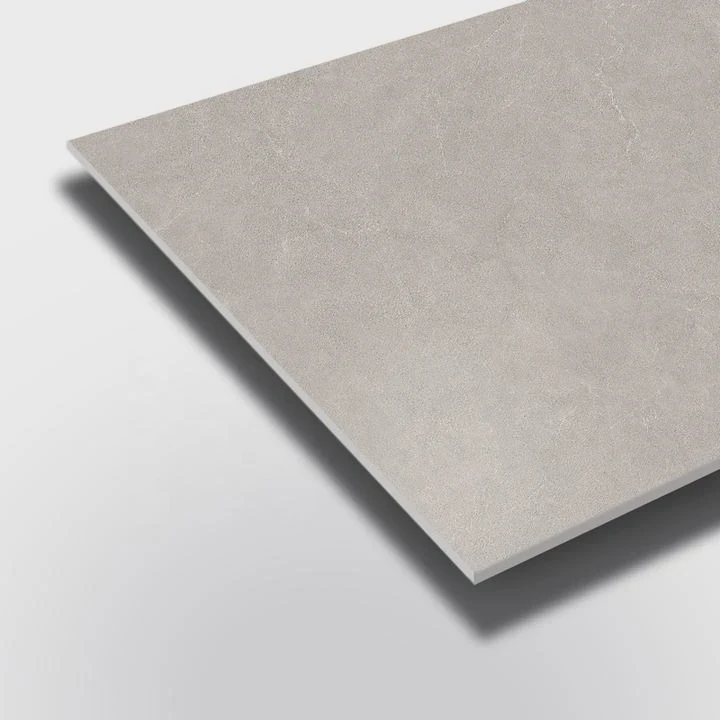
Repair may seem cheaper at first. But repeated repairs can cost more over time. Understanding when replacement is better helps avoid repeated maintenance.
Situations Where Repair Works
Minor damage sometimes requires only a simple repair.
Examples include:
- A single cracked tile
- Loose grout lines
- Small chips on tile edges
In these cases, replacing only one or two tiles can solve the problem.
Matching tiles must still be available. If the original tile design is discontinued, repair becomes harder.
Signs That Full Replacement Is Better
Some problems affect the entire tile installation.
Common signs include:
- Multiple cracked tiles
- Hollow sounds under tiles
- Water damage below tiles
- Outdated tile design
- Large grout deterioration
Hollow sounds often mean adhesive failure. The tile is no longer fully attached to the surface.
Water damage is another serious issue. Moisture can weaken the substrate under the tiles. In bathrooms or kitchens, this may cause mold growth.
Cost Comparison
Repair looks cheaper in the short term. Replacement often saves money in the long term.
| Option | Short-Term Cost | Long-Term Result |
|---|---|---|
| Tile Repair | Lower initial cost | May require repeated fixes |
| Tile Replacement | Higher initial cost | Long lifespan and better appearance |
Large renovation projects usually benefit from full replacement. New tiles also allow design upgrades.
Design and Market Value
Tile replacement can improve the value of a property. Modern tile styles create a cleaner and more attractive space.
Many buyers prefer larger tile formats and neutral colors. Older small tiles sometimes make a room look dated.
For commercial projects or large renovations, full tile replacement often provides better long-term results than patch repairs.
Which surfaces allow easier tile removal?
Not all surfaces behave the same during tile removal. Some surfaces allow tiles to lift easily. Others make removal extremely challenging.
Tile removal is easier on surfaces like drywall or cement board with weaker adhesives. Concrete slabs or thick mortar beds usually make tile removal more difficult.
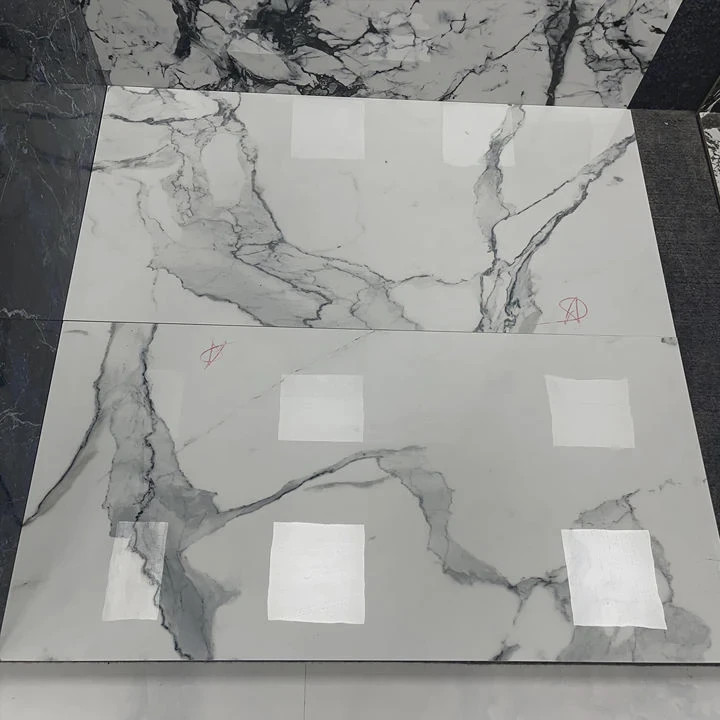
Understanding surface types helps plan the removal process. Contractors often evaluate the base surface before starting demolition.
Surfaces That Allow Easier Removal
Some surfaces allow tiles to separate more easily from the base.
Common easier surfaces include:
- Drywall (for wall tiles)
- Cement backer board
- Plywood subfloors with mastic adhesive
Wall tiles installed with mastic adhesive sometimes release with minimal force. In many kitchens, tiles detach without damaging the drywall.
Cement backer boards are designed for tile systems. They provide strength but still allow controlled removal.
Surfaces That Create Difficult Removal
Other surfaces create stronger tile bonding.
Examples include:
- Concrete slabs
- Thick mortar beds
- Stone substrates
Concrete floors often hold tiles extremely tightly. The adhesive bonds deeply into the surface.
Mortar bed installations are even more challenging. These systems include a thick cement layer under the tiles.
Removing tiles from mortar beds sometimes requires removing the entire cement layer.
Surface Impact on Removal Strategy
Different surfaces require different approaches.
| Surface Type | Removal Difficulty | Recommended Method |
|---|---|---|
| Drywall | Easy | Chisel and pry bar |
| Cement Board | Moderate | Chisel or rotary hammer |
| Plywood | Moderate | Careful scraping |
| Concrete | Difficult | Rotary hammer or floor scraper |
| Mortar Bed | Very difficult | Heavy demolition tools |
Choosing the right method protects the surface below. In some cases, replacing the base layer becomes easier than trying to preserve it.
Planning Before Tile Removal
Professional installers often inspect the tile system before removal.
They check:
- Tile thickness
- Adhesive type
- Surface material
- Age of installation
This evaluation helps estimate the time and effort required.
Tile removal is not only about breaking tiles. The real challenge is protecting the structure underneath while removing the tile system efficiently.
Conclusion
Tile removal requires the right tools, patience, and understanding of the tile system. Surface type, adhesive strength, and tile condition all affect the process. Careful planning and proper techniques help remove tiles safely while preparing the space for new installation.