How to Remove Permanent Marker from Tile?
- Sinotiles
- 2026-04-20
Permanent marker stains on tile can feel impossible to remove. The ink dries fast and sticks hard. Many people worry about damaging the tile while cleaning.
Yes, permanent marker can be removed from tile using common cleaners like alcohol, baking soda, or acetone. The key is to use the right method based on tile type and act carefully to avoid surface damage.
Tile surfaces are strong, but not all are the same. Some are glossy, some are matte, and some are porous. So, the method matters. Let’s break it down step by step.
What cleaners remove permanent marker from tile?
Permanent marker stains are stubborn and often resist simple cleaning. Many people try water first and get frustrated when nothing happens.
Cleaners like rubbing alcohol, acetone, baking soda paste, and commercial tile cleaners can effectively remove permanent marker from tile without leaving residue if used correctly.

Different cleaners work in different ways. Some dissolve the ink. Others lift it from the surface. The choice depends on the tile finish and how long the stain has been there.
Common Cleaning Solutions
Here are the most effective options:
| Cleaner Type | How It Works | Best For |
|---|---|---|
| Rubbing Alcohol | Breaks down ink pigments | Glossy ceramic tiles |
| Acetone | Strong solvent removes ink | Porcelain tiles |
| Baking Soda Paste | Gentle abrasive action | Matte tiles |
| White Vinegar | Mild acid lifts stains | Light stains |
Why Some Cleaners Work Better
Permanent markers contain pigments and resins. These bond tightly to smooth surfaces. Alcohol and acetone break these bonds. That is why they work well.
Baking soda does not dissolve ink. Instead, it scrubs it off gently. This is safer for delicate tiles.
Choosing the Right Cleaner
- Use alcohol for quick fixes
- Use acetone for tough stains
- Use baking soda for safe cleaning
- Avoid harsh acids on natural stone
Using the wrong cleaner can dull the surface. So testing on a small area first is always a good step.
How do you avoid damaging tile surfaces during cleaning?
Many people remove the stain but damage the tile in the process. Scratches and dull spots can appear if the wrong method is used.
To avoid damage, use soft cloths, gentle pressure, and cleaners that match the tile type. Always test in a hidden area before full cleaning.
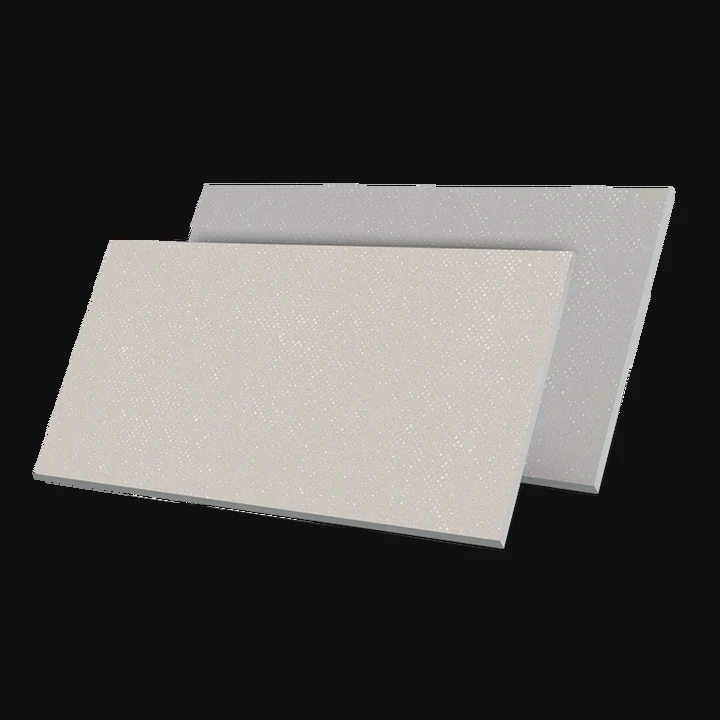
Tile may look hard, but surfaces can still scratch or fade. Glossy finishes are especially sensitive.
Safe Cleaning Practices
Here are key tips to protect tile:
- Use microfiber cloths instead of rough pads
- Apply cleaner gently, do not scrub hard
- Work in small sections
- Rinse with clean water after cleaning
Tile Types and Sensitivity
Different tiles react differently:
| Tile Type | Sensitivity Level | Recommended Method |
|---|---|---|
| Ceramic Tile | Low | Alcohol or baking soda |
| Porcelain Tile | Low | Acetone or alcohol |
| Natural Stone | High | Mild soap only |
| Matte Tile | Medium | Baking soda paste |
Mistakes to Avoid
- Do not use steel wool
- Do not mix chemicals randomly
- Do not soak tiles for too long
- Do not use bleach on colored tiles
A small mistake can leave permanent marks. Care is more important than speed here.
Real Experience Insight
In many projects, aggressive scrubbing caused more damage than the stain itself. A gentle method always gave better long-term results.
Can alcohol based solutions remove marker stains?
People often wonder if alcohol alone is enough. It is easy to find and simple to use.
Yes, alcohol-based solutions are one of the most effective ways to remove permanent marker stains because they dissolve the ink quickly without heavy scrubbing.
Alcohol works by breaking down the chemical structure of the ink. This allows it to lift off the tile surface.
Types of Alcohol to Use
- Isopropyl alcohol (70% or 90%)
- Hand sanitizer (contains alcohol)
- Alcohol wipes
These are easy to apply and widely available.
Step-by-Step Method
- Apply alcohol to a cloth
- Dab the stained area
- Let it sit for 10–20 seconds
- Wipe gently
- Repeat if needed
Why Alcohol is Popular
- Fast action
- Minimal residue
- Safe for most tiles
- Easy to control
Limitations
Alcohol may not work well on:
- Old stains
- Porous tiles
- Deeply absorbed ink
In these cases, stronger solutions like acetone may be needed.
Practical Tip
Always use a clean cloth section when wiping. Dirty cloths can spread the ink instead of removing it.
Which tools help clean stubborn marks effectively?
Sometimes, cleaners alone are not enough. The right tools can make a big difference.
Tools like microfiber cloths, soft brushes, magic erasers, and plastic scrapers help remove stubborn marker stains without scratching tile surfaces.
Using the correct tool reduces effort and improves results.
Recommended Cleaning Tools
| Tool Type | Function | Safety Level |
|---|---|---|
| Microfiber Cloth | Gentle wiping | Very safe |
| Magic Eraser | Light abrasive cleaning | Safe with care |
| Soft Brush | Reaches grout lines | Safe |
| Plastic Scraper | Lifts thick residue | Moderate |
How to Use Tools Properly
- Always pair tools with a cleaner
- Use light pressure
- Work in circular motion
- Stop if surface feels rough
Tools for Tough Cases
For very stubborn stains:
- Use a magic eraser with alcohol
- Use a soft brush for textured tiles
- Use a scraper only when needed
What to Avoid
- Metal tools
- Hard bristle brushes
- Sandpaper
These can permanently damage tile surfaces.
Professional Insight
In many cleaning cases, the tool matters more than the chemical. A soft tool with the right technique often removes stains better than a strong cleaner alone.
Conclusion
Removing permanent marker from tile is simple with the right method. Choose the right cleaner, use gentle tools, and match the approach to the tile type for safe and effective results.