Can Luxury Vinyl Plank Be Installed Over Tile?
- Sinotiles
- 2026-04-20
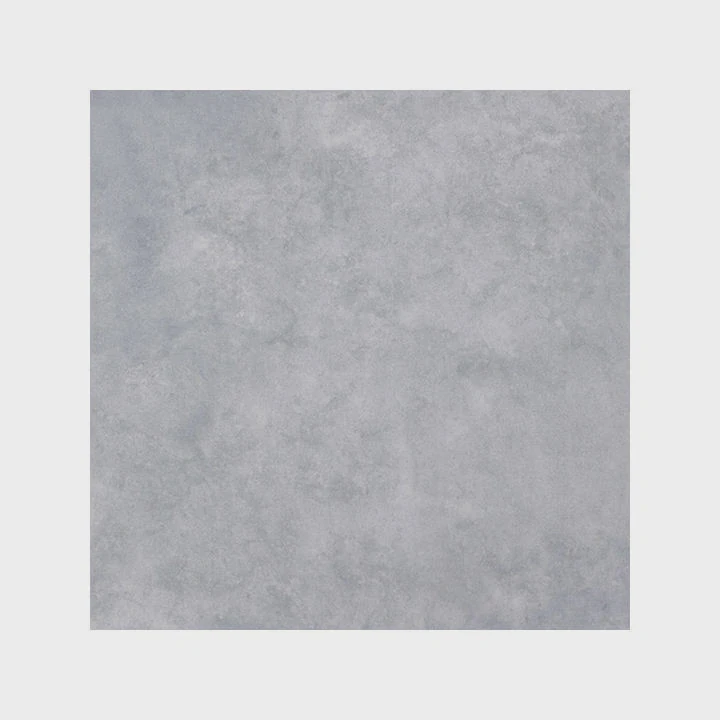
Old tile floors can feel outdated and costly to remove. Many people worry about time, dust, and labor. They want a faster way to upgrade without demolition.
Yes, luxury vinyl plank (LVP) can be installed over tile if the surface is flat, clean, and stable. Proper preparation and the right underlayment ensure a durable and smooth finish.
Many buyers and contractors ask this question before starting projects. The answer is simple, but the details matter. Let’s break it down step by step so every decision becomes easier.
What conditions allow vinyl plank over tile installation?
Old tiles can cause uneven surfaces. Gaps, cracks, and grout lines may affect the final result. Without proper conditions, the new floor may fail early.
Vinyl plank can be installed over tile when the tile is level, firmly bonded, and free of major damage. Smooth surfaces with minimal grout depth give the best results.
Before any installation starts, the condition of the existing tile floor must be checked carefully. This step is often skipped, but it is the most important one.
Key Surface Requirements
A tile floor must meet several basic conditions:
- It must be structurally sound
- No loose or hollow tiles
- Minimal height variation
- Grout lines should not be too deep
If any tile moves under pressure, it will affect the vinyl layer above. Stability is critical.
Flatness Matters More Than You Think
Even small dips can create visible problems later. Vinyl plank is flexible. It follows the shape beneath it.
Here is a simple reference:
| Condition | Acceptable Level |
|---|---|
| Height variation | < 3mm over 2m |
| Grout depth | < 2mm |
| Loose tiles | Not allowed |
| Cracks | Minor only |
If the floor fails these checks, preparation becomes necessary before installation.
Moisture and Environment
Tile floors in kitchens or bathrooms may hold moisture. This can affect adhesive or locking systems.
- Always check for moisture issues
- Ensure the room is dry and ventilated
- Avoid installing over wet surfaces
Real Project Insight
In one project, a client wanted a fast renovation for a rental unit. The tile floor looked fine at first glance. But after tapping, several tiles were loose. We fixed those areas first. The final result stayed stable for years.
Skipping this step would have caused failure within months.
How do you prepare tile surfaces for vinyl planks?
Many installations fail not because of the material, but because of poor preparation. A clean surface alone is not enough.
To prepare tile for vinyl plank, you need to clean thoroughly, level grout lines, repair damage, and create a smooth base for installation.
Preparation is where professionals stand out. It turns a risky installation into a reliable one.
Step 1: Deep Cleaning
Tiles often carry grease, dust, or soap residue. These reduce adhesion.
- Use a degreaser
- Remove all dirt and wax
- Let the surface dry fully
Even invisible residue can cause issues later.
Step 2: Repair and Stabilize
Damaged tiles must be fixed before moving forward.
- Replace broken tiles
- Secure loose ones
- Fill cracks with repair compound
A stable base prevents movement.
Step 3: Level the Surface
Grout lines are the biggest challenge. If they are too deep, they will show through the vinyl.
Solutions include:
- Apply floor leveling compound
- Use skim coating techniques
- Sand down high spots
Step 4: Smooth Finish
After leveling, the surface should feel even to the touch.
Here is a preparation checklist:
| Step | Purpose |
|---|---|
| Cleaning | Remove contaminants |
| Repairing | Ensure stability |
| Leveling | Eliminate unevenness |
| Smoothing | Improve final appearance |
Why Preparation Cannot Be Skipped
Some installers try to save time by skipping leveling. This leads to:
- Visible grout lines
- Uneven walking feel
- Early wear of vinyl planks
Practical Tip
A simple trick is to run a straight edge across the floor. If gaps appear underneath, leveling is needed.
This small step can save large repair costs later.
Which underlayment improves installation results?
Even with good preparation, underlayment can improve comfort and durability. Many buyers overlook this step.
The best underlayment for vinyl plank over tile is a thin, dense foam or specialized acoustic layer that smooths minor imperfections and adds stability.
Underlayment acts as a bridge between tile and vinyl. It helps reduce stress and improves performance.
Types of Underlayment
There are several options available:
- Foam underlayment
- Cork underlayment
- Rubber underlayment
- Attached pad (pre-installed)
Each type has its own use case.
Comparison Table
| Type | Benefit | Limitation |
|---|---|---|
| Foam | Affordable, easy | Limited leveling |
| Cork | Sound absorption | Higher cost |
| Rubber | Durable, stable | Heavy and expensive |
| Attached pad | Convenient | Less flexibility |
Thickness Matters
Too thick underlayment can cause locking systems to fail. Vinyl planks need a firm base.
- Recommended thickness: 1mm–2mm
- Avoid soft or spongy materials
Acoustic Benefits
In apartments or hotels, sound reduction is important.
Underlayment helps:
- Reduce footstep noise
- Improve comfort
- Meet building standards
Real Experience
In a commercial project, adding a thin acoustic underlayment reduced complaints from tenants. The walking noise dropped significantly.
When Underlayment Is Not Needed
Some vinyl planks come with pre-attached backing. In that case:
- Do not add extra layers
- Follow manufacturer guidelines
Adding extra layers may void warranty.
What risks come with installing over tile?
Installing over tile saves time, but it also comes with risks. Ignoring these risks can lead to costly repairs.
The main risks include uneven surfaces, moisture problems, visible grout lines, and reduced floor lifespan if preparation is poor.
Understanding risks helps avoid mistakes. It also helps in making better decisions for long-term performance.
Risk 1: Telegraphing
This is when grout lines or tile patterns show through the vinyl surface.
Causes:
- Deep grout lines
- Thin vinyl planks
- Poor leveling
Solution: Proper surface preparation
Risk 2: Structural Movement
If tiles move, the vinyl layer will also shift.
This leads to:
- Gaps between planks
- Clicking or noise
- Locking system failure
Risk 3: Moisture Trapping
Tile floors can trap moisture underneath vinyl.
This may cause:
- Mold growth
- Adhesive failure
- Odor issues
Risk 4: Height Increase
Installing over tile raises floor height.
This affects:
- Door clearance
- Transitions between rooms
- Stair alignment
Risk 5: Reduced Lifespan
Poor installation shortens product life.
Here is a quick risk overview:
| Risk | Impact Level | Prevention Method |
|---|---|---|
| Telegraphing | High | Level surface |
| Tile movement | High | Fix loose tiles |
| Moisture | Medium | Moisture barrier |
| Height issues | Medium | Plan transitions |
| Wear and tear | High | Proper installation |
Honest Insight
Many people think installing over tile is always easier. That is not always true. Sometimes removing tile gives a better long-term result.
But in many projects, especially large commercial ones, installing over tile saves time and labor cost when done correctly.
Conclusion
Installing luxury vinyl plank over tile is possible and practical. Success depends on surface condition, proper preparation, and correct materials. When done right, it saves time and delivers a clean, modern floor.