How To Reseal Grout On Tile Floor?
- Sinotiles
- 2026-05-25
Dirty and stained grout lines can make even new tiles look old. Many floor problems begin because grout absorbs moisture, grease, and dirt over time.
Grout resealing protects tile floors by reducing moisture absorption, preventing stains, improving durability, and extending the life of grout lines through proper cleaning and sealing methods.
Many homeowners and commercial property managers focus mainly on tile appearance while ignoring grout maintenance. Yet grout plays a major role in floor performance and cleanliness. Without proper sealing, grout may crack, discolor, or weaken over time. Understanding how to reseal grout correctly helps maintain cleaner and more durable tile flooring in both residential and commercial spaces.
What Products Are Used for Grout Sealing?
Many grout problems happen because the wrong sealing products are used. Some low-quality sealers wear off quickly and fail to protect grout from moisture and stains.
Common grout sealing products include penetrating sealers, membrane-forming sealers, silicone-based sealers, epoxy grout sealers, and applicator tools designed for accurate grout protection.
Different grout types and flooring environments require different sealing products. Bathrooms, kitchens, and commercial entrances often need stronger moisture protection than dry indoor spaces.
Choosing the correct sealer improves both durability and maintenance performance.
Penetrating Sealers
Penetrating sealers soak into the grout and create protection below the surface.
These products help block water and stains while allowing grout to breathe naturally.
Many professionals prefer penetrating sealers for floor applications because they usually maintain a more natural appearance.
Membrane-Forming Sealers
Membrane sealers create a protective layer on top of the grout.
They may provide stronger stain resistance but can sometimes change the grout’s appearance or gloss level.
Silicone-Based Sealers
Silicone sealers improve water resistance and flexibility.
These products are commonly used in wet environments such as bathrooms and kitchens.
Epoxy Grout Sealers
Epoxy-based systems provide strong chemical and stain resistance.
Commercial spaces often use epoxy products because they perform well under heavy traffic and frequent cleaning.
Applicator Tools
Many grout sealing kits include:
- Small brushes
- Roller applicators
- Sponge tips
- Spray bottles
These tools help apply sealers accurately along narrow grout joints.
Common Grout Sealing Products
| Product Type | Main Benefit | Common Use |
|---|---|---|
| Penetrating sealer | Deep protection | Residential floors |
| Membrane sealer | Surface barrier | Low-moisture areas |
| Silicone-based sealer | Water resistance | Bathrooms |
| Epoxy sealer | High durability | Commercial spaces |
| Applicator bottles | Precise application | Narrow grout lines |
Why Product Selection Matters
Not all grout sealers perform the same way.
Some products focus mainly on stain protection, while others prioritize moisture resistance or chemical durability.
Commercial flooring often requires stronger sealers because cleaning machines, foot traffic, and rolling carts create more wear on grout lines.
Another important factor involves grout color. Certain sealers may darken grout slightly after application.
Professional installers often test sealers on small hidden areas first to avoid appearance problems.
High-quality sealers usually provide longer protection periods and reduce future maintenance costs.
How Can Sealers Be Applied Evenly on Grout Lines?
Uneven sealer application can create patchy protection and inconsistent grout appearance. Some areas may absorb moisture quickly while others remain protected.
Grout sealers can be applied evenly by using controlled applicator tools, cleaning excess sealer quickly, working in sections, and maintaining consistent coverage along grout joints.
Proper application technique affects both appearance and performance. Even high-quality sealers may fail if coverage becomes inconsistent.
Professional installers focus heavily on application control during sealing projects.
Clean the Grout Before Sealing
Sealers should never be applied over dirt, grease, or soap residue.
Dirty grout traps contaminants beneath the protective layer and reduces bonding performance.
Use the Correct Applicator
Small applicator bottles with narrow tips help guide sealer directly into grout lines.
Brushes and sponge applicators also work well for wider grout joints.
Work in Small Sections
Large floors should be sealed in manageable areas.
This method helps maintain even coverage and prevents sealer from drying too quickly before cleanup.
Remove Excess Sealer Quickly
Excess sealer left on tile surfaces may create haze or streaking.
Soft cloths or microfiber towels help wipe away residue before it hardens.
Apply Multiple Thin Coats
Thin and controlled coats often perform better than heavy applications.
Some grout types absorb more sealer than others, especially older grout.
Maintain Consistent Timing
Application speed affects absorption consistency.
Waiting too long between sections may create visible differences in gloss and protection.
Common Grout Sealing Application Problems
| Problem | Possible Result |
|---|---|
| Uneven coverage | Patchy protection |
| Excess sealer | Surface haze |
| Dirty grout | Weak bonding |
| Thick application | Uneven drying |
| Fast drying areas | Inconsistent appearance |
Why Application Quality Matters
Commercial tile floors often contain thousands of feet of grout lines.
Even small application inconsistencies become highly visible across large areas.
Hotels, shopping centers, restaurants, and office buildings usually require consistent grout appearance because flooring affects customer impressions.
Another important issue involves maintenance performance. Weakly sealed grout absorbs stains faster and may require more aggressive cleaning later.
Experienced contractors often train workers carefully on sealing methods because poor application may reduce the lifespan of the entire flooring system.
Proper application improves both visual consistency and long-term grout protection.
Why Resealing Improves Grout Durability?
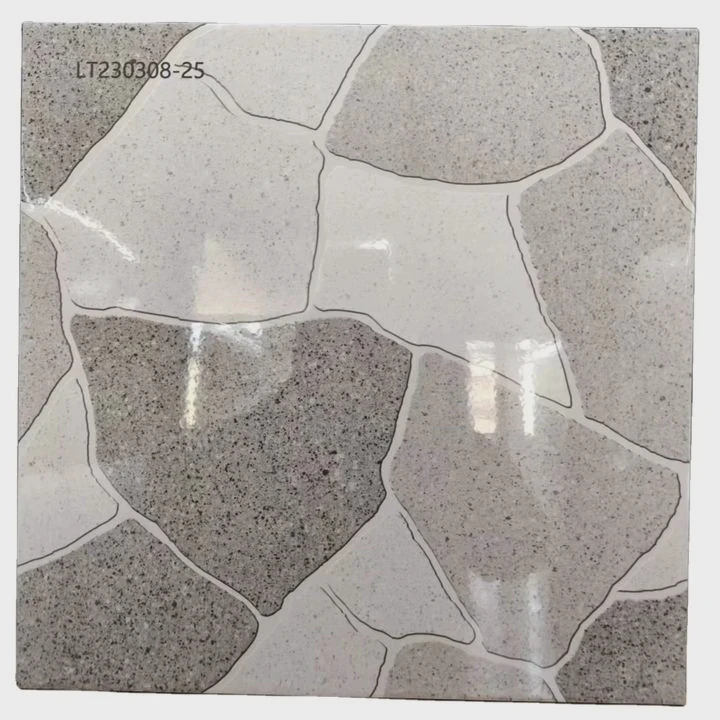
Many grout problems develop slowly over time. Moisture, stains, and daily wear gradually weaken unprotected grout lines.
Resealing improves grout durability by reducing moisture absorption, preventing stains, minimizing cracking risks, and protecting grout from cleaning chemicals and daily wear.
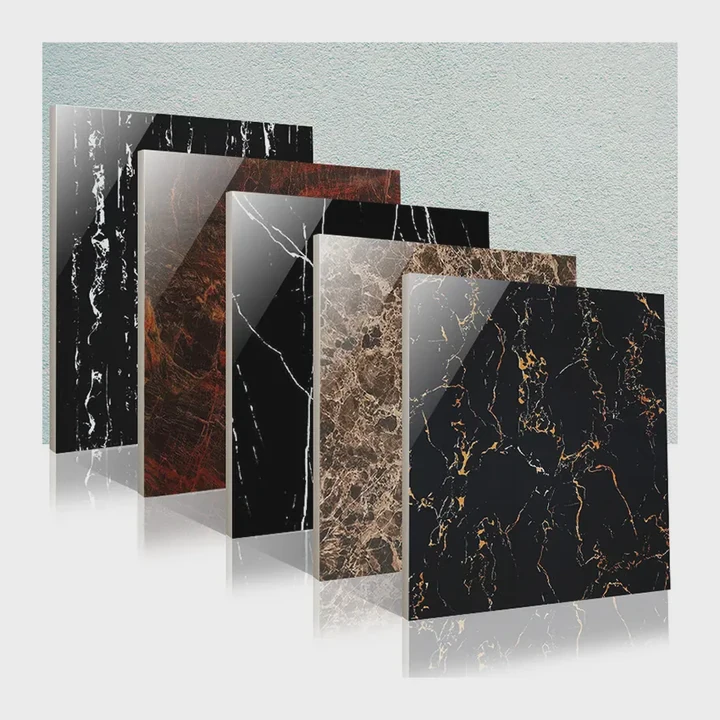
Grout is naturally porous. Without protection, it absorbs water, dirt, oils, and bacteria easily.
Resealing helps maintain grout performance and appearance over longer periods.
Moisture Protection
Bathrooms, kitchens, and entryways expose grout to frequent moisture.
Water penetration may weaken grout and damage the adhesive layers beneath tiles.
Stain Resistance
Unsealed grout absorbs spills quickly.
Coffee, grease, soap residue, and dirt often create deep discoloration that becomes difficult to remove later.
Reduced Cracking Risks
Moisture changes can cause grout expansion and contraction.
Sealers help reduce water absorption and improve grout stability.
Easier Cleaning
Protected grout surfaces resist dirt buildup better.
Routine cleaning becomes faster because contaminants remain closer to the surface instead of soaking deeply into the grout.
Chemical Resistance
Commercial cleaning products may damage unsealed grout over time.
Proper sealers improve resistance against cleaning chemicals and detergents.
Benefits of Regular Grout Resealing
| Benefit | Long-Term Effect |
|---|---|
| Moisture resistance | Reduced water damage |
| Stain prevention | Cleaner appearance |
| Easier maintenance | Lower cleaning effort |
| Chemical protection | Longer grout life |
| Reduced cracking | Better structural stability |
Why Durability Matters in Commercial Spaces
Commercial flooring systems face constant stress from foot traffic, carts, cleaning machines, and moisture exposure.
Weak grout lines often become maintenance problems long before the tiles themselves wear out.
Hospitals, restaurants, hotels, and shopping centers especially depend on durable grout because cleanliness standards remain high.
Another important factor involves hygiene. Damaged or porous grout may trap bacteria and mold in wet environments.
Property managers often schedule regular grout resealing as part of preventive maintenance programs because early protection reduces future repair costs.
Good grout maintenance also helps preserve the overall appearance of the flooring system.
Which Steps Ensure Proper Grout Sealing?
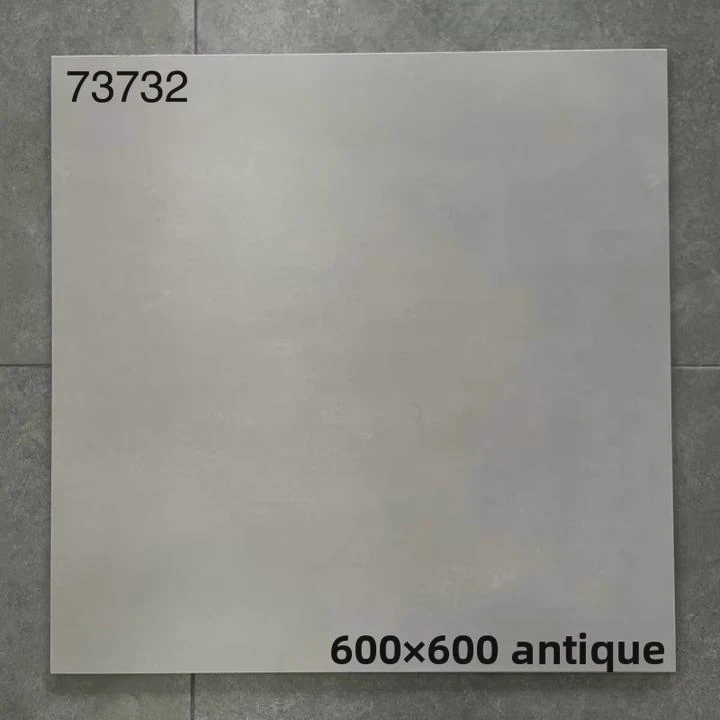
Many grout sealing jobs fail because important preparation steps are skipped. Poor cleaning and rushed application often reduce sealer performance quickly.
Proper grout sealing requires thorough cleaning, drying, careful sealer application, excess removal, curing time, and periodic maintenance to achieve long-lasting grout protection.
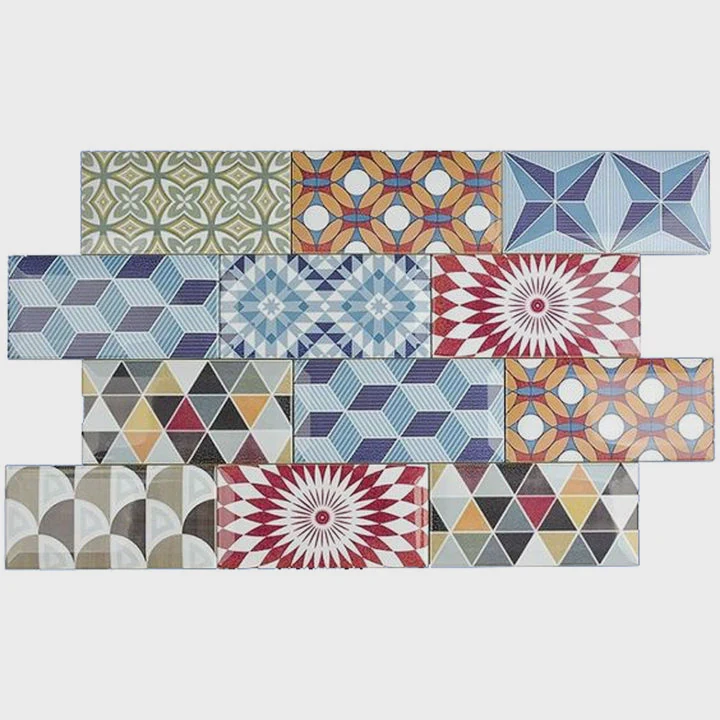
Successful grout sealing depends on preparation as much as the sealer itself.
Professional installers usually follow a detailed process to improve consistency and durability.
Step 1: Inspect the Grout Condition
Loose, cracked, or damaged grout should be repaired before sealing begins.
Sealers cannot fix structural grout problems.
Step 2: Deep Clean the Grout
Cleaning removes oils, soap film, mold, and dirt from the grout surface.
Strong grout cleaners or steam cleaning systems are often used before sealing.
Step 3: Allow Full Drying
Moisture trapped inside grout reduces sealer penetration.
Floors should dry fully before sealing begins.
Step 4: Apply the Sealer Carefully
Applicators should follow grout lines evenly while avoiding excessive buildup.
Controlled application improves consistency.
Step 5: Wipe Excess Material
Any sealer remaining on tile surfaces should be removed quickly before curing.
This helps prevent haze and uneven gloss.
Step 6: Allow Proper Curing Time
Many sealers require several hours or even days to cure fully.
Heavy cleaning or foot traffic too early may weaken the protective layer.
Proper Grout Sealing Process
| Step | Main Purpose |
|---|---|
| Inspection | Identify damage |
| Cleaning | Remove contaminants |
| Drying | Improve penetration |
| Application | Create protection |
| Excess removal | Prevent residue |
| Curing | Strengthen durability |
Why Proper Process Control Matters
Grout sealing may appear simple, but inconsistent methods often reduce protection quality significantly.
Commercial flooring projects especially require careful process control because large areas magnify small mistakes.
Another important factor involves scheduling. Floors must remain unused during curing periods to prevent contamination and surface damage.
Experienced flooring contractors often document maintenance schedules and resealing intervals for large buildings.
Regular inspections also help identify worn grout areas before severe damage develops.
Well-sealed grout not only improves appearance but also extends the service life of the entire tile flooring system.
Conclusion
Resealing grout helps protect tile floors from moisture, stains, chemical damage, and daily wear. Proper cleaning, careful sealer application, and regular maintenance improve grout durability and appearance over time. In both residential and commercial spaces, consistent grout sealing reduces long-term repair costs and keeps tile floors looking cleaner and more professional.