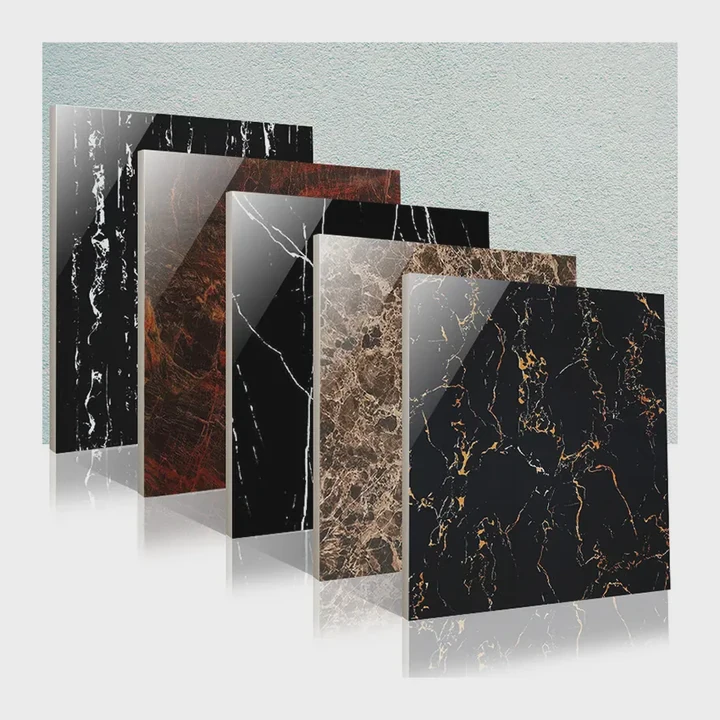
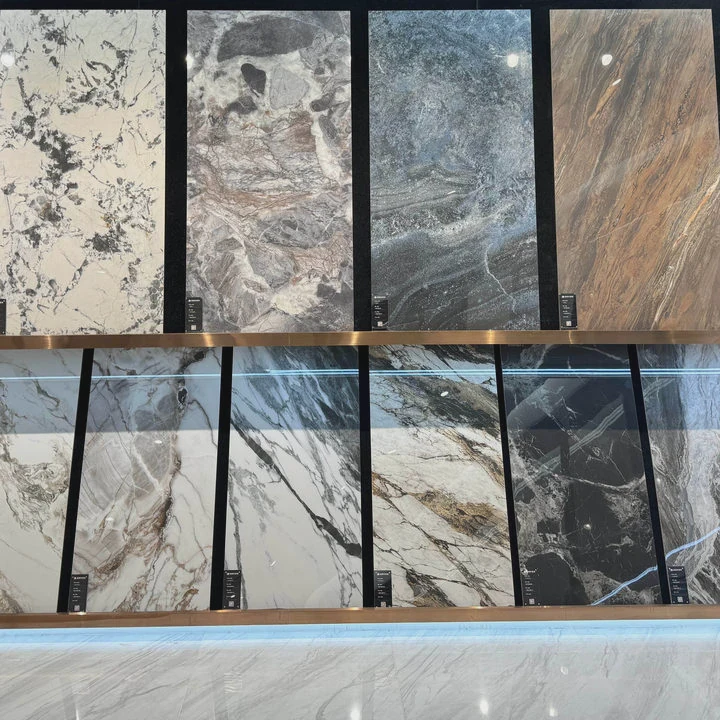
how to seal marble tile?
- Sinotiles
- 2026-04-20
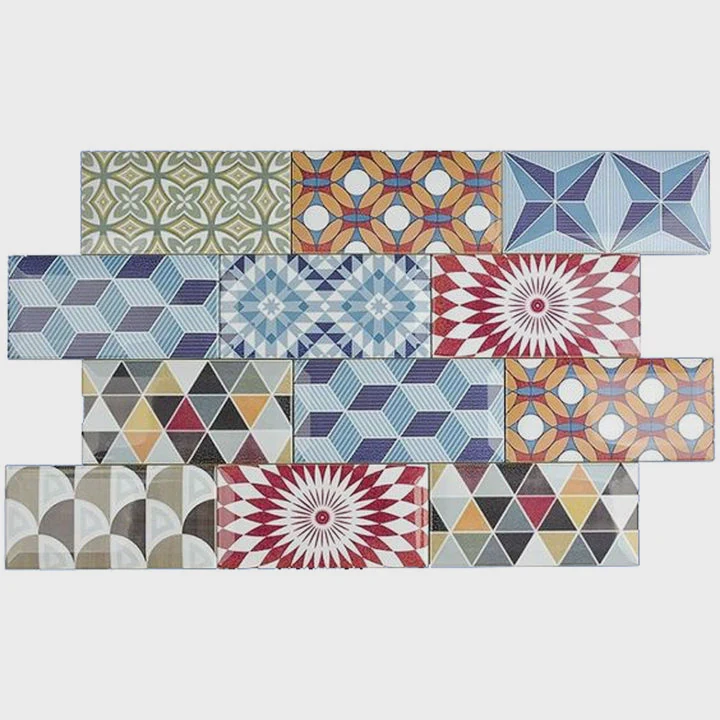
Marble looks beautiful, but it stains and etches easily. Many buyers feel worried after installation. They fear damage and costly repairs.
Sealing marble tile protects the surface from stains, moisture, and daily wear. It does not make marble damage-proof, but it greatly improves durability and maintenance.
Many clients ask the same question before buying marble or similar tiles. They want to know if sealing is hard, how often to do it, and if it really works. This guide shares clear answers based on real project experience.
What sealers are best for marble tile surfaces?
Marble is porous. If the wrong sealer is used, the protection will fail quickly. This creates risk for stains, especially in kitchens and bathrooms.
The best sealers for marble are penetrating (impregnating) sealers. These go deep into the stone and protect from inside without changing the surface look.
Understanding Different Types of Sealers
There are two main types of sealers used in the market:
| Sealer Type | How It Works | Best Use Case |
|---|---|---|
| Penetrating Sealer | Absorbs into stone pores | Marble, natural stone |
| Surface Sealer | Creates a top layer | Temporary protection |
Penetrating sealers are the most recommended option. They do not form a film. This means the marble keeps its natural look and texture. Many high-end projects prefer this type.
Surface sealers sit on top of the marble. They can peel or wear out fast. In busy areas, this causes uneven appearance. So this type is less common for marble floors.
Key Features to Look For
When selecting a sealer, I usually focus on these factors:
- Water resistance
- Oil resistance
- Breathability
- Long-lasting protection
Some sealers only block water. But kitchens need oil resistance too. This is very important for commercial projects.
Practical Insight from Projects
In one hotel project, a low-quality sealer was used to save cost. Within six months, the marble started showing dark spots. The client had to redo sealing. This increased total cost.
So, choosing a good sealer at the start is always better.
Recommended Strategy
For most buyers, I suggest:
- Use a high-quality penetrating sealer
- Apply two coats for better protection
- Test on a small area first
This simple approach works well in most markets.
How do you prepare marble before sealing?
Many problems come from poor preparation. Even the best sealer will fail if the surface is not clean and dry.
Before sealing, marble must be fully cleaned, free of stains, and completely dry to ensure proper absorption and long-lasting protection.
Step-by-Step Preparation Process
Preparation is simple but must be done carefully:
| Step | Action | Purpose |
|---|---|---|
| 1 | Clean surface | Remove dust and dirt |
| 2 | Remove stains | Avoid sealing stains inside |
| 3 | Dry completely | Ensure sealer absorption |
Deep Cleaning Matters
Marble absorbs liquids fast. If stains are not removed first, sealing will lock them inside. This makes them harder to remove later.
Use a neutral cleaner. Avoid acid-based cleaners. Acid can damage marble surface.
Drying Is Critical
Many people rush this step. But moisture inside marble blocks sealer penetration.
I usually recommend:
- Wait at least 24 hours after cleaning
- Ensure no moisture remains
In humid areas, drying may take longer.
Surface Condition Check
Before sealing, check:
- Any cracks
- Uneven surface
- Previous coatings
If there is old sealer, it should be removed first. Otherwise, the new sealer will not work well.
Real Case Experience
In one residential project, sealing was done right after cleaning. The floor still had moisture. After a few weeks, the sealer failed. The marble absorbed stains easily.
The issue was not the product. It was the preparation.
Simple Rule to Follow
Clean → Dry → Seal
This order must not be changed.
When should marble tile be resealed?
Sealing is not permanent. Over time, protection becomes weaker. Many buyers do not know when to reseal.
Marble tile should be resealed every 6 to 12 months depending on usage, traffic, and exposure to water or oil.
Factors That Affect Resealing Time
Different environments require different schedules:
| Environment | Resealing Frequency |
|---|---|
| Residential floor | 12 months |
| Kitchen countertop | 6–8 months |
| Commercial space | 3–6 months |
High traffic areas wear faster. Restaurants and hotels need more frequent sealing.
Simple Water Test
A quick test can help:
- Drop water on the surface
- Wait 5 minutes
If water darkens the marble, sealing is needed.
If water stays on top, protection is still working.
Signs That Resealing Is Needed
Look for these signs:
- Dark spots appear easily
- Surface absorbs liquids fast
- Color changes after spills
These are clear indicators.
Long-Term Maintenance Plan
For B2B buyers, I often suggest creating a maintenance schedule.
This helps:
- Reduce repair cost
- Maintain visual quality
- Extend product life
Real Market Insight
Many distributors ignore after-sales guidance. This leads to complaints. But when proper resealing guidance is given, customer satisfaction improves.
Practical Suggestion
Always inform end users:
- Sealing is maintenance, not one-time work
- Regular care protects investment
This builds trust and repeat business.
Can sealing prevent etching and stains effectively?
This is a common misunderstanding. Many think sealing makes marble completely safe. That is not true.
Sealing helps prevent stains but does not fully stop etching. Etching is caused by acid reactions, which sealers cannot block.
Difference Between Stains and Etching
| Issue | Cause | Can Sealing Prevent? |
|---|---|---|
| Stains | Liquid absorption | Yes |
| Etching | Acid reaction | No |
Stains come from oil, coffee, or water. Sealers help reduce this risk.
Etching happens when acid reacts with marble. Common sources include:
- Lemon juice
- Vinegar
- Cleaning chemicals
Why Sealers Cannot Stop Etching
Sealers work inside the stone. They reduce absorption. But acid reacts with the surface itself.
So even sealed marble can etch.
How to Reduce Etching Risk
While sealing cannot stop etching, we can reduce risk:
- Use coasters and mats
- Clean spills quickly
- Avoid acidic cleaners
Alternative Material Strategy
In many projects, I suggest alternatives:
- Porcelain tiles with marble look
- Glazed tiles
These offer:
- Better resistance
- Lower maintenance
- Similar appearance
Real Buyer Concern
Some clients choose marble for luxury projects. But later they face maintenance issues.
In such cases, I explain clearly:
- Marble is beautiful but sensitive
- Sealing helps, but care is still needed
Balanced Recommendation
If the project requires natural stone, sealing is necessary. But if low maintenance is important, engineered or ceramic options may be better.
Conclusion
Sealing marble tile is essential for protection, but it requires the right product, proper preparation, and regular maintenance. It reduces stains but does not stop etching. Clear guidance helps buyers make better long-term decisions.