How to Tile Herringbone Pattern?
- Sinotiles
- 2026-04-25
Starting a herringbone tile project can be tricky. Wrong planning or misalignment can ruin the whole look.
Herringbone pattern creates a visually dynamic surface. With careful planning and precise placement, it can enhance any floor or wall with elegance and style.
A solid plan and careful execution keep the pattern neat and balanced from start to finish.
What layout planning is needed for herringbone pattern?
Planning a herringbone layout is crucial. Without a plan, tiles can end up crooked or uneven, wasting time and materials.
Proper layout planning ensures tiles align perfectly and the pattern looks intentional. It saves mistakes and creates a balanced visual effect.
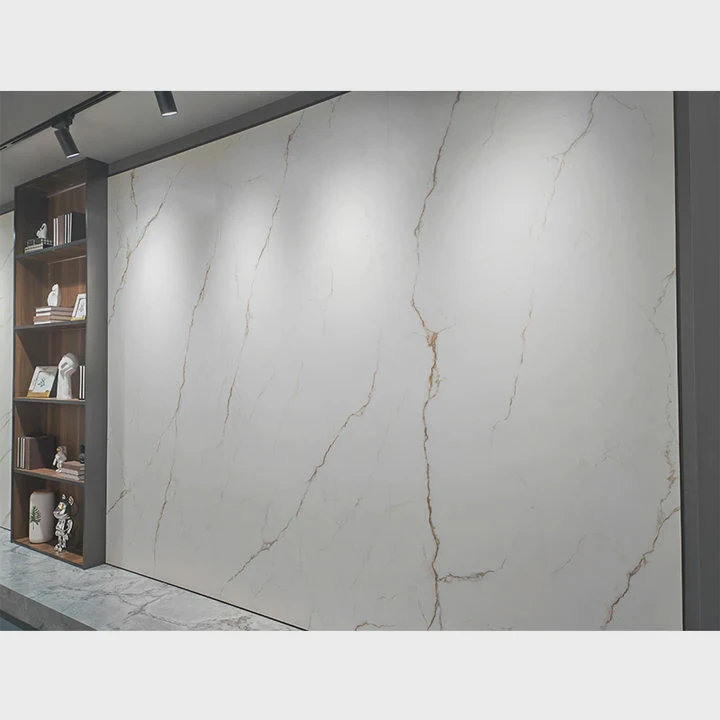
To plan a herringbone layout, start by measuring the space accurately. Divide the room into halves or quarters. Identify the center lines. Align the first tile along these lines. Use chalk lines to guide placement. Mark where cuts will be needed at edges. Dry-lay a few rows to see how tiles fit. Check spacing and symmetry before applying adhesive.
Common planning strategies
| Strategy | Description |
|---|---|
| Center Start | Begin at the room’s center and work outward for symmetry. |
| Side Start | Begin at one wall, often for rooms with visible edges or doorways. |
| Diagonal Start | Place tiles at a diagonal to the walls for dynamic visual effect. |
Tips for a smooth layout
- Always check room dimensions and calculate tile cuts.
- Use spacers to maintain uniform gaps.
- Consider tile size vs. room size to avoid tiny edge cuts.
- Confirm adhesive type and drying time before starting.
Proper planning prevents misalignment and reduces the need for corrections during installation. It also ensures visual balance, especially in large areas or long corridors.
How do you ensure alignment in herringbone tiling?
Maintaining alignment in herringbone tiling is one of the most challenging steps. Even a slight shift can ruin the pattern.
Using guides and constant checks helps maintain perfect alignment. Consistency ensures the herringbone pattern stays straight and professional.
Start by drawing chalk lines across the floor or wall. These lines act as guides for the first tiles. Always check corners to keep 90-degree angles. Use tile spacers for consistent grout lines. Frequently step back and visually check the pattern. Adjust tiles before adhesive sets. Keep cutting precise and measure frequently.
Techniques for precise alignment
| Technique | How to Use |
|---|---|
| Chalk Lines | Draw perpendicular lines for the center or start edge. |
| Tile Spacers | Maintain equal spacing between tiles. |
| Dry Layout | Lay tiles without adhesive to preview the pattern. |
| Laser Level | Ensure straight lines over long distances. |
Tips to avoid misalignment
- Work in small sections to prevent shifting tiles.
- Apply adhesive to a small area only.
- Keep an extra tile handy for testing angles.
- Double-check cuts at edges to match the pattern.
Alignment is key in herringbone. Small mistakes multiply quickly. Careful measurement, repeated checks, and proper tools are essential for success.
Which tiles work best for this pattern?
Choosing the right tile impacts the herringbone look. Wrong tiles can make the pattern look messy or overpower the space.
Rectangular tiles with uniform edges are ideal. They create clean lines and make installation easier. Materials with some texture add depth and interest.
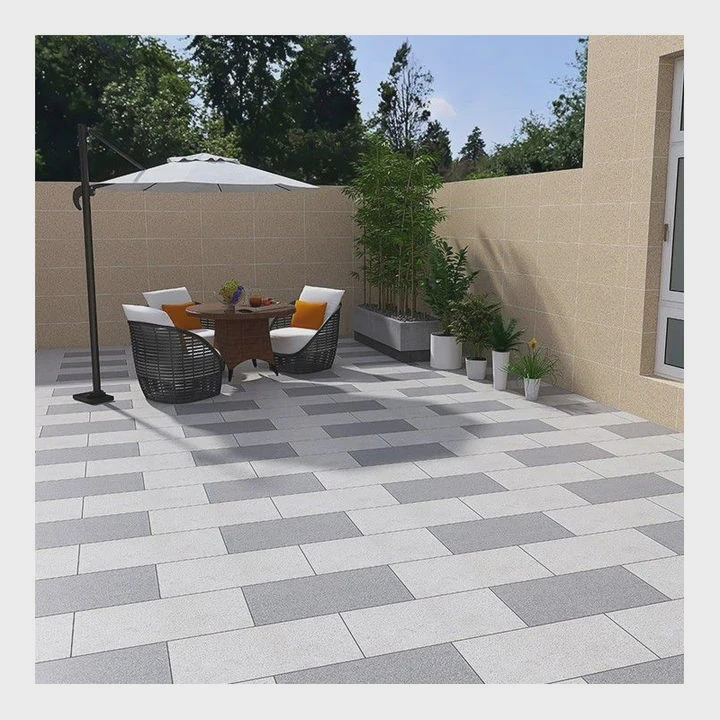
Rectangular tiles, often 2:1 or 3:1 ratio, are the classic choice for herringbone. Larger tiles reduce grout lines and emphasize the pattern. Natural stone or ceramic works well for floors and walls. Porcelain is durable and suitable for high-traffic areas. Avoid uneven tiles, as they can break the visual flow.
Recommended tile types
| Tile Type | Benefits |
|---|---|
| Porcelain | Strong, durable, water-resistant |
| Ceramic | Easy to cut, affordable |
| Natural Stone | Textured, luxurious appearance |
| Wood-Look | Warmth and pattern versatility |
Choosing the right size
- Standard rectangular: 200×100mm, 300×150mm
- Medium rectangular: 600×300mm
- Large format: 1200×600mm for dramatic effect
Tile selection depends on room size, usage, and style. Smaller tiles highlight intricate patterns. Large tiles create a sleek, modern look. Consider grout color; light grout contrasts with dark tiles for a bold look, while matching grout softens the pattern.
Practical advice
- Test a sample layout before buying a full batch.
- Ensure all tiles are from the same production batch to maintain color consistency.
- Account for tile thickness and edge finish when placing spacers.
Choosing the right tile reduces installation issues and guarantees the herringbone pattern stands out.
When should grout be applied after installation?
Grouting too soon or too late can cause cracks or poor adhesion. Timing is critical.
Grout should be applied after adhesive fully sets. Waiting ensures stability, prevents movement, and maintains a clean finish.
Typically, wait 24 to 48 hours for adhesive to cure, depending on tile type and room conditions. Check manufacturer guidelines for drying times. Clean the joints before grouting. Mix grout according to instructions. Apply with a rubber float at a 45-degree angle. Remove excess grout promptly. Wipe tiles with a damp sponge to prevent residue. Allow grout to cure before walking on the surface.
Grouting best practices
| Step | Detail |
|---|---|
| Clean Joints | Remove dust and debris from between tiles. |
| Mix Grout | Follow powder-to-water ratio. |
| Apply | Use a rubber float, pressing grout into gaps. |
| Clean | Wipe tiles gently before grout sets. |
| Cure | Let grout set fully before heavy use. |
Common mistakes
- Applying grout too early can cause movement and cracks.
- Using too much water in the mix weakens grout.
- Skipping cleanup leads to haze or stains.
- Not allowing full cure time can damage grout during first use.
Proper grouting ensures long-term durability. It seals gaps and enhances the herringbone pattern. Correct timing and technique make the floor or wall look professional and last longer.
Conclusion
Herringbone tiling is a striking design. With proper planning, alignment, tile selection, and correct grouting, any space can achieve a professional and lasting finish.