How to tile fireplace?
- Sinotiles
- 2026-04-14
A fireplace can look outdated fast. Old surfaces crack or fade. Many homeowners feel stuck with a dull centerpiece that affects the whole room.
Tiling a fireplace involves preparing the surface, choosing heat-resistant tiles, using proper adhesives, and applying grout after installation. With correct steps, you create a durable and stylish focal point.
A fireplace is not just decoration. It faces heat, expansion, and long-term use. Each step must be done right to avoid cracks, tile failure, or safety issues.
What preparation is needed before tiling a fireplace?
Many fireplace tiling projects fail before they even start. Poor preparation leads to loose tiles and uneven surfaces.
Before tiling a fireplace, you must clean the surface, repair damage, ensure heat resistance, and create a stable base. Proper preparation ensures strong adhesion and long-lasting results.
Preparation is the foundation of the entire project. A well-prepared surface ensures that tiles stay secure even under high temperatures.
Check the fireplace structure
The first step is to inspect the fireplace condition. Every surface must be stable and safe.
- Look for cracks in masonry
- Check for loose bricks or panels
- Ensure the structure is solid
If structural issues exist, they must be fixed before tiling begins.
Clean the surface properly
Dust, grease, and soot reduce adhesion. Cleaning is critical.
- Remove ash and soot buildup
- Use a degreaser if needed
- Wipe the surface with a damp cloth
A clean surface helps adhesive bond better.
Level and smooth the surface
Tiles require a flat base. Uneven surfaces cause alignment issues.
- Use a leveling compound if needed
- Sand rough areas
- Fill holes or gaps
Install a backer board if needed
Some surfaces are not suitable for direct tiling. In such cases, a cement backer board is required.
Why use backer board?
- Provides a stable surface
- Improves heat resistance
- Enhances durability
Measure and plan layout
Planning avoids mistakes during installation.
- Measure the fireplace area
- Mark center lines
- Dry-lay tiles to test design
Preparation checklist
| Task | Purpose |
|---|---|
| Surface inspection | Ensure structural safety |
| Cleaning | Improve adhesion |
| Leveling | Ensure even tile placement |
| Backer board installation | Provide stable base |
| Layout planning | Avoid alignment errors |
Skipping preparation often leads to tile cracking or falling off. This step saves time and cost later.
How do you choose heat resistant tiles?
Choosing the wrong tile can be dangerous. Some tiles crack or discolor under heat. This affects both safety and design.
Heat-resistant tiles such as porcelain, ceramic, and natural stone are best for fireplaces. These materials withstand high temperatures without cracking or losing appearance.
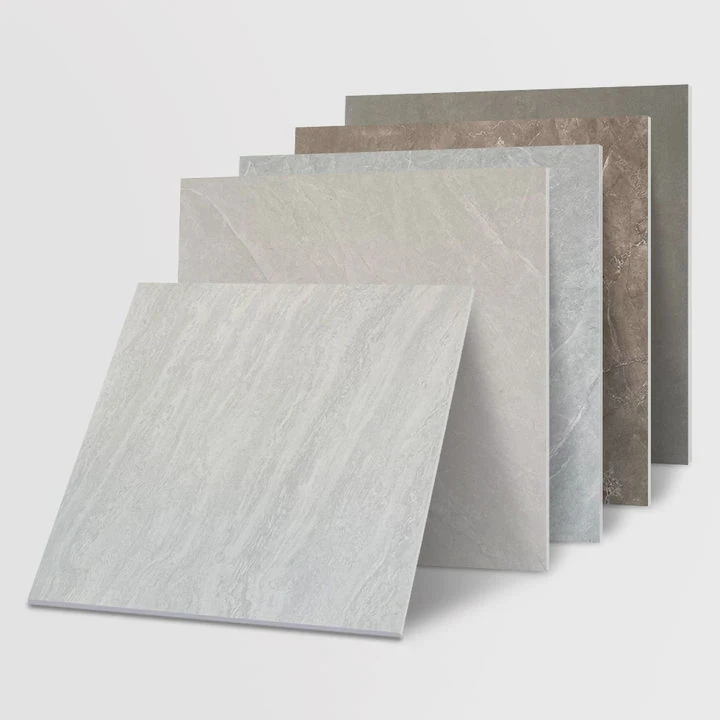
Not all tiles are suitable for fireplaces. The key is to select materials that handle heat and temperature changes.
Best tile materials for fireplaces
Different materials perform differently under heat.
Porcelain tiles
Porcelain is one of the best options.
- High density
- Low water absorption
- Strong heat resistance
It works well for both modern and classic designs.
Ceramic tiles
Ceramic is also widely used.
- Cost-effective
- Available in many designs
- Moderate heat resistance
It is suitable for areas with indirect heat exposure.
Natural stone tiles
Stone adds a premium look.
- Marble, granite, slate options
- Strong and durable
- Natural texture
However, some stones need sealing.
Tile comparison table
| Tile Type | Heat Resistance | Durability | Cost Level |
|---|---|---|---|
| Porcelain | High | High | Medium |
| Ceramic | Medium | Medium | Low |
| Natural Stone | High | High | High |
Size and thickness considerations
Tile size affects installation and performance.
- Large tiles create a modern look
- Small tiles handle expansion better
- Thicker tiles offer more durability
Surface finish selection
Finish affects both style and safety.
- Matte finish reduces glare
- Textured surfaces add grip
- Glossy finish gives a clean look
Design and color choices
Color plays a key role in the final result.
- Neutral tones create timeless appeal
- Dark colors hide soot marks
- Patterned tiles add visual interest
Common mistakes when choosing tiles
- Using non-heat-resistant materials
- Ignoring expansion properties
- Choosing style over function
The right tile balances durability, safety, and design. This ensures long-term satisfaction.
Which adhesives are suitable for high temperatures?
Standard adhesives may fail under heat. This leads to tiles loosening or falling off.
High-temperature adhesives such as heat-resistant thin-set mortar and refractory adhesives are best for fireplaces. These materials maintain bonding strength under thermal stress.
Adhesive selection is critical in fireplace tiling. Heat causes expansion and contraction. The adhesive must handle this movement.
Types of suitable adhesives
Heat-resistant thin-set mortar
This is the most common option.
- Cement-based
- Strong bonding
- Suitable for most tiles
It works well for standard fireplace surrounds.
Refractory mortar
This type is designed for extreme heat.
- Used in fireboxes
- Handles direct flame exposure
- Very durable
It is necessary for high-temperature zones.
Pre-mixed adhesives (limited use)
Some pre-mixed products are available.
- Easy to use
- Suitable for low-heat areas
They are not recommended for high-heat zones.
Adhesive comparison table
| Adhesive Type | Heat Resistance | Application Area |
|---|---|---|
| Thin-set mortar | High | Fireplace surround |
| Refractory mortar | Very High | Firebox interior |
| Pre-mixed adhesive | Low | Decorative areas only |
Application tips
Proper application ensures strong bonding.
- Mix adhesive to correct consistency
- Apply evenly with a notched trowel
- Press tiles firmly into place
Thickness and coverage
Adhesive thickness matters.
- Too thin reduces bonding
- Too thick causes uneven tiles
Follow manufacturer guidelines for best results.
Drying and curing time
Adhesives need time to set.
- Initial setting: a few hours
- Full curing: 24-48 hours
Avoid using the fireplace during this period.
Common adhesive mistakes
- Using standard adhesive in high heat
- Not allowing proper curing time
- Applying uneven layers
These mistakes lead to tile failure.
Choosing the right adhesive ensures safety and durability. It is one of the most important steps in fireplace tiling.
When should grout be applied after installation?
Grouting too early can ruin the installation. Tiles may shift or adhesive may weaken.
Grout should be applied after the adhesive fully cures, typically 24 to 48 hours after tile installation. This ensures tiles are stable and prevents movement during grouting.
Grouting is the final step that completes the fireplace look. Timing is very important.
Why timing matters
If grout is applied too early:
- Tiles may move
- Adhesive bond weakens
- Joints become uneven
Waiting ensures stability.
Ideal waiting time
The standard waiting time is:
- Minimum: 24 hours
- Recommended: 48 hours
Environmental conditions affect drying time.
Grouting process
The process must be done carefully.
- Mix grout to proper consistency
- Apply using a rubber float
- Fill all joints completely
Cleaning after grouting
Cleaning must be done at the right time.
- Wipe excess grout with a damp sponge
- Avoid removing grout from joints
- Polish tiles after haze forms
Curing after grouting
Grout also needs time to cure.
- Light use after 24 hours
- Full cure after several days
Avoid heat exposure during curing.
Sealing the grout
Sealing improves durability.
- Apply after grout cures fully
- Protects from stains and moisture
Common grouting mistakes
- Grouting too soon
- Using too much water during cleaning
- Skipping sealing
These mistakes affect both appearance and durability.
Grouting completes the project, but patience is key. Proper timing ensures a strong and clean finish.
Conclusion
Tiling a fireplace requires careful preparation, proper materials, and correct timing. When each step is followed, the result is a durable, heat-resistant, and visually appealing centerpiece that lasts for years.