Is porcelain tile slippery?
- Sinotiles
- 2026-04-14
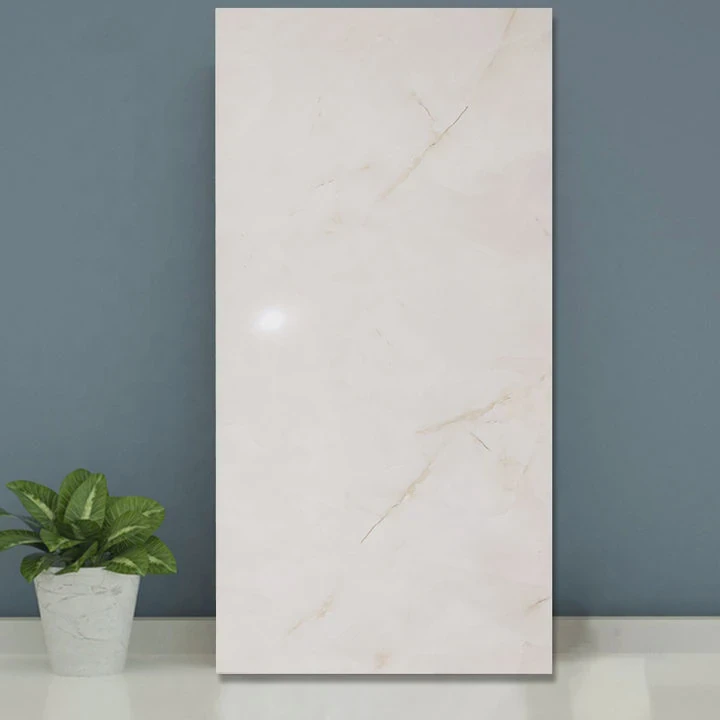
Many buyers worry about slipping on porcelain tiles. This concern becomes serious in bathrooms, kitchens, and outdoor areas where water is common.
Porcelain tile is not always slippery. Slip resistance depends on surface finish, texture, and rating. Choosing the right tile and treatment can make it safe for both dry and wet areas.
This topic often creates confusion. Some people think all porcelain tiles are dangerous. That is not true. The real answer depends on several key factors.
What factors affect slip resistance of porcelain tile?
Slipping accidents can lead to injuries and costly repairs. Many people choose tiles based only on appearance and ignore safety performance.
Slip resistance of porcelain tile depends on surface texture, water presence, tile finish, slip rating (R-value), and maintenance conditions. Rougher surfaces and higher ratings provide better grip.
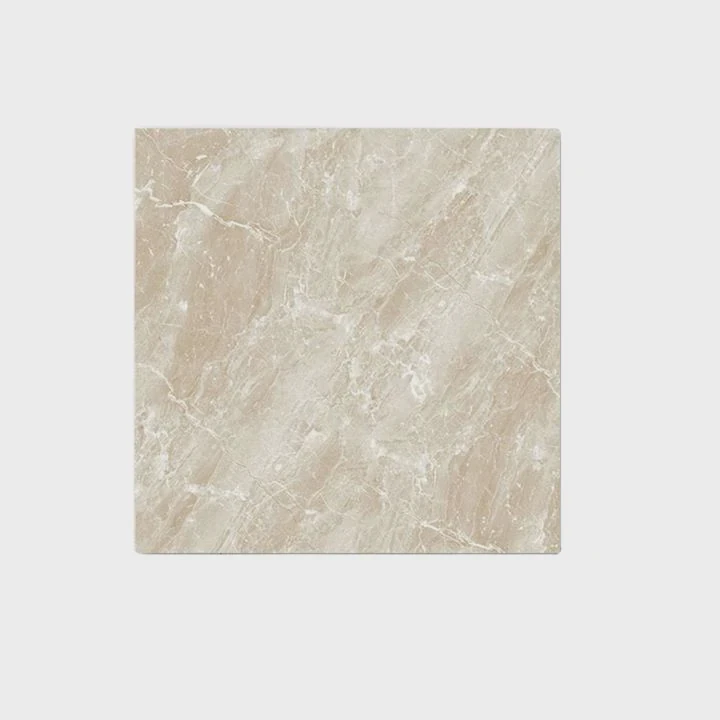
Porcelain tiles are dense and durable. However, their surface properties determine how safe they are under different conditions.
Key factors that influence slip resistance
1. Surface texture
Texture plays a direct role.
- Rough surfaces increase friction
- Smooth surfaces reduce grip
- Structured finishes improve safety
2. Water and contaminants
Water acts as a lubricant.
- Wet tiles become more slippery
- Soap or oil increases risk
- Outdoor rain affects traction
3. Slip rating (R-value)
Slip resistance is measured using ratings.
- R9-R10: Low resistance (indoor dry areas)
- R11-R12: Medium resistance (wet areas)
- R13: High resistance (industrial use)
4. Tile size and grout lines
Large tiles mean fewer grout lines.
- Less grout = less grip
- Smaller tiles = more joints = better traction
Slip resistance factors overview
| Factor | Impact on Safety | Recommendation |
|---|---|---|
| Surface Texture | High | Choose textured tiles |
| Water Exposure | High | Use anti-slip tiles |
| Slip Rating | Critical | Select R11 or above |
| Tile Size | Medium | Use smaller tiles in wet zones |
Practical insight
In many commercial projects, slip resistance is a requirement, not an option. Designers often balance safety with aesthetics. A glossy tile may look attractive, but it may not be suitable for wet environments.
Understanding these factors helps avoid costly mistakes. It also improves long-term user safety.
How does surface finish influence tile traction?
A beautiful tile surface may look perfect, but it can become dangerous if it lacks grip. Many people overlook how finish affects traction.
Surface finish directly impacts traction. Matte, textured, and structured finishes provide better grip, while polished and glossy finishes are more slippery, especially when wet.
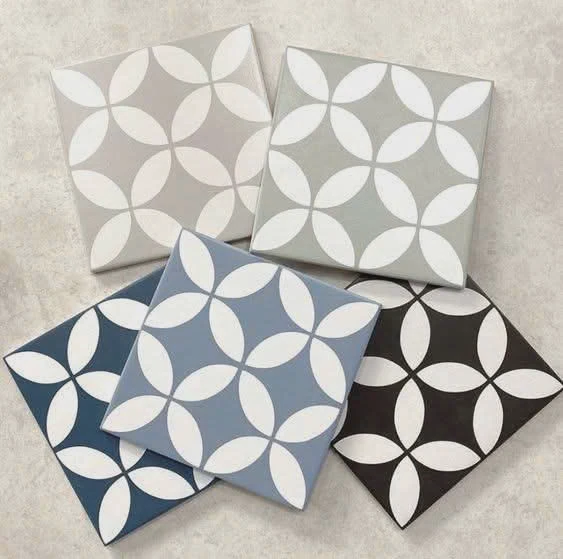
Different finishes create different friction levels. This affects how safe the tile feels underfoot.
Common porcelain tile finishes
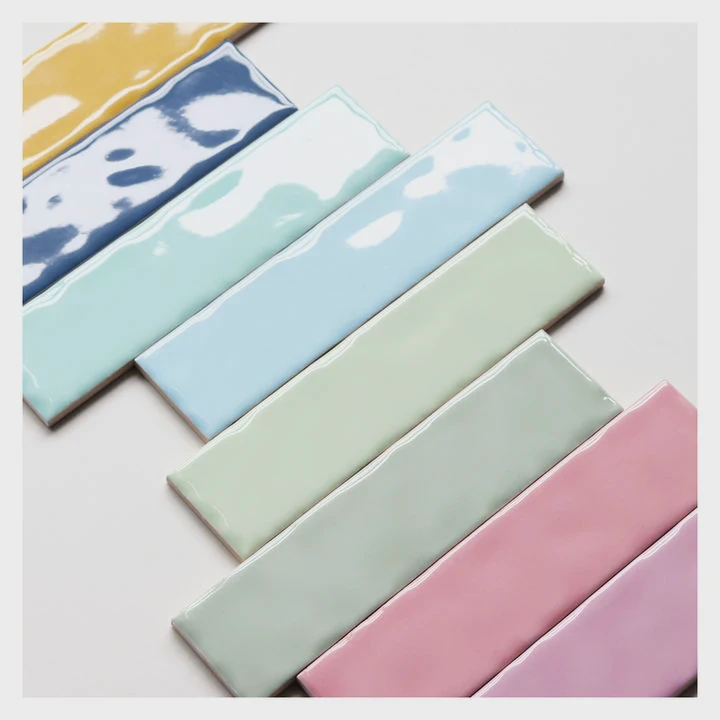
1. Polished finish
- Smooth and shiny
- Reflective surface
- Low friction
Best for living rooms and walls, not wet floors.
2. Matte finish
- Soft and non-reflective
- Moderate grip
- Versatile use
Suitable for most indoor spaces.
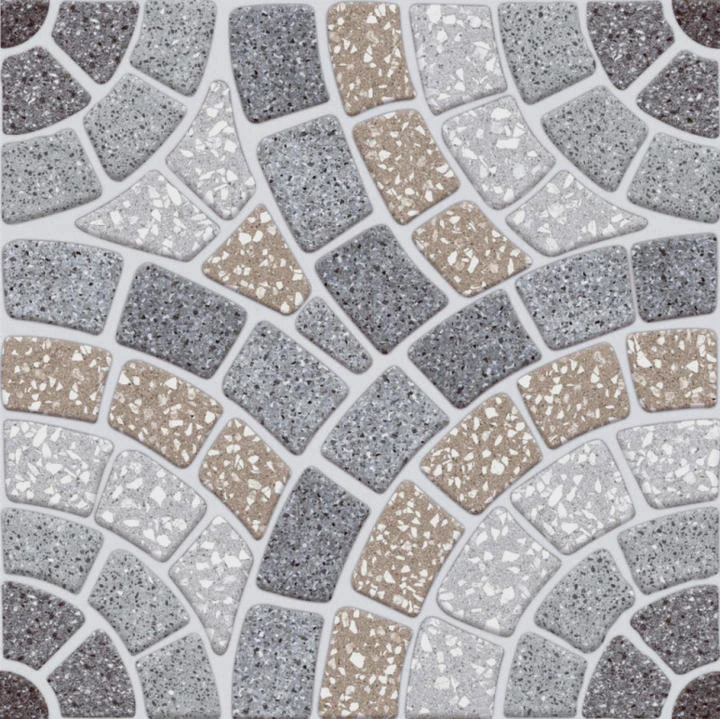
3. Textured finish
- Rough surface
- High friction
- Anti-slip performance
Ideal for outdoor and wet areas.
4. Structured finish
- Designed patterns for grip
- High safety level
- Often used in commercial spaces
Finish comparison table
| Finish Type | Appearance | Slip Resistance | Best Application |
|---|---|---|---|
| Polished | Glossy | Low | Living rooms, walls |
| Matte | Soft | Medium | Bedrooms, kitchens |
| Textured | Rough | High | Bathrooms, outdoors |
| Structured | Patterned | Very High | Commercial areas |
Why finish matters in real use
When water touches a polished tile, it forms a thin layer. This reduces friction quickly. That is why polished tiles feel very slippery when wet.
Matte and textured tiles break this water layer. They create more contact points between the foot and the tile surface.
Design vs safety balance
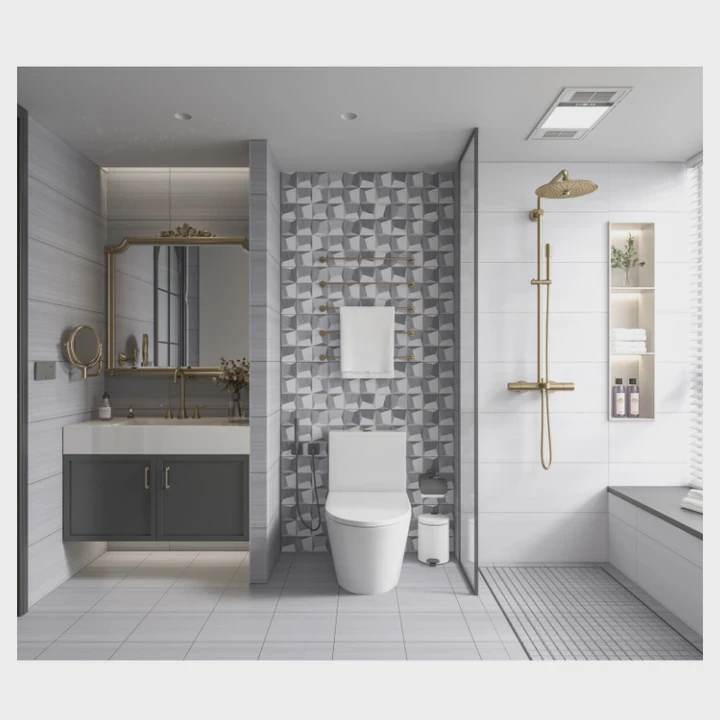
Many clients want a modern and shiny look. However, safety should always come first in wet areas. A good solution is to mix finishes:
- Use polished tiles on walls
- Use matte or textured tiles on floors
This approach keeps both style and safety.
Which tiles are best for wet areas?
Wet areas are the most dangerous zones for slipping. Bathrooms, kitchens, and outdoor spaces need special attention.
The best tiles for wet areas are textured or matte porcelain tiles with a slip rating of R11 or higher. Smaller tiles with more grout lines also improve traction.
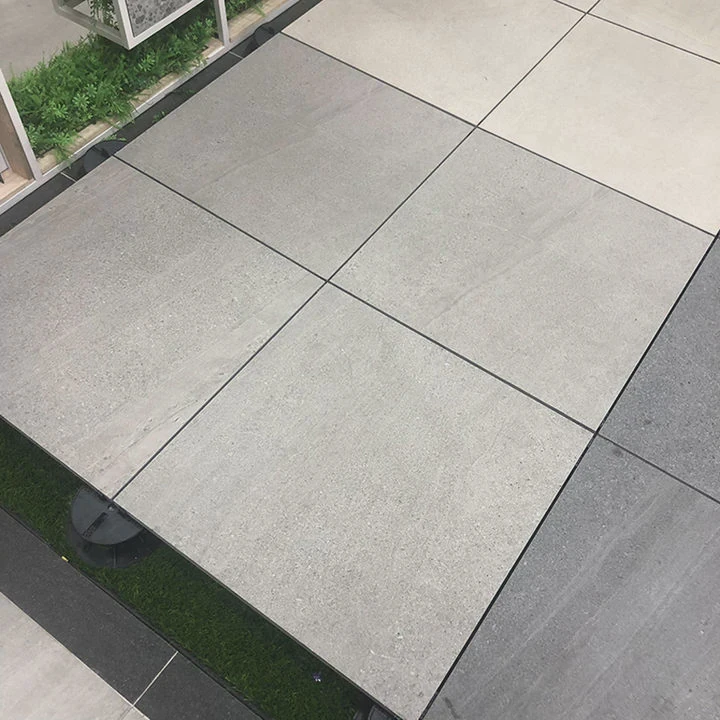
Choosing the wrong tile in wet areas can lead to accidents. So, it is important to match the tile to the environment.
Best tile options for wet spaces
1. Textured porcelain tiles
- Strong grip
- Suitable for showers and outdoors
- Durable under water exposure
2. Matte porcelain tiles
- Balanced grip and appearance
- Easy to clean
- Good for kitchens and bathrooms
3. Mosaic tiles
- Many grout lines
- Excellent slip resistance
- Ideal for shower floors
Wet area tile selection guide
| Area | Recommended Tile Type | Slip Rating |
|---|---|---|
| Bathroom floor | Textured / Mosaic | R11+ |
| Shower area | Mosaic / Structured | R11-R12 |
| Kitchen floor | Matte | R10-R11 |
| Outdoor patio | Textured | R11-R13 |
Additional considerations
Drainage and slope
Even the best tile cannot prevent slipping if water pools.
- Ensure proper floor slope
- Use anti-slip finishes
- Maintain clean surfaces
Maintenance
Dirt and soap reduce friction.
- Clean tiles regularly
- Avoid wax coatings
- Use proper cleaning products
Real-world experience
In hotel and commercial projects, safety standards are strict. Many specifications clearly require anti-slip ratings.
In residential projects, people often focus on design first. This can lead to problems later. It is always better to plan ahead and choose safe tiles from the beginning.
Can treatments improve porcelain tile grip?
Some people install tiles first and think about safety later. This creates a need for surface treatments to improve grip.
Yes, anti-slip treatments can improve porcelain tile grip. Options include anti-slip coatings, etching solutions, and adhesive strips, but results vary depending on the tile surface.
While treatments can help, they are not always a perfect solution. Prevention is still better than correction.
Types of anti-slip treatments
1. Anti-slip coatings
- Applied on tile surface
- Increase friction
- Temporary solution
2. Chemical etching
- Alters tile surface microscopically
- Creates texture
- More permanent than coatings
3. Anti-slip tapes or strips
- Quick and easy
- Visible on surface
- Used in high-risk areas
Treatment comparison
| Treatment Type | Durability | Appearance Impact | Effectiveness |
|---|---|---|---|
| Coating | Medium | Low | Moderate |
| Etching | High | Very Low | High |
| Anti-slip strips | Low | High | High |
Limitations of treatments
- Coatings wear off over time
- Some treatments change tile appearance
- Maintenance is required
When to use treatments
Treatments are useful in these cases:
- Existing slippery floors
- Rental properties
- Temporary safety upgrades
However, for new projects, it is always better to choose the right tile from the start.
Practical advice
In many export and engineering projects, anti-slip performance is planned during product selection. This avoids extra costs later.
Treatments are helpful, but they should not replace proper tile selection. A well-chosen tile always performs better than a treated one.
Conclusion
Porcelain tiles are not inherently slippery. Safety depends on texture, finish, and proper selection. Choosing the right tile and using treatments when needed ensures both style and secure footing in any space.