how to tile outside corners?
- Sinotiles
- 2026-04-15
Bad outside corners can ruin the whole tile job. Many people struggle with uneven edges, chipped tiles, and poor alignment. This often leads to wasted material and time.
Clean outside corner tiling needs proper planning, precise cutting, correct trims, and careful alignment. Using the right technique ensures durability, safety, and a professional finish that lasts for years.
Good tiling is not just about placing tiles. It is about details. Outside corners are where mistakes show the most. So it is worth slowing down and doing it right.
What techniques ensure clean outside corner tiling?
Many tilers face chipped edges and uneven finishes. This happens when cuts are rushed or tools are wrong. The result looks unprofessional and weak.
Clean outside corners come from accurate measurements, proper tile cutting, edge finishing, and choosing the right installation method such as mitering or using trims.
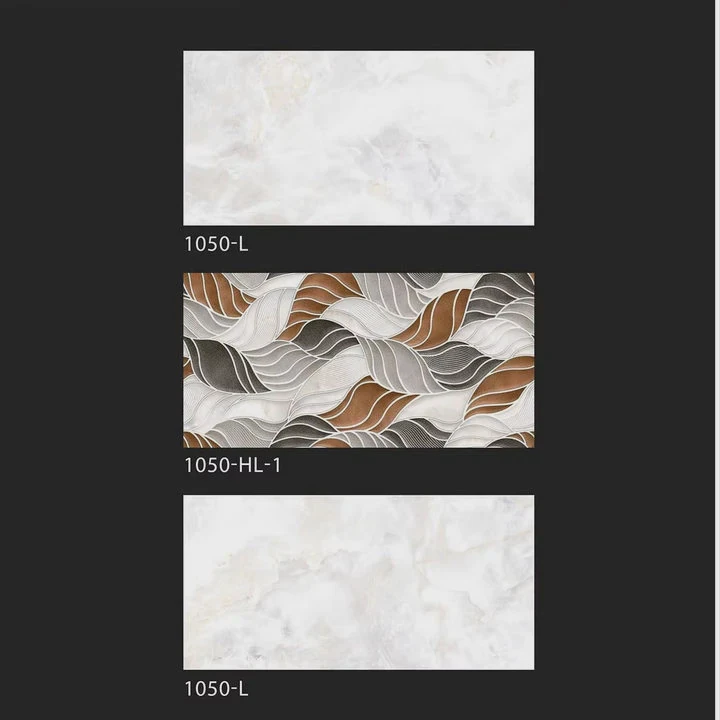
When working on outside corners, preparation is everything. Every step must be controlled and consistent.
Key Techniques for Clean Corners
1. Accurate Measurement First
Measure both sides of the corner. Walls are rarely perfect. Small differences matter.
2. Choose the Right Method
There are two main methods:
- Mitered edges (45-degree cuts)
- Tile trims (metal or plastic edges)
Each method has its own use case.
3. Use the Right Tools
A good tile cutter or wet saw is essential. Cheap tools often cause chipping.
4. Smooth the Edges
After cutting, edges should be polished or sanded. This improves both look and safety.
Comparison of Corner Techniques
| Technique | Pros | Cons | Best Use Case |
|---|---|---|---|
| Mitered Edges | Seamless look | Hard to execute | High-end residential projects |
| Tile Trims | Easy and durable | Visible edge | Commercial or fast projects |
| Overlap Method | Simple | Less clean look | Budget installations |
Deep Insight
From experience, many beginners jump straight into cutting without dry layout. That is a mistake. Dry laying tiles helps visualize the final look. It also reduces waste.
Another key point is consistency. One clean corner is not enough. Every corner must match. This is where professional discipline comes in.
Also, the tile type matters. Porcelain tiles are harder and need stronger tools. Ceramic tiles are easier to shape. Large format tiles require extra care because mistakes are more visible.
Common Mistakes to Avoid
- Cutting tiles without marking clearly
- Ignoring wall irregularities
- Using dull blades
- Skipping edge finishing
A clean corner is not luck. It is the result of controlled steps and patience.
How do you align tiles at external corners?
Misaligned tiles are easy to notice. Even a small shift can break the visual line. This makes the entire wall look off.
Tiles at external corners should be aligned using layout lines, spacers, and dry fitting to ensure both sides meet evenly and maintain consistent grout lines.

Alignment is where planning meets execution. Without it, even expensive tiles look cheap.
Step-by-Step Alignment Process
1. Start with a Reference Line
Draw vertical and horizontal guidelines. These lines control the layout.
2. Dry Fit Before Installation
Place tiles without adhesive first. This shows how they meet at the corner.
3. Use Tile Spacers
Spacers keep grout lines consistent. This is critical at corners.
4. Work from the Corner Out
Do not leave corners for last. Start from them.
Alignment Tools Overview
| Tool | Purpose | Importance Level |
|---|---|---|
| Laser Level | Straight alignment | High |
| Tile Spacers | Even gaps | High |
| Spirit Level | Surface balance | Medium |
| Chalk Line | Layout marking | Medium |
Deep Insight
Alignment is not only visual. It also affects structural strength. Poor alignment can create stress points. Over time, tiles may crack or loosen.
One important trick is to check alignment after every few tiles. Do not wait until the end. Small corrections early save big problems later.
Another point is symmetry. In visible areas like entrances or feature walls, symmetry matters a lot. It creates a balanced look.
In large projects, teams often use control lines across the entire space. This ensures consistency across multiple walls.
Practical Tip
Always step back and look at your work from a distance. Close-up work can hide alignment errors. Distance reveals them clearly.
Which trims work best for outside edges?
Raw tile edges can chip easily. They also look unfinished. This reduces the quality of the whole project.
The best trims for outside edges include aluminum, stainless steel, and PVC trims, chosen based on durability, design style, and budget.
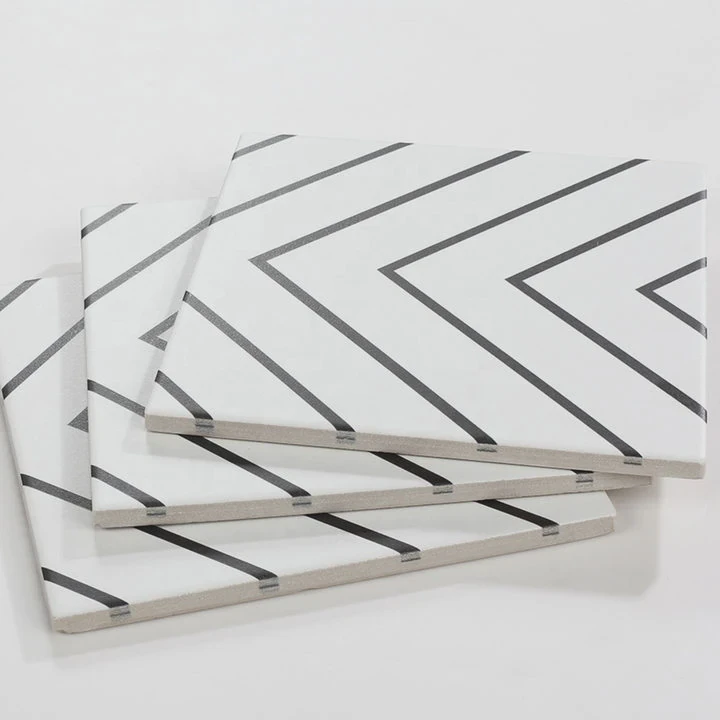
Tile trims are not just functional. They are also part of the design.
Types of Tile Trims
1. Aluminum Trims
- Lightweight
- Corrosion resistant
- Modern look
2. Stainless Steel Trims
- Very strong
- Premium finish
- Ideal for high-traffic areas
3. PVC Trims
- Affordable
- Easy to install
- Good for low-budget projects
Trim Selection Guide
| Trim Type | Durability | Cost Level | Appearance | Best Application |
|---|---|---|---|---|
| Aluminum | Medium | Medium | Modern | Residential interiors |
| Stainless Steel | High | High | Premium | Commercial projects |
| PVC | Low | Low | Basic | Temporary or budget jobs |
Deep Insight
Choosing trims is not only about price. It is about matching the project needs.
For example, in hotels or malls, stainless steel trims are often used because they handle heavy use. In homes, aluminum trims are popular due to their balance between cost and look.
Color also matters. Trims should match or contrast with tiles in a planned way. Random choices can break the design.
Another key factor is installation timing. Trims must be installed together with tiles. They cannot be added later easily.
Design Consideration
Minimalist designs often prefer thin metal trims. Traditional designs may use thicker or decorative edges.
Common Mistakes
- Choosing wrong trim thickness
- Mismatched colors
- Poor installation alignment
Trims are small details, but they have a big visual impact.
When should grout be applied on corners?
Grouting too early or too late can cause problems. Cracks and weak joints are common issues.
Grout should be applied after tiles are fully set and adhesive is cured, while flexible sealant is often used instead of grout at external corners to prevent cracking.
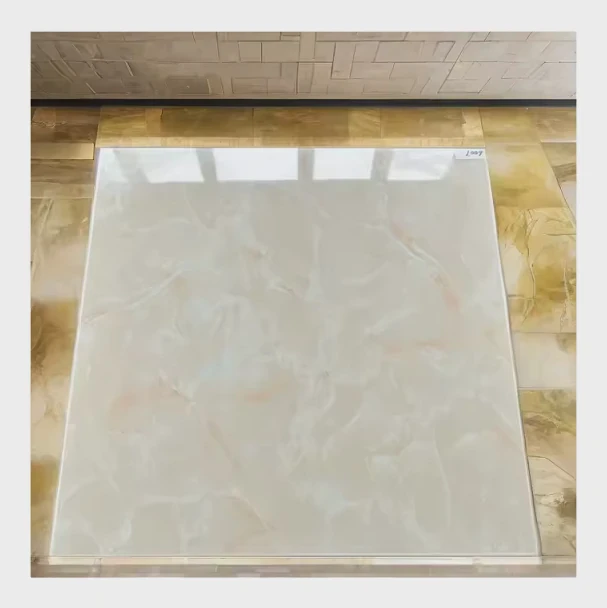
Timing is critical in grouting. Rushing this step leads to long-term issues.
Grouting Timeline
1. Wait for Adhesive to Cure
Usually 24 to 48 hours. This depends on materials.
2. Clean Tile Joints
Remove dust and debris before grouting.
3. Apply Grout Evenly
Use a rubber float for smooth application.
4. Clean Excess Grout
Wipe tiles before grout hardens.
Grout vs Sealant at Corners
| Material | Flexibility | Crack Resistance | Best Use Area |
|---|---|---|---|
| Grout | Low | Low | Flat surfaces |
| Sealant | High | High | Corners and joints |
Deep Insight
Many people do not know that corners move slightly over time. Buildings expand and contract. This movement causes grout to crack.
That is why flexible sealant is often better for outside corners. It absorbs movement and prevents damage.
Another important point is grout type. Epoxy grout is stronger but harder to apply. Cement grout is easier but less durable.
Cleaning is also critical. Poor cleaning leaves haze on tiles. This affects the final look.
Professional Tip
Always test grout color on a small area first. Dry color may look different from wet color.
Also, do not rush cleaning. Proper finishing gives a polished look.
Conclusion
Outside corner tiling needs planning, precision, and the right materials. Clean cuts, proper alignment, suitable trims, and correct grouting timing all work together. When done right, the result looks professional and lasts for years.