How to Install Tile on Cement?
- Sinotiles
- 2026-04-15
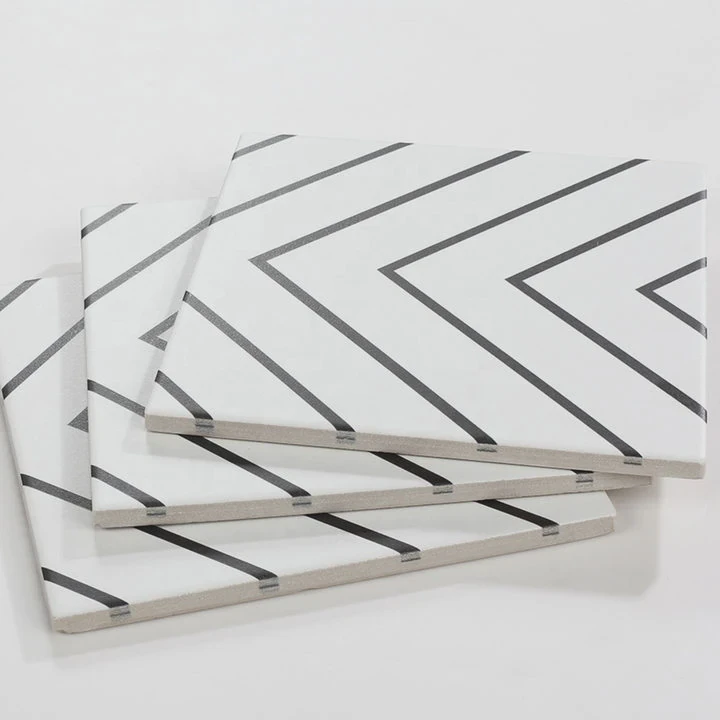
Many people struggle with tile falling off or cracking after installation. This often happens because the cement base is not prepared well or the wrong method is used.
Installing tile on cement needs proper surface preparation, correct mortar selection, and careful curing. When each step is done right, tiles stay strong, level, and durable for many years.
If the base is not clean or the adhesive is wrong, even high-quality tiles will fail. So it is important to understand each step before starting the work.
What preparation is needed for cement surfaces?
Many tile failures start from poor surface preparation. Dust, cracks, or uneven areas can break the bond between tile and cement.
Cement surfaces must be clean, level, dry, and stable before tiling. Removing dust, repairing cracks, and applying primer ensures a strong base for tile installation.
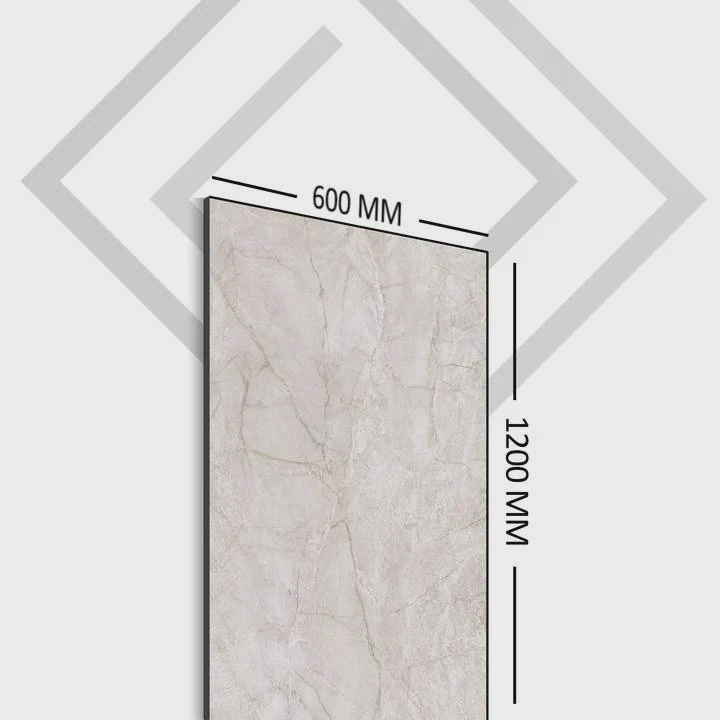
Before installing tiles, the cement surface must be checked carefully. A weak base will always lead to problems later.
Surface cleaning
The first step is cleaning. Cement floors often have dust, oil, or construction debris.
- Sweep the surface
- Use water or mild cleaner if needed
- Remove grease or oil completely
Even a thin dust layer can reduce adhesion strength.
Leveling the surface
A flat surface is very important. Uneven cement will cause tiles to crack or sit unevenly.
Common leveling methods
| Problem | Solution |
|---|---|
| Small uneven spots | Grinding or sanding |
| Large dips | Self-leveling compound |
| Slopes | Cement screed adjustment |
Use a straight edge tool to check flatness. The surface should not vary more than 3mm.
Crack repair
Cracks in cement can transfer to tiles. This causes visible damage later.
- Small cracks: use crack filler
- Large cracks: use epoxy repair
- Structural cracks: require professional repair
Moisture control
Cement can hold moisture. If tiles are installed on wet cement, bonding issues may occur.
- Let new cement cure for at least 28 days
- Check moisture level before tiling
- Use waterproofing if needed
Primer application
Primer helps improve bonding between cement and adhesive.
- Apply evenly with roller
- Let it dry before tiling
- Choose primer based on mortar type
Preparation takes time, but it is the most important step. A well-prepared base means fewer problems later.
How do you ensure proper tile adhesion on cement?
Tiles that do not stick well can loosen, crack, or sound hollow. This usually happens when the bonding process is not done correctly.
Proper adhesion depends on using the right mortar, applying it evenly, and pressing tiles firmly with correct spacing and alignment.
Good adhesion is not just about materials. It is also about technique.
Choosing the right trowel
The trowel controls how much adhesive is applied.
- Small tiles: small notch trowel
- Large tiles: bigger notch trowel
- Large format tiles: use deep notch for full coverage
Applying mortar correctly
Spread the mortar evenly on the cement surface.
- Hold trowel at 45 degrees
- Create consistent ridges
- Do not spread too large an area at once
Mortar can dry quickly, so work in small sections.
Back buttering tiles
For large tiles, apply mortar on the back of the tile.
This helps:
- Increase contact area
- Reduce air gaps
- Improve strength
Tile placement
Place tiles carefully on the mortar.
- Press firmly
- Twist slightly to lock in place
- Use spacers for even gaps
Avoiding air pockets
Air pockets weaken the bond. They can cause tiles to crack under pressure.
To avoid this:
- Use proper trowel size
- Apply enough mortar
- Press tiles evenly
Checking coverage
Lift a tile sometimes to check the back.
- At least 90% coverage for indoor
- 95% for outdoor or wet areas
Alignment and leveling
Use leveling systems if needed.
- Tile leveling clips
- Rubber mallet for adjustment
Good adhesion ensures long-lasting performance. Skipping small steps often leads to big problems later.
Which mortars work best for cement floors?
Using the wrong mortar is one of the most common mistakes. Not all mortars are suitable for every tile or surface.
The best mortars for cement floors are cement-based thin-set mortars, polymer-modified mortars, and large-format tile adhesives depending on tile type and size.
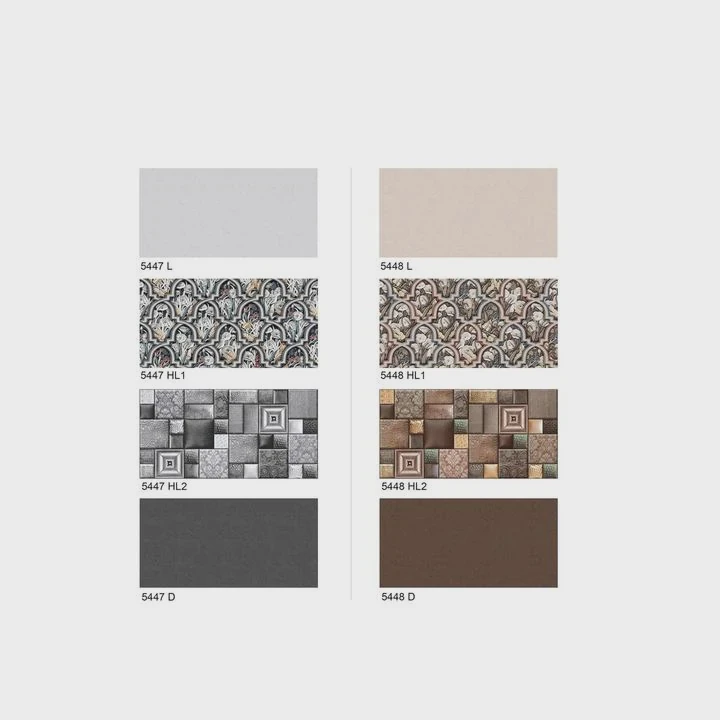
Choosing the right mortar depends on several factors like tile size, location, and usage.
Types of tile mortar
1. Thin-set mortar
This is the most common type.
- Cement-based
- Easy to use
- Suitable for standard tiles
2. Polymer-modified mortar
This mortar includes additives.
- Stronger bonding
- More flexible
- Good for high-traffic areas
3. Large format tile mortar
Used for big tiles like 600×1200mm or larger.
- Prevents tile sagging
- Provides better support
- Reduces lippage
Mortar selection guide
| Tile Type | Recommended Mortar |
|---|---|
| Small ceramic tiles | Standard thin-set |
| Porcelain tiles | Polymer-modified mortar |
| Large format tiles | Large tile mortar |
| Outdoor tiles | Flexible waterproof mortar |
Key performance factors
Bond strength
Strong bonding prevents tiles from coming loose.
Flexibility
Cement can expand and contract. Flexible mortar absorbs movement.
Water resistance
Important for bathrooms, kitchens, and outdoor areas.
Mixing mortar correctly
Improper mixing reduces performance.
- Follow manufacturer ratio
- Mix until smooth
- Let it rest (slake time)
- Remix before use
Working time
Mortar has limited open time.
- Do not use after it starts drying
- Apply tiles within recommended time
Choosing the right mortar is not just technical. It directly affects durability, safety, and maintenance cost.
When should sealing be applied after installation?
Many people forget sealing or apply it at the wrong time. This can reduce tile life and appearance.
Sealing should be applied after mortar and grout are fully cured, usually 48–72 hours after installation, depending on conditions.
Sealing protects tiles and grout from stains, moisture, and damage.
Why sealing is important
Sealing helps:
- Prevent water absorption
- Protect grout from stains
- Improve tile lifespan
- Maintain appearance
When to apply sealer
Timing is very important.
- Wait for mortar to cure
- Wait for grout to dry
- Usually 2–3 days after installation
In humid areas, curing may take longer.
Types of sealers
Penetrating sealer
- Absorbs into surface
- Natural look
- Good for porous tiles
Surface sealer
- Forms protective layer
- Adds slight shine
- Needs reapplication
Application steps
- Clean the surface
- Ensure it is dry
- Apply sealer evenly
- Let it absorb
- Wipe excess
Areas that need sealing
- Grout lines (most important)
- Natural stone tiles
- Porous ceramic tiles
Maintenance after sealing
- Reapply every 1–2 years
- Clean regularly
- Avoid harsh chemicals
Sealing is often ignored, but it is a simple step that protects the whole installation.
Conclusion
Installing tile on cement is not difficult, but each step must be done correctly. Good preparation, proper mortar, and correct sealing ensure strong, durable, and long-lasting tile performance.