Is porcelain tile better than ceramic tile?
- Sinotiles
- 2026-04-09
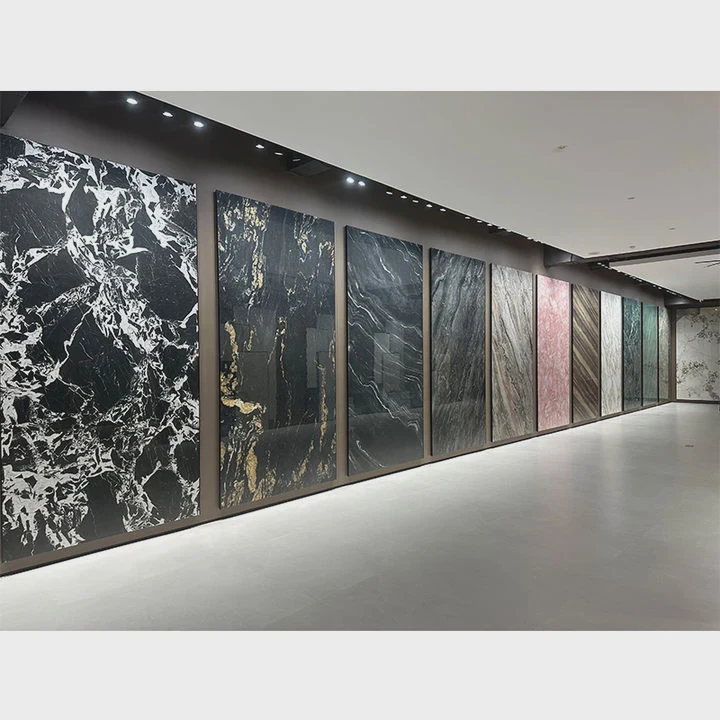
Many buyers feel confused when choosing between porcelain and ceramic tiles. The wrong choice can lead to faster wear, higher costs, or poor performance.
Porcelain tiles are generally stronger and more durable than ceramic tiles, while ceramic tiles are more affordable and easier to install. The better choice depends on usage, budget, and project needs.
Both options look similar at first. But their internal structure and performance are different. Understanding these differences helps avoid costly mistakes.
What are differences between porcelain and ceramic tiles?
Many people think porcelain and ceramic tiles are the same. This misunderstanding often leads to poor selection for specific projects.
Porcelain tiles are denser, less porous, and fired at higher temperatures, while ceramic tiles are lighter, more porous, and easier to cut. These differences affect strength, water resistance, and usage.
The main difference lies in how the tiles are made. This directly affects performance.
Manufacturing Process
Porcelain and ceramic tiles use similar raw materials but differ in processing.
- Porcelain is fired at higher temperatures
- Ceramic is fired at lower temperatures
Higher heat makes porcelain more compact and harder.
Water Absorption
Water resistance is a key factor.
- Porcelain absorption rate: less than 0.5%
- Ceramic absorption rate: higher than porcelain
Low absorption makes porcelain suitable for wet areas.
Density and Weight
Porcelain is heavier and denser.
- More compact structure
- Harder to cut and shape
Ceramic is lighter, which makes installation easier.
Surface Finish
Both types offer many designs.
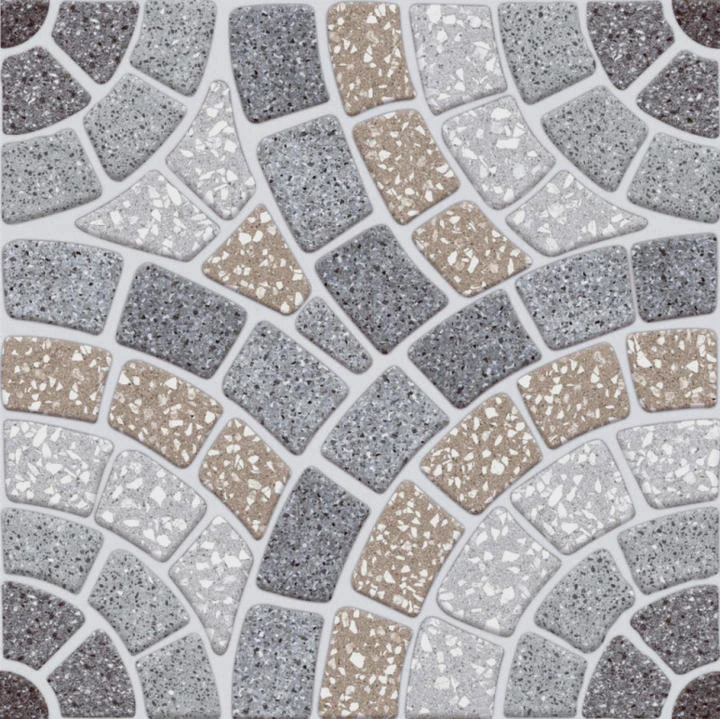
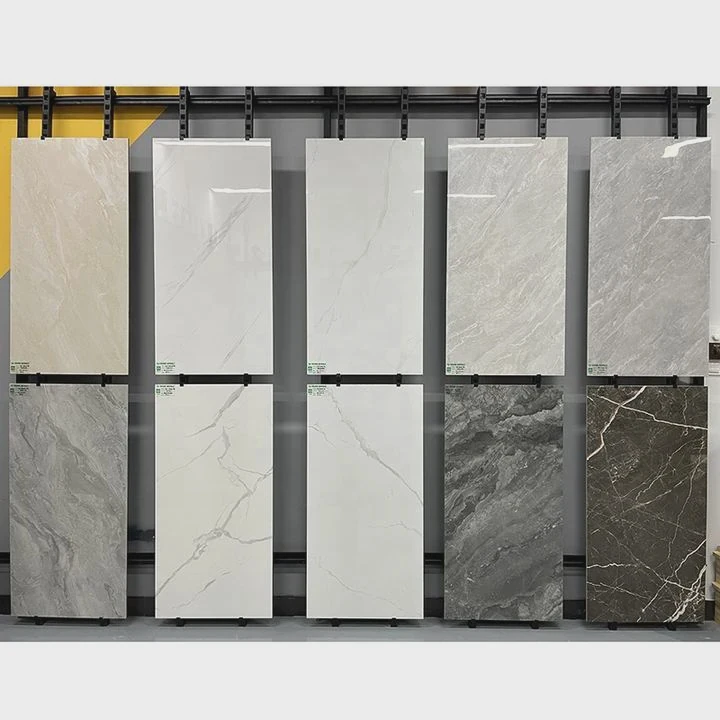
- Porcelain often mimics stone or wood
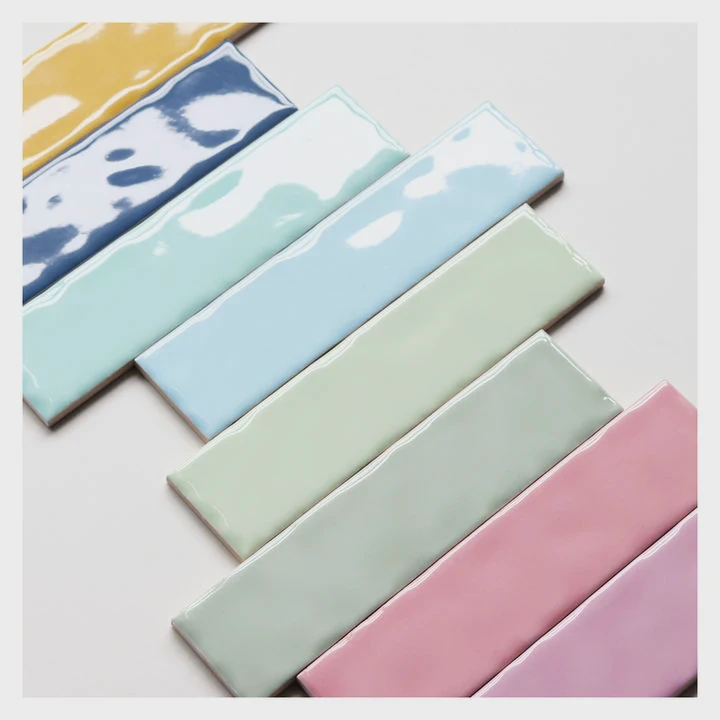
- Ceramic offers colorful decorative styles
Comparison Table
| Feature | Porcelain Tile | Ceramic Tile |
|---|---|---|
| Density | High | Medium |
| Water Absorption | Very low | Higher |
| Strength | Strong | Moderate |
| Ease of Cutting | Hard | Easy |
Application Differences
- Porcelain → floors, outdoor areas
- Ceramic → walls, light-use floors
Understanding these differences helps match the tile to the right environment.
How does durability compare between both options?
Durability is often the deciding factor. Choosing the wrong tile can lead to cracks, chips, or early replacement.
Porcelain tiles are more durable than ceramic tiles due to their density and hardness, making them resistant to wear, moisture, and heavy impact.
Durability depends on several factors. Porcelain performs better in most of them.
Hardness
Porcelain has a tighter structure.
- Resists scratches better
- Handles heavy loads
Ceramic is softer and may chip more easily.
Moisture Resistance
Water affects tile longevity.
- Porcelain resists water penetration
- Ceramic may absorb moisture
This makes porcelain ideal for bathrooms and outdoor use.
Wear Resistance
High foot traffic causes surface wear.
- Porcelain maintains appearance longer
- Ceramic may show wear sooner
Impact Resistance
Tiles can crack under pressure.
| Factor | Porcelain | Ceramic |
|---|---|---|
| Impact strength | High | Medium |
| Chip resistance | Strong | Moderate |
Maintenance Needs
Durability also affects maintenance.
- Porcelain requires less maintenance
- Ceramic may need more care over time
Long-Term Value
Porcelain often lasts longer.
- Lower replacement frequency
- Better long-term investment
Durability is not just about strength. It is about how well the tile performs over time in real conditions.
Which tile type suits high traffic areas better?
High traffic areas demand strong materials. Many floors fail because the tile cannot handle daily wear.
Porcelain tiles are better for high traffic areas because they are harder, more wear-resistant, and less affected by moisture and impact compared to ceramic tiles.
Traffic level plays a major role in tile selection.
Foot Traffic Resistance
Porcelain handles constant use.
- Suitable for commercial spaces
- Maintains surface finish
Ceramic is better for low to medium traffic.
Scratch Resistance
High traffic brings more abrasion.
- Porcelain resists scratches better
- Ceramic surfaces wear faster
Load Bearing Capacity
Heavy furniture and equipment matter.
- Porcelain supports heavier loads
- Ceramic may crack under stress
Suitable Applications
| Area Type | Recommended Tile |
|---|---|
| Shopping malls | Porcelain |
| Offices | Porcelain |
| Residential rooms | Ceramic/Porcelain |
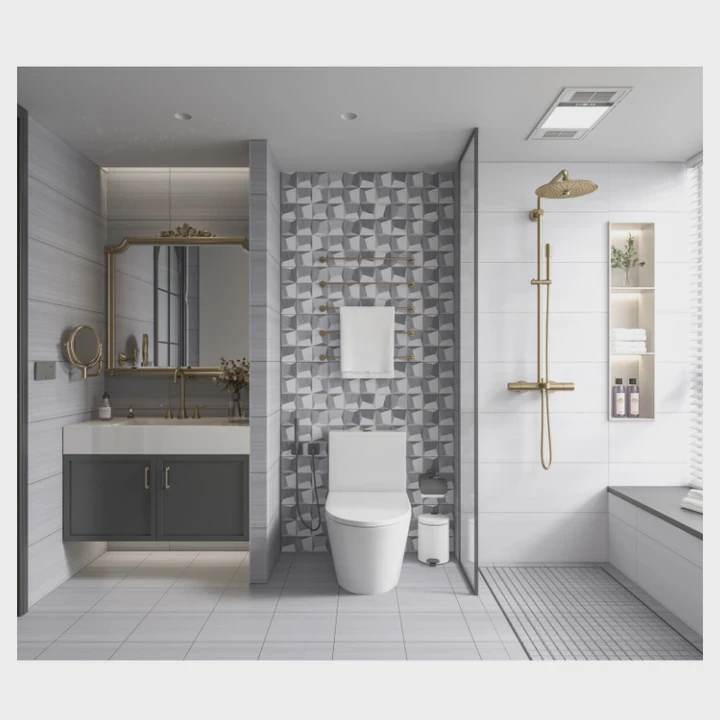
| Bathroom walls | Ceramic |
Outdoor Use
Porcelain is better outdoors.
- Handles temperature changes
- Resists moisture
Ceramic is not ideal for exterior use.
Cost vs Performance
High traffic areas justify higher cost.
- Porcelain costs more
- But reduces maintenance and replacement
Choosing the right tile reduces long-term expenses and improves user experience.
Can cost differences affect tile selection decisions?
Cost is always a key factor in decision-making. Many buyers choose cheaper options without considering long-term impact.
Ceramic tiles are generally cheaper upfront, while porcelain tiles cost more but offer better durability and lower long-term maintenance costs. Budget and project goals determine the best choice.
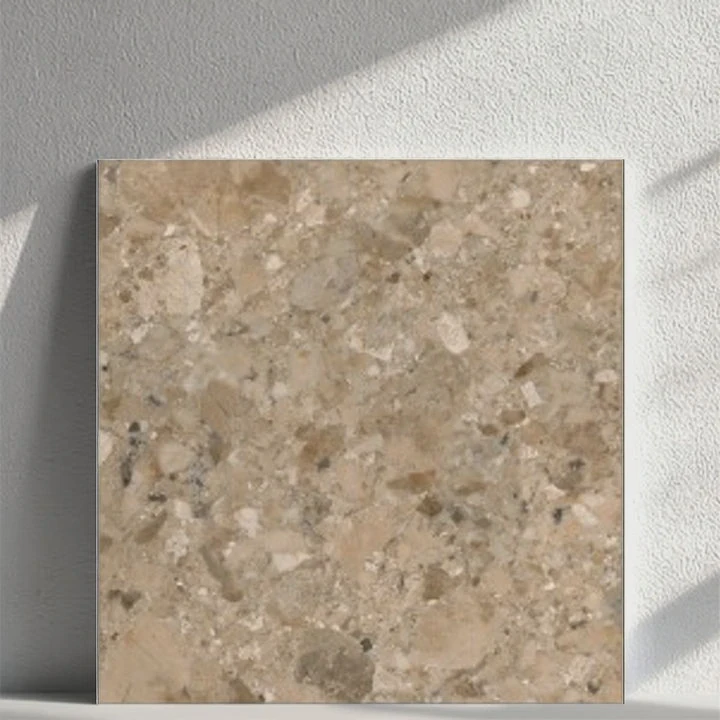
Price differences come from material and production processes.
Initial Cost
Ceramic is more budget-friendly.
- Lower production cost
- Easier installation
Porcelain requires more resources and energy.
Installation Cost
Installation affects total budget.
- Porcelain needs skilled labor
- Ceramic is easier and faster to install
Maintenance Cost
Long-term care matters.
- Porcelain requires less maintenance
- Ceramic may need repairs sooner
Cost Comparison Table
| Cost Factor | Porcelain Tile | Ceramic Tile |
|---|---|---|
| Material Cost | Higher | Lower |
| Installation Cost | Higher | Lower |
| Maintenance Cost | Lower | Higher |
Return on Investment
Spending more upfront can save money later.
- Porcelain lasts longer
- Fewer replacements needed
Project-Based Decision
Different projects need different priorities.
- Large commercial → durability first
- Residential → balance cost and design
Cost should not be the only factor. It must be balanced with performance and durability.
Conclusion
Porcelain tiles offer better durability and performance, while ceramic tiles provide cost-effective and flexible options. The best choice depends on usage, budget, and long-term goals. Understanding the differences helps make a smarter investment.