How to Remove Haze from Tile?
- Sinotiles
- 2026-04-09
After tiling, many surfaces look dull instead of clean and shiny. This haze can frustrate users and make new tiles appear old or poorly installed.
Tile haze is usually caused by leftover grout or residue on the surface, and it can be removed using proper cleaning methods, suitable cleaners, and light polishing techniques.
This issue is very common, especially in large projects. The good news is that haze is not permanent. With the right steps, tiles can regain their original clarity.
What causes haze on newly installed tiles?
Many people think haze is dirt, but it is actually a thin film left behind after installation. Ignoring the cause makes removal harder.
Haze on tiles is mainly caused by leftover grout residue, improper cleaning during installation, or mineral deposits that dry on the tile surface.
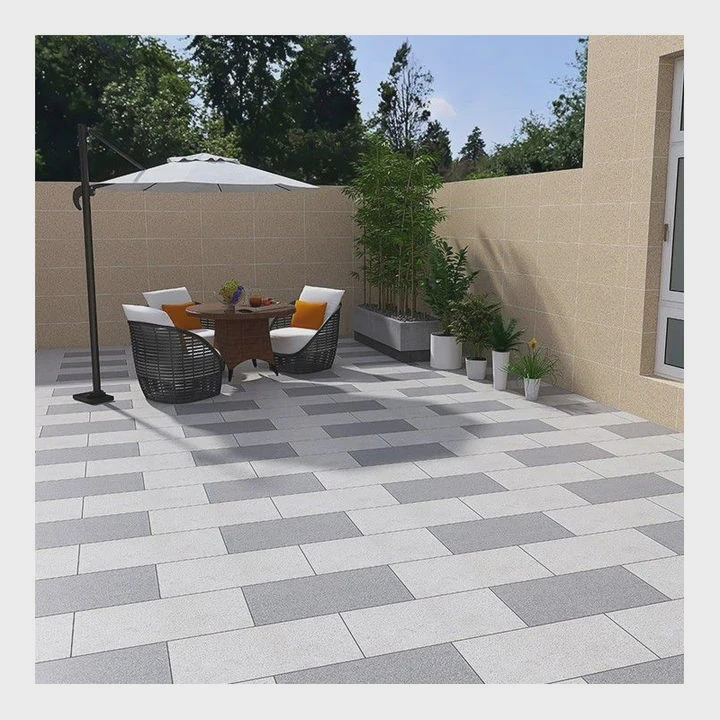
Understanding the cause helps choose the right cleaning method. Not all haze is the same.
Main causes of tile haze
1. Grout residue
This is the most common cause.
- Grout spreads across tile surface during application
- If not cleaned in time, it dries into a thin film
- Leaves a cloudy or powdery look
2. Improper cleaning timing
Cleaning too early or too late creates problems.
- Too early → grout pulled out of joints
- Too late → grout hardens on surface
3. Hard water deposits
Minerals in water leave marks.
- Calcium and lime residue
- Common in areas with hard water
- Leaves white or chalky stains
4. Adhesive residue
Sometimes adhesive spreads to tile surface.
- Not cleaned during installation
- Dries and becomes visible
Types of haze
| Type of Haze | Appearance | Cause |
|---|---|---|
| Light grout haze | Thin cloudy film | Residual grout dust |
| Heavy haze | Thick, dull layer | Dried grout or adhesive |
| Mineral haze | White spots or streaks | Hard water deposits |
Why haze should be removed quickly
- It becomes harder over time
- It reduces tile shine
- It affects overall appearance
Common mistakes
- Using too much water during cleaning
- Skipping final wipe after grouting
- Not changing dirty water
A clear understanding of the cause makes the removal process much easier and more effective.
How do you remove grout haze effectively?
Many people try random cleaning methods, but this can damage tiles or leave marks behind.
Grout haze can be removed effectively by using a two-step process: dry wiping for light haze and using water or specialized cleaners for heavier residue.
The key is to match the method with the level of haze. Over-cleaning can cause damage.
Step-by-step removal process
1. Dry cleaning (for light haze)
Start with the simplest method.
- Use a dry microfiber cloth
- Buff the tile surface
- Remove loose powder
This works well for fresh installations.
2. Damp sponge cleaning
If haze remains:
- Use a damp sponge (not soaking wet)
- Wipe in circular motion
- Rinse sponge frequently
3. Vinegar solution (for mild haze)
For ceramic or porcelain tiles only.
- Mix water and vinegar (1:1 ratio)
- Apply lightly
- Rinse with clean water
?? Avoid vinegar on natural stone.
4. Commercial haze remover
For heavy haze:
- Use specialized grout haze remover
- Follow product instructions
- Test on small area first
Cleaning method comparison
| Method | Best For | Risk Level |
|---|---|---|
| Dry cloth | Light haze | Very low |
| Damp sponge | Moderate haze | Low |
| Vinegar solution | Mild residue | Medium (surface sensitive) |
| Chemical remover | Heavy haze | Higher (needs care) |
Important tips
- Always clean in small sections
- Do not let cleaning solution dry on tiles
- Use clean water for final rinse
Common mistakes
- Using abrasive pads
- Applying too much water
- Skipping rinse step
Patience is important. Gentle and repeated cleaning works better than aggressive scrubbing.
Which cleaners are safe for haze removal?
Using the wrong cleaner can damage tile surfaces. Some products are too strong, while others are ineffective.
Safe cleaners for haze removal include pH-neutral cleaners, mild acidic solutions for ceramic tiles, and specialized grout haze removers designed for specific tile materials.
Cleaner selection depends on tile type. Not all tiles react the same way.
Types of safe cleaners
1. pH-neutral cleaners
Best for regular cleaning.
- Safe for most tile surfaces
- No damage to glaze or finish
- Good for light haze
2. Mild acidic cleaners
Used for stronger residue.
- Effective for grout haze
- Works on ceramic and porcelain
- Should be diluted properly
3. Specialized haze removers
Designed for specific tasks.
- Stronger than household cleaners
- Target grout residue
- Available for different tile types
Cleaner compatibility table
| Tile Type | Safe Cleaner Type | Avoid |
|---|---|---|
| Ceramic tile | Mild acid, neutral cleaner | Strong chemicals |
| Porcelain tile | Neutral or light acid | Abrasive cleaners |
| Natural stone | pH-neutral only | Vinegar, acid-based cleaners |
Why cleaner choice matters
Different tiles have different surfaces:
- Glazed tiles are more resistant
- Matte tiles can absorb residue
- Stone is sensitive to acid
Best practices
- Always test cleaner first
- Follow dilution instructions
- Use soft cloth or sponge
Common mistakes
- Using strong acid on stone
- Mixing different chemicals
- Not rinsing after cleaning
Choosing the right cleaner protects the tile and ensures effective haze removal.
Can polishing restore tile surface clarity?
Even after cleaning, some tiles still look dull. This is where polishing becomes useful.
Yes, polishing can restore tile clarity by removing fine residue, enhancing surface shine, and improving the overall appearance of the tile.
Polishing is the final step that brings back the original look of the tile.
When polishing is needed
- After haze removal
- When tiles look dull
- When light scratches are visible
Polishing methods
1. Manual polishing
Simple and effective.
- Use dry microfiber cloth
- Buff in circular motion
- Good for small areas
2. Machine polishing
Used for large spaces.
- Floor polishing machine
- Consistent results
- Saves time
3. Polishing compounds
Enhance shine.
- Applied during polishing
- Fill micro scratches
- Improve reflection
Polishing method comparison
| Method | Best For | Result Quality |
|---|---|---|
| Manual polishing | Small areas | Good |
| Machine polishing | Large projects | Excellent |
| Polishing compound | High-gloss finish | Premium |
Benefits of polishing
- Restores shine
- Improves visual clarity
- Enhances tile color
Limitations
- Does not fix deep damage
- Not all tiles need polishing
- Over-polishing may reduce grip
Tips for best results
- Ensure tile is fully clean before polishing
- Use soft materials
- Work in sections
Common mistakes
- Polishing dirty surface
- Using rough pads
- Applying too much pressure
Polishing is the finishing touch that makes tiles look new again.
Conclusion
Removing tile haze requires understanding its cause, using the right cleaning method, choosing safe cleaners, and finishing with proper polishing. With the correct process, tiles can quickly regain their clean and bright appearance.