Is Porcelain Tile Better Than Ceramic?
- Sinotiles
- 2026-03-31
Choosing tiles can feel confusing. Many buyers face the same question and worry about making a costly mistake.
Porcelain tile is often better than ceramic because it is denser, more durable, and less absorbent, but the best choice depends on usage, budget, and project needs.
Understanding the real differences helps avoid wrong decisions. This guide breaks everything down in simple terms.
What Are Key Differences Between Porcelain and Ceramic?
Many buyers assume porcelain and ceramic tiles are the same. This leads to wrong choices and poor results.
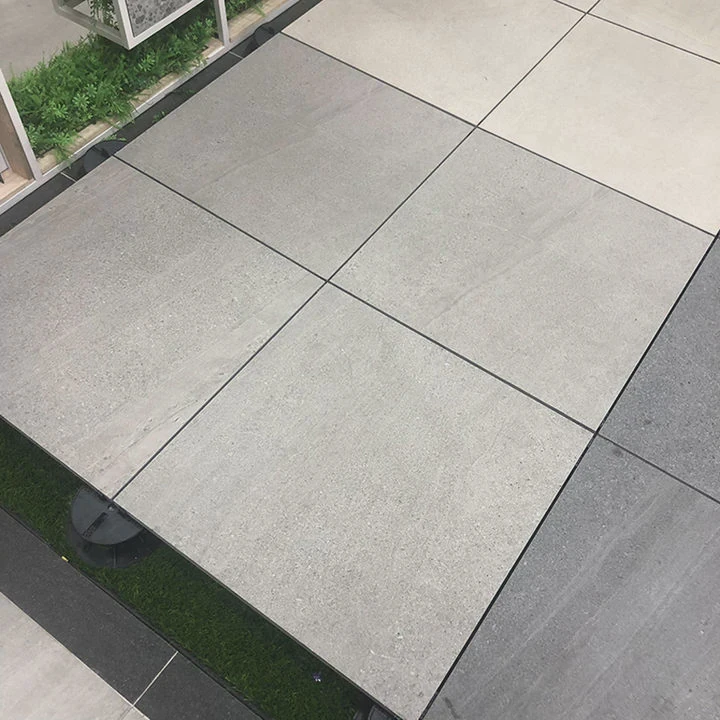
Porcelain tiles are denser and fired at higher temperatures, while ceramic tiles are softer, more porous, and easier to cut and install.
How They Are Made
Both tiles come from clay. But the process is not the same.
- Porcelain uses finer clay and higher pressure
- It is fired at higher temperatures
- Ceramic uses coarser clay
- It is fired at lower temperatures
This difference changes everything.
Water Absorption
Porcelain absorbs less water than ceramic.
| Feature | Porcelain Tile | Ceramic Tile |
|---|---|---|
| Water Absorption | Very Low | Higher |
| Density | High | Medium |
| Surface Strength | Strong | Moderate |
Low water absorption means porcelain works better in wet areas like bathrooms or outdoor spaces.
Appearance Options
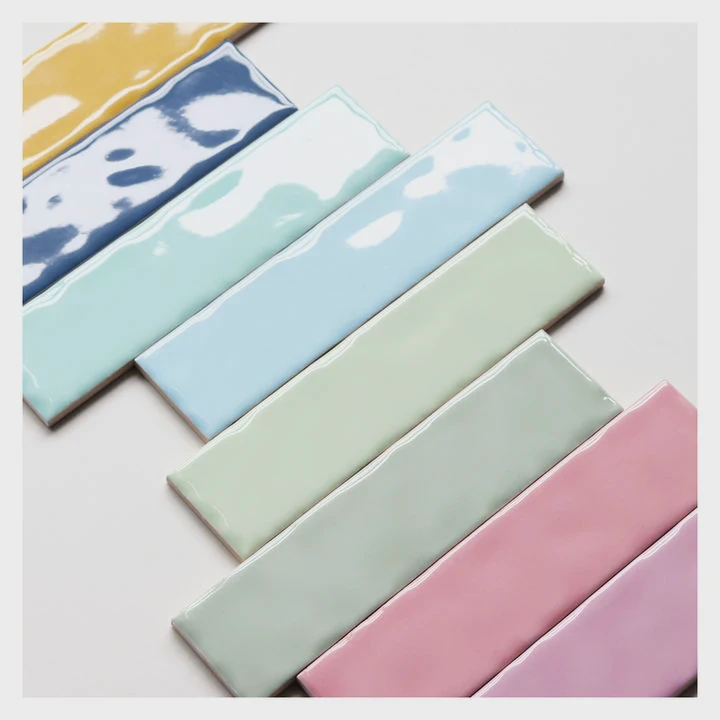
Ceramic tiles often have more colorful and artistic designs. This is because they are easier to print and glaze.
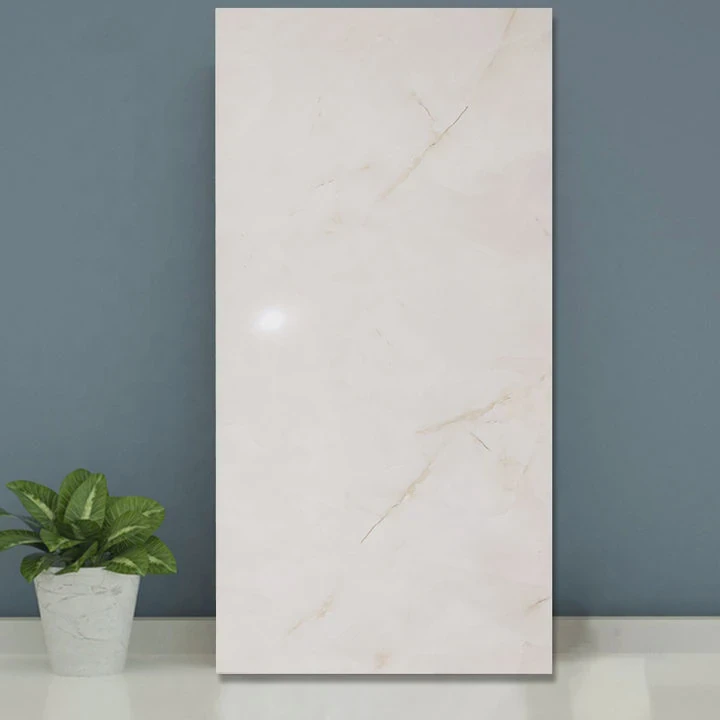
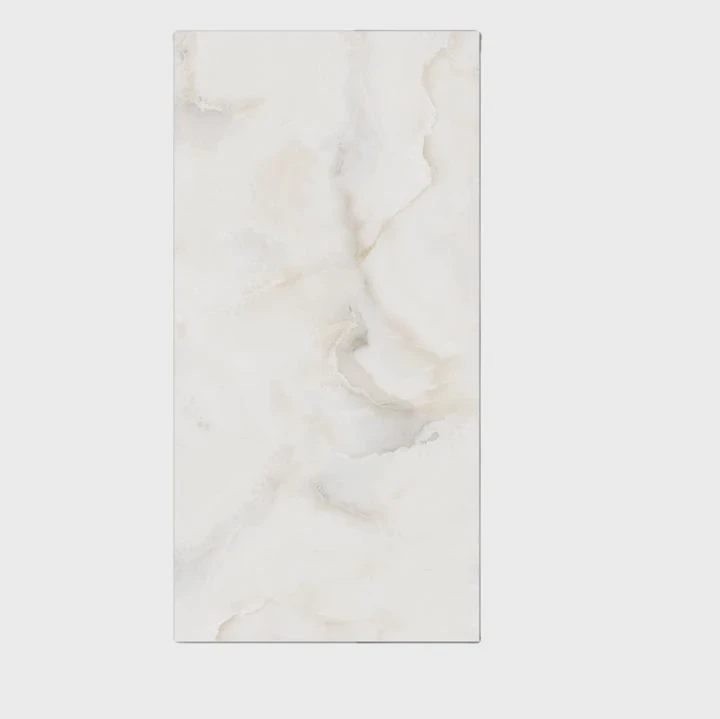
Porcelain tiles now also offer advanced designs. Many imitate marble, wood, or stone very well.
Installation Differences
Ceramic tiles are easier to cut. Installers often prefer them for small or complex spaces.
Porcelain tiles are harder. Cutting them needs stronger tools and more skill.
Summary of Differences
Porcelain is stronger and more technical. Ceramic is easier and more flexible.
The choice depends on where and how the tile will be used.
How Does Durability Compare Between Both Tiles?
Durability is one of the biggest concerns for buyers. No one wants tiles that crack or wear out quickly.
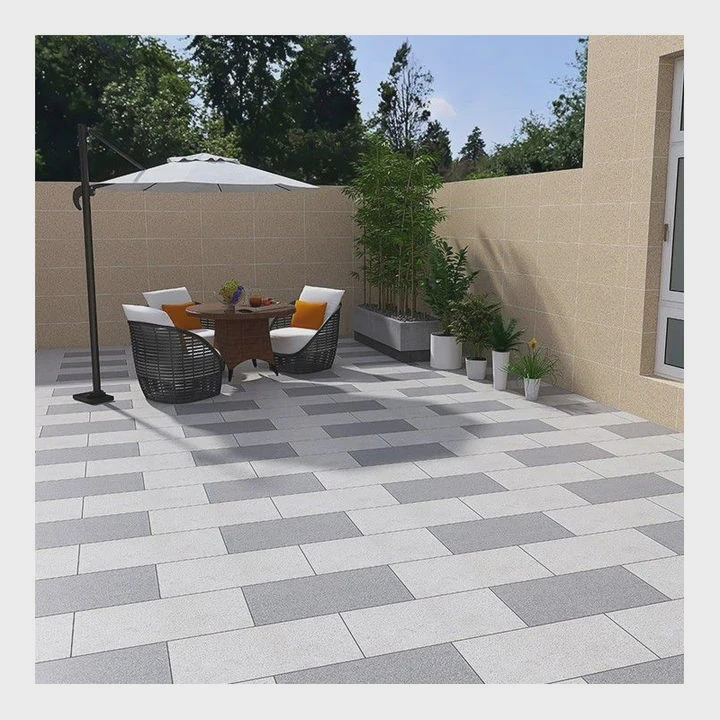
Porcelain tiles are more durable than ceramic tiles because they are denser, harder, and more resistant to wear, moisture, and impact.
Material Strength
Porcelain tiles are compact. This makes them resist heavy pressure.
Ceramic tiles are softer. They can chip more easily under impact.
Wear Resistance
Porcelain tiles handle foot traffic better.
- Less surface wear
- Better scratch resistance
- Longer lifespan
Ceramic tiles may lose glaze over time, especially in busy areas.
Moisture Resistance
Porcelain performs better in humid or wet conditions.
This matters for:
- Bathrooms
- Kitchens
- Outdoor spaces
Ceramic tiles can absorb water. Over time, this may cause damage.
Long-Term Performance
Here is a simple comparison:
| Durability Factor | Porcelain Tile | Ceramic Tile |
|---|---|---|
| Impact Resistance | High | Medium |
| Scratch Resistance | High | Medium |
| Lifespan | Long | Moderate |
| Maintenance Needs | Low | Medium |
Real Project Insight
In one commercial project, tiles in a shopping area needed to last for years. Ceramic tiles showed wear after heavy use. Porcelain tiles in another section stayed almost unchanged.
This shows how material choice affects long-term results.
Final Thought on Durability
If durability is the top priority, porcelain is the safer choice. Ceramic still works well in low-impact spaces.
Which Tile Type Suits High Traffic Areas?
High traffic areas create real pressure on flooring. Choosing the wrong tile leads to fast damage.
Porcelain tiles are better for high traffic areas because they resist wear, scratches, and heavy loads more effectively than ceramic tiles.
What Counts as High Traffic?
High traffic areas include:
- Shopping malls
- Hotel lobbies
- Offices
- Hallways
- Kitchens
These spaces need strong materials.
Why Porcelain Works Better
Porcelain tiles have a dense structure. This helps them handle:
- Constant foot traffic
- Heavy furniture
- Rolling loads
They keep their look for longer.
Surface Hardness Matters
Hardness reduces damage from:
- Shoes
- Dirt and sand
- Moving objects
Ceramic tiles are more likely to show scratches over time.
Slip Resistance
Both tiles can be made slip-resistant. But porcelain often offers better options for outdoor or wet high-traffic areas.
Cost vs Performance in High Traffic
Using cheaper ceramic tiles in high traffic areas may save money at first. But replacement costs can be higher later.
Recommended Use Cases
| Area Type | Recommended Tile |
|---|---|
| Commercial Floor | Porcelain |
| Living Room | Both |
| Bedroom | Ceramic |
| Outdoor Area | Porcelain |
| Bathroom Floor | Porcelain |
Practical Advice
For projects like hotels or retail stores, porcelain is almost always the better choice. It reduces maintenance and replacement costs.
Ceramic tiles are still good for walls or low-use areas.
Can Cost Differences Affect Tile Selection?
Budget is always a key factor. Many buyers hesitate because porcelain tiles usually cost more.
Yes, cost differences can affect tile selection, but choosing cheaper ceramic tiles may increase long-term costs due to maintenance and replacement.
Initial Cost Comparison
Porcelain tiles are usually more expensive.
Reasons include:
- Higher production cost
- Better materials
- Advanced technology
Ceramic tiles are more budget-friendly.
Installation Cost
Porcelain tiles may cost more to install because:
- They are harder to cut
- They require skilled labor
Ceramic tiles reduce installation time and cost.
Long-Term Cost
This is where many buyers make mistakes.
Lower initial cost does not mean lower total cost.
| Cost Factor | Porcelain Tile | Ceramic Tile |
|---|---|---|
| Purchase Cost | Higher | Lower |
| Installation | Higher | Lower |
| Maintenance | Low | Medium |
| Replacement Risk | Low | Higher |
Value Over Time
Porcelain tiles last longer. This reduces:
- Repair costs
- Replacement costs
- Maintenance effort
Ceramic tiles may need earlier replacement in demanding areas.
Budget Strategy
A smart approach is mixing both tiles:
- Use porcelain in high traffic areas
- Use ceramic in low traffic or wall areas
This balances cost and performance.
Real Buyer Behavior
Many importers and distributors choose porcelain for commercial projects. But they still stock ceramic for residential markets.
This shows how both products have their place.
Conclusion
Porcelain tiles offer better durability and performance, while ceramic tiles provide flexibility and lower cost. The best choice depends on your project needs, traffic level, and budget strategy.