Can Floor Tile Be Painted?
- Sinotiles
- 2026-04-15
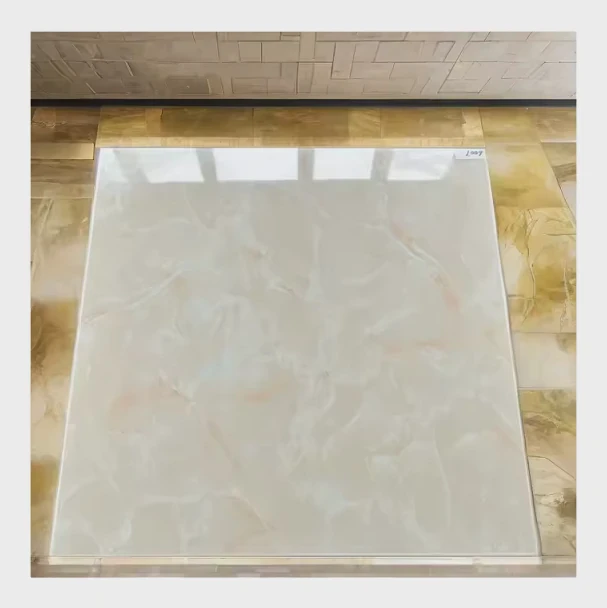
Painting floor tile sounds like a quick fix. Old tiles look worn and dull. Replacing them costs time and money. Many people feel stuck with outdated floors.
Yes, floor tile can be painted, but only if the surface is prepared well, the right paint is used, and proper sealing is applied. Without these steps, the paint will peel or wear quickly.
Painting tile is not just about color. It is about process. Each step matters. If one step is skipped, the result will fail. Let’s go deeper into each key stage.
What preparation is required before painting floor tile?
Old tiles often look clean, but hidden dirt and grease stop paint from sticking. Many people rush this step and later see peeling paint.
Proper preparation means deep cleaning, sanding, and priming the tile surface to create strong adhesion for paint. Without this, paint will not bond well and will fail quickly.
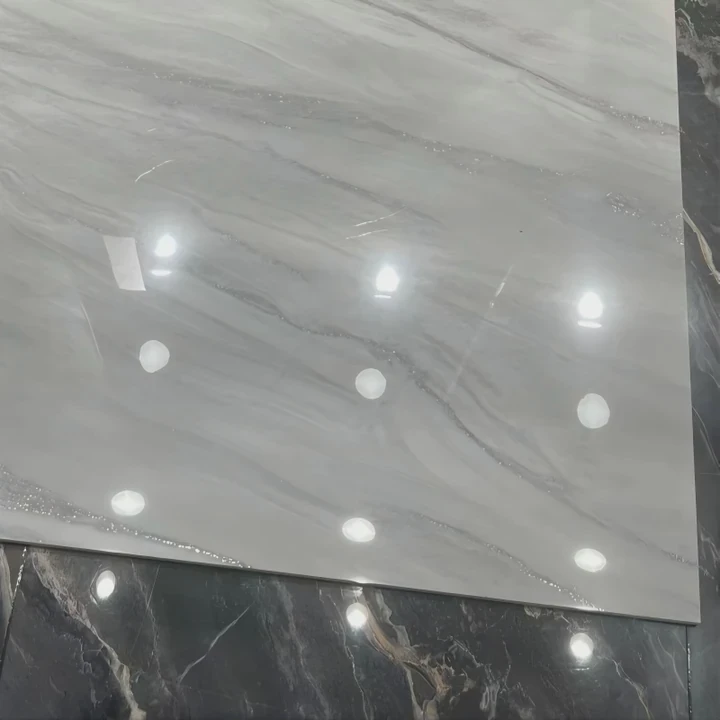
Preparation is the most important part of the whole process. Many failures come from poor prep, not bad paint.
Step-by-step preparation process
1. Deep cleaning
Tiles collect grease, soap, and dust over time. Even if the floor looks clean, it is not ready for paint.
- Use a strong degreaser
- Scrub grout lines carefully
- Rinse with clean water
- Let it dry fully
If grease remains, paint will not stick.
2. Sanding the surface
Tile surfaces are smooth and glossy. Paint cannot grip this type of surface.
- Use 120–220 grit sandpaper
- Lightly sand the entire surface
- Focus on removing the shine
This step creates a rough texture. That texture helps paint hold.
3. Repairing damage
Cracks and chips must be fixed before painting.
- Use filler for small cracks
- Smooth the surface after repair
- Let repairs dry fully
If this step is skipped, the final finish will look uneven.
4. Applying primer
Primer acts as a bridge between tile and paint.
- Use bonding primer made for tiles
- Apply evenly with roller or brush
- Let it cure as instructed
Common preparation mistakes
| Mistake | Result |
|---|---|
| Skipping sanding | Paint peels quickly |
| Weak cleaning | Poor adhesion |
| No primer | Uneven finish |
| Painting on damp tile | Bubbling and failure |
Why preparation matters in B2B projects
In large projects like hotels or commercial spaces, preparation affects durability. A poor job leads to complaints and rework. That increases cost.
From experience, clients who follow strict preparation steps get better results and fewer issues. This is true for both small homes and large-scale projects.
Which paints adhere best to tile surfaces?
Choosing the wrong paint is a common problem. Regular wall paint does not work on tiles. It will peel within weeks.
Epoxy paint, tile-specific paint, and high-quality latex paint with bonding primer work best on tile surfaces because they provide strong adhesion and durability.
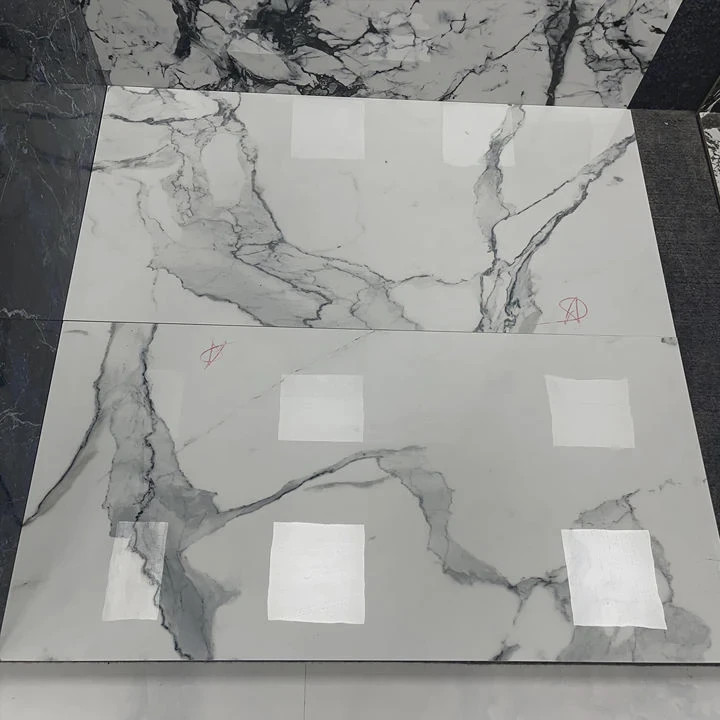
Not all paints are equal. The type of paint directly affects how long the finish lasts.
Best paint options for floor tiles
1. Epoxy paint
This is the most durable option.
- Strong adhesion
- Water resistant
- Ideal for high traffic areas
But it is harder to apply and has a strong smell.
2. Tile-specific paint
These paints are designed for ceramic surfaces.
- Easy to use
- Good adhesion
- Available in many colors
They are a good balance between performance and convenience.
3. Latex paint with primer
This is a budget option.
- Must use bonding primer
- Less durable than epoxy
- Suitable for low traffic areas
Paint comparison table
| Paint Type | Durability | Ease of Use | Best For |
|---|---|---|---|
| Epoxy | Very high | Medium | Commercial floors |
| Tile paint | High | Easy | Residential floors |
| Latex + primer | Medium | Easy | Light use areas |
Key factors when choosing paint
- Foot traffic level
- Moisture exposure
- Budget
- Application skill
Real-world insight
In many renovation projects, the wrong paint choice leads to early failure. For example, using standard paint in a kitchen floor often causes peeling due to moisture and movement.
A better approach is to match the paint type to the environment. High traffic areas need stronger coatings.
How do you ensure long lasting painted finish?
Many painted floors look good at first. After a few months, they start to wear out. This happens when key steps are ignored.
To ensure a long lasting painted finish, you must apply thin coats, allow proper drying time, and protect the surface with a durable topcoat.
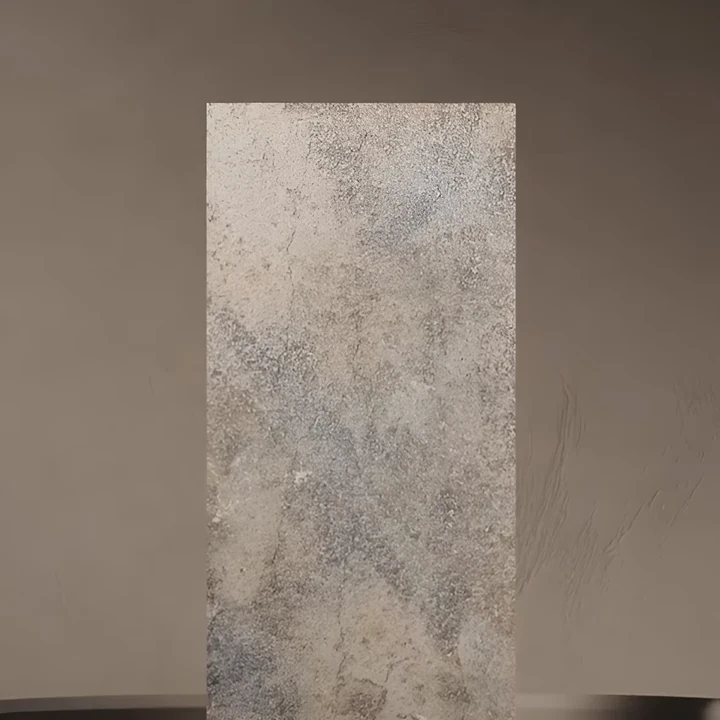
Durability is not just about paint. It is about the full system.
Key steps for durability
1. Apply thin coats
Thick paint layers cause problems.
- They dry unevenly
- They crack over time
Thin layers create a stronger bond.
2. Follow drying time strictly
Drying time is often ignored.
- Each coat needs full curing
- Rushing causes weak layers
Patience leads to better results.
3. Use multiple coats
One coat is not enough.
- Apply 2–3 coats minimum
- Build strength gradually
4. Add a protective topcoat
This step is critical.
- Use polyurethane or clear sealer
- Protects from scratches and water
Factors that affect lifespan
| Factor | Impact |
|---|---|
| Foot traffic | Higher traffic reduces lifespan |
| Cleaning method | Harsh chemicals damage paint |
| Moisture | Weakens adhesion |
| Application quality | Determines durability |
Maintenance tips
- Use soft cleaning tools
- Avoid strong chemicals
- Clean spills quickly
Practical experience
In some projects, painted tiles last over 3–5 years. In others, they fail within months. The difference comes from process control.
When every step is done carefully, the result is strong and stable. When shortcuts are taken, problems appear fast.
When should sealant be applied after painting?
Sealant is often misunderstood. Some people skip it. Others apply it too soon. Both lead to poor results.
Sealant should be applied only after the final paint coat has fully cured, usually after 24 to 72 hours, depending on the paint type. This ensures proper bonding and maximum protection.
Timing is important. If sealant is applied too early, it traps moisture. That weakens the finish.
Correct sealing process
1. Wait for full curing
Dry and cured are not the same.
- Dry means surface is touchable
- Cured means paint is fully hardened
Always follow manufacturer instructions.
2. Choose the right sealant
Different sealants offer different benefits.
- Water-based: low odor, easy use
- Oil-based: stronger protection
3. Apply evenly
Use a roller or brush.
- Avoid thick layers
- Apply 1–2 coats
Sealant benefits
- Protects from scratches
- Improves water resistance
- Extends lifespan
Common mistakes
| Mistake | Result |
|---|---|
| Sealing too early | Trapped moisture |
| No sealant | Fast wear |
| Thick sealant layer | Uneven finish |
Project insight
In commercial spaces, sealant is not optional. It is required. Without it, painted floors cannot handle daily use.
Even in homes, sealant makes a big difference. It turns a short-term fix into a longer solution.
Conclusion
Painting floor tile works when the process is done right. Preparation, paint choice, application, and sealing all matter. Each step builds on the last. When done carefully, painted tiles can look good and last for years.