How to Put on Tile Trim?
- Sinotiles
- 2026-04-15
Tiles often look unfinished, and edges chip easily. This problem can ruin a clean design and reduce durability over time.
Tile trim protects tile edges and gives a clean, professional finish. It is installed along exposed edges using adhesive, aligned carefully, and fixed before grouting to ensure durability and a neat appearance.
Many people overlook trim until the final stage. However, understanding the right type, method, and timing makes a big difference in both appearance and long-term performance.
What types of tile trim are available?
Tiles without proper edging can look rough and wear down fast. Many projects fail because the wrong trim type is chosen.
Tile trim comes in several types, including metal, plastic, and ceramic options. Each type offers different benefits in durability, style, and cost, making selection important for both function and design.
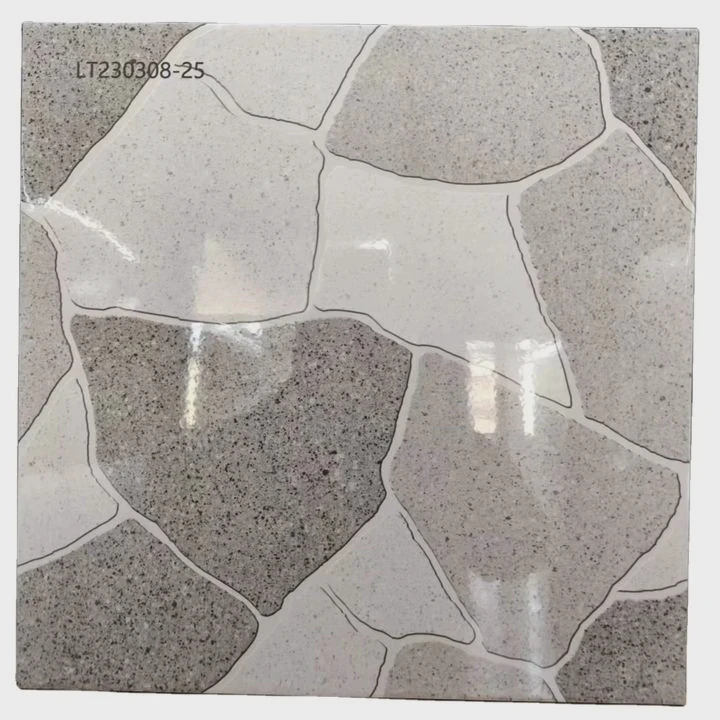
Choosing the right tile trim is not just about looks. It directly affects durability, safety, and how long the installation will last. Over time, experience has shown that different environments require different trim materials.
Common Tile Trim Materials
Here is a simple comparison:
| Material | Strength | Cost Level | Best Use Area |
|---|---|---|---|
| Aluminum | Medium | Low | Residential walls |
| Stainless Steel | High | High | Commercial, wet areas |
| PVC / Plastic | Low | Very Low | Budget projects |
| Ceramic | Medium | Medium | Matching tile aesthetics |
Metal Tile Trim
Metal trims, such as aluminum and stainless steel, are widely used. Aluminum is light and easy to cut. It works well in dry areas like living rooms. Stainless steel is stronger. It is often used in kitchens and bathrooms because it resists moisture and corrosion.
Plastic Tile Trim
Plastic trim is a low-cost option. It is easy to install and cut. However, it is less durable. It can fade over time and may not handle heavy use well. It works best for small or temporary projects.
Ceramic Tile Trim
Ceramic trim pieces match the tile perfectly. They create a seamless look. Many designers prefer this option for high-end interiors. However, they can be more expensive and fragile during installation.
Shape and Style Options
Trim is not only about material. Shape matters too:
- L-shaped trim for simple edge protection
- Round edge trim for softer finishes
- Square edge trim for modern designs
- Transition trim for connecting different floor levels
Each shape serves a purpose. For example, square edges fit modern styles, while round edges feel softer and safer.
In many projects, mixing trim types can improve both design and function. The key is to match the trim with the tile style and the usage of the space.
How do you install trim along tile edges?
Many installations fail because trim is added incorrectly. Misalignment or poor fixing leads to uneven edges and weak protection.
Tile trim is installed by embedding it into tile adhesive, aligning it with tile edges, and pressing tiles firmly against it to ensure a straight and secure finish.
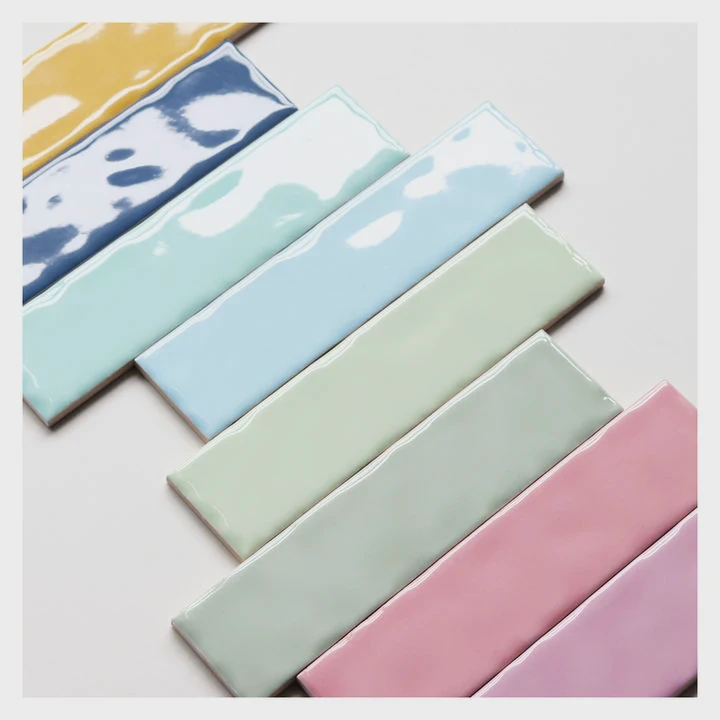
Installing tile trim requires careful steps. Skipping small details often leads to visible mistakes.
Step-by-Step Installation Process
Step 1: Measure and Cut
Measure the tile edge where trim is needed. Use a saw or trim cutter to cut the trim to the correct length. Precision matters here because uneven cuts will show clearly.
Step 2: Apply Tile Adhesive
Spread adhesive on the surface using a notched trowel. Make sure the adhesive layer is even. This ensures both tile and trim stick properly.
Step 3: Position the Trim
Place the trim into the adhesive. The perforated edge should go under the tile. Press it gently to fix it in place.
Step 4: Install Tiles
Lay tiles next to the trim. Push them firmly so they align with the trim edge. The tile surface should sit slightly below or level with the trim.
Step 5: Check Alignment
Use a level tool to ensure everything is straight. Even small misalignment becomes very visible after grouting.
Step 6: Allow to Set
Let the adhesive dry fully before moving to grouting. This step prevents shifting.
Common Installation Mistakes
| Mistake | Result |
|---|---|
| Cutting trim too short | Visible gaps |
| Uneven adhesive layer | Loose trim |
| Poor alignment | Crooked finish |
| Installing too late | Weak bonding |
Practical Insight
In many real projects, rushing causes most problems. Taking time during alignment saves hours of correction later. A steady hand and patience are more important than speed.
Which adhesives secure trim effectively?
Many people assume any adhesive works. This often leads to trim coming loose after some time.
Tile trim is best secured using tile adhesive or thin-set mortar. These materials provide strong bonding, moisture resistance, and long-term stability for both tiles and trim.
Choosing the right adhesive is essential. It affects how well the trim stays in place over time.
Types of Adhesives
Thin-Set Mortar
This is the most common choice. It is strong and durable. It works well for both walls and floors. It also resists moisture, making it ideal for bathrooms and kitchens.
Ready-Mix Adhesive
This option is easy to use. It comes pre-mixed. It is suitable for small wall projects. However, it is not as strong as mortar.
Construction Adhesive
Some people use this for quick fixes. It can work in dry areas but is not recommended for long-term tile installations.
Adhesive Comparison
| Adhesive Type | Strength | Water Resistance | Best Use Case |
|---|---|---|---|
| Thin-set mortar | High | High | Floors, wet areas |
| Ready-mix adhesive | Medium | Medium | Wall tiles |
| Construction glue | Low | Low | Temporary fixes |
Key Application Tips
- Always use a notched trowel for even spread
- Do not apply too thick adhesive
- Press trim firmly into place
- Clean excess adhesive immediately
Real Experience Insight
In large-scale projects, thin-set mortar is always the safer choice. It provides consistent performance across different environments. While ready-mix adhesives save time, they are better for light-duty use.
Choosing the wrong adhesive can lead to costly repairs. It is better to invest in the right material from the start.
When should trim be installed during tiling?
Timing mistakes can ruin the entire installation. Many people try to add trim after tiles are already set.
Tile trim should be installed at the same time as tiles. It must be embedded into the adhesive before tiles are fully fixed to ensure proper bonding and alignment.
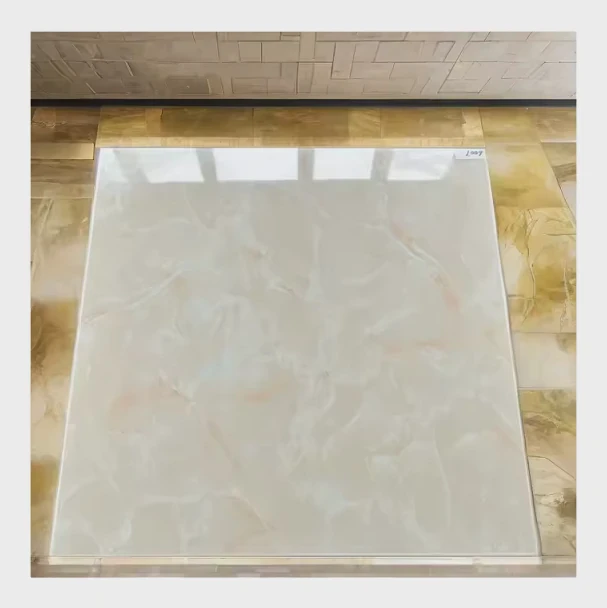
Understanding the correct timing is critical for a clean and strong finish.
Correct Installation Timing
Trim is installed during tile placement, not after. This allows the trim to bond with the adhesive and sit correctly with the tile edges.
Why Timing Matters
If trim is installed too late:
- It will not bond properly
- It may sit unevenly
- It can detach over time
Installation Sequence
- Prepare the surface
- Apply adhesive
- Place tile trim
- Install tiles next to trim
- Adjust alignment
- Let everything set
- Apply grout
Timing Mistakes to Avoid
| Mistake | Problem Caused |
|---|---|
| Installing after tiling | Weak attachment |
| Delayed placement | Misalignment |
| Rushing adhesive drying | Movement and gaps |
Practical Observation
In many projects, workers try to fix trim at the end to save time. This often leads to poor results. Proper timing ensures the trim becomes part of the structure, not just an add-on.
Professional Tip
Always plan trim placement before starting tiling. Mark edges clearly. This avoids confusion during installation and ensures smooth workflow.
Conclusion
Tile trim is a small detail, but it makes a big difference. Choosing the right type, using proper adhesive, and installing at the right time ensures a clean, durable, and professional finish.