How Much Does It Cost to Tile a Shower?
- Sinotiles
- 2026-03-19
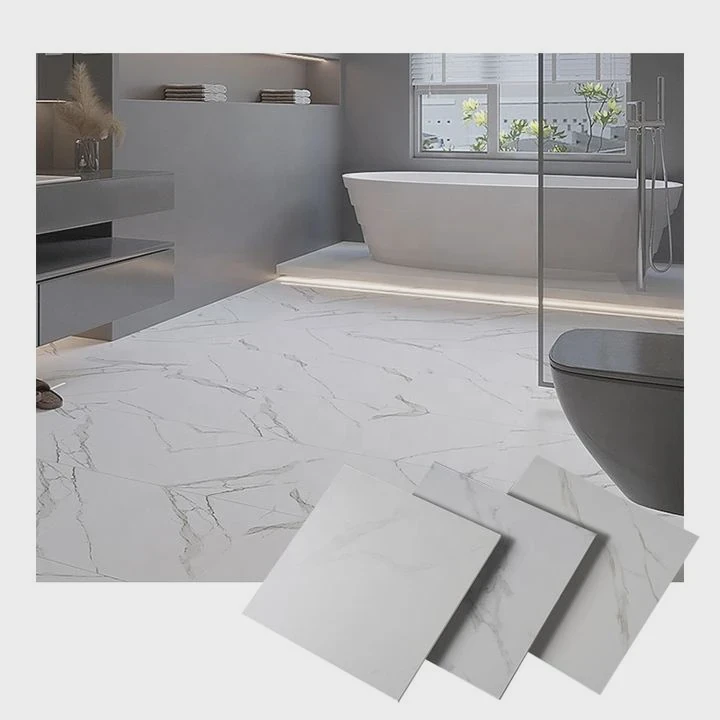
A leaking or outdated shower can quickly become a costly problem. Many people feel unsure about the real cost of tiling and worry about hidden expenses or poor planning.
The cost to tile a shower usually ranges from \(800 to \)5,000, depending on tile type, labor, size, and preparation work. Simple projects cost less, while custom designs and large tiles increase the total price.
Understanding what drives the price helps avoid surprises. When each cost factor is clear, planning becomes easier and smarter decisions follow.
What factors influence shower tiling costs?
Small mistakes in planning can lead to big expenses. Many buyers only focus on tile price and forget other key factors that affect the total cost.
Shower tiling costs depend on size, tile material, surface preparation, waterproofing, layout complexity, and installation method. Each factor adds to the final price in different ways.
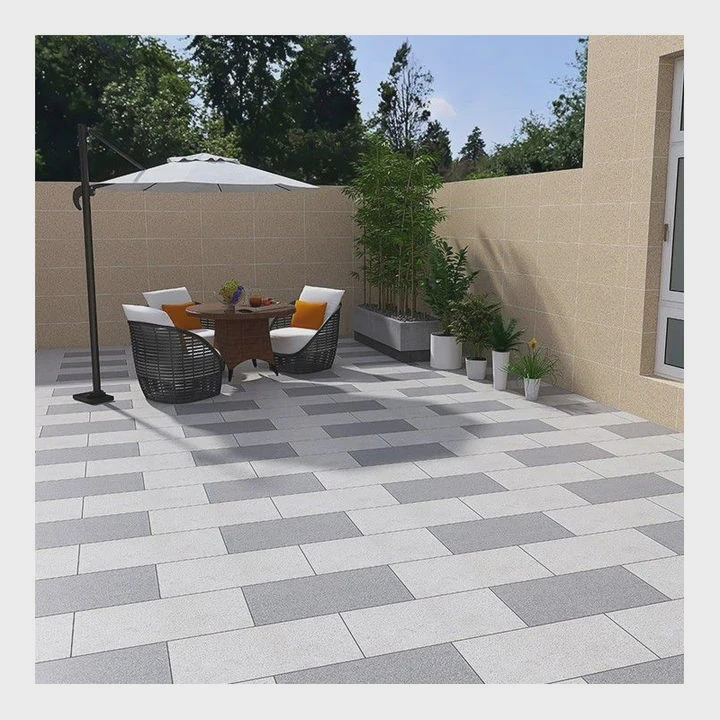
When breaking down the cost, it becomes clear that tile price is only one part of the total budget. A shower project includes materials, labor, and preparation work.
Key cost factors explained
1. Shower size and layout
The larger the shower area, the higher the cost. A standard shower wall area is about 70–100 square feet. A walk-in shower can go beyond 150 square feet.
Complex layouts also increase cost. Niches, benches, and corners require more cutting and labor.
2. Surface preparation
Before tiling begins, the surface must be clean, level, and waterproof. This step is often overlooked but is very important.
- Cement boards or backer boards may be required
- Waterproof membranes must be applied
- Old tiles may need removal
These steps can add \(300–\)1,500 depending on the condition.
3. Waterproofing system
Waterproofing protects the structure behind the tiles. Without it, mold and water damage can occur.
There are different systems:
- Liquid membranes (lower cost)
- Sheet membranes (higher cost but more reliable)
4. Design complexity
Simple layouts cost less. Complex patterns increase labor time.
Examples:
- Straight lay: lowest cost
- Brick pattern: medium cost
- Herringbone or mosaic: highest cost
Cost breakdown table
| Factor | Cost Impact Level | Notes |
|---|---|---|
| Shower size | High | Larger area = more material + labor |
| Tile type | High | Material cost varies widely |
| Surface prep | Medium | Depends on existing condition |
| Waterproofing | Medium | Essential for durability |
| Layout complexity | High | Increases labor time |
Each of these factors works together. A small shower with expensive tiles may cost the same as a large shower with basic tiles.
Why does tile type affect installation price?
Many buyers focus only on the look of tiles. However, the type of tile has a direct effect on both material cost and installation difficulty.
Tile type affects price because different materials vary in cost, weight, durability, and installation difficulty. Natural stone and large-format tiles usually cost more to install than ceramic or porcelain tiles.
Tile selection is not only about design. It also changes how the installer works and how long the job takes.
Common tile types and their impact
1. Ceramic tiles
Ceramic tiles are the most affordable option. They are easy to cut and install.
- Cost: \(1–\)5 per sq ft
- Easy handling
- Good for standard projects
2. Porcelain tiles
Porcelain is denser and more durable than ceramic. It is slightly harder to cut.
- Cost: \(3–\)10 per sq ft
- Water-resistant
- Suitable for high-end bathrooms
3. Natural stone tiles
Stone tiles like marble or travertine offer a luxury look. However, they require sealing and careful installation.
- Cost: \(8–\)20+ per sq ft
- Heavy and fragile
- Higher labor cost
4. Mosaic tiles
Mosaic tiles are often used for shower floors or decorative walls.
- Cost: \(5–\)15 per sq ft
- Many grout lines
- More installation time
5. Large-format tiles
Large tiles are modern and reduce grout lines. But they need precise installation.
- Cost: \(10–\)30+ per sq ft
- Require flat surfaces
- Higher skill level needed
Tile comparison table
| Tile Type | Material Cost | Labor Difficulty | Best Use |
|---|---|---|---|
| Ceramic | Low | Easy | Budget projects |
| Porcelain | Medium | Medium | Residential bathrooms |
| Natural Stone | High | Hard | Luxury designs |
| Mosaic | Medium | Hard | Shower floors, accents |
| Large Format | High | Hard | Modern walls |
The choice of tile directly changes the total project cost. A simple tile may reduce cost by thousands, while premium tiles can double the budget.
When should labor costs be considered for tiling?
Many people underestimate labor costs. They focus on tile prices but forget that installation often makes up a large part of the total cost.
Labor costs should be considered at the beginning of planning, as they can account for 40% to 60% of the total shower tiling cost depending on complexity and location.
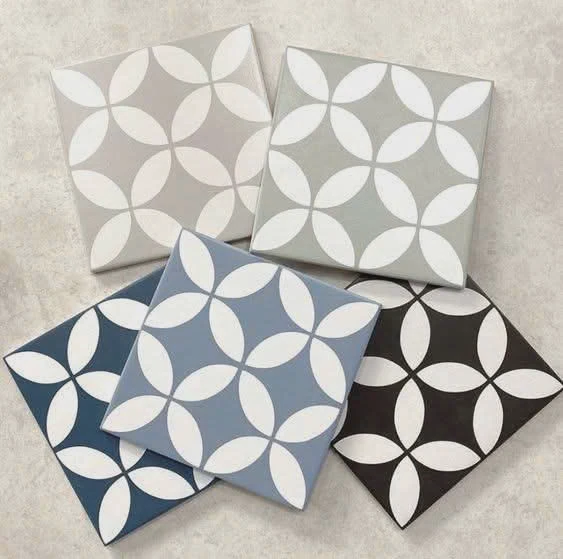
Labor is not just about placing tiles. It includes preparation, cutting, waterproofing, and finishing work.
What labor includes
1. Demolition and removal
If an old shower exists, it must be removed.
- Tile removal
- Debris disposal
- Surface cleaning
2. Surface preparation
This step ensures durability.
- Installing backer boards
- Leveling walls
- Waterproofing
3. Tile installation
This is the main process.
- Cutting tiles
- Applying adhesive
- Setting tiles properly
4. Grouting and finishing
Final steps include:
- Filling joints
- Cleaning surface
- Sealing (for stone tiles)
Labor cost range
Labor cost varies by region and complexity.
| Project Type | Labor Cost per Sq Ft | Notes |
|---|---|---|
| Basic installation | \(5 – \)10 | Simple layout |
| متوسط complexity | \(10 – \)20 | Patterns or niches |
| High-end installation | \(20 – \)40+ | Large tiles or stone |
Why labor cost varies
Several factors affect labor pricing:
- Tile size (large tiles require precision)
- Pattern complexity
- Accessibility of the shower area
- Experience of the installer
In many real cases, labor becomes the largest cost component. A cheap tile choice does not always mean a cheap project if installation is complex.
Which shower tile options are most affordable?
Budget constraints often push buyers to search for cost-effective solutions. The goal is to balance price, durability, and appearance.
The most affordable shower tile options are ceramic tiles, basic porcelain tiles, and standard-size tiles like 600×600mm, as they reduce both material and labor costs.
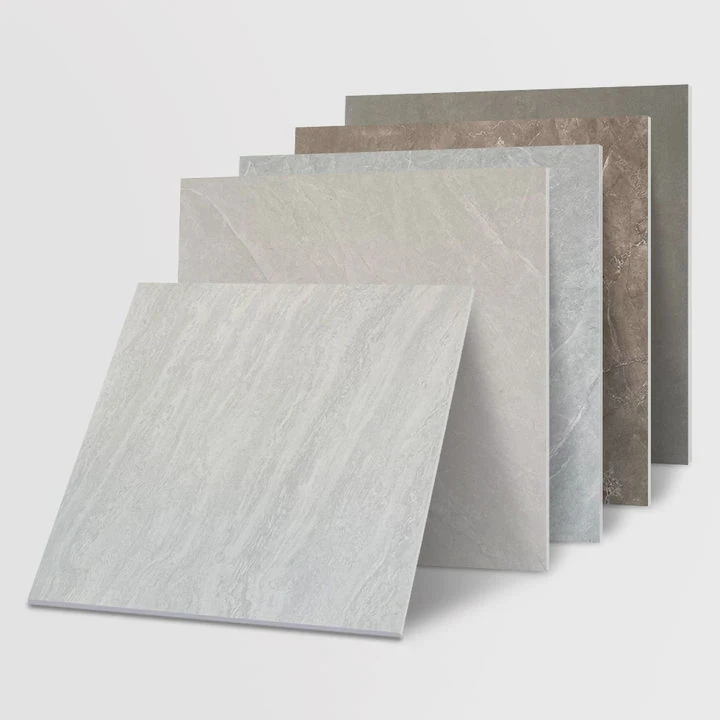
Affordable does not mean low quality. The right choice can still offer durability and good design.
Best budget-friendly options
1. Standard ceramic tiles
These tiles offer the lowest price and easy installation.
- Low material cost
- Wide design options
- Easy replacement
2. Basic porcelain tiles
A step above ceramic in durability.
- Slightly higher cost
- Better water resistance
- Suitable for long-term use
3. Medium-size tiles (600×600mm or 300×600mm)
These sizes balance cost and efficiency.
- Less cutting required
- Faster installation
- Lower labor cost
4. Simple layouts
Avoid complex patterns to save money.
- Straight lay pattern
- Minimal cuts
- Reduced labor time
Cost-saving strategies
Choose the right combination
Instead of using expensive tiles everywhere:
- Use premium tiles for feature walls
- Use budget tiles for other areas
Reduce waste
Careful planning reduces material waste. Ordering the right quantity avoids extra cost.
Work with reliable suppliers
Consistent quality reduces installation issues and delays.
Budget vs premium comparison
| Category | Budget Option | Premium Option |
|---|---|---|
| Tile material | Ceramic | Natural stone |
| Tile size | Standard sizes | Large format |
| Design | Simple layout | Custom patterns |
| Total cost | Low | High |
Affordable solutions are often about smart decisions, not just cheap materials.
Conclusion
Shower tiling costs depend on many factors, including tile type, labor, and design. Clear planning helps control expenses and avoid surprises. Choosing the right balance between cost and quality leads to better long-term results.