Can I Tile Over Drywall?
- Sinotiles
- 2026-03-19
A lot of people want a fast tile job, but one wrong surface choice can lead to loose tiles, cracked grout, and expensive repair.
Yes, tile can go over drywall in some cases, but only when the wall is dry, stable, clean, and strong enough to carry the tile weight. Wet areas need a better backing material.
Many buyers, builders, and project teams ask this question because drywall is common, cheap, and easy to find. The real issue is not only whether tile can stick to drywall. The real issue is whether the whole wall system can stay strong over time. A tile surface may look good on day one, but the base behind it decides how long that result will last.
What Conditions Allow Tile Installation Over Drywall?
A smooth wall can look ready for tile, but looks can mislead people and cause failures that appear only after the project is finished.
Tile installation over drywall works when the drywall is indoors, dry, firmly fixed, flat, undamaged, and able to support the tile size and weight without movement.

In many indoor projects, drywall can be a workable base for tile. I usually see this in kitchen backsplashes, fireplace surrounds, feature walls, and other dry spaces. The key point is simple: drywall is not the problem by itself. The problem starts when people use damaged drywall, weak drywall, or drywall in places where water exposure is likely.
The wall must be dry and stable
A drywall surface needs to stay dry during normal use. That means no direct water spray, no constant steam load, and no hidden moisture problem inside the wall. If the wall sits behind a kitchen backsplash, it may still be fine because that space gets light splashes, not constant soaking. But the drywall must be solid and well attached to the framing. Loose boards or movement behind the wall will weaken the bond line.
The surface must be flat and clean
Tile does not hide major wall defects. In fact, tile often makes them more obvious. A good drywall surface should be flat, dust-free, grease-free, and free from peeling paint or loose joint compound. If the wall has a glossy coating, installers often need to sand it or use the right bonding method so the adhesive can grab the surface.
Tile weight matters
Not every tile is a good match for drywall. Small and medium wall tiles are usually easier to support. Heavy large-format tiles or stone products place more stress on the wall and adhesive. In those cases, the framing, board condition, and adhesive choice become much more important.
| Condition | Why It Matters | Good for Drywall? |
|---|---|---|
| Dry interior wall | Moisture stays low | Yes |
| Firm attachment to studs | Reduces movement and cracks | Yes |
| Clean and flat surface | Improves adhesive bond | Yes |
| Water exposure from shower use | Can weaken drywall over time | No |
| Damaged or soft board face | Causes weak bonding | No |
Adhesive choice also matters
I always treat the adhesive as part of the system, not as a magic fix. Even the best tile adhesive cannot correct a weak or wet wall. The adhesive must match the tile type, tile size, and wall condition. A proper thin-set mortar or approved wall tile adhesive is often used based on the application. What matters most is that the whole assembly works together.
Drywall can support a successful tile job when the area is dry, the board is sound, the wall is flat, and the tile load is reasonable. When one of those points fails, the risk goes up fast. That is why careful inspection before installation matters more than quick installation after delivery.
Why Is Cement Board Preferred for Wet Areas?
Many projects fail in wet spaces because the surface behind the tile was chosen for speed, not for long-term moisture protection.
Cement board is preferred in wet areas because it handles moisture better than drywall, stays more stable, and gives tile a stronger and safer backing in showers and other water-exposed spaces.
Wet areas need a very different level of protection. This is where many people make the most costly mistake. Tile is not a waterproof layer by itself. Grout lines, joints, edges, and small movement points can all let moisture pass through. Once water gets behind the tile, the backing material has to resist damage. That is where cement board has a clear advantage.
Cement board does not break down like drywall
Drywall has a gypsum core and paper facing. That structure works well in dry interior spaces, but repeated moisture can weaken it. The paper can support mold growth when moisture stays trapped. The board can soften, swell, or lose strength over time. Cement board is different. It is made to handle wet conditions far better and does not rely on a paper face in the same way.
Wet areas need system thinking
I often explain this point in a simple way: tile is the finish, but the board behind it is the insurance. In showers, steam rooms, tub surrounds, commercial wash areas, and some laundry spaces, installers should think beyond appearance. They need to think about water movement, vapor, cleaning cycles, and service life. Cement board works better because it stays more dimensionally stable when moisture is present.
Waterproofing still matters
Cement board is moisture-resistant, but it is not the same as a full waterproof barrier. That is an important difference. In many wet applications, a waterproof membrane is still added on top of or behind the cement board as part of the wall assembly. This creates a much safer system for long-term use. The best projects do not depend on one material alone.
| Backing Material | Dry Area Use | Wet Area Use | Moisture Resistance | Typical Risk Level |
|---|---|---|---|---|
| Standard drywall | Good | Poor | Low | High in wet zones |
| Moisture-resistant drywall | Limited | Not ideal for direct wet use | Medium | Moderate to high |
| Cement board | Good | Very good | High | Lower when installed right |
Better support for demanding tile applications
Wet areas often use larger wall tiles today. Many projects also want niche details, feature strips, and heavier finishes. Cement board gives installers more confidence in those conditions. It helps create a stable base that is less likely to change shape with humidity and water exposure. That stability helps protect grout lines, tile alignment, and the overall finish quality.
In my experience, buyers who focus only on the visible tile often miss the real performance factor. The backing board is what decides whether the wall will still perform after years of water, cleaning, and daily use. That is why cement board remains the safer and more professional option for wet areas.
When Should Drywall Be Avoided for Tile Installation?
A tile wall may look fine at handover, yet hidden moisture and weak backing can turn a clean project into a repair case.
Drywall should be avoided when the area faces regular water exposure, heavy tile loads, damaged wall surfaces, structural movement, or any condition that can weaken the bond over time.
This is the part many people need most. It is not enough to know when drywall can work. We also need to know when it should not be used at all. In real supply and project work, this decision saves money, time, and reputation.
Avoid drywall in direct wet zones
Shower walls are the most common example. Tub surrounds, public washrooms, spa areas, and walls near regular spray or steam are also poor places for standard drywall. Even if the tile adhesive feels strong at first, repeated moisture creates long-term stress behind the finish. That hidden stress is what causes delayed failure.
Avoid drywall when the board is damaged
A wall with crumbling paper, dents, soft spots, mold marks, or water stains should not be tiled over without repair or replacement. Tile does not solve substrate problems. It locks those problems in place and makes later repair harder. I have seen people try to save a wall that should have been replaced. In most cases, that decision costs more later.
Avoid drywall under very heavy tile
Large-format porcelain, thick decorative pieces, and natural stone can all add significant wall load. Drywall may not be the best choice if the tile is large, thick, or heavy, especially when the framing is not ideal. In those cases, a stronger backing board and a better wall assembly reduce risk.
Avoid drywall where movement exists
If the wall framing moves, flexes, or has poor alignment, drywall becomes a weak link. Tile wants stability. Movement leads to grout cracking, bond failure, and visible surface defects. Even a good adhesive cannot fully overcome a moving wall.
Warning signs before installation
The simplest way to judge risk is to inspect the whole wall system before the first tile is set.
Common red flags
- Water stains or past leakage
- Soft board face or torn paper
- Uneven wall plane
- Loose attachment to studs
- Heavy tile planned for vertical use
- High-humidity or direct-spray location
Drywall should also be avoided when the project goal is long service life in demanding use. Hotels, apartment towers, public projects, and commercial wash spaces often need more robust specifications because maintenance costs are higher and user traffic is constant. In those projects, the board behind the tile should support both performance and warranty confidence.
A lot of installation problems do not start with the tile. They start with a wrong decision about the base. Once that point is clear, material selection becomes much easier and much safer.
Which Tiles Work Best on Drywall Surfaces?
Some tiles perform well on drywall, while others place too much stress on the wall and increase the chance of failure.
Light to medium-weight ceramic and porcelain wall tiles usually work best on drywall, especially in dry indoor areas where the wall is flat, firm, and properly prepared.
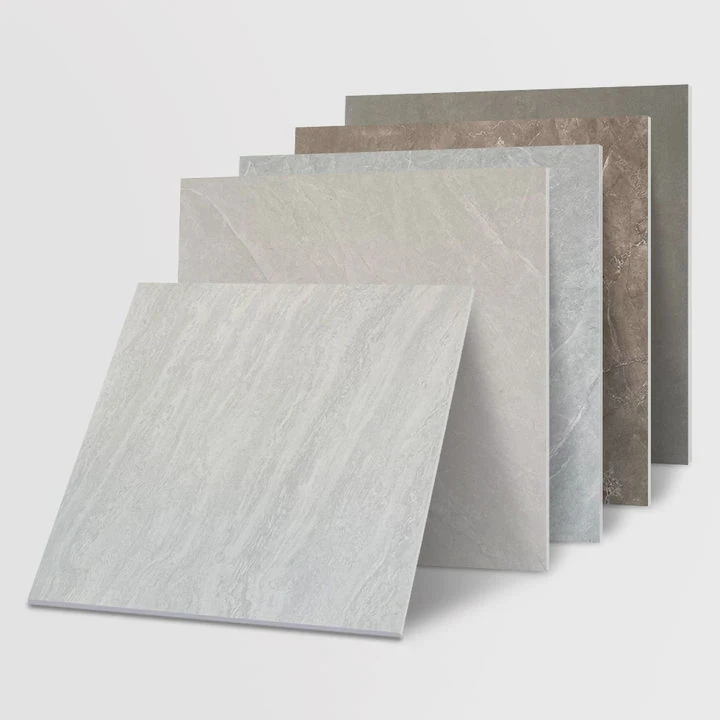
Once the surface is confirmed as suitable drywall, the next question is tile selection. This matters more than many buyers expect. The best tile for drywall is not only about style. It is also about weight, size, finish, and installation demands.
Ceramic wall tile is often the easiest choice
Ceramic wall tile is a practical option for drywall because it is usually lighter than many stone products. It is widely used in kitchen backsplashes, decorative walls, and interior feature zones. It is easy to handle, comes in many looks, and works well in dry applications when installed on a prepared wall.
Porcelain can also work well
Porcelain tile is denser and often stronger than ceramic. Many modern interior projects prefer porcelain because it offers better design range, strong wear resistance, and a premium look. Still, not every porcelain tile is equally suitable for drywall. Large-format or thick porcelain pieces can become heavy, and installers need to check wall strength, adhesive type, and fixing method.
Mosaic and small-format tiles
Mosaic tiles can work very well on drywall in dry spaces. Their smaller size helps them follow slight wall variation, and they are often popular for backsplashes and decorative panels. But sheet-mounted mosaics still need a clean, even surface. Poor preparation can show through the final finish.
Tiles to use with caution
Some materials need more care:
Natural stone
Stone can be heavy and may need a stronger backing system.
Very large-format tiles
Big tiles need very flat walls and place more stress on the wall.
Thick decorative pieces
Three-dimensional or extra-thick products can create load and bonding challenges.
Practical tile matching guide
A simple matching approach helps reduce mistakes.
| Tile Type | Typical Weight Level | Suitability for Drywall | Best Use Area |
|---|---|---|---|
| Small ceramic wall tile | Light | Very good | Backsplashes, feature walls |
| Standard porcelain wall tile | Medium | Good | Dry interior walls |
| Mosaic tile | Light to medium | Good | Decorative interior areas |
| Large-format porcelain slab | Heavy | Use with caution | Only on well-prepared strong walls |
| Natural stone tile | Heavy | Limited | Better on stronger board systems |
Design should follow substrate logic
I like to remind buyers and project teams that style should follow wall logic. A beautiful tile still needs the right base. Drywall works best with tile choices that do not overload the wall and do not demand wet-area performance. That is why ceramic, standard porcelain, and many mosaic designs are common and safe choices in dry indoor applications.
In export and project supply work, this also affects packing, transport, breakage risk, installation cost, and complaint rate. A good tile match is not only about sale value. It is also about helping the final user complete the project with fewer issues. When the tile type matches the wall condition, the result is cleaner, faster, and more reliable.
Conclusion
Drywall can be tiled in the right dry indoor conditions, but it is never the best answer for every wall. The safest approach is to match the tile, backing material, and service environment from the start.