How Much Tile Do I Need for My Shower?
- Sinotiles
- 2026-05-15
Many buyers order too few shower tiles. This causes delays, color mismatch, and extra shipping costs. Small mistakes in measurement can turn into expensive problems during installation.
To calculate shower tile quantity, measure the height and width of each shower wall and floor area, then add waste allowance for cuts, corners, and breakage. Most projects need 10% to 15% extra tiles.
Many importers, contractors, and distributors ask this question before placing bulk tile orders. A clear calculation helps avoid stock shortages and keeps projects on schedule. It also helps control shipping costs and container loading plans.
What measurements are needed to calculate tile quantity?
Small measurement mistakes can create large tile shortages. This becomes a serious issue in hotel projects, apartment buildings, or retail orders where timelines are tight and replacement batches may not match perfectly.
The key measurements include shower wall height, wall width, floor dimensions, niche sizes, and any special design areas. Accurate measurements help calculate the exact tile coverage needed.
The first step is measuring every surface that will receive tile. Many people only measure one wall and estimate the rest. That approach often creates ordering problems later.
Measure Shower Walls
Each wall should be measured separately because shower spaces are not always perfectly square.
Use this simple formula:
| Area to Measure | Formula |
|---|---|
| Wall Area | Height × Width |
| Floor Area | Length × Width |
| Total Tile Area | Add all wall and floor areas |
For example:
- Back wall: 2.4m × 1.5m = 3.6㎡
- Side wall 1: 2.4m × 1m = 2.4㎡
- Side wall 2: 2.4m × 1m = 2.4㎡
Total wall area:
3.6 + 2.4 + 2.4 = 8.4㎡
Measure Shower Floors Carefully
Many installers forget shower floors require extra attention because slopes are needed for drainage. Small mosaic tiles are often used here because they fit slopes better.
If the floor is:
- Square → use basic length × width
- Curved → divide into smaller sections
- Custom-shaped → measure every angle separately
Do Not Forget Niches and Benches
Modern shower designs often include:
- Shampoo niches
- Floating benches
- Accent strips
- Feature walls
These areas increase tile usage because they create more corners and cuts.
Tile Size Changes Coverage
Large-format tiles reduce grout joints but may increase cutting waste in smaller showers. Smaller tiles create more grout lines but adapt better to complex layouts.
Here is a simple comparison:
| Tile Size | Best Use | Waste Risk |
|---|---|---|
| 300×600mm | Standard walls | Low |
| 600×1200mm | Luxury shower walls | Medium |
| Mosaic tiles | Shower floors | Low |
| 750×1500mm | Large feature walls | High |
In many export projects, contractors choose 600×1200mm glazed porcelain tiles for shower walls because they create a modern look with fewer grout lines. For hotel projects, matching floor and wall collections also simplify bulk purchasing.
Check Tile Coverage Per Box
Different suppliers pack different quantities per carton. Some cartons cover:
- 1.44㎡
- 1.62㎡
- 1.8㎡
Always convert the total area into carton quantity before ordering.
For example:
- Total required: 9.5㎡
- One carton covers: 1.62㎡
9.5 ÷ 1.62 = 5.86 cartons
Round upward to 6 cartons minimum before adding waste.
This step is very important in container loading because carton counts affect pallet planning and freight calculations.
How does waste factor affect tile estimation?
Many buyers calculate exact coverage only. Then they discover installers need extra tiles for cuts, edge alignment, and pattern matching. This creates project delays and emergency reorders.
Waste factor is the extra percentage of tile added to cover cuts, layout adjustments, breakage, and future repairs. Most shower projects require 10% to 15% additional tiles.
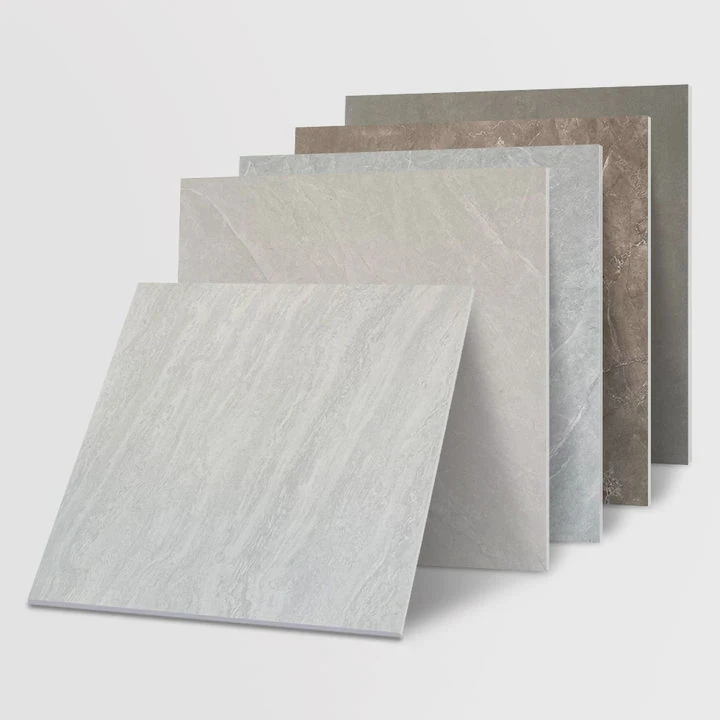
Waste factor is one of the most misunderstood parts of tile estimation. Some buyers try to reduce cost by ordering exact quantities only. In reality, this usually increases total project cost later.
Why Waste Happens
Tiles rarely fit perfectly into a shower layout. Installers cut tiles around:
- Corners
- Pipes
- Valves
- Niches
- Shower drains
- Benches
Every cut creates leftover material.
Different Layouts Create Different Waste Levels
Straight installations produce less waste. Complex patterns increase waste quickly.
| Tile Pattern | Typical Waste Factor |
|---|---|
| Straight lay | 10% |
| Diagonal layout | 15% |
| Herringbone | 15%–20% |
| Chevron | 20% |
Large-format tiles may also create more waste in compact shower rooms because larger pieces require more trimming.
Shade Variation Matters
Tile batches can vary slightly in color tone. If a reorder happens later, the new production batch may not match the original installation perfectly.
This issue becomes more serious with:
- Marble-look porcelain
- Rustic tiles
- Handmade-look surfaces
- High-gloss finishes
Because of this, many experienced distributors order extra cartons during the first shipment.
International Shipping Risks
In export business, waste planning becomes even more important. Replacing damaged cartons internationally costs time and money.
Some common risks include:
- Port handling damage
- Container pressure damage
- Edge chipping
- Transit vibration
Professional suppliers usually recommend spare cartons for every container shipment.
Future Maintenance Needs
Property owners often keep spare tiles for future repairs. Bathrooms may need repairs years later because of:
- Plumbing leaks
- Renovation work
- Impact damage
If the original tile is discontinued, matching becomes difficult.
This is why many contractors keep at least one unopened carton after installation.
Waste Factor Saves Labor Costs
Running out of tiles creates labor downtime. Installers may stop work while waiting for replacement material. This delays:
- Hotel openings
- Apartment handovers
- Retail store launches
The small cost of extra tiles is usually far lower than labor delay costs.
Why add extra tiles for cutting and breakage?
Many people assume professional installers never break tiles. In reality, every project experiences some level of cutting waste and accidental damage during installation.
Extra tiles are necessary because cutting, drilling, transportation, and installation can damage tiles. Spare tiles also help maintain color consistency for future repairs.
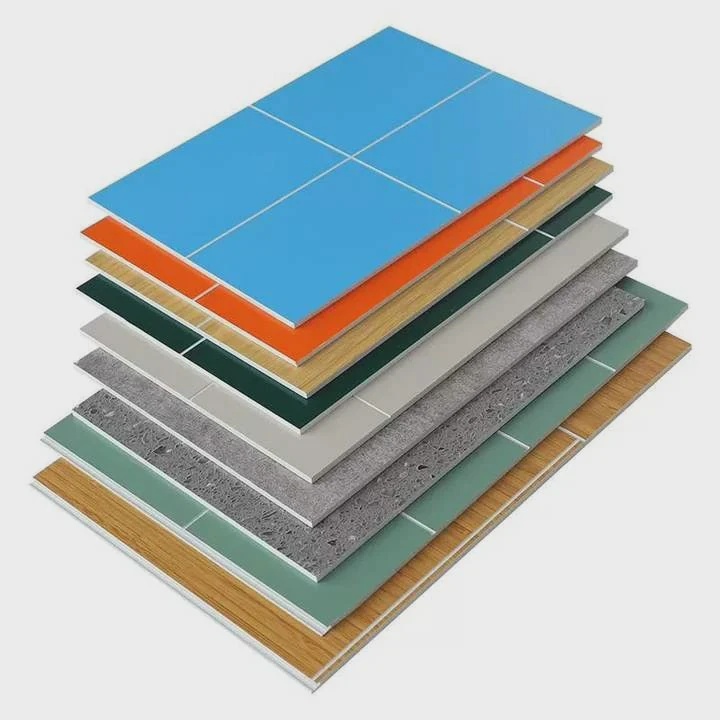
Tile installation is not simply placing full tiles onto walls. Shower spaces contain many obstacles that force installers to trim tiles constantly.
Cutting Around Plumbing
Every shower usually contains:
- Mixer valves
- Water outlets
- Shower heads
- Floor drains
Cutting around these areas requires precision tools. Mistakes can crack tiles instantly.
Large porcelain tiles are especially difficult because they are harder and denser than ceramic tiles.
Corners Increase Breakage Risk
Corners create stress points during installation. Some tiles may chip while installers:
- Adjust alignment
- Apply pressure
- Trim edges
- Install metal trim pieces
This is normal in most projects.
Large Tiles Need More Care
Large-format porcelain tiles are popular in modern bathrooms because they create a seamless look. Still, they require skilled handling.
For example:
| Tile Type | Breakage Risk |
|---|---|
| Small ceramic tiles | Low |
| Mosaic sheets | Low |
| 600×1200 porcelain | Medium |
| 900×1800 slabs | High |
Large tiles are heavier and harder to maneuver inside small shower rooms.
Transportation Damage Happens
Even with strong export packing, tiles can suffer damage during:
- Container loading
- Truck transportation
- Port unloading
- Warehouse movement
This is why experienced importers often request spare cartons in each shipment.
Pattern Matching Creates More Waste
Marble-look porcelain tiles often use continuous vein designs. Installers may discard some pieces to maintain pattern flow.
This happens often in:
- Luxury hotels
- Villas
- High-end residential projects
The visual result looks better, but tile usage increases.
Future Repairs Need Matching Tiles
Bathrooms may need maintenance years later. If extra tiles are unavailable, replacing damaged areas becomes difficult.
Manufacturers may discontinue:
- Surface designs
- Gloss levels
- Sizes
- Production molds
Keeping spare cartons avoids future matching problems.
Bulk Buyers Usually Plan Ahead
Many distributors and contractors now include spare ratios directly inside procurement plans.
A common approach is:
- Residential projects → 10% extra
- Commercial projects → 15% extra
- Luxury projects → 20% extra
This helps avoid costly reorder situations later.
Which tools help estimate shower tile needs?
Manual calculations often create mistakes, especially in large projects with many bathrooms. Simple tools can improve speed, accuracy, and purchasing efficiency.
Tile calculators, layout apps, laser measurers, and supplier estimation support help buyers calculate accurate shower tile quantities and reduce ordering errors.
Modern tile estimation has become much easier because many digital tools now simplify measurements and layout planning.
Online Tile Calculators
Many tile suppliers provide free online calculators. These tools usually ask for:
- Wall dimensions
- Floor dimensions
- Tile size
- Waste percentage
The system then estimates total tile quantity automatically.
Online calculators work well for simple shower layouts.
Laser Measuring Tools
Professional contractors often use laser distance meters because they are faster and more accurate than tape measures.
Benefits include:
- Fast room scanning
- Higher precision
- Better large-project efficiency
- Reduced human error
This is especially useful in hotels or apartment developments with many bathrooms.
Tile Layout Software
Advanced design software helps visualize tile layouts before installation.
Popular functions include:
- Pattern simulation
- Grout line planning
- Vein matching
- Waste optimization
These tools are valuable for luxury projects using large-format porcelain slabs.
Supplier Support Services
Experienced tile suppliers often help buyers estimate quantities before production starts.
Support may include:
| Service | Benefit |
|---|---|
| Quantity estimation | Reduces ordering mistakes |
| Container loading plans | Improves freight efficiency |
| Packing suggestions | Reduces damage risk |
| Tile layout advice | Reduces waste |
This becomes very important in export business because international reorders are expensive.
BIM and Construction Software
Large commercial projects now use BIM systems to calculate material quantities automatically.
These systems help:
- Contractors
- Architects
- Developers
- Procurement teams
The software connects tile quantities directly with construction drawings.
Why Experienced Suppliers Matter
Tile quantity planning is not only about mathematics. It also involves production planning, batch consistency, packaging strength, and shipping efficiency.
Reliable suppliers often help buyers with:
- Production batch control
- Spare carton planning
- Loading optimization
- Replacement planning
This support reduces risk throughout the project.
Conclusion
Accurate shower tile estimation requires careful measurements, proper waste allowance, and extra tiles for cuts and breakage. Smart planning helps avoid delays, lowers project risk, and keeps installations smooth from start to finish.