How thick are tile and mortar layers?
- Sinotiles
- 2026-03-24
Many buyers choose tiles without knowing thickness. This often leads to uneven floors, bad installation, or wasted cost.
Tile and mortar thickness depends on tile type, size, and installation method. Most tiles range from 6–12mm, while mortar is usually 3–10mm depending on the surface and technique.
When planning a project, thickness is not just a number. It affects durability, leveling, and long-term performance. Let me break it down step by step so it becomes clear.
What is standard tile thickness?
Many projects fail because people assume all tiles have the same thickness. That is not true, and this mistake causes uneven surfaces.
Standard tile thickness usually ranges from 6mm to 12mm. Wall tiles are thinner, while floor tiles and large slabs are thicker for strength.
Tile thickness depends on the type, size, and where it is used. Different markets also prefer different standards. In my experience working with global buyers, I often see confusion between wall tiles and floor tiles.
Common Tile Thickness by Type
| Tile Type | Standard Thickness |
|---|---|
| Wall tiles | 6–8 mm |
| Floor tiles | 8–12 mm |
| Porcelain slabs | 6–15 mm |
| Mosaic tiles | 4–8 mm |
Wall tiles are thinner because they do not carry weight. They are easier to cut and install. Floor tiles must handle pressure, so they are thicker and stronger.
Why Thickness Matters
- Thicker tiles are stronger and more durable
- Thinner tiles are lighter and easier to install
- Large format tiles need balanced thickness to avoid cracking
Real Project Insight
In one project, a buyer mixed 6mm wall tiles with 10mm floor tiles in the same space. The result was uneven levels. Extra mortar was needed, which increased cost and time.
Key Considerations
- Always match tile thickness within the same area
- Check tolerance (some tiles vary slightly)
- Consider the final floor height
Thickness is not just about strength. It directly affects installation quality and the final look.
How thick should mortar be?
Many installers think more mortar means stronger bonding. This is a common mistake that leads to hollow tiles or cracks.
Mortar thickness is usually between 3mm and 10mm. Thin-set mortar is about 3–5mm, while thicker layers are used for leveling uneven surfaces.
Mortar acts as the bonding layer between the tile and the substrate. Its thickness depends on surface condition and tile size.
Standard Mortar Thickness Guide
| Application Type | Mortar Thickness |
|---|---|
| Thin-set installation | 3–5 mm |
| Medium bed mortar | 5–10 mm |
| Uneven surface leveling | 10–20 mm |
Types of Mortar Use
Thin-set Mortar
This is the most common method. It is used when the substrate is flat. It ensures strong adhesion and reduces material waste.
Medium Bed Mortar
Used for large tiles. It helps support the tile weight and prevents sinking.
Thick Bed Mortar
Used when the surface is uneven. It helps correct height differences.
Common Mistakes
- Applying mortar too thick causes shrinkage
- Applying too thin reduces bonding strength
- Uneven spreading creates hollow spots
Practical Advice
In many export projects, especially in the Middle East and Africa, I often see uneven substrates. In these cases, installers try to fix everything with mortar. This is risky.
A better way is:
- Level the base first
- Use the correct trowel size
- Keep mortar thickness consistent
Mortar is not just filler. It is a technical layer that controls stability and durability.
Does tile thickness affect installation?
Some buyers think thickness only affects strength. But in reality, it directly impacts installation difficulty and cost.
Yes, tile thickness affects installation. Thicker tiles need stronger support and tools, while thinner tiles require careful handling to avoid breakage.
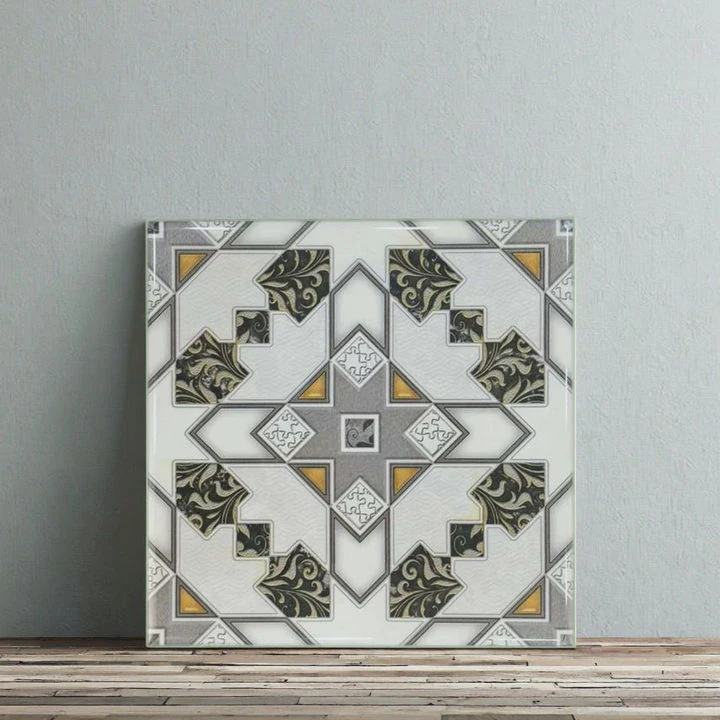
Tile thickness changes how installers work on-site. It affects cutting, handling, adhesive choice, and even labor cost.
Installation Impact Factors
1. Weight
Thicker tiles are heavier. This makes transport and installation harder. Large slabs especially need special tools.
2. Cutting Difficulty
Thicker tiles require stronger cutting machines. Thin tiles are easier but more fragile.
3. Adhesive Selection
Heavier tiles need stronger bonding materials. Not all adhesives work for thick porcelain slabs.
4. Floor Height Control
Different thickness creates height differences. This must be planned before installation.
Comparison Table
| Factor | Thin Tiles (6–8mm) | Thick Tiles (10–15mm) |
|---|---|---|
| Weight | Light | Heavy |
| Installation | Easier | More complex |
| Durability | Medium | High |
| Cost (labor) | Lower | Higher |
Real Scenario
In one commercial project, a contractor used 12mm tiles on walls. This increased installation difficulty and required stronger adhesive. The cost increased by 20%.
Key Takeaways
- Choose thickness based on application
- Plan installation method in advance
- Consider labor and tools
Thickness is not just a product feature. It is a key factor in project planning.
How to measure tile and mortar thickness?
Many people guess thickness by eye. This leads to errors that affect the final result.
Tile thickness can be measured with a caliper, while mortar thickness is checked during installation using trowel size and leveling tools.
Accurate measurement is important for quality control. It ensures consistency across the project.
Tools for Measurement
Tile Thickness Tools
- Digital caliper
- Micrometer
- Ruler (basic check)
Mortar Thickness Tools
- Notched trowel
- Leveling system
- Depth gauge
Step-by-Step Measurement
Measuring Tile Thickness
- Place tile on flat surface
- Use caliper to measure edge thickness
- Check multiple tiles for consistency
Measuring Mortar Thickness
- Apply mortar using trowel
- Press tile into place
- Lift tile to check mortar spread
- Measure compressed thickness
Why Measurement Matters
- Prevent uneven surfaces
- Ensure proper bonding
- Control material usage
Common Problems
- Tiles vary slightly in thickness
- Mortar compresses after installation
- Uneven substrate affects results
Practical Tip
In large export orders, we always recommend checking thickness before shipment and during installation. This reduces complaints and rework.
Accuracy is key. Even small differences can create big problems in large projects.
Conclusion
Tile and mortar thickness may look simple, but they affect the whole project. Choosing the right thickness ensures better installation, durability, and cost control.