How to Apply Peel and Stick Tile?
- Sinotiles
- 2026-05-11
Many people want a fast wall or floor upgrade. Yet poor installation can cause tiles to peel, bubble, or shift after only a few weeks.
Peel and stick tile works well when the surface is clean, dry, flat, and prepared correctly before installation. Careful measuring, strong pressure during application, and choosing the right surface all help the adhesive last longer and look professional.
A simple DIY project can still fail without the right process. Small mistakes during preparation often create bigger problems later. That is why understanding each installation step matters before starting the job.
What Preparation Is Required Before Installation?
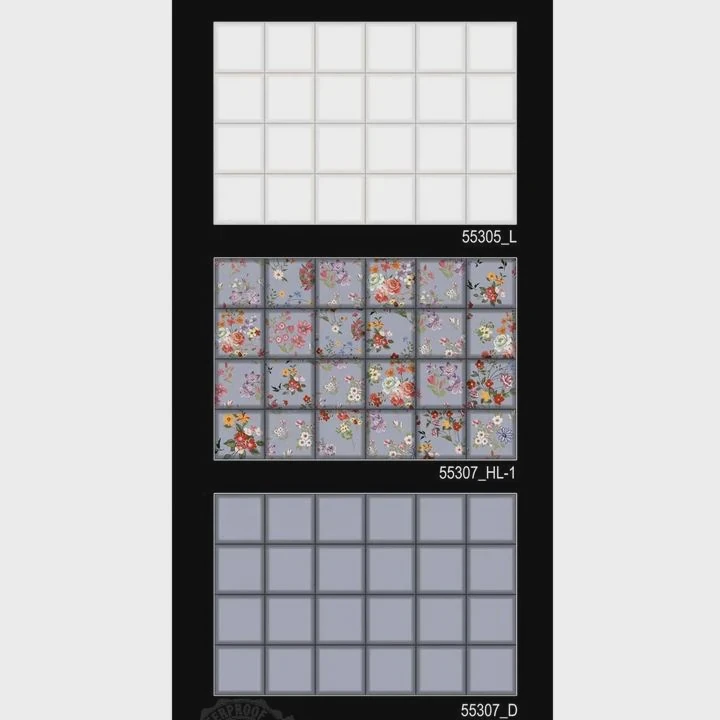
Many adhesive tile problems begin before the first tile touches the wall. Dust, moisture, and uneven surfaces can weaken the bond very quickly.
Proper preparation includes cleaning the surface, removing dust and grease, repairing uneven areas, and making sure the installation area stays completely dry before applying peel and stick tiles.
Good preparation creates the base for long-lasting adhesive performance. Many buyers focus only on tile design, but surface condition matters even more than the tile itself.
Start With Surface Cleaning
A clean surface allows the adhesive backing to make direct contact with the wall or floor. Dirt blocks that connection. Even small dust particles can reduce bonding strength.
Use a mild cleaner first. Then wipe the surface with clean water. After that, let everything dry fully. In kitchens, grease is often the biggest problem. A degreasing cleaner helps remove oil around cooking areas.
Check for Moisture Problems
Moisture is one of the biggest reasons peel and stick tiles fail. Bathrooms, laundry rooms, and kitchens often collect hidden humidity.
Before installation:
| Preparation Step | Why It Matters |
|---|---|
| Clean grease and dust | Improves adhesive contact |
| Dry the surface fully | Prevents adhesive failure |
| Repair cracks or holes | Keeps tiles flat |
| Sand rough areas | Creates smoother bonding |
| Remove loose paint | Prevents peeling later |
Many installers skip drying time because the wall looks dry on the surface. Yet hidden moisture can still remain underneath.
Repair Uneven Areas
Adhesive tiles need flat contact. Deep textures, cracked walls, or rough concrete can create air pockets.
Small holes should be filled with wall filler. Raised bumps should be sanded smooth. On floors, uneven grout lines can sometimes show through thin adhesive tiles.
Measure Before Peeling
Careful measuring saves time and reduces waste. Start from the center line when possible. This keeps edge cuts balanced and improves the final appearance.
A simple checklist helps avoid common mistakes:
Basic Installation Tools
| Tool | Purpose |
|---|---|
| Measuring tape | Accurate layout |
| Utility knife | Cutting tiles |
| Level | Straight lines |
| Roller or squeegee | Strong adhesive pressure |
| Cleaning cloth | Surface cleaning |
In many commercial projects, installers also leave the tiles inside the room for 24 hours before installation. This helps the adhesive adjust to room temperature. Extreme cold or heat can affect flexibility during application.
Preparation may feel slow, but it often determines whether the installation lasts for months or for many years.
How Do You Ensure Adhesive Tiles Stick Properly?
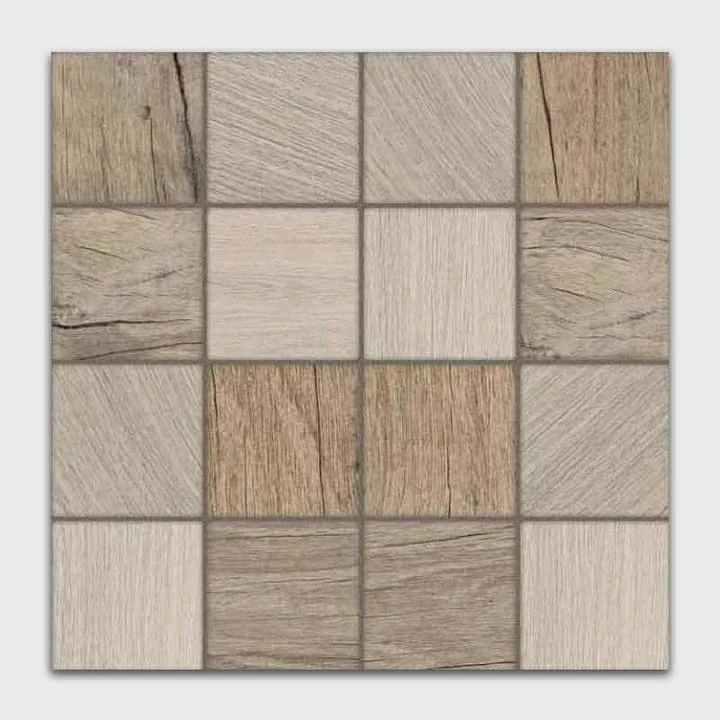
Some installations look perfect on day one but start lifting at the corners after only a short time. Weak bonding usually comes from pressure or surface mistakes.
To ensure peel and stick tiles stick properly, installers should apply strong pressure, avoid trapped air bubbles, maintain stable room temperature, and use adhesive primers when necessary.
Strong adhesive performance depends on both technique and environment. Even high-quality tiles cannot compensate for poor installation habits.
Apply Pressure Correctly
Many first-time installers press tiles lightly with their hands and move on. That often leaves weak spots behind the tile.
Instead, use a roller or squeegee tool after positioning each tile. Firm pressure pushes the adhesive fully against the surface.
Corners and edges deserve extra attention because they usually fail first.
Avoid Air Pockets
Air bubbles reduce contact between the adhesive and the wall. Once moisture enters those spaces, lifting becomes more likely.
To avoid bubbles:
- Peel only part of the backing first
- Align the tile carefully
- Press from center outward
- Remove backing slowly while smoothing
This method helps maintain even pressure across the entire tile.
Maintain Proper Temperature
Extreme temperatures affect adhesive behavior. Cold rooms can make tiles stiff. Excessive heat may soften adhesive too much.
Most manufacturers recommend installation between 65°F and 85°F.
Consider Primers for Difficult Surfaces
Some surfaces need extra help for long-term bonding. Painted drywall with satin paint, concrete walls, or old laminate surfaces may reduce grip strength.
In these situations, adhesive primer can improve bonding performance.
Common Causes of Adhesive Failure
Surface Conditions That Reduce Bond Strength
- Dust or powder residue
- Fresh paint not fully cured
- High humidity
- Textured walls
- Loose wallpaper
- Wet concrete
- Uneven flooring
In large export projects, many contractors test one small area first before full installation. This allows them to monitor adhesion for 24 to 48 hours before continuing.
Long-term performance also depends on room usage. High-traffic commercial spaces often need thicker and stronger tile products compared with decorative residential walls.
Edge Sealing Can Improve Durability
In wet zones like kitchens or bathrooms, some installers apply a thin bead of sealant around edges. This helps block moisture from reaching the adhesive layer.
Proper sticking is not only about the tile itself. It comes from the complete system: preparation, pressure, temperature, and surface condition all working together.
Which Surfaces Work Best for Peel and Stick Tiles?
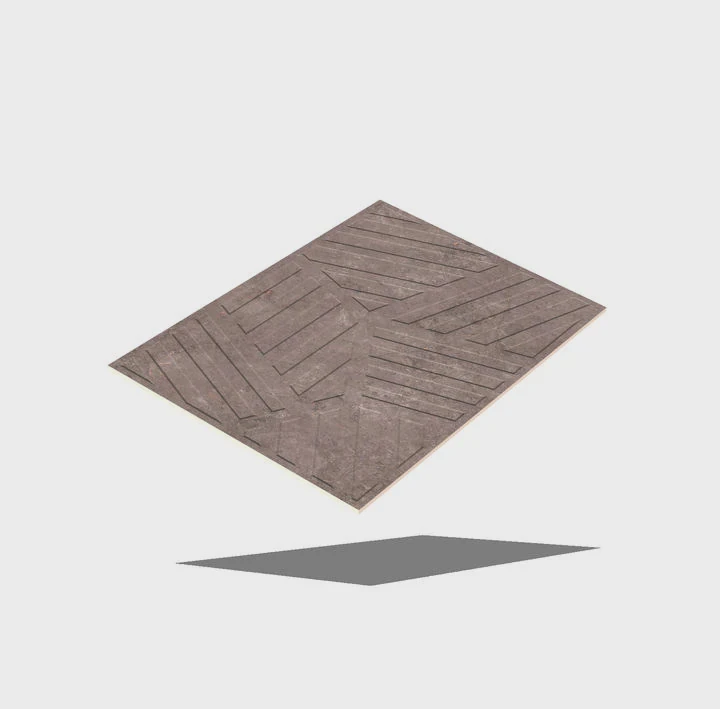
Not every wall or floor supports adhesive tiles equally well. Some surfaces create excellent bonding, while others increase the risk of peeling.
Smooth, clean, dry, and non-porous surfaces work best for peel and stick tiles. Painted drywall, glass, smooth ceramic, metal, and sealed plywood usually provide strong adhesive performance.
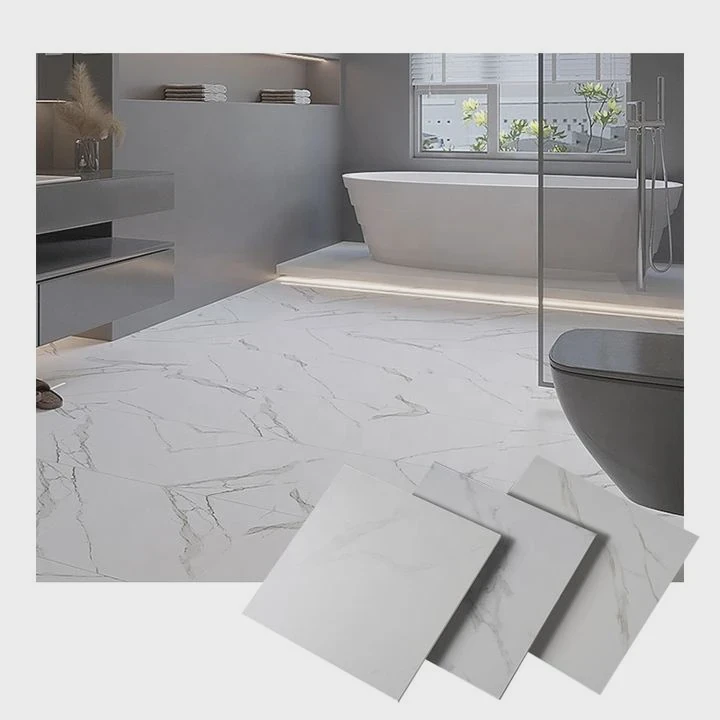
Surface compatibility is one of the most important parts of successful installation. Even premium adhesive tiles can fail on the wrong material.
Ideal Wall Surfaces
Smooth painted drywall is one of the most common installation areas. Flat paint often performs better than glossy paint because the adhesive can grip more effectively.
Glass and metal also provide strong adhesion because they are smooth and stable.
Best Floor Surfaces
For flooring, sealed concrete, vinyl, smooth ceramic, and flat plywood often work well.
The key factor is stability. Flexible or moving floors may eventually loosen the adhesive.
Surfaces That Create Problems
Certain materials increase installation risks significantly.
Difficult Surfaces for Adhesive Tiles
| Surface Type | Risk Level | Main Problem |
|---|---|---|
| Textured drywall | High | Uneven contact |
| Brick | High | Rough surface |
| Raw concrete | Medium | Dust and porosity |
| Wallpaper | High | Weak attachment |
| Damp surfaces | Very High | Adhesive failure |
| Uneven tile floors | Medium | Visible grout lines |
Many homeowners attempt to install adhesive tiles directly over textured walls. This often creates gaps behind the tile surface.
Existing Tiles Can Sometimes Work
Old ceramic tiles may still support peel and stick products if the surface remains flat and clean.
However, deep grout lines may show through thinner tiles. In those cases, grout filler or underlayment may improve the final appearance.
Commercial Projects Often Require Surface Testing
In commercial buildings, installers sometimes test adhesive performance on-site before full installation.
This process helps evaluate:
- Humidity exposure
- Surface texture
- Heat conditions
- Long-term grip strength
Large wall panels and oversized decorative tiles may need stronger adhesive systems compared with smaller backsplash tiles.
Surface Movement Matters
Walls near heating systems or floors exposed to direct sunlight may expand and contract more often. Constant movement can slowly weaken adhesive bonds over time.
That is why stable indoor environments usually deliver the best results.
Choosing the correct surface does more than improve appearance. It also protects the investment and reduces future maintenance problems.
Can Repositioning Affect Adhesive Strength?
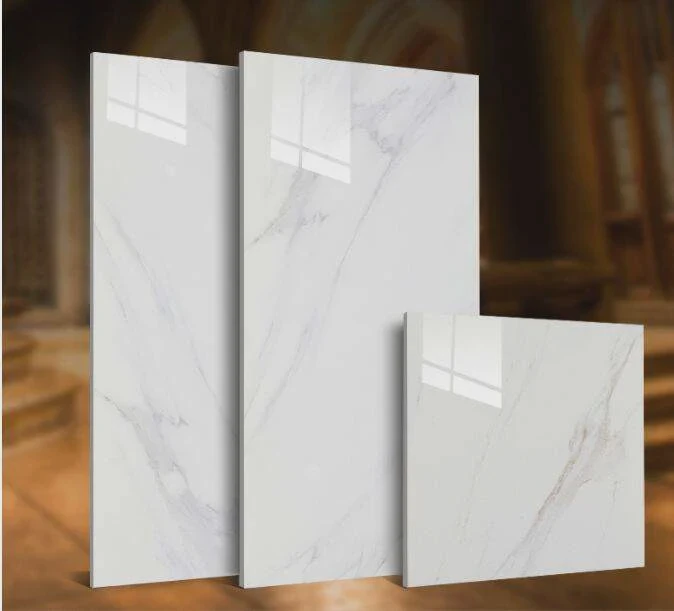
Many people reposition adhesive tiles during installation. Yet repeated lifting can weaken the adhesive layer much faster than expected.
Yes, repositioning peel and stick tiles can reduce adhesive strength because dust exposure, stretching, and adhesive contamination weaken the bonding surface after removal and reapplication.
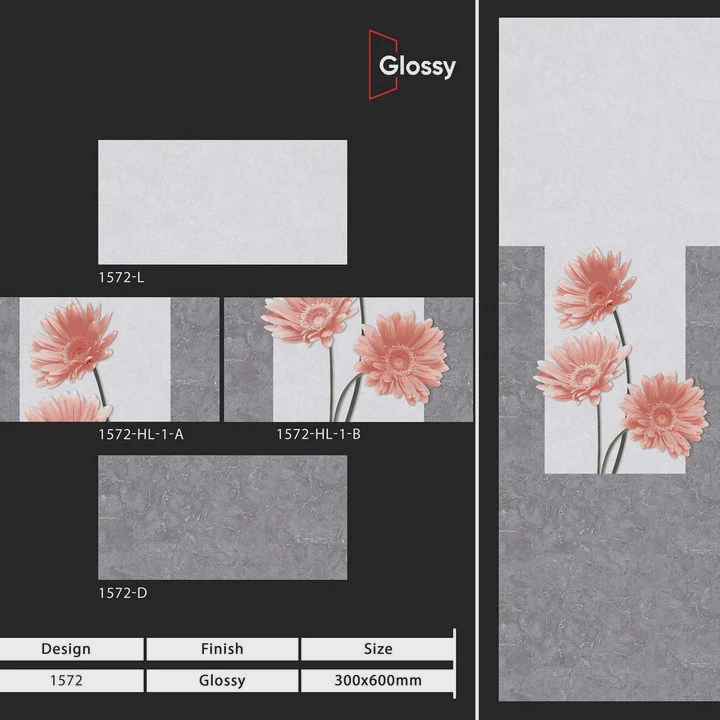
Repositioning is common during installation, especially for beginners. Small alignment corrections are usually manageable. Still, repeated adjustments can create long-term bonding problems.
Why Adhesive Weakens After Removal
The adhesive backing is designed for direct contact with a clean surface. Once removed, the adhesive may collect dust or fibers from the air.
Each removal slightly reduces bonding power.
Some thin adhesive layers may also stretch during lifting. This creates uneven pressure when reapplied.
Minor Adjustments vs Repeated Repositioning
One careful adjustment may not cause serious issues. Repeated repositioning creates a much higher risk of edge lifting later.
Repositioning Impact Comparison
| Number of Repositions | Possible Effect |
|---|---|
| 1 time | Usually acceptable |
| 2-3 times | Reduced bonding strength |
| 4+ times | Higher peeling risk |
| Frequent adjustments | Adhesive contamination |
That is why accurate alignment before full contact matters.
Better Positioning Methods
Professional installers often avoid full adhesive exposure at the beginning.
Instead, they:
- Peel back only a small section
- Align carefully
- Press gradually
- Remove remaining backing slowly
This method reduces installation mistakes and limits repositioning.
Environmental Exposure Also Matters
When a removed tile stays exposed for too long, airborne dust and humidity can affect adhesive quality.
Warm environments may soften the adhesive, while cold temperatures may make it brittle.
Some Premium Tiles Handle Repositioning Better
Higher-end adhesive tiles sometimes include stronger pressure-sensitive adhesives. These products may tolerate limited repositioning better than budget options.
Still, no adhesive system performs best after repeated lifting.
When Replacement Is Better Than Reuse
If a tile becomes dirty, bent, or loses tackiness after removal, replacement is often safer than reinstalling it.
In commercial or hospitality projects, installers usually replace damaged adhesive tiles immediately because appearance consistency matters.
Planning Reduces Mistakes
Simple planning before installation helps reduce repositioning problems:
- Dry-fit tiles first
- Mark layout lines
- Check measurements twice
- Start from visible center areas
Small preparation steps often prevent expensive corrections later.
Peel and stick tiles offer fast installation and attractive design flexibility. Yet long-term performance still depends on careful handling during every stage of the process.
Conclusion
Peel and stick tiles can create a clean and modern finish when installed correctly. Proper preparation, careful surface selection, strong pressure, and limited repositioning all help improve durability and long-term adhesive performance.