How to Install Subway Tile in a Shower?
- Sinotiles
- 2026-05-11
Installing subway tile in a shower can feel hard at first. Many people worry about uneven tiles, water leaks, or poor finishing. Small mistakes can later lead to mold, cracked grout, or expensive repairs.
The best way to install subway tile in a shower is to prepare the wall correctly, waterproof all wet areas, choose the right tile layout, and apply grout only after the adhesive fully cures. Proper planning helps create a clean, durable, and professional-looking shower wall.
Many homeowners and contractors focus only on the tile design. Yet the real success of a shower project often depends on the hidden steps behind the tiles. Good preparation, waterproofing, layout planning, and grout timing all work together. Each stage affects the final look and long-term durability of the shower. The following guide explains every important step in simple detail.
What Preparation Is Needed for Shower Tiling?
Poor preparation is one of the main reasons shower tile projects fail. Uneven walls, weak backing boards, or dirty surfaces can cause tiles to loosen or crack later.
Before installing subway tile in a shower, the wall must be clean, flat, dry, and covered with a suitable tile backer board. Proper measurements, layout planning, and material preparation also help prevent costly mistakes during installation.
Check the Wall Structure
The first step is checking the shower wall itself. Many old bathrooms have damaged drywall or uneven framing. Tile should never be installed directly on regular drywall in wet areas.
Cement board or waterproof tile backer board works much better because these materials resist moisture. The wall should feel solid with no movement. Any loose screws or damaged sections should be repaired before tiling starts.
A long level helps identify uneven areas. Even small dips can make subway tiles look crooked because their straight lines easily show imperfections.
Gather the Right Materials
Many installation problems happen because installers stop midway to buy missing tools or materials. Preparing everything in advance saves time and reduces stress.
Here is a simple preparation checklist:
| Material | Purpose |
|---|---|
| Cement backer board | Creates stable tile surface |
| Thin-set mortar | Bonds tiles to wall |
| Tile spacers | Keeps grout lines even |
| Waterproof membrane | Protects wet areas |
| Tile cutter | Cuts subway tiles accurately |
| Level | Keeps tile rows straight |
| Notched trowel | Spreads adhesive evenly |
Good preparation also includes checking tile quantities. Extra tiles are important because some cuts or breakage are normal during installation.
Plan the Tile Layout
Subway tiles look simple, but layout planning matters a lot. A poorly centered layout can leave thin tile strips at the corners, which often looks unbalanced.
Many installers start from the center of the wall and work outward. This keeps cuts more even on both sides. Dry laying a few rows before applying adhesive helps visualize the final appearance.
Prepare the Shower Surface Carefully
Dust, grease, and moisture can weaken tile adhesion. Every surface should be cleaned before applying waterproofing or mortar.
The shower niche, corners, plumbing openings, and edges need extra attention because these areas often create problems later.
Common Preparation Mistakes
Skipping Surface Leveling
Subway tiles have long straight edges. Uneven walls become very noticeable once installation begins.
Using Wrong Adhesive
Some adhesives are not suitable for wet environments. Thin-set mortar designed for showers provides better durability.
Ignoring Expansion Gaps
Corners and movement joints need small expansion gaps. Without them, grout cracking may happen over time.
Why Preparation Matters for Long-Term Performance
A shower experiences constant temperature changes, steam, and water exposure. The tiles themselves are only part of the system. The wall structure behind them matters just as much.
Many experienced contractors spend more time preparing the surface than installing the actual tile. That extra effort often determines whether the shower lasts five years or twenty years.
Subway tiles are popular because they fit many styles, from modern bathrooms to classic hotel projects. Yet even premium tiles cannot hide poor installation conditions. Careful preparation protects both the appearance and the durability of the entire shower space.
How Do You Ensure Waterproofing in Wet Areas?
Water damage is one of the biggest risks in any tiled shower. Many people believe tiles alone stop water, but moisture can still pass through grout lines and small gaps.
Proper waterproofing requires a waterproof membrane, sealed joints, protected corners, and careful treatment around plumbing areas. The waterproof layer behind the tile is what truly protects the shower structure from moisture damage.
Why Waterproofing Matters
Tiles and grout are not completely waterproof. Over time, water can slowly move behind the surface. Without protection, moisture can damage wood framing, insulation, and nearby walls.
In commercial projects, waterproof failure can become very expensive because repairs often require removing the entire tiled area.
Types of Waterproofing Systems
Several waterproofing systems work well for subway tile showers.
| Waterproofing Type | Main Benefit |
|---|---|
| Liquid waterproof membrane | Easy application |
| Sheet membrane | Strong water barrier |
| Foam backer board | Built-in waterproofing |
| Waterproof tape | Seals joints and corners |
Each system has advantages depending on the project size and installation method.
Waterproof the Entire Wet Area
Some people only waterproof the direct shower spray zone. This approach creates risks because moisture can travel further than expected.
The safest method covers all shower walls, corners, niches, benches, and curb areas.
Pay Attention to Corners and Seams
Corners are common leak points. Waterproof tape or membrane strips help reinforce these weak areas.
Every joint between boards should be sealed carefully. Even tiny openings can eventually allow moisture penetration.
Plumbing Penetrations Need Extra Protection
Shower valves, pipe openings, and shower heads create difficult waterproofing areas. Rubber gaskets or sealant help protect these spots.
Many water leaks begin around plumbing because installers rush this stage.
Allow Proper Drying Time
Waterproof membranes need full curing time before tiling starts. Some installers rush ahead too early, which weakens the waterproof layer.
Manufacturer instructions should always be followed carefully.
Common Waterproofing Mistakes
Waterproofing Only the Floor
Walls also receive heavy water exposure. Full wall protection is important in showers.
Ignoring Small Gaps
Tiny holes near pipes or corners may seem harmless but can later cause hidden leaks.
Using Incompatible Products
Different brands may not always work together properly. Matching systems often provide safer results.
Waterproofing and Long-Term Durability
In many hotel and apartment projects, waterproofing failures create the largest repair costs. The visible tile may still look beautiful while hidden water damage grows behind the wall.
A reliable waterproof system protects the investment for many years. It also reduces future maintenance problems for homeowners, builders, and property managers.
Modern subway tile showers combine style and performance. Yet behind every attractive shower wall is a carefully built waterproof structure that most people never see.
Which Patterns Work Best for Subway Tiles?
Many people choose subway tiles because they look clean and timeless. Yet the tile pattern can completely change the final appearance of the shower.
The best subway tile patterns for showers include classic brick layout, vertical stack, horizontal stack, and herringbone designs. The ideal choice depends on bathroom size, lighting, design style, and visual balance.
The Classic Brick Pattern
The traditional brick pattern remains one of the most popular subway tile layouts. Each row offsets by half a tile, similar to brick walls.
This pattern works well because it hides slight wall imperfections and creates a balanced visual flow.
Vertical Stack Pattern
Vertical stacking gives showers a modern and taller appearance. Straight vertical lines can make small bathrooms feel higher.
Many luxury hotels now use vertical subway tile layouts because they create a clean contemporary style.
Horizontal Stack Pattern
Horizontal stacking creates a very simple and organized appearance. This layout works especially well with large-format subway tiles.
However, wall preparation must be very accurate because uneven lines become more visible.
Herringbone Pattern
Herringbone layouts create more movement and visual texture. They often become a focal point inside shower niches or feature walls.
This pattern usually requires more cutting and installation time.
Comparing Popular Subway Tile Patterns
| Pattern | Best For | Visual Effect |
|---|---|---|
| Brick pattern | Traditional bathrooms | Timeless look |
| Vertical stack | Small showers | Makes walls taller |
| Horizontal stack | Modern spaces | Clean and simple |
| Herringbone | Accent areas | Decorative movement |
Consider Tile Size and Grout Color
Pattern appearance also changes based on grout selection. Contrasting grout highlights the layout more strongly, while matching grout creates a softer appearance.
Larger subway tiles often create a more modern style, while smaller sizes feel more classic.
Layout Planning Helps Reduce Waste
Complex patterns usually create more tile cuts and waste. Planning ahead helps estimate material needs more accurately.
Dry layout testing before installation also helps avoid awkward cuts near corners or ceilings.
Popular Design Trends
Many recent shower designs combine multiple subway tile layouts in one space. For example:
- Brick pattern on main walls
- Vertical stack inside niches
- Herringbone accent stripe
This approach adds visual interest without making the bathroom feel too busy.
Choosing the Right Pattern for Commercial Projects
For hotels, apartments, and large projects, simple layouts often reduce labor costs and installation time.
For luxury residential spaces, decorative layouts may help create a stronger design impact.
The best subway tile pattern depends on both practical and visual goals. A good layout should look attractive while also supporting easier installation and long-term maintenance.
When Should Grout Be Applied After Installation?
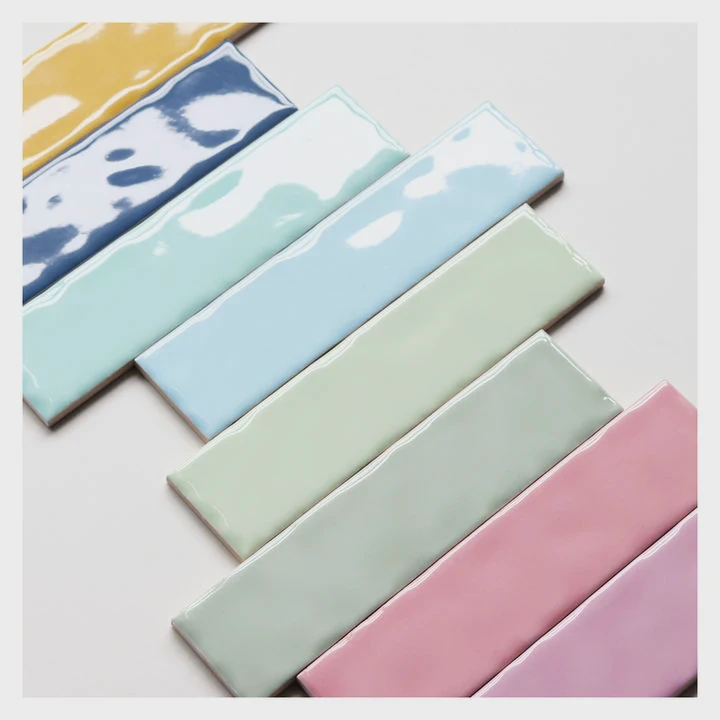
Many tile problems happen because grout is applied too early. Rushing this step can weaken tile adhesion and create future cracking.
Grout should usually be applied 24 to 48 hours after subway tile installation, once the thin-set mortar fully cures. Proper curing time allows the tiles to bond securely and prevents movement during grouting.
Why Waiting Matters
Thin-set mortar needs time to harden properly. If grout is added too early, trapped moisture can weaken the bond between the tile and wall.
Tiles may shift slightly during grouting pressure if the adhesive has not cured completely.
Factors That Affect Drying Time
Several conditions affect how long installers should wait before grouting.
| Condition | Effect on Drying |
|---|---|
| Humid weather | Slower curing |
| Large tile size | Longer drying |
| Thick mortar layer | Longer curing |
| Good ventilation | Faster drying |
Manufacturer recommendations should always guide final timing decisions.
Check Tile Stability Before Grouting
Before applying grout, each tile should feel firmly attached. Any loose tile should be fixed immediately before continuing.
Corners, edges, and plumbing cutouts deserve extra inspection.
Choose the Right Grout Type
Different grout products suit different shower conditions.
Sanded Grout
Works better for wider grout joints.
Unsanded Grout
Better for narrow subway tile joints.
Epoxy Grout
Provides stronger stain and moisture resistance but requires more careful installation.
Apply Grout Correctly
A rubber float helps press grout evenly into all joints. Excess grout should be cleaned before it fully hardens.
Many beginners wait too long during cleanup, making haze removal more difficult later.
Allow Grout to Cure Properly
Even after installation, grout still needs curing time before shower use.
Most showers should remain dry for at least 48 to 72 hours after grouting.
Sealing the Grout
Some grout products need sealing for extra stain and moisture resistance. Sealing helps extend the shower’s lifespan and simplifies cleaning.
Common Grouting Mistakes
Grouting Too Early
This is one of the most common installation errors.
Using Too Much Water During Cleanup
Excess water can weaken grout strength and change color consistency.
Skipping Expansion Joints
Corners and movement areas should use flexible sealant instead of rigid grout.
Final Appearance Depends on Proper Timing
Grouting seems like the final easy step, but it strongly affects the shower’s appearance and durability. Clean grout lines help subway tiles look professional and balanced.
Many experienced installers say patience matters most during this stage. Waiting for proper curing time often prevents future repairs and customer complaints.
Conclusion
Installing subway tile in a shower requires careful preparation, strong waterproofing, smart layout planning, and proper grout timing. Each step supports the next one. When the process is done correctly, subway tiles can create a durable and timeless shower space that performs well for many years.