How to Build Tile Shower Base?
- Sinotiles
- 2026-05-21
A tile shower can look beautiful for many years. Still, many shower failures start below the surface because the shower base was built incorrectly from the beginning.
Building a durable tile shower base requires proper materials, correct floor slope, reliable waterproofing, and careful installation steps. A strong shower base prevents water leaks, protects the structure, and supports long-term tile performance.
Many homeowners focus only on tile style and grout color during bathroom projects. Yet the shower base is the most important part of the entire system. If the base fails, the tiles above it will eventually fail as well.
What Materials Are Required for a Shower Base?
Many shower problems happen because low-quality or incompatible materials were used during installation. A strong tile shower base depends on every layer working together properly.
The main materials required for a tile shower base include a shower drain, mortar bed, waterproof membrane, cement board, thin-set mortar, tile, grout, and sealing materials. Each material supports waterproofing, drainage, and structural durability.
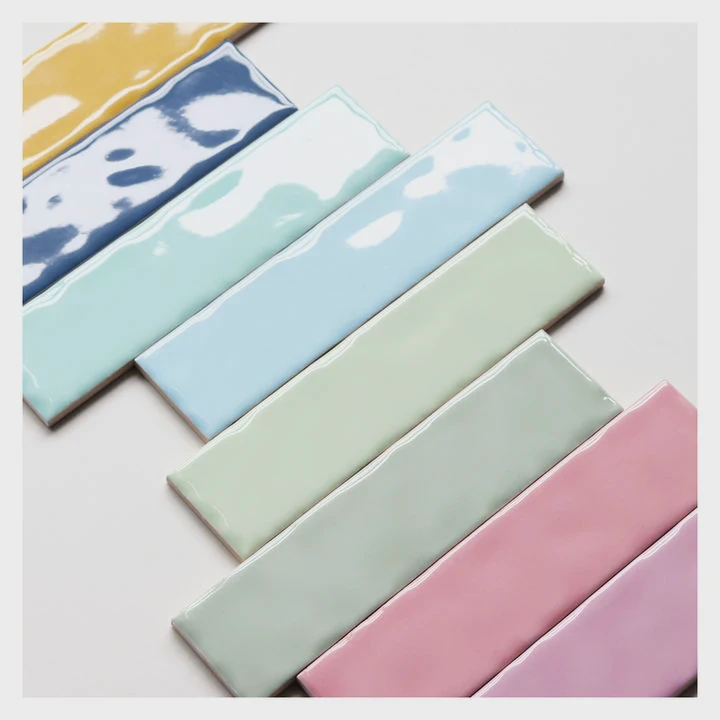
A shower base is not only a tile surface. It is a layered system designed to control water movement safely. Missing one important layer can lead to leaks, mold, cracked tiles, or structural damage later.
Basic Shower Base Structure
Most traditional tile shower bases include several layers:
- Subfloor
- Pre-slope mortar bed
- Waterproof liner or membrane
- Final mortar layer
- Tile adhesive
- Tile surface
- Grout and sealant
Every layer has a specific purpose.
Shower Drain System
The drain is one of the most critical parts of the entire installation. Water must move quickly toward the drain without collecting under the tile surface.
Modern shower drains often include:
- PVC or ABS drain body
- Clamping drain ring
- Linear drain options
- Stainless steel covers
Linear drains have become more popular in luxury and hotel bathrooms because they support larger tile layouts and modern designs.
Mortar Bed Materials
The mortar bed forms the shape and support of the shower floor.
A typical mortar mix includes:
- Sand
- Portland cement
- Water
The mixture must stay firm while still allowing proper drainage.
Waterproof Membranes
Waterproofing systems vary depending on the project type.
Common waterproofing materials include:
| Waterproofing Type | Main Feature | Common Use |
|---|---|---|
| PVC liner | Traditional system | Residential showers |
| Liquid membrane | Brush or roll application | Renovations |
| Sheet membrane | Full waterproof coverage | Premium projects |
| Foam shower tray | Lightweight and fast | Modern bathrooms |
Many modern projects now use sheet membrane systems because installation becomes cleaner and more reliable.
Cement Board vs Drywall
Regular drywall should never be used inside wet shower areas.
Cement boards resist moisture much better and provide stronger tile support.
Tile and Grout Selection
Porcelain tiles remain one of the best options for shower floors because they resist moisture and stains well.
Small-format tiles are often preferred for shower floors because they adapt more easily to floor slope angles.
Importance of Material Compatibility
Not all products work well together. Some adhesives and waterproofing systems require specific combinations recommended by manufacturers.
Large commercial bathroom projects usually follow detailed installation specifications to avoid future failures.
Choosing proper materials from the start reduces repair costs and improves long-term shower performance.
How Can Slope Be Created for Proper Drainage?
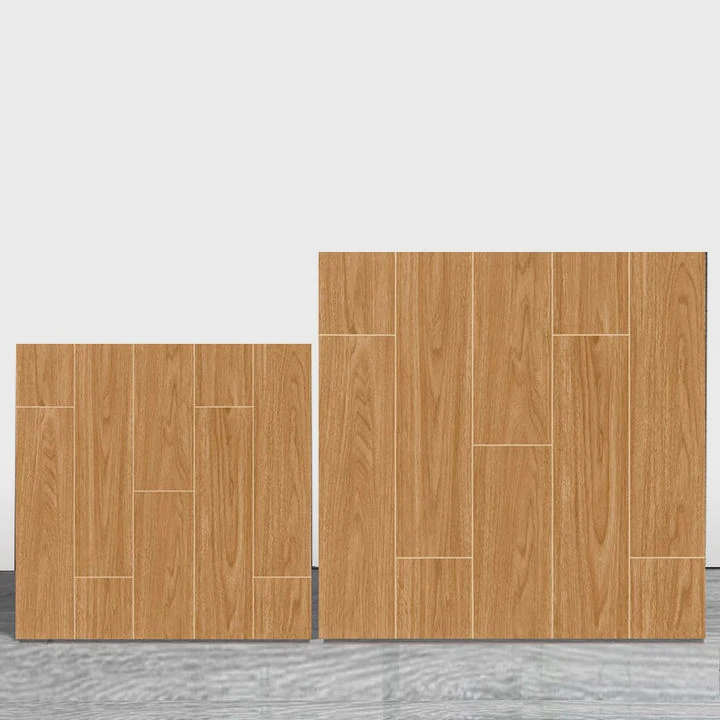
Water that does not drain correctly can damage even expensive shower installations. Poor slope design often leads to standing water, mold growth, and tile deterioration.
Proper shower floor slope is created by forming a gradual incline toward the drain using mortar beds or pre-formed shower trays. The standard slope is usually 1⁄4 inch per foot to ensure efficient drainage.
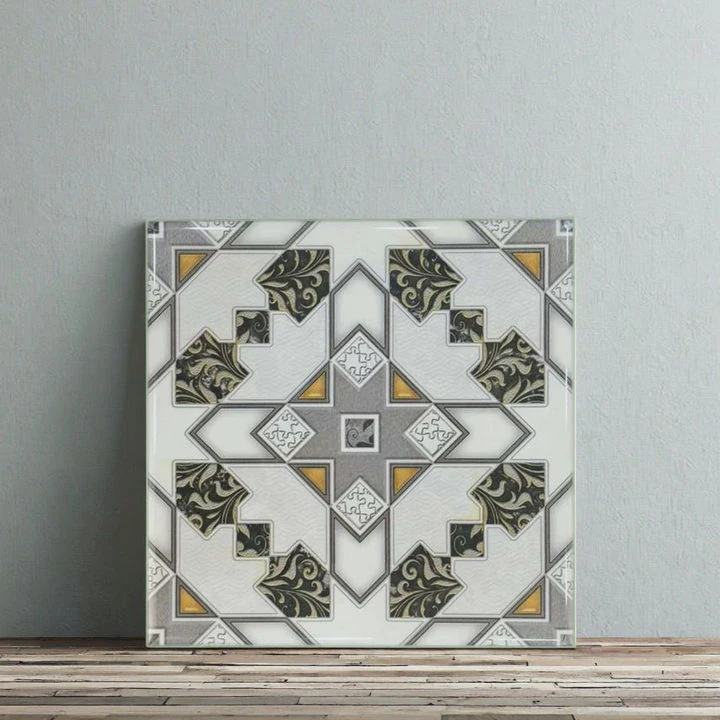
Drainage is one of the most important technical parts of shower construction. Even beautiful tile work will fail if water remains trapped on the surface or underneath the tiles.
Why Shower Slope Matters
Water naturally follows gravity. Without enough slope, water pools in corners or near walls.
Standing water can cause:
- Mold growth
- Grout discoloration
- Tile loosening
- Bad odors
- Waterproofing failure
A properly sloped shower floor moves water quickly toward the drain.
Standard Shower Slope
Most building standards recommend:
| Distance | Recommended Slope |
|---|---|
| 1 foot | 1⁄4 inch drop |
| 2 feet | 1⁄2 inch drop |
| 3 feet | 3⁄4 inch drop |
This slope is usually comfortable for walking while still draining effectively.
Pre-Slope Layer
Traditional shower systems often begin with a pre-slope layer under the waterproof liner.
This lower slope directs hidden moisture toward drain weep holes.
Without this layer, trapped water may stay under the tile system for long periods.
Mortar Bed Shaping
Installers typically use deck mud mortar to shape the slope manually.
The process usually includes:
- Marking wall height levels
- Setting drain height
- Filling mortar evenly
- Smoothing slope lines
- Checking drainage angles
Proper leveling tools are extremely important during this stage.
Pre-Formed Shower Trays
Many modern bathrooms now use foam shower trays with built-in slope.
These systems help reduce installation time and improve consistency.
Advantages include:
- Faster installation
- Lightweight structure
- Factory-made slope accuracy
- Good waterproofing compatibility
Still, custom shower sizes may still require traditional mortar shaping.
Tile Size and Slope Performance
Large tiles can become difficult to install on heavily sloped surfaces.
Small mosaic tiles often work better because they follow slope transitions more naturally.
This is one reason many shower floors use mosaic porcelain tiles instead of large slabs.
Common Slope Mistakes
Several installation mistakes can create drainage problems:
| Installation Error | Result |
|---|---|
| Flat floor areas | Water pooling |
| Uneven mortar | Tile lippage |
| Incorrect drain height | Slow drainage |
| Sharp slope angles | Uncomfortable walking |
Professional installers usually perform water flow testing before final tile installation.
A properly sloped shower floor improves comfort, hygiene, and long-term durability while reducing future maintenance problems.
Why Is Waterproofing Essential for Shower Bases?
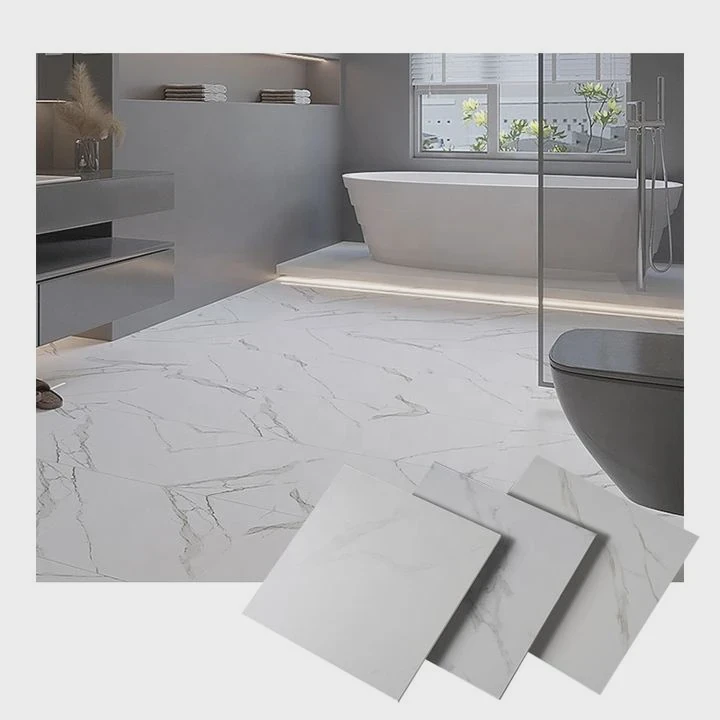
Tile and grout alone cannot fully stop water penetration. Many people believe tiled surfaces are waterproof, but moisture can slowly move through grout joints and tiny cracks.
Waterproofing is essential for shower bases because it prevents leaks, protects subfloors and walls, reduces mold growth, and extends the lifespan of the entire bathroom installation.
In many repair projects, the visible tile damage is only a small part of the real problem. Water hidden beneath the surface can damage wood framing, insulation, ceilings, and nearby rooms.
Tile Is Not Fully Waterproof
Porcelain tile absorbs very little water, but grout lines and installation joints still allow moisture movement.
Over time, small amounts of water can enter beneath the surface.
This is why a hidden waterproof layer is necessary.
Areas Most Vulnerable to Leaks
The highest-risk areas include:
- Drain connections
- Floor-to-wall corners
- Bench seating
- Niches and shelves
- Pipe penetrations
These areas require extra sealing attention.
Common Waterproofing Systems
Several waterproofing approaches are commonly used today.
| Waterproofing Method | Main Advantage |
|---|---|
| PVC liner | Cost-effective |
| Liquid membrane | Flexible application |
| Sheet membrane | Reliable coverage |
| Foam panel systems | Fast installation |
Modern sheet membrane systems have become increasingly popular because seams are easier to control.
Waterproofing Process Overview
A typical waterproofing process includes:
- Preparing clean substrate
- Installing membrane system
- Sealing joints and corners
- Waterproofing around drain
- Performing flood test
- Installing tile after curing
Skipping flood testing increases the risk of hidden leaks later.
Mold Prevention
Poor waterproofing creates ideal conditions for mold growth.
Bathrooms naturally contain high humidity levels. Trapped moisture behind walls can become a serious health and maintenance issue.
Good waterproofing helps maintain cleaner indoor environments.
Commercial and Hotel Standards
Hotels and large residential developments often require strict waterproof testing before project approval.
Repairing shower leaks after installation is expensive and disruptive.
This is why experienced contractors place heavy focus on waterproofing quality.
Long-Term Cost Savings
Proper waterproofing increases upfront installation cost slightly, but it reduces major repair expenses later.
A failed shower base may require:
- Tile removal
- Wall reconstruction
- Mold treatment
- Plumbing repairs
- Structural replacement
Preventing these problems is far less expensive than repairing them.
Reliable waterproofing protects both appearance and structural safety. It is one of the most important investments in any shower installation.
Which Steps Ensure a Durable Tile Shower Base?
Many shower bases look good immediately after installation. Still, durability depends on careful preparation and correct installation methods behind the finished surface.
A durable tile shower base requires proper planning, stable subfloor preparation, correct slope formation, reliable waterproofing, quality tile installation, grout sealing, and regular maintenance. Every step contributes to long-term structural performance.
A durable shower is built layer by layer. Small mistakes during early stages often create expensive problems years later.
Start With a Strong Subfloor
The subfloor must remain solid and level before any waterproofing begins.
Weak or flexible flooring may cause:
- Cracked grout
- Loose tiles
- Waterproofing failure
- Drain movement
Wood framing should also meet structural load requirements.
Plan Drain Position Carefully
Drain placement affects both slope performance and tile layout.
Center drains are common in traditional showers, while linear drains support modern large-format tile designs.
Good drain planning also improves visual symmetry.
Use Quality Waterproofing Products
Waterproofing systems should follow manufacturer guidelines carefully.
Mixing incompatible products may weaken the installation.
Professional installers often use complete systems from one manufacturer to reduce risk.
Install Tile Properly
Correct tile installation includes:
- Proper thin-set coverage
- Correct spacing
- Smooth slope transitions
- Expansion joints where needed
Poor tile bonding may create hollow spots or loose tiles later.
Select Suitable Shower Floor Tiles
Shower floor tiles should provide slip resistance and good drainage support.
Many installers recommend:
| Tile Type | Suitability for Shower Floor |
|---|---|
| Mosaic porcelain tile | Excellent |
| Matte porcelain tile | Very good |
| Polished tile | Moderate |
| Natural stone mosaic | Good with sealing |
Slip resistance becomes especially important in hotels, elderly housing, and family bathrooms.
Seal Grout and Joints
Even high-quality grout benefits from sealing protection.
Flexible silicone sealant should also be applied at movement joints and corners.
This helps absorb small structural movements over time.
Perform Final Testing
Before regular use, installers should verify:
- Drain flow speed
- Waterproof integrity
- Tile adhesion
- Grout consistency
- Surface leveling
Water testing helps identify hidden problems before project completion.
Maintenance Extends Lifespan
A durable shower base still requires ongoing care.
Recommended maintenance includes:
- Cleaning soap buildup
- Checking grout condition
- Replacing damaged sealant
- Improving bathroom ventilation
Good ventilation reduces moisture accumulation and mold risk.
In many commercial projects, long-term maintenance planning now begins during the material selection stage. Builders increasingly prefer porcelain tiles and advanced waterproof systems because they reduce maintenance and improve durability over time.
A properly built shower base can remain strong and attractive for decades when every installation step is handled carefully.
Conclusion
Building a durable tile shower base requires proper materials, accurate slope design, strong waterproofing, and careful installation. Every layer plays an important role in preventing leaks, improving drainage, and protecting long-term tile performance in residential and commercial bathrooms.