How to Cut Large Format Tile?
- Sinotiles
- 2026-05-15

Large format tiles look beautiful, but many installers struggle with cracks, rough edges, and wasted material during cutting. One wrong move can ruin an expensive tile and delay the whole project.
The best way to cut large format tile is to use the right tools, apply steady cutting pressure, support the tile correctly, and choose cutting methods that reduce vibration and stress on the surface.
Large tiles are now common in modern homes, hotels, shopping malls, and commercial projects. Sizes like 600×1200mm, 750×1500mm, and 900×1800mm are popular because they create a clean and open look. Still, cutting these tiles is very different from cutting standard ceramic tiles. Large slabs are heavier, more fragile, and harder to control. Over the years, many contractors and importers have asked the same question: how can large format tiles be cut safely and cleanly without waste? The answer depends on preparation, tools, and technique.
What Tools Are Needed for Cutting Large Tiles?
Many tile installers buy expensive large format tiles but still use old cutting tools designed for smaller tiles. This often leads to chipped edges, broken corners, and uneven cuts that damage the final result.
Large format tiles need specialized tools such as manual tile cutters, wet saws, diamond blades, suction cups, guide rails, and support tables to achieve clean and accurate cuts.

Large format tiles require more than basic tile tools. The size and weight of the tile change the entire cutting process. A small mistake becomes more visible because the tile surface is larger and more exposed.
Essential Tools for Large Tile Cutting
Here are the most common tools used by professional installers:
| Tool | Main Purpose | Why It Matters |
|---|---|---|
| Manual tile cutter | Straight scoring cuts | Fast and clean for simple cuts |
| Wet saw | Precision cutting | Reduces dust and overheating |
| Diamond blade | Smooth cutting edge | Prevents chipping |
| Suction cups | Tile handling | Improves safety and control |
| Cutting table | Tile support | Prevents bending and cracking |
| Guide rail system | Straight cuts | Keeps accuracy consistent |
Why Tool Quality Matters
Cheap cutting tools often create vibration. Vibration is dangerous for large porcelain slabs because the pressure spreads across a bigger surface area. Even a tiny movement can create stress lines inside the tile.
Professional installers usually invest in heavy-duty rail cutters because they allow long and stable scoring. This becomes very important when working with 1200mm or 1800mm porcelain slabs.
Manual Cutters vs Wet Saws
Both tools are useful, but they work differently.
Manual Tile Cutters
Manual cutters are faster for straight cuts. They are also cleaner because they do not create water spray. However, they only work well if:
- The scoring wheel is sharp
- The rail stays stable
- The pressure remains even
- The tile surface is supported
Manual cutters are commonly used for polished porcelain and glazed tiles.
Wet Saws
Wet saws are better for:
- Thick porcelain tiles
- Curved cuts
- Corner trimming
- Detailed fabrication
- Miter edges
The water cools the blade and lowers friction. This helps prevent overheating and edge damage.
Extra Accessories That Improve Results
Some accessories are often ignored, but they make a big difference.
Tile Leveling Systems
These systems help maintain alignment after cutting and installation.
Rubber Support Mats
Soft support under the tile lowers stress during cutting.
Measuring Systems
Laser guides and angle rulers improve consistency on large projects.
Common Mistakes When Choosing Tools
Many new installers make these mistakes:
- Using small cutters for oversized tiles
- Using worn diamond blades
- Cutting without full tile support
- Applying too much force
- Ignoring blade quality
In many commercial projects, tool choice directly affects labor cost and material waste. A clean cut saves time during installation and reduces replacement costs. This is especially important for distributors and contractors handling large-volume orders.
How Can You Prevent Cracks When Cutting Tiles?
Tile cracks are one of the biggest problems during installation. Large format porcelain tiles are strong after installation, but during cutting they can break easily if pressure is uneven or support is poor.
To prevent cracks when cutting tiles, installers should fully support the tile, use sharp blades, apply even pressure, and avoid sudden movements during scoring or cutting.
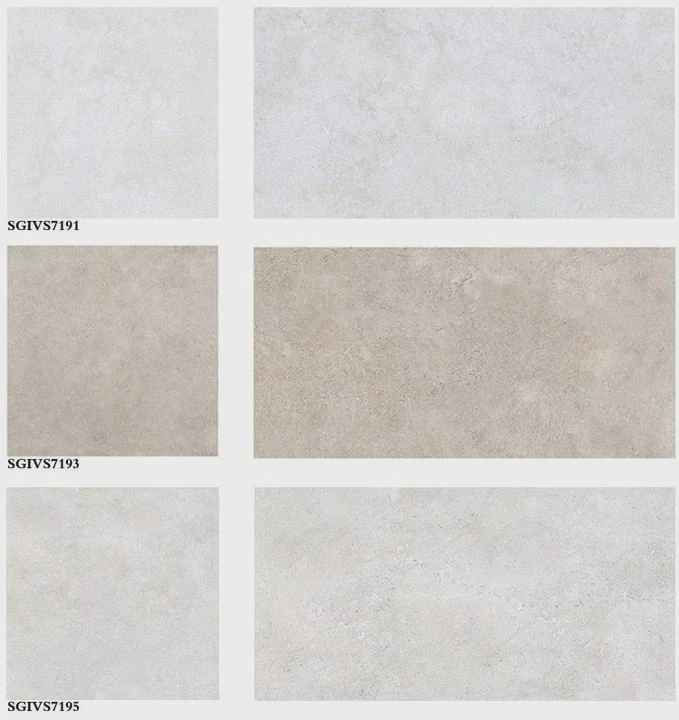
Large tiles behave differently from smaller ceramic tiles. The longer the tile becomes, the more stress spreads across the body during cutting. This means even experienced installers must adjust their methods.
The Main Causes of Tile Cracks
Most tile cracks happen because of stress concentration.
Here are the most common reasons:
| Cause | Result |
|---|---|
| Uneven support | Tile bends and snaps |
| Dull blade | Excessive vibration |
| Fast cutting speed | Edge chipping |
| Uneven scoring pressure | Irregular break line |
| Poor handling | Corner fractures |
Proper Tile Support Is Critical
One of the biggest lessons learned from large slab projects is simple: unsupported areas create weak points.
A large tile should never hang freely during cutting. Even a small unsupported corner can create pressure imbalance.
How Professionals Support Large Tiles
Professional workshops often use:
- Full cutting tables
- Foam support boards
- Aluminum frame systems
- Multiple support rollers
These systems keep the tile stable during the entire process.
Why Blade Sharpness Matters
A dull blade creates friction instead of cutting cleanly. Friction generates heat and vibration. Heat weakens the glaze layer while vibration creates micro-cracks.
Signs the Blade Needs Replacement
Watch for these warning signs:
- Burning smell
- Rough edges
- Slower cutting speed
- Visible chipping
- Excessive noise
Replacing the blade early often saves expensive tiles.
Cutting Speed Also Affects Cracks
Many beginners push tiles too fast through the saw. Slow and steady movement produces cleaner results.
Good Cutting Speed
- Smooth feed rate
- Constant pressure
- Stable motion
Bad Cutting Speed
- Sudden pushing
- Stopping halfway
- Jerking movement
Why Large Porcelain Tiles Need Extra Care
Porcelain tiles are dense and hard. This gives them excellent durability after installation. However, the same density makes them less forgiving during fabrication.
Some polished porcelain surfaces are also more sensitive near the edges. This means edge support becomes even more important.
Transportation Damage Can Increase Risk
Sometimes cracks begin before cutting even starts. Poor shipping methods may create hidden stress inside the tile.
This is why experienced exporters pay close attention to:
- Wooden crate strength
- Container loading
- Corner protection
- Vertical storage angle
A damaged tile often breaks during cutting even if the installer uses correct methods.
Why Use Wet Saws for Large Format Tiles?
Some installers try to cut large porcelain tiles with dry tools only. This often creates dust, overheating, rough edges, and damaged glaze surfaces.
Wet saws are ideal for large format tiles because water cools the blade, reduces dust, minimizes chipping, and produces smoother and more accurate cuts.
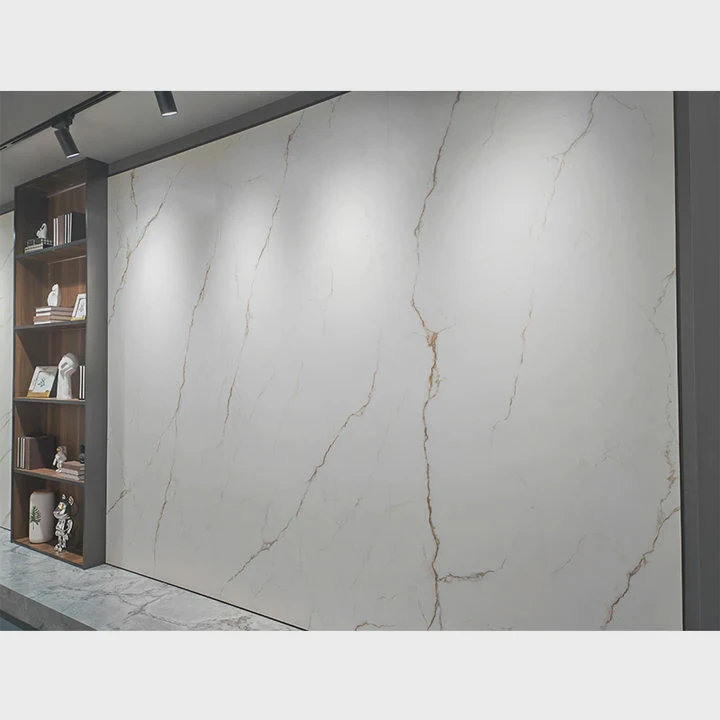
Wet saws have become one of the most important tools in modern tile installation. As tile sizes continue to grow, precision becomes more important than speed alone.
How Wet Saws Work
A wet saw uses a diamond blade combined with a continuous water flow.
The water serves several purposes:
| Wet Saw Benefit | Explanation |
|---|---|
| Blade cooling | Prevents overheating |
| Dust reduction | Improves work safety |
| Smoother cuts | Reduces friction |
| Longer blade life | Less wear on blade |
| Better precision | Cleaner cutting path |
Why Water Matters So Much
Porcelain tiles create intense friction during cutting. Without water, blade temperature rises quickly. High temperatures can damage both the blade and the tile surface.
Water acts like a cooling system and lubricant at the same time.
Cleaner Edges for Modern Design
Modern projects often use minimal grout lines. This means tile edges become more visible after installation.
A rough edge may ruin the visual effect of:
- Luxury bathrooms
- Hotel lobbies
- Shopping centers
- Modern kitchens
Wet saws help create factory-like edges that look cleaner and more professional.
Wet Saws Reduce Dust Exposure
Dry cutting porcelain creates fine silica dust. Long-term exposure can become dangerous in closed spaces.
Wet cutting greatly reduces airborne dust. Many professional contractors now prefer wet cutting because of workplace safety requirements.
Wet Saw Blade Selection Matters
Not every blade performs the same way.
Continuous Rim Blades
These blades provide smoother cuts and less chipping.
Segmented Blades
These blades cut faster but may create rougher edges.
For polished porcelain and large slabs, continuous rim blades are usually preferred.
Wet Saws Improve Complex Cuts
Large projects often require:
- Outlet openings
- Pipe holes
- Corner trimming
- Miter joints
Wet saws handle these detailed cuts more effectively than manual cutters.
Common Wet Saw Mistakes
Even good equipment can fail if used incorrectly.
Common Problems
- Insufficient water flow
- Dirty water pumps
- Wrong blade speed
- Weak cutting table
- Low-quality blades
Why Commercial Projects Depend on Wet Saws
Large commercial installations often require hundreds or thousands of square meters of tile. Material waste becomes very expensive.
Using wet saws helps contractors achieve:
- Better consistency
- Faster production
- Lower waste rates
- Better finishing quality
For large engineering projects, consistent cutting quality is often more important than cutting speed.
Which Techniques Ensure Straight Tile Cuts?
Crooked cuts create visible gaps and alignment problems during installation. Large format tiles make these mistakes even easier to notice because grout joints are usually very thin.
Straight tile cuts require accurate measuring, stable guide systems, even scoring pressure, proper blade alignment, and full tile support during cutting.
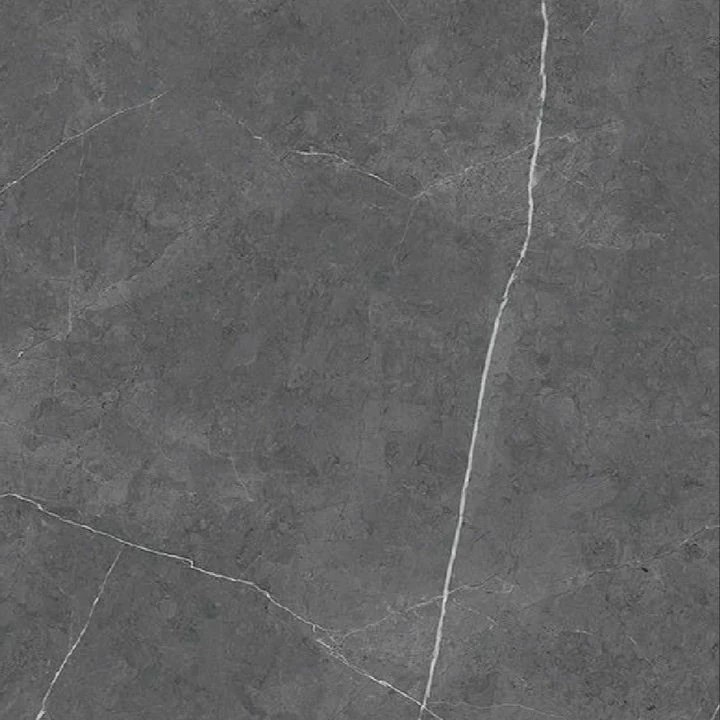
Straight cutting is one of the most important skills in tile installation. Large format porcelain tiles leave little room for mistakes because the eye easily notices uneven lines.
Accurate Measuring Comes First
A straight cut starts before the blade touches the tile.
Professional installers usually:
- Double-check measurements
- Mark both tile ends
- Use guide rails
- Confirm angle accuracy
One incorrect measurement can waste a very expensive slab.
Why Guide Rails Improve Accuracy
Guide rails keep the cutting path stable from beginning to end.
Without guide rails, long cuts often drift slightly to one side. Even a few millimeters become visible during installation.
Manual Scoring Technique Matters
When using manual cutters, the scoring step is critical.
Correct Scoring Method
- Score only once
- Apply steady pressure
- Keep wheel movement smooth
- Avoid stopping midway
Incorrect Scoring Method
- Multiple scoring passes
- Uneven pressure
- Fast movement
- Broken scoring lines
A poor score line usually leads to rough breaks.
Blade Alignment Is Important
Wet saw alignment should be checked regularly.
If the blade is not parallel to the guide fence:
- Cuts become uneven
- Edges chip more easily
- Tile binding increases
Many installers ignore saw calibration until problems appear.
Tile Positioning Affects Straightness
Large tiles should remain flat during cutting.
Best Practices
| Technique | Benefit |
|---|---|
| Full tile support | Prevents bending |
| Stable feed speed | Improves edge quality |
| Proper clamping | Reduces movement |
| Rail guides | Maintains straight lines |
Why Experience Still Matters
Even with modern tools, cutting large porcelain slabs requires practice. Pressure control, movement speed, and blade feel improve over time.
Experienced installers often develop habits like:
- Listening to blade sound
- Watching vibration patterns
- Adjusting pressure naturally
These small details help produce cleaner cuts.
Straight Cuts Affect Final Installation
Poor cutting creates problems later:
- Uneven grout joints
- Lippage issues
- Visible gaps
- Weak corners
This becomes especially important in luxury projects where visual quality matters most.
Large Tiles Require Patience
Large format tiles are less forgiving than smaller ceramic products. Rushing the process usually increases waste.
Many successful contractors focus on:
- Slow cutting speed
- Better preparation
- Cleaner workspace
- Stable support systems
This approach often produces better project results and lower material loss.
Conclusion
Cutting large format tiles requires the right tools, stable support, sharp blades, and careful technique. Clean cuts improve installation quality, reduce waste, and help large porcelain tiles achieve the modern and seamless appearance that designers and contractors expect today.