Is Tile Waterproof?
- Sinotiles
- 2026-05-15
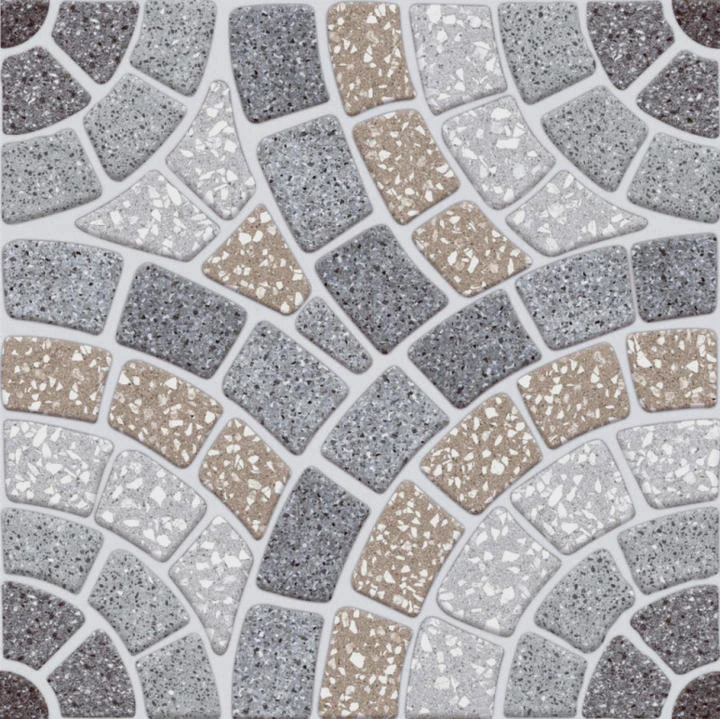
Many people believe tile alone can stop all water damage. Still, leaks, mold, and loose tiles often appear after installation because the full waterproofing system was ignored.
Most tiles are water-resistant, but tile itself is not always fully waterproof. Real waterproof protection depends on the tile type, grout, sealers, substrate preparation, and installation system.
Tile remains one of the most trusted materials for bathrooms, kitchens, swimming pools, hotels, and commercial spaces because it handles moisture better than many other surfaces. Large porcelain tiles, glazed ceramic tiles, mosaics, and stone-look products are widely used in wet areas today. Still, many buyers misunderstand the difference between water resistance and complete waterproofing. Over the years, many contractors and distributors have faced costly repairs because the wrong tile or installation method was selected for wet environments. Understanding how tile systems manage moisture is important for both residential and commercial projects.
What Types of Tile Offer Water Resistance?
Some tiles absorb very little water, while others allow moisture to pass through more easily. Choosing the wrong tile for wet areas can lead to staining, mold growth, and long-term structural problems.
Porcelain tiles, glazed ceramic tiles, vitrified tiles, and glass mosaics offer strong water resistance because they have low water absorption rates and dense surface structures.
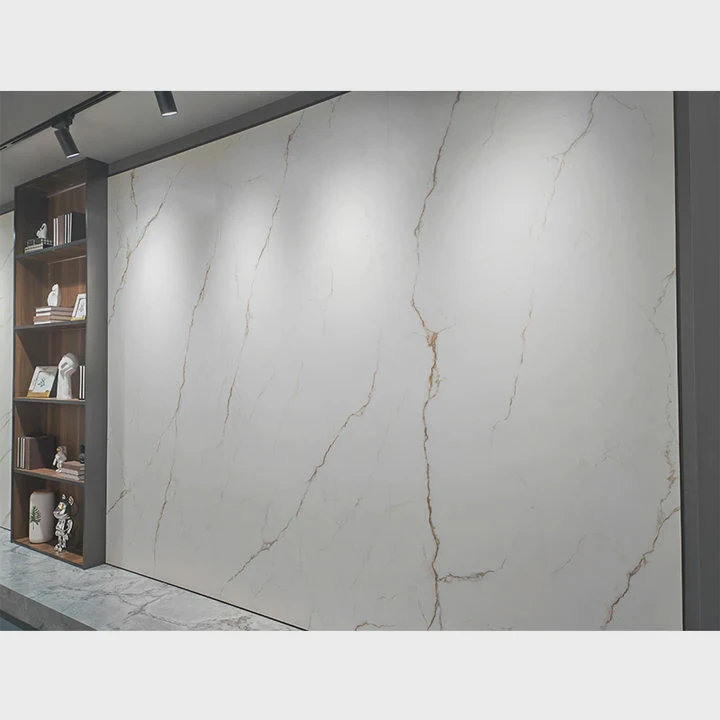
Not all tiles perform the same way in wet environments. The manufacturing process directly affects how much water the tile absorbs. Dense materials usually provide better protection against moisture.
Porcelain Tiles Offer Excellent Water Resistance
Porcelain tiles are one of the best choices for wet environments because they have very low water absorption rates.
Most porcelain tiles absorb less than 0.5% water. This makes them suitable for:
- Bathrooms
- Kitchens
- Swimming pools
- Outdoor walls
- Commercial wet areas
Large format porcelain tiles are now common in luxury hotels and modern homes because they combine water resistance with elegant design.
Why Porcelain Performs Better
Porcelain tiles are produced under very high pressure and temperature. This creates a dense body structure with fewer pores.
The dense structure helps:
| Porcelain Feature | Benefit |
|---|---|
| Low absorption | Better moisture protection |
| Dense body | Higher durability |
| Strong surface | Less cracking |
| Glazed finish | Easier cleaning |
Glazed Ceramic Tiles Also Resist Water
Glazed ceramic tiles use a protective surface coating that blocks water from entering the tile body.
These tiles work well for:
- Bathroom walls
- Kitchen backsplashes
- Indoor residential spaces
Still, ceramic tiles usually absorb more water than porcelain tiles. Because of this, they may not perform as well in heavy moisture conditions.
Glass Mosaic Tiles Resist Moisture Well
Glass mosaics naturally resist water because glass is non-porous.
These tiles are often used in:
- Swimming pools
- Spa walls
- Shower designs
- Decorative wet zones
Glass mosaics also resist stains and chemical exposure effectively.
Natural Stone Requires Extra Protection
Natural stone tiles such as marble, travertine, and limestone can absorb water more easily.
Without sealing, stone may develop:
- Dark water spots
- Mold growth
- Surface staining
- Mineral buildup
Many designers prefer natural stone for luxury projects, but regular sealing becomes very important.
Water Resistance Depends on Installation Too
Even highly water-resistant tiles can fail if installation quality is poor.
Common Installation Problems
- Hollow adhesive coverage
- Weak grout joints
- Missing waterproof membranes
- Poor drainage slope
Water often enters through gaps around the tile system rather than directly through the tile surface.
Tile Size Can Influence Moisture Protection
Large format tiles may improve water resistance indirectly because they reduce grout joint quantity.
Fewer grout lines mean:
- Less water penetration
- Easier cleaning
- Lower mold risk
- More seamless appearance
This is one reason why large porcelain slabs are growing quickly in modern bathroom and hotel projects.
How Does Grout Affect Tile Waterproofing?
Many people focus only on tile selection and forget that grout lines are one of the weakest points in a tile installation. Water often enters through grout long before the tile surface fails.
Grout affects tile waterproofing because porous or damaged grout allows water penetration, while high-quality sealed grout helps reduce moisture intrusion and protects the installation system.
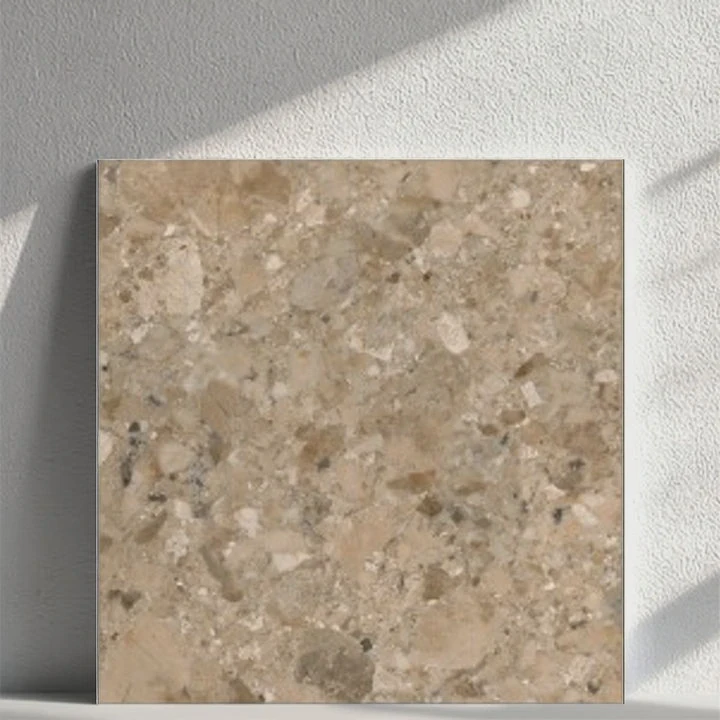
Grout fills the spaces between tiles, but it also plays a major role in moisture management. Even when porcelain tiles absorb very little water, grout joints can still allow moisture movement.
Cement Grout Is Naturally Porous
Traditional cement grout absorbs water over time.
This can lead to:
- Mold growth
- Dark grout discoloration
- Moisture buildup
- Loose tiles
Many bathroom failures begin with weak or cracked grout joints.
Why Grout Cracks Happen
Several factors can damage grout:
| Cause | Result |
|---|---|
| Building movement | Hairline cracks |
| Poor mixing | Weak strength |
| Excess water | Shrinkage |
| Improper curing | Surface damage |
Small cracks may seem harmless at first, but they can slowly allow water to enter beneath the tile.
Epoxy Grout Offers Better Waterproofing
Epoxy grout has become more popular in high-moisture environments.
Compared with cement grout, epoxy grout provides:
- Lower water absorption
- Better stain resistance
- Higher chemical resistance
- Stronger durability
This makes epoxy grout ideal for:
- Commercial kitchens
- Swimming pools
- Hotel bathrooms
- Healthcare facilities
Grout Width Also Matters
Wider grout joints create more exposed surface area for water.
Large format tiles often use narrow grout joints. This helps reduce moisture exposure and creates a cleaner visual appearance.
Proper Grout Maintenance Is Important
Even good grout requires maintenance.
Signs Grout Needs Attention
- Cracks
- Missing sections
- Dark staining
- Powdery texture
- Mold spots
Ignoring these signs may allow moisture to spread behind the tile system.
Waterproofing Membranes Work Together with Grout
Professional wet-area installations usually include waterproof membranes beneath the tile.
These membranes provide backup protection if moisture passes through grout joints.
Common Waterproof Membrane Types
- Liquid waterproof coatings
- Sheet membranes
- Cement waterproof layers
- Crack isolation membranes
The membrane often determines whether the installation survives long-term moisture exposure.
Cleaning Products Can Damage Grout
Strong acidic cleaners may slowly weaken grout joints.
Professional installers often recommend:
- Neutral pH cleaners
- Soft cleaning brushes
- Regular resealing
- Proper ventilation
Good maintenance helps extend grout life and improve moisture protection.
Why Is Sealing Important for Tile Surfaces?
Some people assume sealing is optional, but unsealed surfaces can absorb moisture, stains, and chemicals over time. This problem becomes more serious in kitchens, bathrooms, and outdoor spaces.
Sealing protects tile and grout surfaces by reducing water absorption, preventing stains, improving durability, and extending the lifespan of the installation.
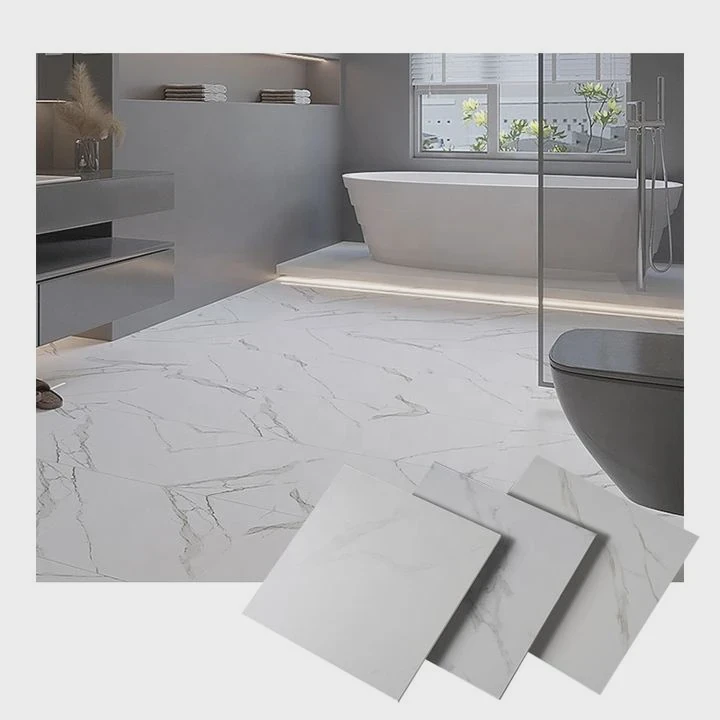
Sealers create a protective layer that helps block moisture from entering porous surfaces. While some porcelain tiles need little or no sealing, grout and natural stone usually benefit greatly from proper protection.
Which Tile Types Need Sealing?
Not every tile requires the same level of sealing.
Common Sealing Needs
| Tile Type | Sealing Requirement |
|---|---|
| Porcelain tile | Usually low |
| Glazed ceramic | Usually low |
| Natural stone | High |
| Cement tile | High |
| Grout joints | Recommended |
Natural Stone Is Especially Sensitive
Natural stone contains microscopic pores that absorb liquids easily.
Without sealing, stone surfaces may suffer from:
- Oil stains
- Soap residue
- Watermarks
- Mold growth
Luxury hotel and villa projects often include scheduled resealing maintenance for stone installations.
Grout Sealing Helps Reduce Moisture
Even strong grout becomes more resistant after sealing.
Sealers help:
- Reduce staining
- Lower moisture penetration
- Slow mold growth
- Simplify cleaning
This becomes very useful in family bathrooms and commercial kitchens where cleaning happens frequently.
Penetrating Sealers vs Surface Sealers
Different sealers work in different ways.
Penetrating Sealers
These soak into the material and protect from inside.
Benefits include:
- Natural appearance
- Long-lasting protection
- Good moisture resistance
Surface Sealers
These create a coating on top of the material.
Benefits include:
- Gloss enhancement
- Strong stain resistance
Still, surface coatings may wear faster in heavy traffic areas.
Outdoor Areas Need Extra Protection
Outdoor tile installations face rain, sunlight, and temperature changes.
Sealing helps reduce:
- Water absorption
- Freeze-thaw damage
- Surface discoloration
This is important for outdoor porcelain paving and stone cladding systems.
Poor Sealing Can Cause Expensive Repairs
Water damage beneath tiles often remains hidden for a long time.
Over time, moisture may cause:
- Adhesive failure
- Mold growth
- Loose tiles
- Wall damage
Repair costs can become much higher than the original sealing cost.
Sealing Maintenance Should Be Planned
Many commercial projects now include maintenance schedules for resealing.
Factors affecting resealing frequency include:
- Tile material
- Foot traffic
- Cleaning chemicals
- Water exposure
Proper maintenance improves both appearance and long-term durability.
Which Areas Require Waterproof Tile Installations?
Many people install tile in wet spaces without complete waterproof systems. The tile surface may look strong, but hidden water damage can still develop underneath.
Areas exposed to regular moisture, standing water, or humidity require waterproof tile installations, including bathrooms, showers, kitchens, swimming pools, balconies, and commercial wet zones.
Tile installations in dry areas and wet areas follow very different standards. Waterproofing becomes more important as moisture exposure increases.
Bathrooms Require Full Waterproofing
Bathrooms are one of the most common areas for waterproof tile systems.
Critical zones include:
- Shower walls
- Shower floors
- Bathtub surrounds
- Vanity splash zones
Waterproof membranes beneath the tile help protect walls and floors from hidden moisture buildup.
Shower Areas Face Constant Water Exposure
Shower installations experience daily water pressure and steam exposure.
Without proper waterproofing:
- Mold may grow behind walls
- Adhesives may weaken
- Tiles may loosen
- Structural damage may appear
Many building codes now require waterproof membranes inside showers.
Kitchens Need Moisture Protection Too
Residential and commercial kitchens also face water exposure from:
- Cleaning
- Cooking
- Plumbing leaks
- Steam
Commercial kitchens often use epoxy grout and heavy-duty waterproof systems because hygiene standards are strict.
Swimming Pools Require Specialized Systems
Pool installations are among the most demanding tile environments.
Pools require:
| Pool Requirement | Purpose |
|---|---|
| Waterproof membrane | Prevent leakage |
| Chemical-resistant grout | Resist chlorine |
| Frost resistance | Outdoor durability |
| Slip resistance | Safety |
Large format porcelain tiles and mosaics are both widely used in pool projects.
Outdoor Areas Face Multiple Risks
Balconies, terraces, and facades experience:
- Rainwater
- Temperature changes
- UV exposure
- Freeze-thaw cycles
Poor waterproofing may allow water to enter the substrate and create cracking during temperature expansion.
Commercial Projects Require Higher Standards
Hotels, shopping malls, spas, and healthcare facilities often use advanced waterproof systems because traffic and moisture exposure are much heavier.
Professional commercial installations usually include:
- Waterproof membranes
- Expansion joints
- High-performance adhesives
- Epoxy grout systems
Tile Alone Cannot Stop All Water
This is one of the biggest misunderstandings in the market.
A successful waterproof tile system depends on:
- Correct tile selection
- Quality grout
- Proper sealing
- Waterproof membranes
- Skilled installation
Ignoring any one of these parts may reduce the lifespan of the entire project.
Conclusion
Tile offers excellent water resistance, but true waterproof performance depends on the complete installation system. Choosing the right tile, grout, sealers, and waterproof membranes helps prevent moisture damage and improves long-term durability in both residential and commercial spaces.