How to Fix Chipped Tile?
- Sinotiles
- 2026-03-13

A chipped tile can ruin the look of an entire floor or wall. Even a small crack or missing corner draws attention and makes the space feel unfinished.
Chipped tiles can often be repaired using epoxy fillers, porcelain repair compounds, or color-matched tile repair kits. Small chips can be filled and polished, while severe damage may require tile replacement for a long-lasting result.
Tile damage happens in many homes and buildings. Heavy objects, installation mistakes, or weak tile edges often cause chips. The good news is that many chipped tiles can be repaired without removing the entire tile.
What Materials Repair Chipped Tile Surfaces Effectively?
A chipped tile looks like a small problem, but the wrong repair material can make the damage more visible. Some fillers crack, discolor, or fail after a short time.
Epoxy fillers, porcelain repair compounds, acrylic fillers, and color-matched ceramic repair kits are the most effective materials for repairing chipped tile surfaces. These materials bond strongly to ceramic surfaces and restore the tile’s appearance.
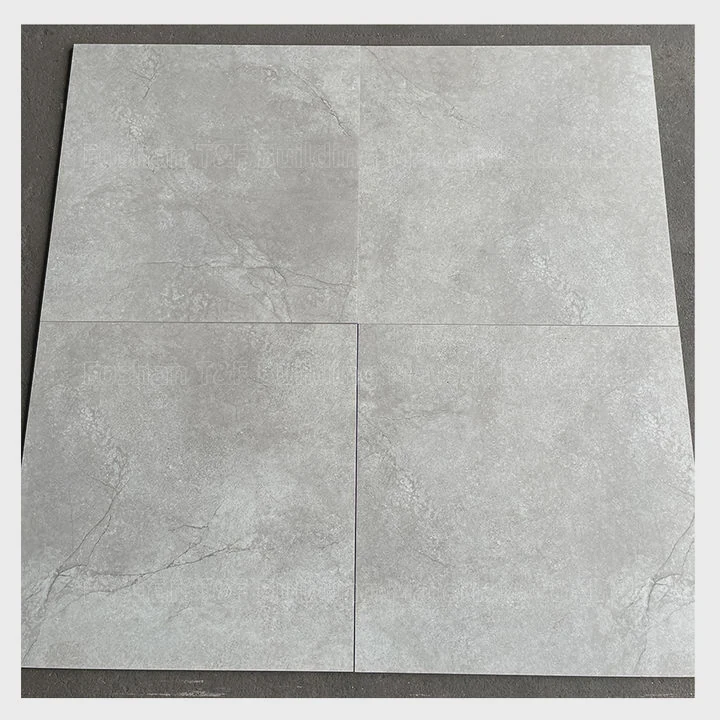
Ceramic tiles have a hard glazed surface. This glaze protects the tile and gives it color and shine. When a tile chips, both the glaze and the body of the tile may be damaged.
Because of this structure, repair materials must bond well to ceramic surfaces and also match the color.
Common Materials Used for Tile Repair
Different materials work for different chip sizes and tile types.
| Repair Material | Best For | Advantages | Limitations |
|---|---|---|---|
| Epoxy filler | Medium chips | Strong bonding | Requires mixing |
| Porcelain repair compound | Glazed tiles | Good color blending | May require polishing |
| Acrylic filler | Small chips | Easy application | Less durable |
| Tile glaze paint | Surface scratches | Restores color | Not for deep chips |
Epoxy filler is one of the most reliable options. It consists of two components that mix together. After mixing, the compound hardens and bonds strongly with ceramic surfaces.
Porcelain repair compounds are specially designed for glazed surfaces. These materials can be sanded and polished after curing.
Steps for Repairing a Chipped Tile
Repairing a small chip usually follows a simple process.
Step 1: Clean the Damaged Area
Dust and grease prevent bonding. The damaged tile surface should be cleaned with alcohol or mild detergent.
Step 2: Apply the Filler
The repair material should fill the chipped area completely. A small putty knife or plastic spatula works well.
Step 3: Shape the Surface
Before the material dries, the filler should be shaped to match the tile surface.
Step 4: Sand and Polish
After curing, fine sandpaper smooths the repair. Some kits include polishing compounds to restore shine.
Color Matching Matters
Matching the tile color is very important. A visible patch may look worse than the chip itself.
Some repair kits include multiple pigments that allow color mixing.
When Fillers Work Best
Fillers work best for:
- Small corner chips
- Edge damage
- Surface chips smaller than 10–15 mm
Large cracks or deep structural damage usually require tile replacement.
Repair materials restore appearance and extend the life of the tile surface without major renovation.
Why Do Tiles Chip at Edges and Corners?
Many tile chips appear at edges or corners. This type of damage is very common in kitchens, bathrooms, and commercial floors.
Tiles chip at edges and corners because these areas are structurally weaker and more exposed to impact from dropped objects, installation stress, or improper cutting.
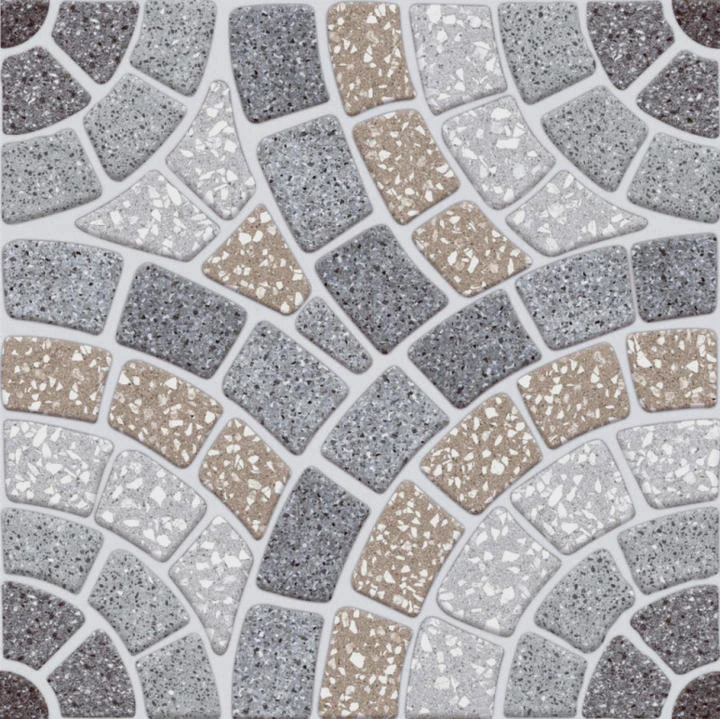
The structure of ceramic tiles explains why edges break more easily than the center.
Tile Structure and Weak Points
Ceramic tiles have two main layers:
- The glazed surface layer
- The ceramic body underneath
The center of the tile is supported by adhesive and substrate. Edges and corners often have less support.
When impact happens near the edge, the stress concentrates in a small area.
Common Causes of Tile Chipping
Several factors increase the risk of tile chipping.
Impact Damage
Dropping heavy items such as tools or cookware can chip tile surfaces.
For example, kitchen floors often experience tile damage when metal objects fall.
Improper Installation
Tiles must sit evenly on adhesive. If air gaps exist under the tile, pressure can cause cracking or chipping.
Poor installation often leads to weak edges.
Incorrect Tile Cutting
During installation, tiles are often cut to fit corners or edges. Poor cutting techniques can create micro-cracks.
These cracks later develop into chips.
Weak Tile Edges
Some tiles have very thin glazed edges. These edges can break easily during handling or installation.
High-Risk Locations for Tile Damage
| Location | Reason for Damage |
|---|---|
| Kitchen floors | Heavy objects and frequent traffic |
| Bathroom corners | Moisture and installation cuts |
| Stair edges | Constant pressure and impact |
| Doorways | Movement between rooms |
Edges near doorways or transitions often receive repeated pressure.
How to Reduce Tile Chipping
Installers often use several methods to protect tile edges.
Edge Trims
Metal or plastic tile trims protect exposed edges.
Correct Adhesive Coverage
Full adhesive coverage supports the entire tile.
Proper Cutting Tools
Professional cutting tools reduce micro-cracks in tile edges.
Understanding why tiles chip helps prevent damage in future installations.
When Should a Chipped Tile Be Replaced Instead?
Many tile chips can be repaired. However, some damage goes beyond cosmetic repair. In those cases, replacement becomes the better solution.
A chipped tile should be replaced when the damage is large, the tile is cracked through its body, or the structural integrity of the tile is compromised.
Replacing a tile requires more effort than repairing it. However, severe damage may continue to worsen if it is only patched.
Signs That Replacement Is Necessary
Several types of damage indicate that a tile should be replaced instead of repaired.
| Damage Type | Recommended Action |
|---|---|
| Small edge chip | Repair |
| Surface scratch | Refinish or repair |
| Large corner break | Replace tile |
| Deep crack through tile | Replace tile |
A deep crack often spreads across the tile surface over time.
Structural Damage
When the ceramic body is damaged deeply, filler materials cannot restore the tile’s strength.
This is common when heavy objects fall on the tile.
Loose Tiles
Sometimes a chipped tile is also loose. This usually means the adhesive bond has failed.
In this case, replacing the tile is safer than repairing the chip.
Water Exposure
In bathrooms or outdoor spaces, cracks allow water to penetrate under the tile.
Water infiltration can cause additional problems:
- Mold growth
- Adhesive failure
- Substrate damage
Replacing the tile prevents long-term structural issues.
Steps for Tile Replacement
Tile replacement follows several basic steps.
Step 1: Remove the Damaged Tile
A grout saw or oscillating tool removes the surrounding grout.
Then the tile is carefully broken and removed.
Step 2: Clean the Adhesive Bed
Old adhesive must be removed to create a flat surface.
Step 3: Install the New Tile
Fresh adhesive is applied and the new tile is positioned.
Step 4: Reapply Grout
Grout seals the tile edges and restores the finished appearance.
Matching Replacement Tiles
Finding a matching tile can be difficult if the tile style is discontinued.
Because of this challenge, many installers recommend keeping extra tiles after installation.
Replacement ensures long-term durability and maintains the visual consistency of the tiled surface.
Which Repair Kits Work for Ceramic Tile Damage?
Repair kits provide a convenient solution for fixing tile damage. These kits usually contain fillers, color pigments, and tools designed for ceramic surfaces.
Ceramic tile repair kits work effectively when they include epoxy fillers, color pigments, polishing tools, and surface sealers designed specifically for glazed ceramic tiles.

Repair kits are widely used for small chips, scratches, and minor cracks.
Typical Components in Tile Repair Kits
Most repair kits include several components.
| Component | Purpose |
|---|---|
| Epoxy filler | Fills chipped areas |
| Color pigments | Matches tile color |
| Applicator tools | Applies filler accurately |
| Sandpaper or polish | Smooths repaired surface |
| Surface sealant | Protects repaired area |
Color matching is often the most challenging part of the repair process.
Many kits include several pigment colors that can be mixed.
Advantages of Using Repair Kits
Repair kits offer several benefits compared with replacing tiles.
Quick Repairs
Most repairs can be completed within a few hours.
Lower Cost
Repair kits cost far less than replacing tiles and hiring labor.
Minimal Construction Work
Tile removal can create dust and debris. Repair kits avoid demolition.
When Repair Kits Work Best
Repair kits are ideal for:
- Small edge chips
- Surface scratches
- Minor corner damage
- Cosmetic defects
However, they are not suitable for large cracks or structural damage.
Tips for Better Repair Results
Several simple techniques improve repair quality.
Test Color Before Application
A small test patch ensures the color matches the tile.
Apply Thin Layers
Multiple thin layers often produce a smoother finish.
Polish After Curing
Polishing restores the shine of glazed tiles.
Long-Term Durability
Good repair kits can last many years when applied correctly. However, high-traffic areas may require occasional touch-ups.
Proper repair restores both the appearance and function of ceramic tiles without requiring full tile replacement.
Conclusion
Chipped tiles can often be repaired using epoxy fillers, ceramic repair compounds, or specialized repair kits. Understanding the cause of tile damage helps determine whether repair or replacement is the better option. With the right materials and techniques, tile surfaces can regain both strength and appearance.
- Pre: How to Cut Glass Tile?
- Next: How to Install Tile Floor?