How to Install Tile Floor?
- Sinotiles
- 2026-03-14
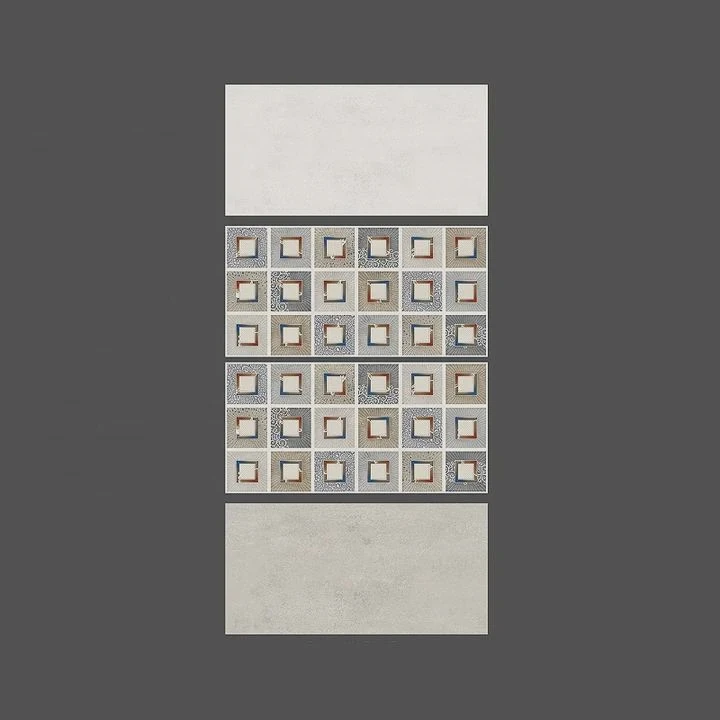
Many homeowners want a beautiful tile floor, but installation mistakes often cause uneven tiles, cracks, or poor alignment. These problems usually come from missing key steps during installation.
A proper tile floor installation requires careful preparation, correct materials like thinset mortar, precise spacing, and thoughtful layout patterns. When these steps are done correctly, the floor becomes durable, level, and visually attractive.
Tile floors are common in homes, stores, and commercial projects because they are durable and easy to clean. However, good results do not happen by accident. Every step matters, from surface preparation to pattern design. The following sections explain the key steps that help create a professional tile floor installation.
What preparation ensures a level tile floor installation?
Many tile floors fail because the base surface is uneven. Small bumps or dips can make tiles crack or sit at different heights. Proper preparation prevents these problems.
A level tile floor starts with a clean, flat, and strong subfloor. Installers must remove debris, repair uneven areas, and sometimes apply a leveling compound before placing tiles.
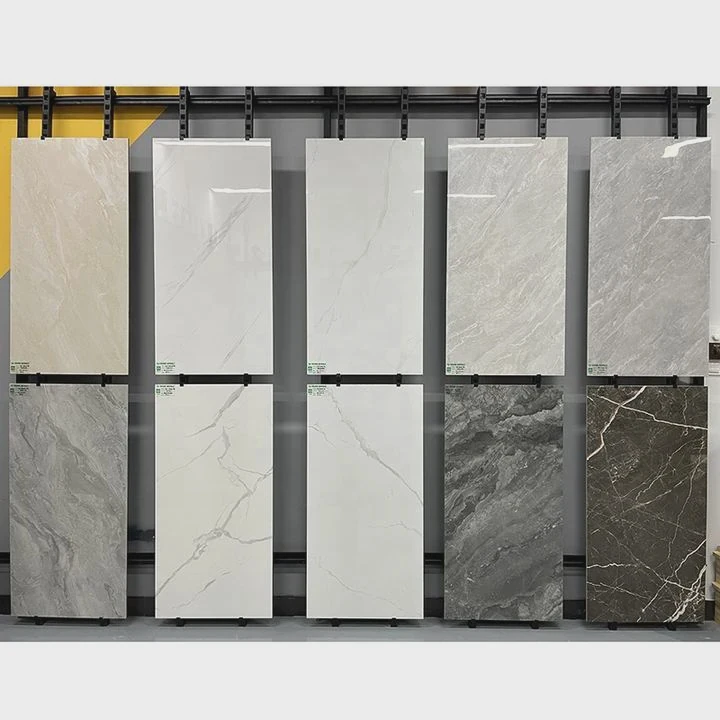
A successful tile installation always begins with the condition of the subfloor. Many installers focus only on the tile design, but the real foundation of a good tile floor is the surface below the tiles.
Check the Subfloor Condition
The subfloor must be solid and stable. If the base moves or flexes, tiles may crack later.
Common subfloor types include:
| Subfloor Type | Common Location | Preparation Method |
|---|---|---|
| Concrete slab | Ground floor homes | Repair cracks and level surface |
| Plywood | Wooden structures | Install cement backer board |
| Existing tile | Renovation projects | Clean and apply bonding layer |
Concrete floors often look flat but may still have small dips. Installers usually use a long level or straight edge to check the surface.
Clean the Surface Thoroughly
Dust, grease, and debris prevent mortar from bonding properly.
Important cleaning steps include:
- Sweep all loose debris
- Vacuum fine dust
- Remove grease or oil stains
- Ensure the surface is completely dry
A dirty surface weakens the adhesive bond between tile and floor.
Level the Surface
Even a small slope can affect tile alignment. Leveling ensures tiles sit evenly.
Installers may use:
- Self-leveling compound
- Cement patching materials
- Grinding tools for high spots
Self-leveling compound is very common in modern tile work. The material spreads across the floor and fills low areas.
Install a Tile Underlayment
For wooden floors, a backer board is usually required.
Common underlayment materials:
| Material | Benefit | Typical Thickness |
|---|---|---|
| Cement backer board | Strong and moisture resistant | 6–12 mm |
| Fiber cement board | Lightweight and stable | 6–10 mm |
| Uncoupling membrane | Prevents cracks from movement | Thin layer |
These materials create a stable base that prevents movement.
Plan the Tile Layout
Before placing tiles, installers mark reference lines on the floor.
Typical layout steps:
- Find the center of the room
- Snap chalk lines across the floor
- Dry-lay several tiles to test spacing
This planning step avoids narrow tile pieces at the walls and improves the final appearance.
Proper preparation often takes more time than the actual tile installation. However, this stage determines whether the tile floor will remain stable for many years.
Why is thinset mortar used under floor tiles?
Some people think tile adhesive simply sticks tiles to the floor. In reality, thinset mortar plays a much more important role in tile installation.
Thinset mortar creates a strong bond between tile and subfloor while also filling small gaps and supporting the tile evenly across the surface.
Thinset mortar is a cement-based adhesive widely used in modern tile installation. The material forms a durable bond and supports heavy floor loads.
What Is Thinset Mortar?
Thinset mortar is made from several materials mixed together.
Main components include:
| Ingredient | Function |
|---|---|
| Cement | Provides strength |
| Sand | Controls thickness |
| Polymer additives | Improves bonding |
| Water | Activates the mixture |
When mixed properly, the mortar forms a paste that spreads easily under tiles.
Why Thinset Is Preferred
Thinset mortar has several advantages compared to older adhesives.
Strong Bonding
Thinset bonds well to both tile and substrate. Once cured, it forms a strong mechanical bond that keeps tiles in place for many years.
Moisture Resistance
Many tile floors are installed in kitchens, bathrooms, and outdoor spaces. Thinset performs well in these environments because cement materials resist moisture.
Load Distribution
Thinset spreads evenly under the tile when installed with a notched trowel. This layer supports the tile and reduces stress points.
Importance of the Notched Trowel
A notched trowel creates ridges in the mortar.
These ridges help:
- Control mortar thickness
- Improve bonding surface
- Remove air pockets under tiles
Common trowel sizes include:
| Tile Size | Typical Trowel Size |
|---|---|
| Small tiles | 6 mm notch |
| Medium tiles | 8–10 mm notch |
| Large format tiles | 12 mm or larger |
Larger tiles require thicker mortar layers.
Mortar Coverage Matters
Installers often check the mortar coverage by lifting a tile during installation.
Good coverage usually means:
- At least 80–90% contact area
- No large empty spaces under tile
- Even mortar spread
Poor coverage leads to cracked tiles.
Mortar Curing Time
After installation, thinset mortar must cure properly.
Typical curing timeline:
| Stage | Time |
|---|---|
| Initial set | 24 hours |
| Light foot traffic | 24–48 hours |
| Full curing | About 7 days |
Walking on tiles too early can shift the tile alignment.
Thinset mortar may seem like a simple material, but it plays a key structural role in tile flooring. Without proper mortar application, even high-quality tiles may fail over time.
When should spacers be removed during tile installation?
Tile spacers help maintain consistent grout lines. However, many beginners remove them too early or too late, which can affect tile alignment.
Spacers should usually be removed after the thinset mortar has partially set but before grout is applied, typically within 24 hours after tile placement.
Spacers are small plastic pieces placed between tiles. Their purpose is simple but important: they maintain equal spacing across the floor.
Purpose of Tile Spacers
Spacers control grout joint width and improve visual alignment.
Benefits include:
- Straight tile rows
- Even grout lines
- Consistent tile spacing
Without spacers, tile rows often shift during installation.
Common Spacer Sizes
Different tile styles require different grout joint widths.
| Spacer Size | Typical Use |
|---|---|
| 1–2 mm | Rectified porcelain tiles |
| 3 mm | Modern floor tiles |
| 4–5 mm | Rustic or handmade tiles |
Large grout lines sometimes match rustic design styles.
Correct Time to Remove Spacers
Spacers should be removed when the mortar has hardened enough to hold tiles in place.
Typical timeline:
| Time After Installation | Action |
|---|---|
| 1–3 hours | Tiles still movable |
| 12–24 hours | Safe to remove spacers |
| After 24 hours | Prepare for grouting |
Removing spacers too early may cause tiles to shift.
Methods to Remove Spacers
Installers usually remove spacers using simple tools.
Common methods include:
- Pulling with fingers
- Using pliers
- Sliding a utility knife under the spacer
Care must be taken not to disturb tile alignment.
Preparing for Grout
Once spacers are removed, grout joints should be cleaned.
Steps include:
- Remove leftover mortar in joints
- Vacuum dust and debris
- Ensure joints have consistent depth
Clean grout lines allow grout to bond properly.
Spacers may look like small plastic pieces, but they play a key role in achieving professional tile alignment.
Which patterns improve tile floor appearance?
Tile layout patterns greatly influence the final appearance of a floor. Even high-quality tiles can look ordinary if the pattern is poorly planned.
Popular tile patterns such as straight lay, brick pattern, herringbone, and diagonal layout can enhance the visual effect of a tile floor and create unique interior styles.
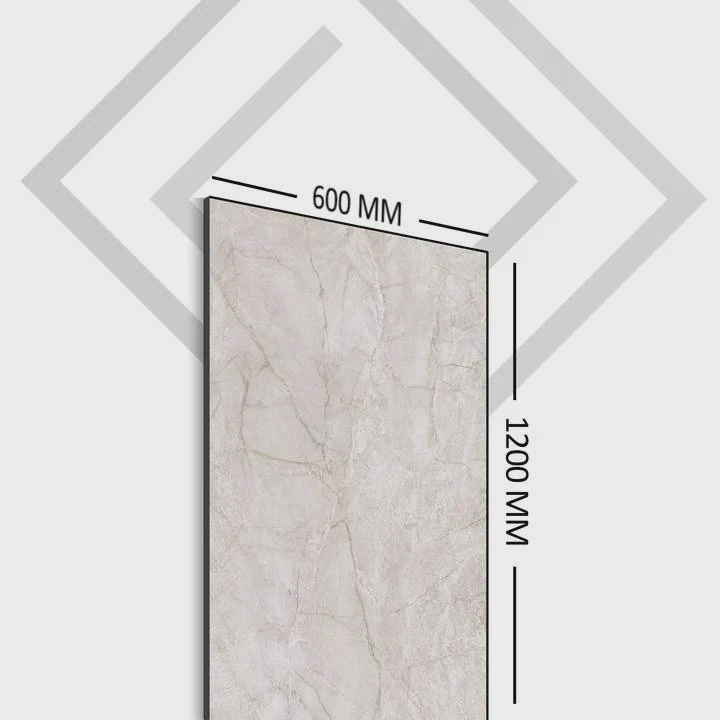
The tile pattern determines how tiles are arranged across the floor. Each layout style creates a different visual effect and works better in certain spaces.
Straight Lay Pattern
This is the most common tile layout.
Tiles are installed in straight lines that form a grid.
Advantages:
- Easy to install
- Minimal tile cutting
- Clean and modern appearance
This layout works well in both residential and commercial spaces.
Brick (Running Bond) Pattern
In this layout, each row of tiles is offset by half the tile length.
Benefits include:
- Creates movement in the design
- Reduces visible tile seams
- Works well with rectangular tiles
Many kitchens and living rooms use this pattern.
Diagonal Pattern
Tiles are installed at a 45-degree angle to the walls.
Advantages:
- Makes small rooms appear larger
- Adds visual interest
- Hides minor wall irregularities
However, diagonal layouts require more tile cutting.
Herringbone Pattern
Herringbone is a decorative layout using rectangular tiles.
Tiles are placed at 90-degree angles forming a zigzag pattern.
Benefits:
- Strong visual impact
- Elegant appearance
- Popular in luxury interiors
Comparing Tile Patterns
| Pattern | Difficulty | Visual Style | Tile Waste |
|---|---|---|---|
| Straight lay | Easy | Clean and simple | Low |
| Brick pattern | Medium | Casual and modern | Medium |
| Diagonal | Medium | Dynamic | Medium |
| Herringbone | Hard | Elegant and decorative | Higher |
Choosing the Right Pattern
The best pattern depends on several factors:
- Room size
- Tile shape
- Interior style
- Installation skill level
Large tiles often look best with simple layouts. Smaller tiles can support more complex patterns.
Good pattern planning improves both design and installation efficiency.
Conclusion
Installing a tile floor requires careful preparation, correct materials, proper spacing, and thoughtful layout patterns. When each step is done correctly, the floor becomes durable, level, and visually appealing for many years.