how to hang tile on drywall?
- Sinotiles
- 2026-04-15
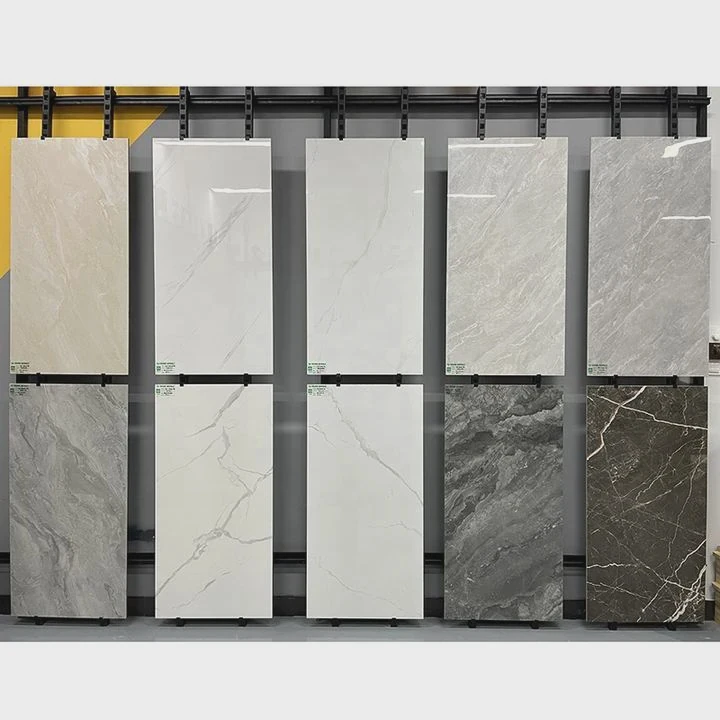
Tiling on drywall often fails because of poor prep. Many people rush the job. The result is loose tiles, cracks, and wasted cost.
Yes, you can hang tile on drywall, but only with proper preparation, the right adhesive, and moisture protection. Without these steps, tiles will not last.
This guide breaks down each step in a simple way. It helps avoid common mistakes and gives a clear path to a strong and clean tile finish.
What preparation is required for drywall tiling?
Drywall looks smooth, but it is not ready for tile by default. Many skip prep, and that leads to weak bonding and tile failure.
Proper preparation includes cleaning, repairing damage, sanding, and priming the drywall to create a stable and adhesive-friendly surface.
Preparation is the base of the whole tiling job. If the base fails, everything fails.
Check the drywall condition
Before doing anything, the surface must be inspected.
- Look for cracks, holes, or soft spots
- Check if the drywall is firmly attached
- Make sure there is no mold or moisture damage
If drywall feels soft, it must be replaced. Tiles add weight, so weak drywall cannot support them.
Clean the surface
Dust and grease are common problems.
- Use a dry cloth or vacuum to remove dust
- Clean grease with mild soap and water
- Let the surface dry fully
Even a small layer of dust can reduce adhesive strength.
Repair and smooth
Any uneven surface will affect tile alignment.
- Fill holes with joint compound
- Sand rough areas
- Remove bumps and old paint flakes
A flat wall helps tiles sit evenly and reduces stress points.
Apply primer
Primer is often ignored, but it is very important.
| Step | Purpose | Result |
|---|---|---|
| Cleaning | Remove dust and grease | Better adhesion |
| Repairing | Fix damage | Strong base |
| Sanding | Smooth surface | Even tile placement |
| Priming | Seal drywall | Improved bonding |
Primer seals the porous drywall. It stops it from absorbing moisture from the adhesive too fast.
Mark layout lines
Before tiling, planning is needed.
- Use a level to draw straight lines
- Mark center points
- Dry-fit tiles to check spacing
This step helps avoid uneven tile patterns later.
Preparation may take time, but it reduces problems during installation. A well-prepared wall makes the rest of the work easier and faster.
How do you ensure tiles adhere to drywall safely?
Tiles falling off is a common issue. It usually happens because the bonding process was not done correctly.
To ensure safe adhesion, use proper adhesive, apply it evenly, press tiles firmly, and allow enough curing time.
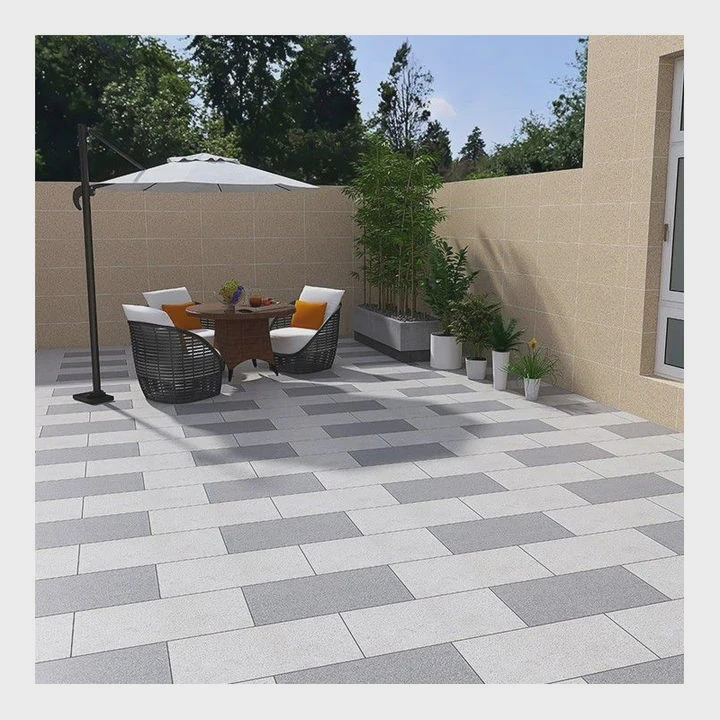
Adhesion is not just about glue. It is about the full process.
Choose the right tile size
Large tiles are heavier.
- Small tiles (like 300×300mm) are safer for drywall
- Large format tiles need stronger adhesive and support
Weight matters. Drywall has limits.
Apply adhesive correctly
The way adhesive is applied affects bonding.
- Use a notched trowel
- Spread evenly in one direction
- Do not apply too much at once
Consistent thickness ensures strong grip.
Use the back-buttering method
For better adhesion, especially with large tiles:
- Apply adhesive on the wall
- Apply a thin layer on the tile back
This improves contact and reduces air gaps.
Press and adjust tiles
After placing tiles:
- Press firmly but not too hard
- Twist slightly to remove air pockets
- Use spacers for even gaps
Proper placement ensures stability.
Allow curing time
Many people rush this step.
| Action | Recommended Time |
|---|---|
| Initial set | 24 hours |
| Light use | 48 hours |
| Full strength | 72 hours |
Moving tiles too early weakens the bond.
Avoid overloading the wall
Drywall is not as strong as concrete.
- Do not hang heavy items on tiled drywall
- Avoid very thick tiles in large areas
A balanced load keeps tiles secure over time.
Good adhesion is about control and patience. Each step supports the next one.
Which adhesives are best for drywall surfaces?
Choosing the wrong adhesive is one of the biggest mistakes. Not all adhesives work well on drywall.
The best adhesives for drywall tiling are thin-set mortar and mastic, depending on tile type and environment.
Each adhesive has its own use case.
Thin-set mortar
This is the most reliable option.
- Cement-based
- Strong bonding strength
- Suitable for most tile types
It works well for:
- Porcelain tiles
- Large format tiles
- High-traffic areas
Tile mastic
Mastic is easier to use.
- Pre-mixed
- Good for small tiles
- Ideal for dry areas
But it has limits:
- Not suitable for wet areas
- Not strong enough for heavy tiles
Modified vs unmodified thin-set
This is an important choice.
- Modified thin-set has polymers for extra strength
- Unmodified is basic and less flexible
Modified thin-set is better for drywall because it bonds better.
Adhesive comparison table
| Type | Strength | Best Use | Limitation |
|---|---|---|---|
| Thin-set mortar | High | Large tiles, porcelain | Needs mixing |
| Modified thin-set | Very high | Most applications | Higher cost |
| Mastic | Medium | Small tiles, dry areas | Not waterproof |
Consider tile material
Different tiles need different adhesives.
- Porcelain: requires strong thin-set
- Ceramic: works with both mastic and thin-set
- Mosaic: often works with mastic
Matching adhesive to tile type improves durability.
Environmental factors
Always consider the location.
- Kitchen backsplash: mastic or thin-set
- Bathroom wall: thin-set only
- Shower area: waterproof thin-set
The environment decides the best choice.
Using the right adhesive is not optional. It directly affects how long the tiles will last.
When should waterproofing be added before tiling?
Water damage is one of the biggest risks when tiling drywall. Many people only realize this after tiles start falling off.
Waterproofing should be added before tiling in any area exposed to moisture, such as bathrooms, kitchens, and laundry spaces.
Drywall is not naturally water-resistant. Protection is necessary.
Identify wet areas
Not all walls need waterproofing.
Areas that need it:
- Shower walls
- Behind sinks
- Kitchen backsplashes
- Laundry rooms
Dry areas like living rooms usually do not need it.
Types of waterproofing
There are different methods available.
- Liquid waterproof membrane
- Waterproof boards
- Sheet membranes
Liquid membrane is the most common for drywall.
How to apply waterproofing
The process is simple but must be done carefully.
- Clean and prepare drywall
- Apply first coat with roller or brush
- Let it dry completely
- Apply second coat
- Check for full coverage
Two coats are usually required for proper sealing.
Benefits of waterproofing
| Benefit | Result |
|---|---|
| Moisture protection | Prevents damage |
| Stronger adhesion | Better tile bonding |
| Longer lifespan | Reduces repair cost |
When waterproofing is not needed
In dry spaces:
- Decorative walls
- Living room feature walls
But even in dry areas, light protection can still help.
Common mistakes
- Skipping waterproofing in humid areas
- Applying only one coat
- Not letting it dry properly
These mistakes can lead to mold and tile failure.
Waterproofing is a small step with a big impact. It protects both the tiles and the wall behind them.
Conclusion
Tiling on drywall works well when each step is done right. Preparation, proper adhesive, and waterproofing all matter. Skipping any step leads to failure. A careful process ensures strong, long-lasting tile installation.