How to Regrout Pool Tile?
- Sinotiles
- 2026-04-08
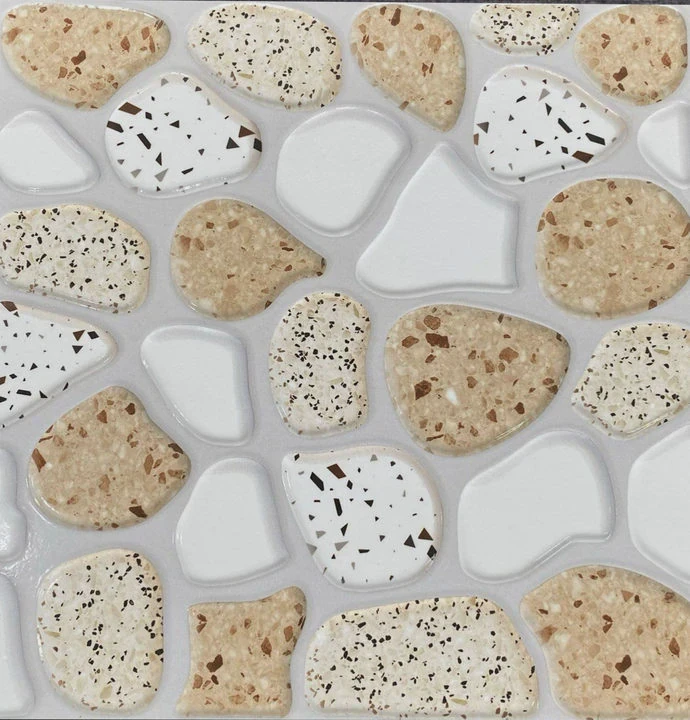
Pool tiles often lose their clean look over time. Cracked or missing grout makes the pool look old and can lead to leaks or damage if ignored.
Regrouting pool tile involves removing old grout, cleaning joints, applying new waterproof grout, and allowing proper curing before sealing or refilling the pool. Each step must be done carefully to ensure durability.
This guide explains each step clearly, so the process feels manageable and the results last longer.
What steps are involved in pool tile regrouting?
Many pool owners think regrouting is just filling gaps. In reality, it is a step-by-step process that affects both appearance and structure.
Pool tile regrouting includes draining the pool, removing damaged grout, cleaning joints, applying new grout, curing, and final cleaning to restore strength and appearance.
Each step builds on the previous one. Skipping any step can reduce the life of the grout.
Step 1: Drain the Pool
The work area must be completely dry.
- Lower water level below tile line
- Allow surfaces to dry fully
- Ensure safe working conditions
Water presence will weaken new grout bonding.
Step 2: Inspect Tile and Joints
Before starting, check for damage.
- Look for loose tiles
- Identify cracked grout lines
- Mark areas needing repair
Fixing tile issues first avoids repeating work later.
Step 3: Remove Old Grout
Old grout must be cleared properly.
- Remove at least 2-3 mm depth
- Ensure joints are clean and open
- Avoid damaging tile edges
This step creates space for new grout to bond.
Step 4: Clean the Surface
Dust and debris must be removed.
- Use brush or vacuum
- Wash joints if needed
- Let everything dry completely
Clean joints improve adhesion.
Step 5: Apply New Grout
Apply grout evenly across joints.
- Use rubber float
- Press grout firmly into gaps
- Work in small sections
This ensures full joint coverage.
Step 6: Initial Cleaning
Remove excess grout quickly.
- Use damp sponge
- Wipe gently to avoid pulling grout out
- Rinse sponge often
This shapes the joints and cleans tile surface.
Step 7: Cure the Grout
Curing is critical for strength.
- Keep area dry
- Follow manufacturer time (usually 24-72 hours)
- Avoid early water exposure
Step 8: Final Cleaning
Remove haze after curing.
- Use soft cloth or cleaner
- Polish tile surface
Process Overview Table
| Step | Purpose |
|---|---|
| Drain Pool | Create dry working area |
| Inspection | Identify issues |
| Remove Grout | Prepare joints |
| Cleaning | Improve bonding |
| Apply Grout | Fill joints |
| Initial Cleaning | Shape and clean surface |
| Curing | Strength development |
| Final Cleaning | Finish appearance |
Each step must be done with care. Rushing leads to weak joints and short lifespan.
How do you remove old grout in wet areas?
Removing grout in pool environments is more challenging than in dry indoor spaces. Moisture and hardness make the process more demanding.
Old grout in wet areas is removed using manual tools, grout saws, or power tools like oscillating tools, while keeping the surface controlled to avoid tile damage.
The goal is to remove grout without harming the tile or surrounding structure.
Manual Removal Methods
Hand tools are safer but slower.
- Grout saws
- Carbide-tipped tools
- Utility knives for small areas
Best for delicate tiles or small repairs.
Power Tool Methods
Power tools increase speed.
- Oscillating multi-tools
- Rotary tools with grout bits
- Angle grinders (for experienced users)
They require steady control to avoid chipping tiles.
Depth and Technique
Proper depth ensures strong bonding.
- Remove at least 2-3 mm deep
- Keep joints even
- Avoid cutting too deep into substrate
Managing Moisture
Wet areas need extra care.
- Ensure surface is as dry as possible
- Work in shaded conditions
- Avoid working on damp grout
Safety Considerations
Dust and debris can be harmful.
- Wear protective goggles
- Use dust masks
- Work slowly to maintain control
Tool Comparison Table
| Method | Speed | Control | Risk Level |
|---|---|---|---|
| Manual Tools | Slow | High | Low |
| Oscillating Tool | Medium | Medium | Medium |
| Grinder | Fast | Low | High |
Common Mistakes to Avoid
- Removing too little grout
- Damaging tile edges
- Leaving dust in joints
Proper removal sets the base for strong new grout. Poor removal leads to weak bonding and early failure.
Which grout types are best for pools?
Not all grout types work in pool environments. Constant water exposure requires stronger and more resistant materials.
Epoxy grout and polymer-modified cement grout are the best choices for pools because they offer water resistance, durability, and resistance to chemicals and stains.
Choosing the right grout directly affects performance and maintenance.
Epoxy Grout
Epoxy grout is a premium option.
- Highly waterproof
- Resistant to pool chemicals
- Strong and durable
It is ideal for long-term performance.
Cement-Based Grout (Modified)
Improved versions of traditional grout.
- More affordable
- Easier to apply
- Requires sealing
Good for budget-conscious projects.
Key Performance Factors
Grout must handle:
- Constant water exposure
- Temperature changes
- Chemical treatments (chlorine, salt)
Comparison Table
| Grout Type | Water Resistance | Durability | Maintenance |
|---|---|---|---|
| Epoxy Grout | Very High | Very High | Low |
| Modified Cement Grout | Medium | Medium | High |
Choosing the Right Option
- High-end pool → Epoxy grout
- Budget project → Modified cement grout
- Commercial pool → Epoxy recommended
Practical Insight
Many projects fail because standard grout is used. Pool environments are harsh. Choosing the right grout reduces repairs and extends lifespan.
When should pool tiles be sealed after regrouting?
Sealing is often misunderstood. Some people skip it, while others apply it too early, which can damage the grout.
Pool tiles should be sealed after grout has fully cured, typically 48-72 hours or longer depending on the grout type and manufacturer instructions.
Timing is critical. Sealing too early traps moisture and weakens the grout.
Why Sealing Matters
Sealing protects grout from:
- Water absorption
- Stains
- Chemical damage
It extends the life of the grout.
Correct Timing
Curing must finish first.
- Wait at least 48-72 hours
- Check manufacturer guidelines
- Ensure grout is fully dry
Sealing Process
Apply sealer evenly.
- Use brush or applicator
- Focus on grout lines
- Wipe excess from tile surface
When Sealing Is Not Needed
Not all grout requires sealing.
- Epoxy grout usually does not need sealing
- Some advanced grouts are pre-sealed
Maintenance After Sealing
Sealing is not permanent.
- Reapply periodically
- Monitor grout condition
- Clean regularly
Sealing Timeline Table
| Stage | Action |
|---|---|
| Day 0 | Apply grout |
| Day 1-3 | Allow curing |
| After curing | Apply sealer (if needed) |
Common Mistakes
- Sealing too early
- Using wrong sealer type
- Skipping cleaning before sealing
Proper sealing protects your work. It ensures the grout stays strong and clean over time.
Conclusion
Regrouting pool tile requires careful preparation, proper grout removal, and the right materials. Using waterproof grout and allowing full curing before sealing ensures long-lasting results and reduces future maintenance problems.